How Much Does It Cost to Open a Coffee Shop in 2026?
Opening a coffee shop in 2026 requires careful cost planning across rent, equipment, labor, technology, menu strategy, marketing, and sustainability.
operations
May 15, 2026
Opening a coffee shop in 2026 requires careful cost planning across rent, equipment, labor, technology, menu strategy, marketing, and sustainability.
May 15, 2026

This AI playbook covers restaurant tools for voice ordering, staffing, compliance, menu pricing, inventory, marketing, ChatGPT prompts, and SEO.
May 15, 2026

Hardee’s giant Boddie-Noell inks 31-unit Scooter’s Coffee deal for NC and VA, leveraging drive-thru growth and local roots with rollout over 12–18 months.
May 15, 2026

Wingstop turns match weeks into a multi-sensory festival, aligning bold pop-ups with World Cup energy to build brand affinity and measurable momentum.
May 15, 2026

The parent company behind Dunkin', Buffalo Wild Wings, and Arby's has filed for an IPO a move that could reshape how Wall Street views the restaurant sector.
May 15, 2026

Learn how to develop a memorable restaurant brand identity that stands out in a crowded market, attracts loyal customers, and drives repeat business with actionable strategies and affordable tools.
May 15, 2026

Dirty soda chain Swig is expanding into Colorado through a 10-unit franchise deal, riding a consumer beverage trend that's catching the attention of major QSR players nationwide.
May 15, 2026

Papa Johns has teamed up with Alphabet's Wing for drone delivery of its new sandwich lineup in parts of Charlotte marking the first partnership of its kind between Wing and a national QSR brand.
May 15, 2026

A warm, expert-led look at McDonald’s Q1 results, menu makeover, and the refranchise question shaping its growth.
May 14, 2026

A reflective look at Habit Ranch, its immersive desert activation, and what it signals for brand loyalty and mindful, experiential dining.
May 14, 2026

Unlock Exclusive Access To Webinars, Events, And The Latest News For Free!
Taco Bell lets franchisees opt out of breakfast, boosting Cantina Chicken and digital momentum to fuel local growth.
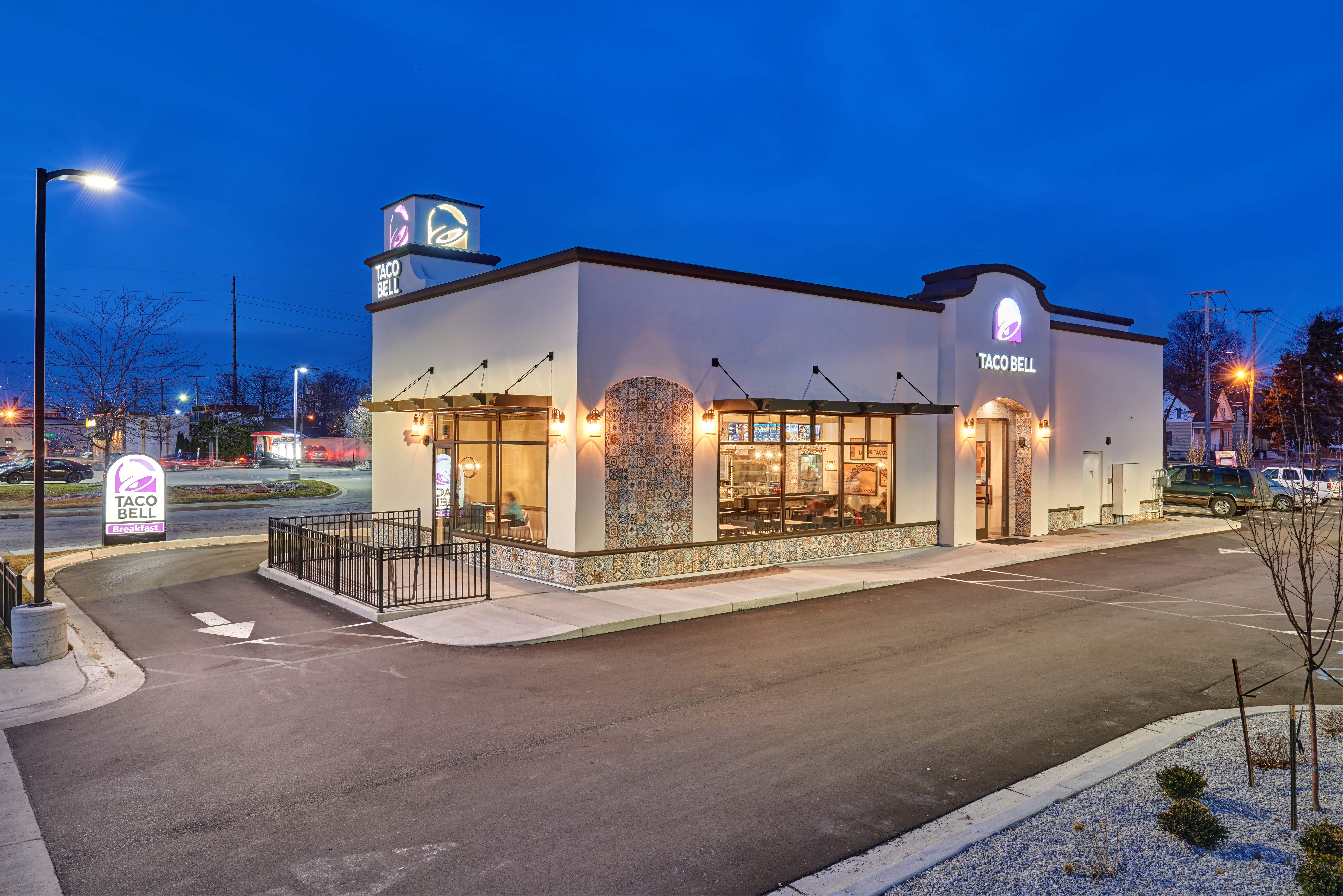
October 2024 marked a turning point for Taco Bell as the brand gave franchisees new ways to shape the dayparts they serve. The policy lets operators opt out of breakfast starting in October, a move meant to unlock agility in local markets. Company-owned stores wouldn’t opt out, which highlights a nuanced, ownership-driven approach. This isn’t a dramatic makeover so much as a test bed for what drives traffic, check growth, and brand momentum in real time. If you read the room, you can feel the intent: flexibility as the engine of growth across the system.
What’s at stake is simple: empower local operators to chase the wins that matter in their communities. Franchisees gain a say in whether breakfast stays part of the daily mix, while corporate locations keep a stable breakfast program. It’s a measured, collaborative step designed to sustain brand momentum as conditions shift. In plain terms, this is nimbleness in a fast-moving QSR world, with Cantina Chicken and other daytime initiatives sitting near the center of the plan.
From a storytelling standpoint, it’s also a signal: collaboration with franchisees remains a core operating principle. The policy reframes breakfast as a local decision rather than a universal mandate, with the goal of revealing what actually drives growth in diverse markets.
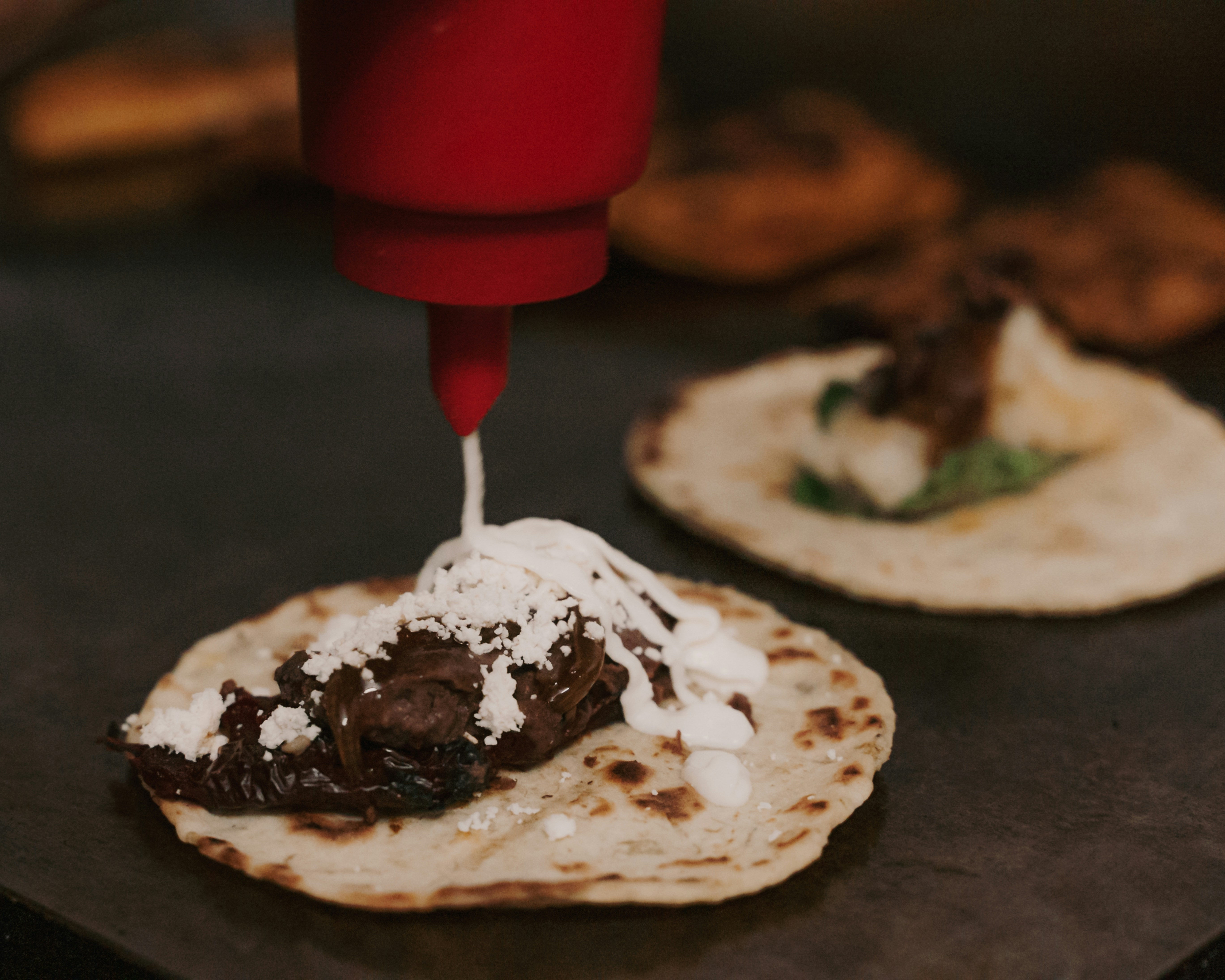
Operationally, stores choosing to discontinue breakfast will still open at 9 a.m. or earlier and continue selling the regular menu. The policy makes a clear distinction: franchisees can opt out, while company-owned locations stay on the breakfast program. This aligns with Taco Bell’s broader emphasis on nimbleness and franchisee partnership in a rapidly changing quick-service environment.
The practical effect is simple: local operators can tailor offerings to local dynamics without risking a full-blown system-wide breakfast pull. The change is framed as a collaborative mechanism to balance legacy items with new formats and menus, ensuring consumers still find the items they expect while allowing the brand to test new dayparts as markets dictate.
Leadership quotes underscored a culture of listening and learning. In internal communications, executives framed the move as part of a broader suite of efforts to support growth through collaboration with franchisees. “We are known for our partnership with franchisees, and this is another example of how the brand is listening to its people, taking their feedback into account, and making changes to support the overall growth of the brand.” The sentiment wasn’t just about flexibility; it reflected a discipline of testing, learning, and adapting to keep momentum going across markets.
"At an innovative brand like Taco Bell, we are constantly trying new things (products, restaurant formats, etc.). This is no different; we test and learn so we can evolve and better serve our franchisees, team members and fans," the company added. "We have to be nimble in a constantly changing QSR environment, especially with the range of audiences and lifestyles we serve." The quotes sketch a culture where data-driven experimentation sits at the center of growth strategy.
The takeaway is clear: leadership is leaning into a collaborative, experiment-first posture. The policy shift becomes a case study in how a big brand talks with its people, then acts in ways that aim to preserve momentum while staying attuned to local realities.
Q2 2024 positioned Taco Bell as a growth engine within Yum! Brands. In the U.S., system sales rose 7%, with same-store sales up 5% for the quarter. The brand also rode strong digital momentum, with digital system sales totaling nearly $8 billion and a digital mix above 50%. Company-owned restaurants posted margins of 25.6%, flat year over year, signaling stable profitability as the system grew. The unit count climbed to 8,565 restaurants, up from 8,320 a year earlier, and 56 gross new restaurants opened across 11 countries in the quarter.
The numbers position Taco Bell as a growth engine inside a trio that also includes KFC and Pizza Hut. The freshness of the pipeline—both in new formats and in digital engagement—suggests the brand’s momentum isn’t a flash in the pan. TheCantina Chicken initiative appears as part of a broader push to balance dayparts with new formats, while keeping core items intact where they matter most.
In short, the Taco Bell division’s quarterly results highlight a blueprint for growth that blends traditional staples with daytime experimentation. The numbers aren’t just about more stores; they’re about a more dynamic mix of formats, digital reach, and international expansion that keeps the brand moving forward.
Integrated growth now means breakfast flexibility, Cantina Chicken momentum, and a digital backbone that sustains high traffic and check size. The balance between maintaining core items and testing new dayparts is intentional: it reduces risk while preserving brand familiarity where customers expect it. The real leverage comes from data-driven innovation and franchisee partnership, two levers the company says it will continue to pull as macro headwinds evolve.
As the market evolves, Taco Bell’s playbook remains straightforward: tests, learns, and scales where they work. Cantina Chicken’s trajectory and the push toward deeper digital engagement are not one-off experiments but a framework designed to keep the brand relevant amid shifting consumer habits and a crowded competitive landscape.
Bottom line: Taco Bell’s breakfast flexibility, Cantina Chicken’s momentum, and a digital-first growth engine form a cohesive strategy. The company keeps core items where they matter, unlocks room for local adaptation, and leans into a data-driven path forward. If the plan flows from the top to the store floor, the brand stands a good chance of keeping momentum even as market conditions shift.
In the end, the real test is execution on the ground. If local teams translate the policy into practical tweaks that boost traffic and average check, the policy shift will be remembered not as a headline, but as a big win in the brand’s ongoing quest to stay relevant and profitable.