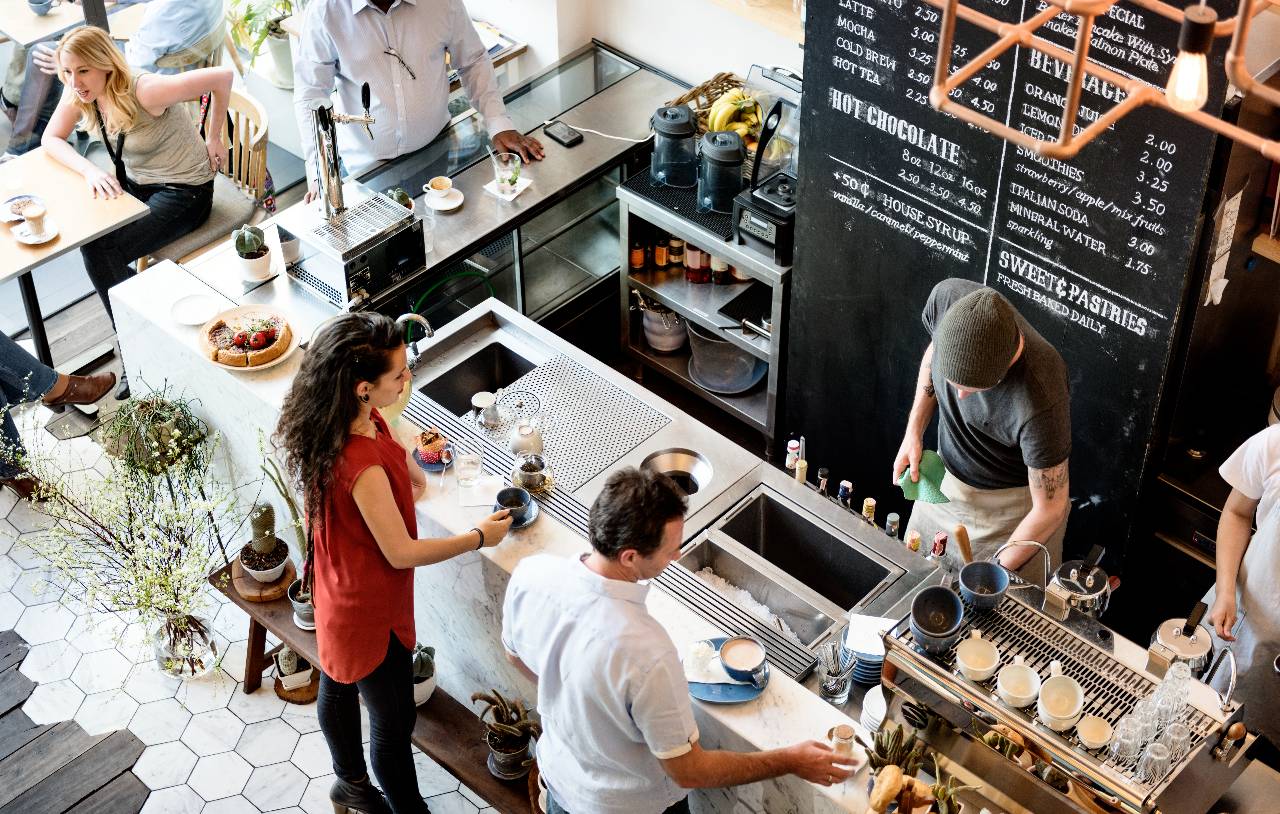
How Much Does It Cost to Open a Coffee Shop in 2026?
Opening a coffee shop in 2026 requires careful cost planning across rent, equipment, labor, technology, menu strategy, marketing, and sustainability.
operations
May 15, 2026
Opening a coffee shop in 2026 requires careful cost planning across rent, equipment, labor, technology, menu strategy, marketing, and sustainability.
May 15, 2026
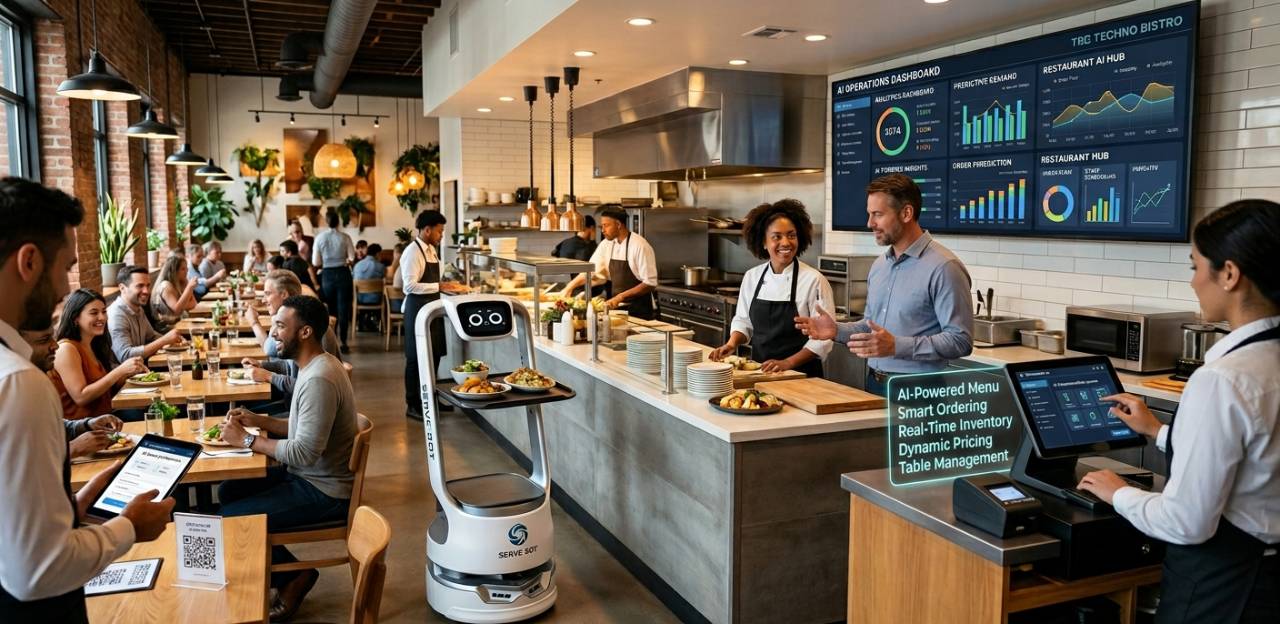
This AI playbook covers restaurant tools for voice ordering, staffing, compliance, menu pricing, inventory, marketing, ChatGPT prompts, and SEO.
May 15, 2026
Hardee’s giant Boddie-Noell inks 31-unit Scooter’s Coffee deal for NC and VA, leveraging drive-thru growth and local roots with rollout over 12–18 months.
May 15, 2026
Wingstop turns match weeks into a multi-sensory festival, aligning bold pop-ups with World Cup energy to build brand affinity and measurable momentum.
May 15, 2026
The parent company behind Dunkin', Buffalo Wild Wings, and Arby's has filed for an IPO a move that could reshape how Wall Street views the restaurant sector.
May 15, 2026
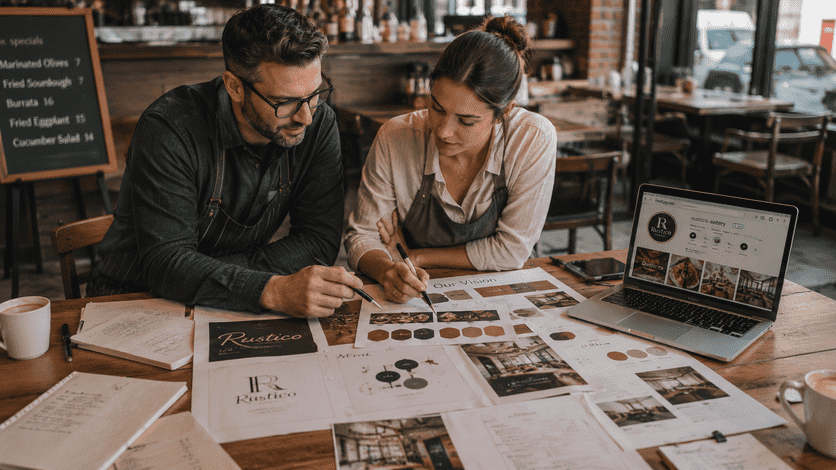
Learn how to develop a memorable restaurant brand identity that stands out in a crowded market, attracts loyal customers, and drives repeat business with actionable strategies and affordable tools.
May 15, 2026
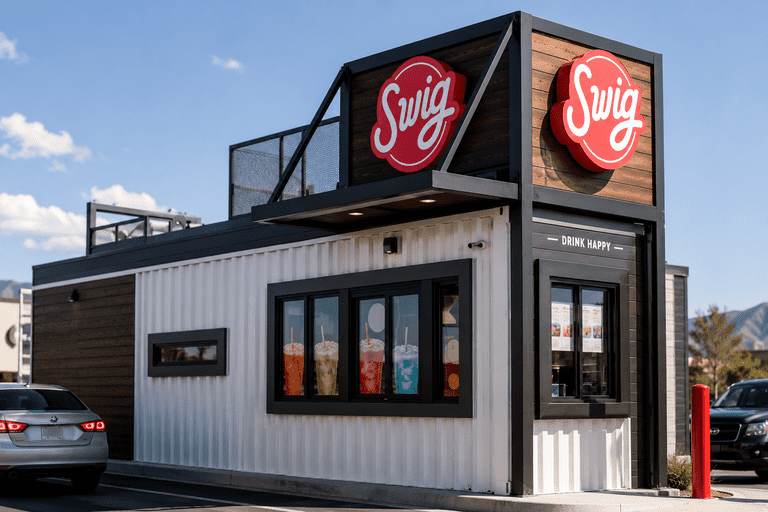
Dirty soda chain Swig is expanding into Colorado through a 10-unit franchise deal, riding a consumer beverage trend that's catching the attention of major QSR players nationwide.
May 15, 2026
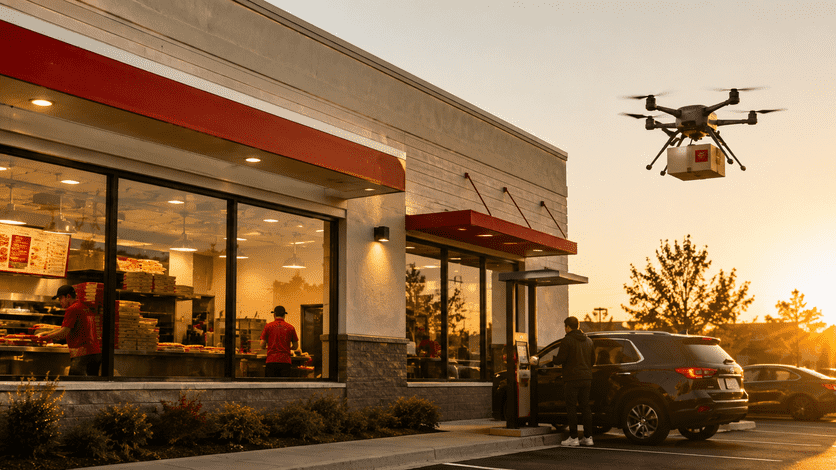
Papa Johns has teamed up with Alphabet's Wing for drone delivery of its new sandwich lineup in parts of Charlotte marking the first partnership of its kind between Wing and a national QSR brand.
May 15, 2026
A warm, expert-led look at McDonald’s Q1 results, menu makeover, and the refranchise question shaping its growth.
May 14, 2026
A reflective look at Habit Ranch, its immersive desert activation, and what it signals for brand loyalty and mindful, experiential dining.
May 14, 2026

Unlock Exclusive Access To Webinars, Events, And The Latest News For Free!
Bloomin’ Brands reshapes menus, pricing, and off-premises to safeguard brand equity while expanding the footprint.
Photo by Johan Mouchet
In the quiet ledger of a restaurant turnaround, Bloomin’ Brands sketches a path that leans into precision rather than spectacle. The fiscal second quarter ending June 29, 2025, delivered softer-than-anticipated results, yet leadership insists the softness does not indict the core proposition: a family of brands anchored by Outback Steakhouse remains central to a broader, value-minded recalibration. Instead of chasing broad-based discounts, the plan favors structure, clarity, and a subtle elevation of value that preserves the brand’s silhouette. As the dining landscape tightens, the questions become sharper: what guests seek, and how a restaurant speaks to those needs without surrendering its soul:
“Three courses for $14.99 is an exceptional offer,” Deno stated, underscoring a distinctive, brand-owned promotion designed to draw traffic during tougher periods. The offer sits as the year’s lowest-priced menu option, framed not as discounting but as a value-inflected invitation. Alongside this, Bloomin’ Brands reports off-premises contributing 24% of U.S. sales in the quarter, with third-party delivery up to 14% and Carrabba’s catering rising roughly 180% over two years. Taken together, the numbers sketch a strategy where value is earned through brand-led signals rather than across-the-board price cuts.
In facing shifting consumer tastes and macro headwinds, the company signals a course correction that reduces kitchen complexity while preserving differentiators. The plan contemplates a menu contraction of roughly 10% to 20% in 2025, paired with a renewed emphasis on everyday value rather than indiscriminate discounting. CFO Michel Healy has spoken in favor of value-based limited-time offers to capture share, aligning with a calendar of promotions that seeks balance between volume and margins. The logic is elegant in its restraint: fewer SKUs, clearer execution, and more meaningful meals.
To translate idea into reality, the plan keeps hallmark dishes while trimming the rest, reducing complexity at the pass so kitchen staff can deliver with consistency. Investments have already been made in equipment and technology—new grills and server handhelds—to speed service and elevate accuracy. The expansion blueprint remains bold: remodel 60–65 restaurants and inaugurate 40–45 new venues systemwide in 2024, including 15 Outback Steakhouses and one Fleming’s in the U.S., plus about 20 openings in Brazil; franchise partners will drive the remainder. Off-premises growth has become a central pillar, with off-premises representing 24% of U.S. sales in the recent quarter, third-party delivery climbing to 14%, and Carrabba’s catering rising roughly 180% over the past two years.
At its core, the blueprint reduces SKUs to sharpen the guest experience, pairing fewer choices with meaningful differentiation. Fewer options do more than ease the kitchen; they invite guests to savor distinct, curated signals of value. Technology upgrades—new grills and server handhelds—have already been deployed to speed service and improve accuracy. Meanwhile, capital is directed toward guest-facing improvements: targeted remodels, and a measured pace of openings that keeps the brand focused on its strongest concepts while expanding thoughtfully across geographies.
From a growth perspective, the plan envisions remodeling 60–65 restaurants and opening 40–45 new venues systemwide in 2024, including 15 Outback Steakhouses and one Fleming’s in the U.S., plus about 20 openings in Brazil; the remainder will be driven by franchise partners. The off-premises engine continues to accelerate—drive-through and takeout become more central as guests increasingly seek convenience, while dine-in experiences stay anchored by value-driven menus and the brand’s hospitality. In short, the architecture favors consistency, speed, and a quiet confidence in the brand’s appeal.
Promotions are framed as value-based tools designed to attract and retain guests without resorting to indiscriminate discounts. The Aussie 3-Course promotion is presented as a brand-owned differentiator, engineered to strengthen loyalty and protect margins across the Bloomin’ Brands ecosystem. This is not a generic sale, but a strategic signal that value and identity coexist at the table. The aim is a healthier relationship with guests, built on memorable experiences rather than fleeting bargains.
Across the second half of the promotional calendar, promotions are designed to sit within a brand-first framework, attracting guests during slow periods while safeguarding profitability. The emphasis remains on brand equity and guest loyalty, with the Outback value plays positioned as distinct, brand-owned differentiators rather than blanket price cuts. The effect, management suggests, is not only more traffic but more meaningful engagement with the dining room and its storytellers.
In this quarter, Bloomin’ Brands posted net income of $28.4 million, or 32 cents per share, down from $68.3 million, or 70 cents per share a year earlier. Total revenues declined 2.9% to $1.119 billion. Same-store performance was mixed: a near-flat US mosaic with Carrabba’s up 2% while Outback dipped slightly and other concepts registered modest declines. The portfolio now counts more than 1,450 restaurants across 46 states, Guam, and 13 countries, gifting the company a broad runway for remodeling and new openings as it recalibrates around value.
Looking ahead, management acknowledges uncertainties in consumer spending, the durability of off-premises momentum, and the challenge of implementing menu simplification across four brands. The company outlined updated expectations for fiscal 2026 during investor briefings, with results and guidance to be shared on May 6, 2026 as part of the first-quarter earnings call. In this landscape of opportunity and risk, Bloomin’ Brands’ strategy stays anchored in value-based promotions that reinforce brand equity while expanding its geographic footprint, letting the chain grow with restraint and purposeful momentum.