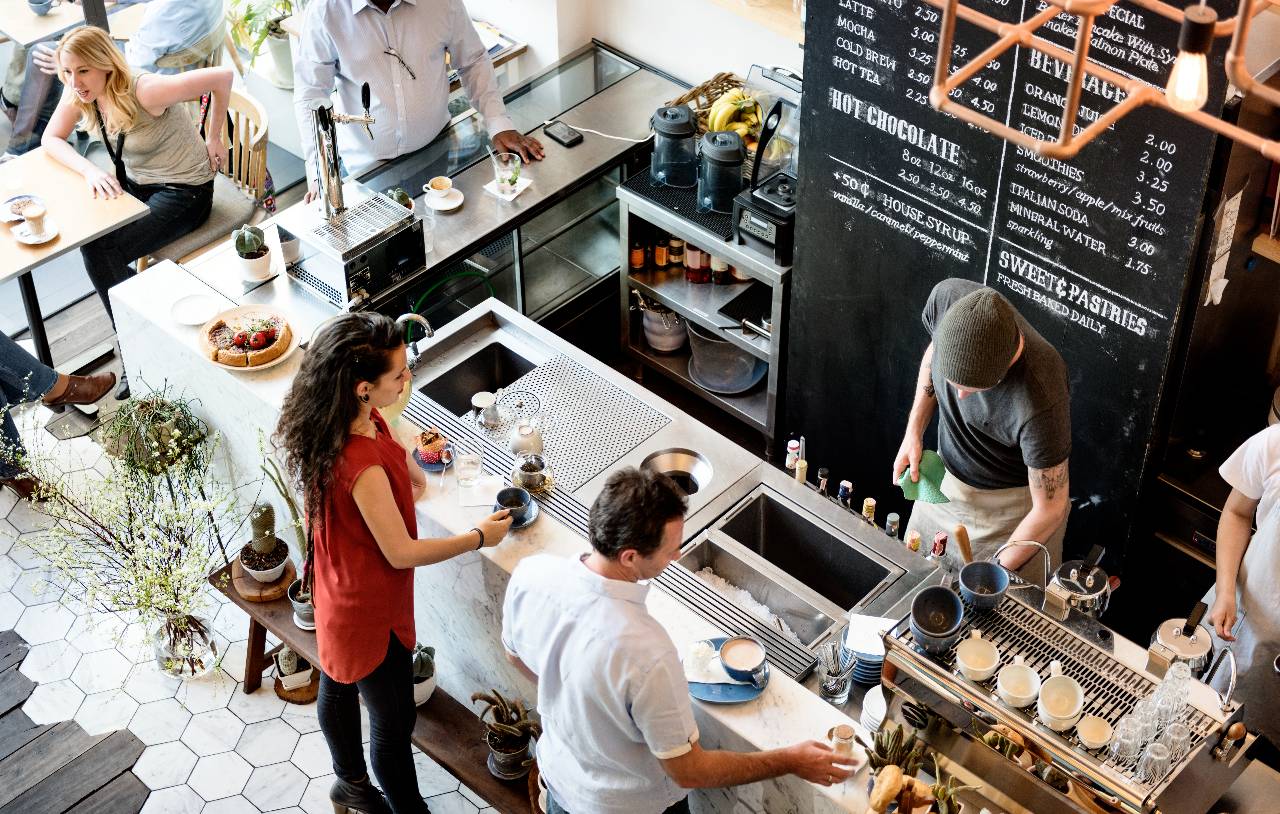
How Much Does It Cost to Open a Coffee Shop in 2026?
Opening a coffee shop in 2026 requires careful cost planning across rent, equipment, labor, technology, menu strategy, marketing, and sustainability.
operations
May 15, 2026
Opening a coffee shop in 2026 requires careful cost planning across rent, equipment, labor, technology, menu strategy, marketing, and sustainability.
May 15, 2026
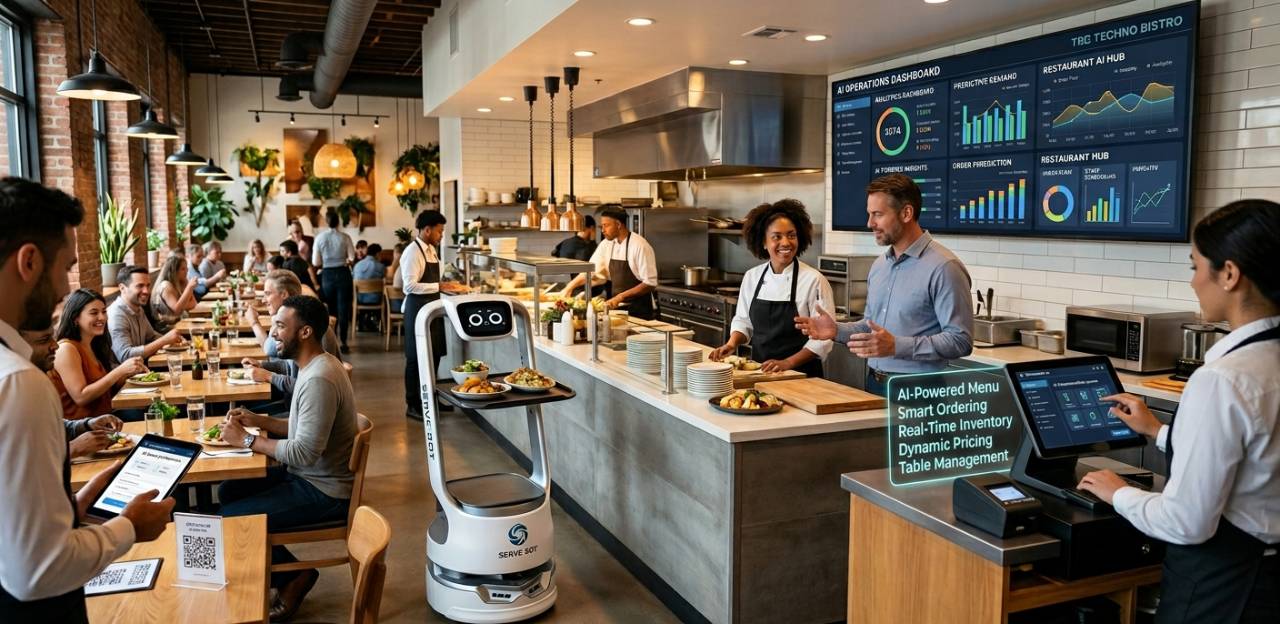
This AI playbook covers restaurant tools for voice ordering, staffing, compliance, menu pricing, inventory, marketing, ChatGPT prompts, and SEO.
May 15, 2026
Hardee’s giant Boddie-Noell inks 31-unit Scooter’s Coffee deal for NC and VA, leveraging drive-thru growth and local roots with rollout over 12–18 months.
May 15, 2026
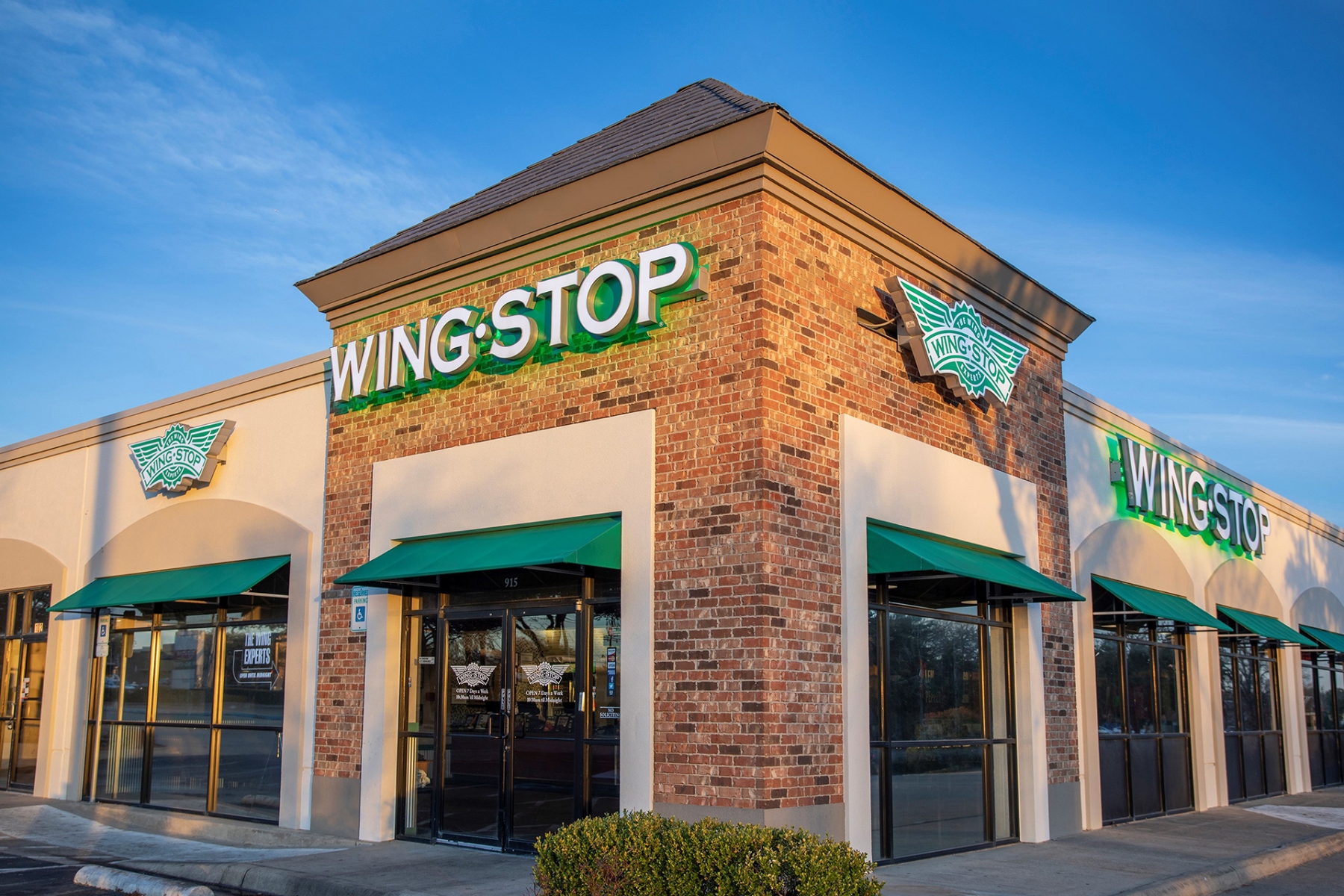
Wingstop turns match weeks into a multi-sensory festival, aligning bold pop-ups with World Cup energy to build brand affinity and measurable momentum.
May 15, 2026
The parent company behind Dunkin', Buffalo Wild Wings, and Arby's has filed for an IPO a move that could reshape how Wall Street views the restaurant sector.
May 15, 2026

Learn how to develop a memorable restaurant brand identity that stands out in a crowded market, attracts loyal customers, and drives repeat business with actionable strategies and affordable tools.
May 15, 2026
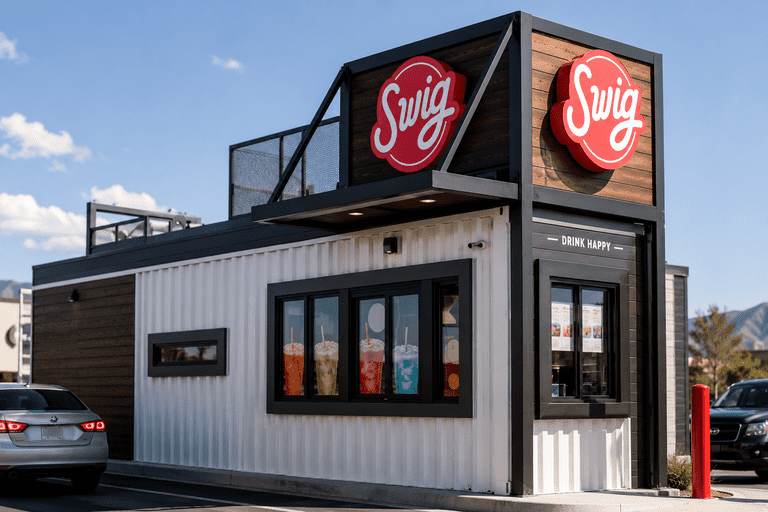
Dirty soda chain Swig is expanding into Colorado through a 10-unit franchise deal, riding a consumer beverage trend that's catching the attention of major QSR players nationwide.
May 15, 2026
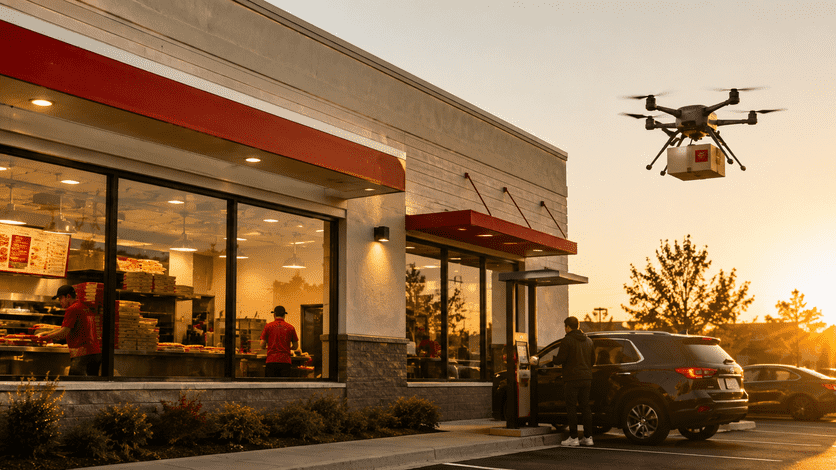
Papa Johns has teamed up with Alphabet's Wing for drone delivery of its new sandwich lineup in parts of Charlotte marking the first partnership of its kind between Wing and a national QSR brand.
May 15, 2026
A warm, expert-led look at McDonald’s Q1 results, menu makeover, and the refranchise question shaping its growth.
May 14, 2026
A reflective look at Habit Ranch, its immersive desert activation, and what it signals for brand loyalty and mindful, experiential dining.
May 14, 2026

Unlock Exclusive Access To Webinars, Events, And The Latest News For Free!
QSR's Best Brands to Work For highlights how restaurant brands attract and retain talent in a tight labor market.
Photo by Nick Fewings
This is the third year for QSR’s Best Brands to Work For program, and the energy around it shows a sector turning its attention from menu to people. In a labor climate shaped by shortages and high churn, restaurant brands in quick-service and fast-casual are doubling down on policies that put staff first. The program isn't just bragging rights—it's a blueprint for how teams recruit, train, and keep workers in a market where turnover hits the bottom line. The stakes are real, and the big question is which brand will set the standard this year: who will lead the way in people-first practice?
QSR’s Best Brands to Work For returns for its third consecutive year, and the frame is simple: celebrate companies that cultivate positive work environments and retain valuable talent. In the 2024 edition, 19 companies were highlighted as Best Brands to Work For. The focus isn’t vanity; it’s a playbook for how teams recruit, train, and sustain a strong workforce amid tight margins. The program also notes the journeys of 2023 and 2022 winners, with links readers can review to gauge progress. The question now is who will rise to the occasion and push the standard higher.
Across the broader labor landscape, the push makes sense. The restaurant sector still wrestles with recruiting and retention as costs rise and churn persists. The National Restaurant Association’s 2025 State of the Industry frame projects ongoing pressure from labor and cost headwinds, with the industry forecast to reach about 15.9 million hospitality jobs by year-end 2025 and to continue grappling with recruitment challenges. Across segments, turnover and quits have remained meaningful indicators of the health of the labor pool, reinforcing the case for employer-oriented programs that emphasize benefits, career development, and stable scheduling. Worker well-being translates into recruitment advantages and better retention, a dynamic that makes awards like QSR’s particularly consequential for brand reputation.
Beyond prestige, the program functions as a blueprint for action. Leadership teams audit and improve people-first policies, invest in training, clear scheduling, and recognition, because outcomes show up in the guest experience. In 2025, analyses highlight that strong worker well-being is linked to stronger recruitment velocity and retention. When teams feel supported—through benefits, advancement paths, and predictable hours—brands gain durable talent pipelines and steadier service. The awards conversation becomes a practical manual for operators trying to balance profitability with people-first priorities in a tight market.
In the competition’s setup, the door is open wide. The entry process recognizes participation from both corporate-run and franchise-operated concepts, inviting a broad spectrum of operators to showcase their workplace commitments. For 2025 the entry framework and timelines were outlined to encourage widespread participation and transparent evaluation across the field. The process culminates in recognition within QSR’s coverage, elevating featured brands in high-visibility contexts.
For brands seeking specifics on how to enter, the submission guidelines indicate an upcoming deadline and an intent to publish the winners in a forthcoming issue. The framework is designed to be inclusive, measurable, and comparable, signaling that strong workforce practices are something operators can benchmark against peers.
The program acts as a catalyst for leadership teams to audit, enhance, and invest in people-first policies. The 2025 wave highlights brands pursuing equity, recognition, and shared success through mechanisms such as educational assistance, equity options, and performance-based bonuses. These elements reflect a broader industry shift toward more robust employee value propositions as operators race to attract and retain talent in a competitive labor market. Observers note that employer quality is increasingly linked to brand strength, with employer awards serving as tangible signals to prospective recruits and current staff alike.
As labor pressures tighten, the spotlight on workplace practices aligns with a wider movement in foodservice to professionalize HR, expand benefits, and institute clearer paths for advancement. The Best Brands to Work For thus serve as a lighthouse—showing what good looks like and inviting others to follow.

Recognition through the Best Brands to Work For goes beyond a prestige badge; it translates into recruitment advantage, retention gains, and greater operational stability. In the 2024 cycle, winners were profiled in the November 2024 issue, a pattern that underscores the linkage between annual awards and timely industry storytelling. For the 2025 cycle, QSR’s coverage indicates that winners will again be featured in a November issue, reinforcing the cadence of yearly employer-recognition milestones. The awards illuminate practical outcomes for operators willing to invest in training, benefits, scheduling, and communication—areas consistently linked to improved workforce performance.
So what does this mean on the ground? Brands can translate prestige into measurable talent outcomes by planning around three anchors: stronger onboarding and development programs, clearer scheduling that respects staff time, and transparent communication that keeps teams aligned. In tight labor markets, that trio can turn awards into real results: lower turnover, steadier service, and a healthier bottom line.
The restaurant sector's growing obsession with employer branding sits in a bigger trend toward workplace excellence. Beyond QSR, mainstream employer rankings such as Fortune’s Best Companies to Work For have long shaped corporate reputation, and restaurant groups are pursuing similar validation to attract talent in a tight market. The credibility of these initiatives is reinforced by industry data showing ongoing concerns about labor and cost pressures, and the competitive advantage that strong people practices can deliver in recruiting and retention. This context helps explain why the Best Brands to Work For resonates across the sector and why brands are eager to participate and learn from peers that have demonstrated durable workforce strategies.
This moment isn’t about a trophy. It feeds a feedback loop where solid HR translates into better guest experiences, more reliable teams, and reputational momentum that draws talent even during normal cycles. The takeaway is simple: employer branding isn’t a buzzword—it’s a core driver of sustainability in busy restaurant operations.
Despite momentum, gaps remain. While the framework promises inclusivity and clear pathways to recognition, the exact lineup of 2025 winners and the long-term impact on each brand's performance require time to unfold. Industry observers acknowledge that data on workforce outcomes—such as turnover reductions and recruitment metrics—will crystallize only as employers publish results and workforce trends continue to evolve. The ongoing volatility of the labor market means brands may adjust benefits, scheduling, and development opportunities in response to both internal results and external conditions. As the industry navigates 2026, the Best Brands to Work For will likely remain a key barometer for balancing profitability with people-first strategies.
So what should operators take away? Treat the awards as a compass, not a finish line. Stay close to your teams, measure what matters, and keep investing in the three pillars that actually move the needle—training, scheduling, and clear communication.