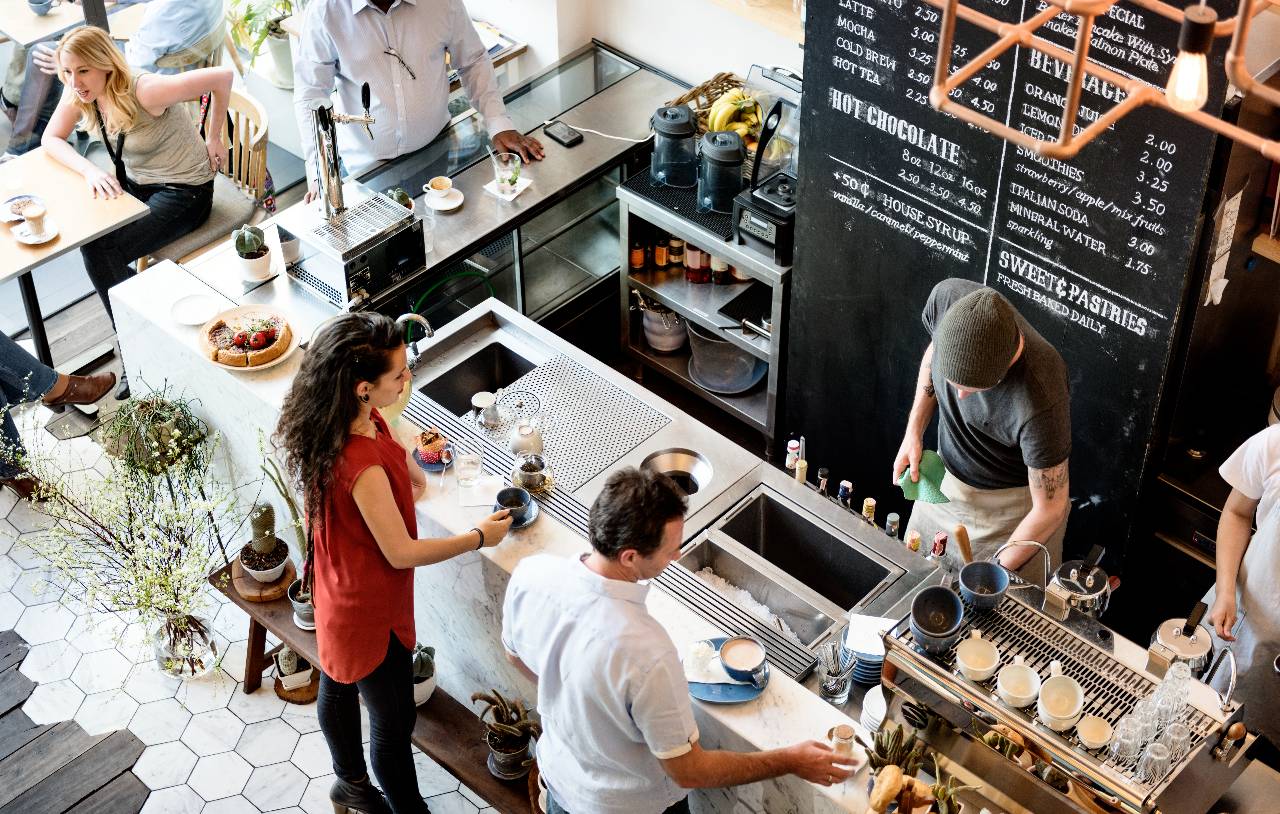
How Much Does It Cost to Open a Coffee Shop in 2026?
Opening a coffee shop in 2026 requires careful cost planning across rent, equipment, labor, technology, menu strategy, marketing, and sustainability.
operations
May 15, 2026
Opening a coffee shop in 2026 requires careful cost planning across rent, equipment, labor, technology, menu strategy, marketing, and sustainability.
May 15, 2026
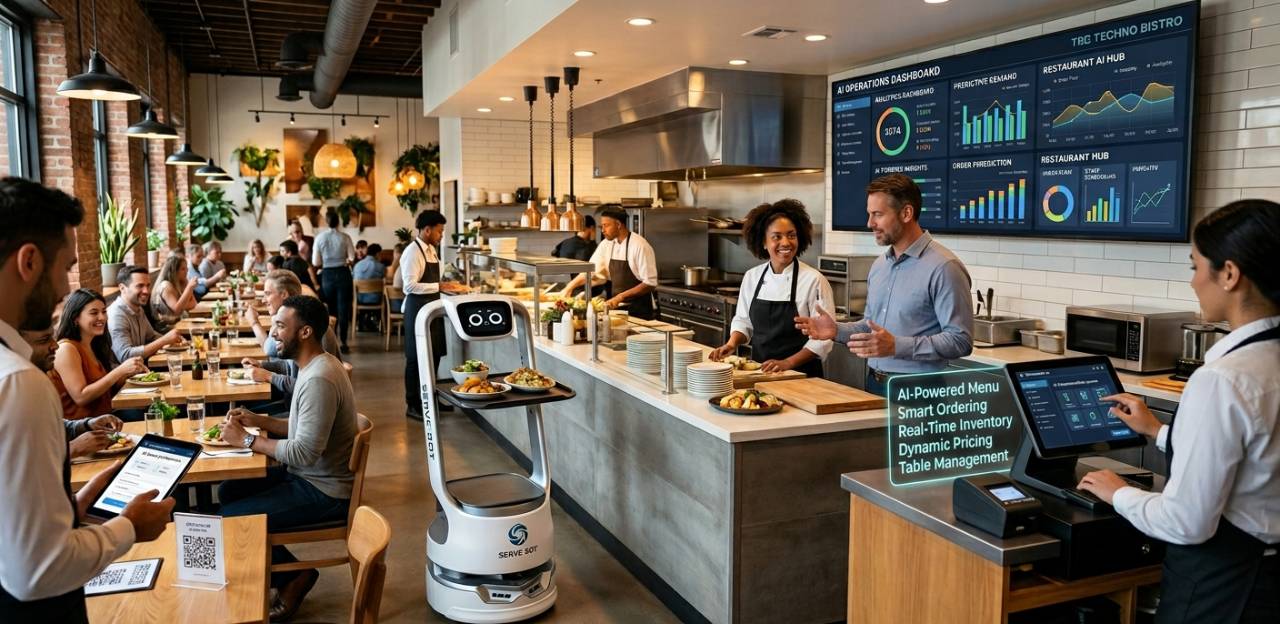
This AI playbook covers restaurant tools for voice ordering, staffing, compliance, menu pricing, inventory, marketing, ChatGPT prompts, and SEO.
May 15, 2026
Hardee’s giant Boddie-Noell inks 31-unit Scooter’s Coffee deal for NC and VA, leveraging drive-thru growth and local roots with rollout over 12–18 months.
May 15, 2026
Wingstop turns match weeks into a multi-sensory festival, aligning bold pop-ups with World Cup energy to build brand affinity and measurable momentum.
May 15, 2026
The parent company behind Dunkin', Buffalo Wild Wings, and Arby's has filed for an IPO a move that could reshape how Wall Street views the restaurant sector.
May 15, 2026
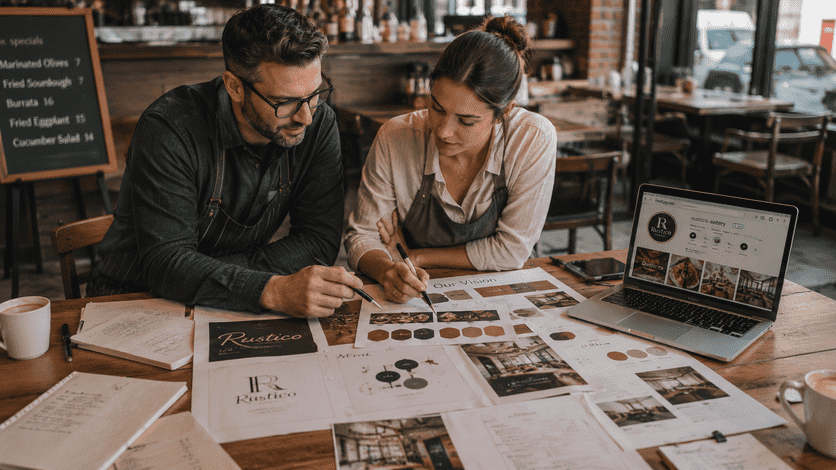
Learn how to develop a memorable restaurant brand identity that stands out in a crowded market, attracts loyal customers, and drives repeat business with actionable strategies and affordable tools.
May 15, 2026
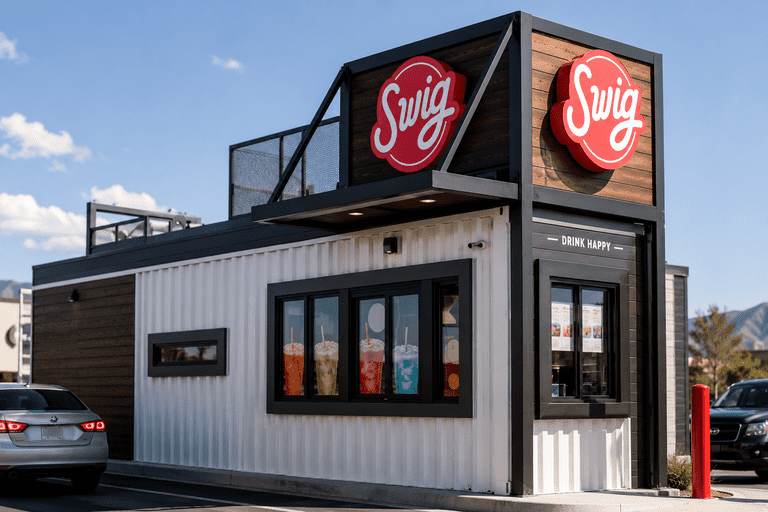
Dirty soda chain Swig is expanding into Colorado through a 10-unit franchise deal, riding a consumer beverage trend that's catching the attention of major QSR players nationwide.
May 15, 2026
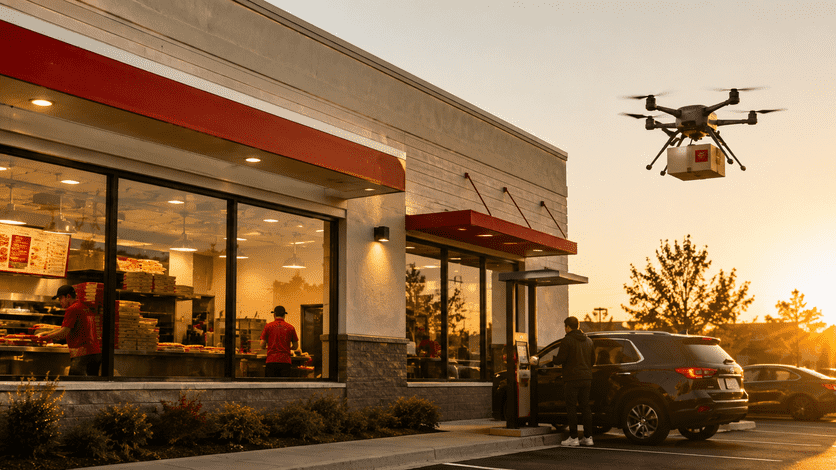
Papa Johns has teamed up with Alphabet's Wing for drone delivery of its new sandwich lineup in parts of Charlotte marking the first partnership of its kind between Wing and a national QSR brand.
May 15, 2026
A warm, expert-led look at McDonald’s Q1 results, menu makeover, and the refranchise question shaping its growth.
May 14, 2026
A reflective look at Habit Ranch, its immersive desert activation, and what it signals for brand loyalty and mindful, experiential dining.
May 14, 2026

Unlock Exclusive Access To Webinars, Events, And The Latest News For Free!
NRN and Ipsos unveil a first industry benchmark to measure digital order-ahead across QSRs, revealing where mobile ordering shines and where it stalls.
Photo by
NRN and Ipsos are betting big on numbers to guide digital ordering. They’ve launched the QSR/Fast Casual Digital Ordering Performance Study, a practical, data-driven push they call Game Changers. The goal is to quantify how the nation’s largest limited-service chains enable order-ahead across off-premises channels—from mobile ordering to pickup. This isn’t a one-off snapshot; it’s a working benchmark meant to spotlight where the experience succeeds and where it stalls. With publication planned for the fall, the study promises a common standard for brands, operators, and tech partners aiming to raise the guest experience. The Coca-Cola Company is also a partner in the effort, underscoring the breadth of interest.
26 brands across limited-service concepts are in scope, with 1,752 QSR app users aged 18–75 contributing data. The brands are grouped into burgers and chicken, coffee, and other categories, so analysts can see where order-ahead wins loyalty and where it doesn’t. The study is designed to illuminate what would make a user order again and how convenience and app features drive repeat visits. The Coca-Cola Company is a partner, underscoring the breadth of interest in digital ordering optimization.
How will performance be measured? The study analyzes digital order-ahead across 26 limited-service brands, drawing from shopper data collected from 1,752 QSR app users aged 18–75 who used the feature. The brands are categorized into burgers and chicken, coffee, and other, to reveal where loyalty grows. Ipsos relies on intermodal research techniques and a structured dataset designed to yield practical insights for operators seeking to optimize fulfillment, speed, and accuracy in order-ahead.
What drives loyalty isn’t just a clean checkout. The study aims to show what would make a user order again, how app features and convenience influence repeat orders, and where brands win with a better pickup or payment flow. A key takeaway: the work isn’t only a brand comparison—it’s a map of the off-premises experience, highlighting the levers that push guests toward loyalty.
"The experience needs to help save you time or skip the line, and you also need to be able to customize your order almost as effectively as if you were ordering in person," said Brad Christian, head of strategic growth for Ipsos US channel performance. He adds, "If you can’t hold the pickles on the mobile app, then it damages the whole value of mobile ordering. These are table stakes." The field notes also point to generational variation in adoption, a real-world signal the study treats seriously.
"I do think this is somewhat generational. In spite of all generations included in our study indicating that they have used or plan to use mobile apps to order, adoption is highest in the 18–24 group and lower in the 55–75 group." The message is clear: even with a push for speed, guests value a personal touch for order accuracy, and brands must balance personalization with simple, reliable checkout.