AI Playbook for Restaurant Owners
This AI playbook covers restaurant tools for voice ordering, staffing, compliance, menu pricing, inventory, marketing, ChatGPT prompts, and SEO.
tech
May 15, 2026
This AI playbook covers restaurant tools for voice ordering, staffing, compliance, menu pricing, inventory, marketing, ChatGPT prompts, and SEO.
May 15, 2026

Opening a coffee shop in 2026 requires careful cost planning across rent, equipment, labor, technology, menu strategy, marketing, and sustainability.
May 15, 2026

Hardee’s giant Boddie-Noell inks 31-unit Scooter’s Coffee deal for NC and VA, leveraging drive-thru growth and local roots with rollout over 12–18 months.
May 15, 2026

Wingstop turns match weeks into a multi-sensory festival, aligning bold pop-ups with World Cup energy to build brand affinity and measurable momentum.
May 15, 2026

Learn how to develop a memorable restaurant brand identity that stands out in a crowded market, attracts loyal customers, and drives repeat business with actionable strategies and affordable tools.
May 15, 2026

The parent company behind Dunkin', Buffalo Wild Wings, and Arby's has filed for an IPO a move that could reshape how Wall Street views the restaurant sector.
May 15, 2026

Papa Johns has teamed up with Alphabet's Wing for drone delivery of its new sandwich lineup in parts of Charlotte marking the first partnership of its kind between Wing and a national QSR brand.
May 15, 2026

Dirty soda chain Swig is expanding into Colorado through a 10-unit franchise deal, riding a consumer beverage trend that's catching the attention of major QSR players nationwide.
May 15, 2026

A warm, expert-led look at McDonald’s Q1 results, menu makeover, and the refranchise question shaping its growth.
May 14, 2026

A reflective look at Habit Ranch, its immersive desert activation, and what it signals for brand loyalty and mindful, experiential dining.
May 14, 2026

Unlock Exclusive Access To Webinars, Events, And The Latest News For Free!
Explore the recent cooling in the restaurant labor market and its impact on wage growth, employment trends, and labor turnover. Understand the dynamics shaping the industry.

Photo by rivage
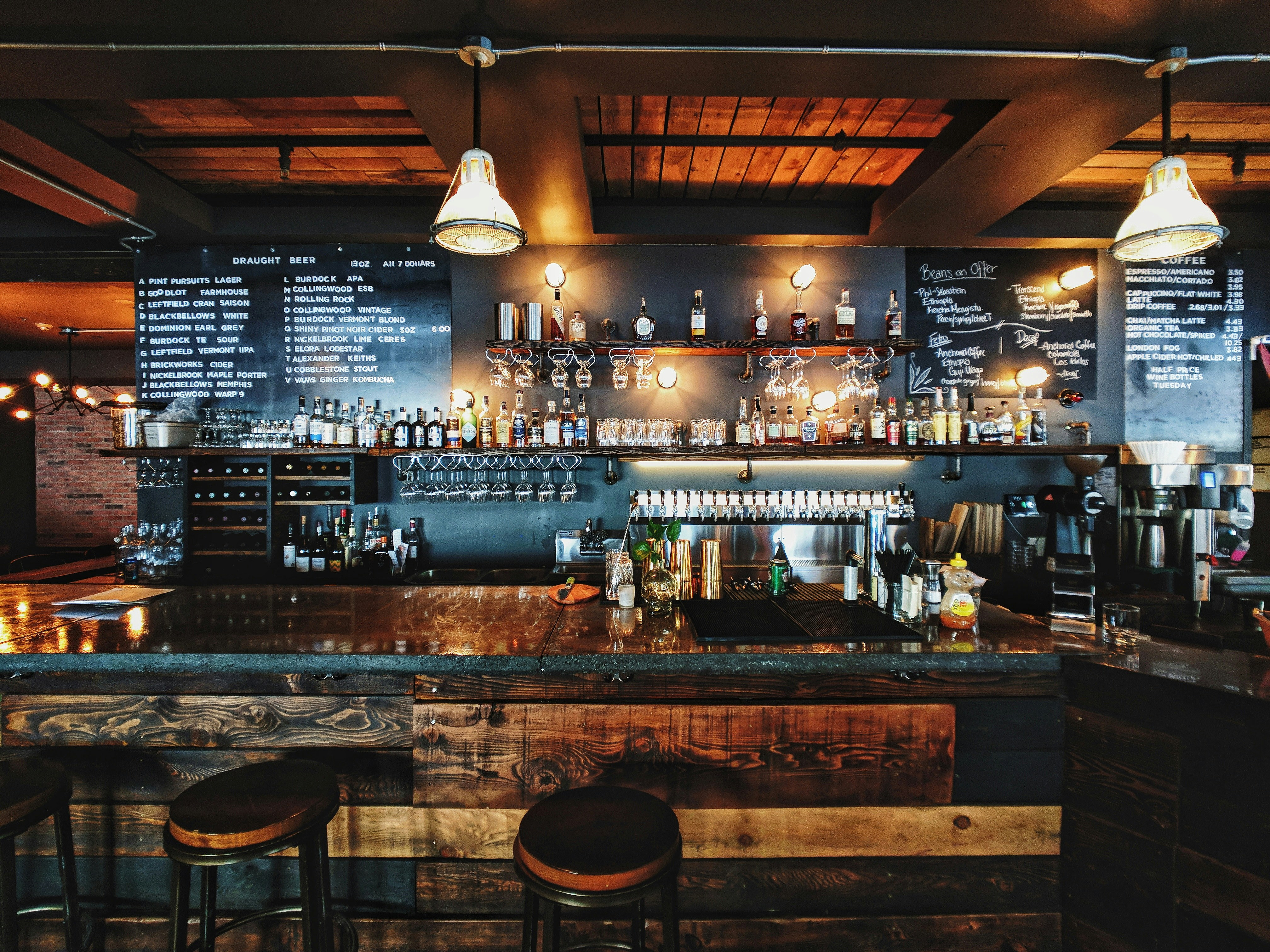
Photo by rivage
The restaurant labor market has experienced a notable cooling trend, characterized by a moderation in wage growth and a gradual loosening of employment conditions. The initial surge in wage growth, particularly between 2019 and 2022, outpaced inflation and provided low-wage workers with increased bargaining power. However, recent data indicates a deceleration in nominal wage growth, signaling a shift in the market dynamics. This adjustment aligns with a return to pre-pandemic norms, where the labor market is stabilizing and moving towards a more balanced state.

Photo by rivage
The restaurant sector witnessed a significant rise in average wages, with even the lowest percentiles earning well above the minimum wage threshold. While nominal wages have shown a marked increase, it is crucial to consider the impact of inflation on real wage growth. Despite the nominal wage growth, inflation-adjusted wages have only seen a modest improvement, highlighting the ongoing struggles of low-wage workers in making meaningful economic gains.
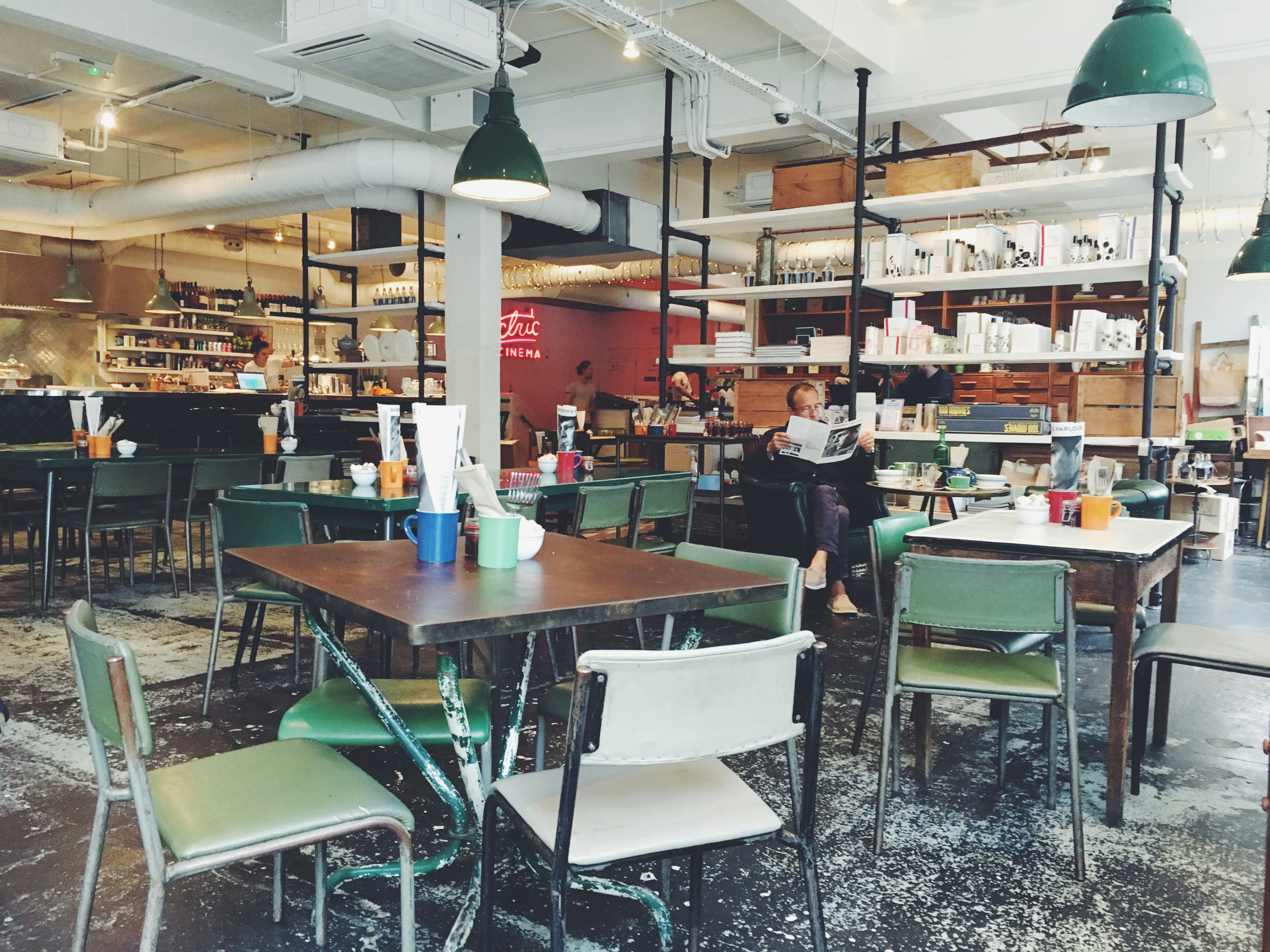
Photo by rivage
Employment levels in the restaurant industry have stabilized around pre-pandemic numbers, indicating a potential shift towards full employment. However, the data also reveals a decrease in labor turnover, quits, and total separations, suggestive of a changing landscape where employers are gaining more control. Job openings continue to outpace hiring, emphasizing the ongoing challenge of retention in the industry. These trends reflect a nuanced rebalancing of power dynamics between workers and employers.

Photo by rivage
The current labor market conditions have significant implications for both restaurant workers and businesses. While the recent cooling may indicate a loss of bargaining power for workers, it also offers stability and predictability for employers. For workers, the slowdown in job turnover as a means to secure wage increases highlights the importance of addressing systemic wage disparities and creating sustainable income opportunities within the industry. Employers, on the other hand, face the challenge of retaining talent in an increasingly competitive environment.