
How Much Does It Cost to Open a Coffee Shop in 2026?
Opening a coffee shop in 2026 requires careful cost planning across rent, equipment, labor, technology, menu strategy, marketing, and sustainability.
operations
May 15, 2026
Opening a coffee shop in 2026 requires careful cost planning across rent, equipment, labor, technology, menu strategy, marketing, and sustainability.
May 15, 2026
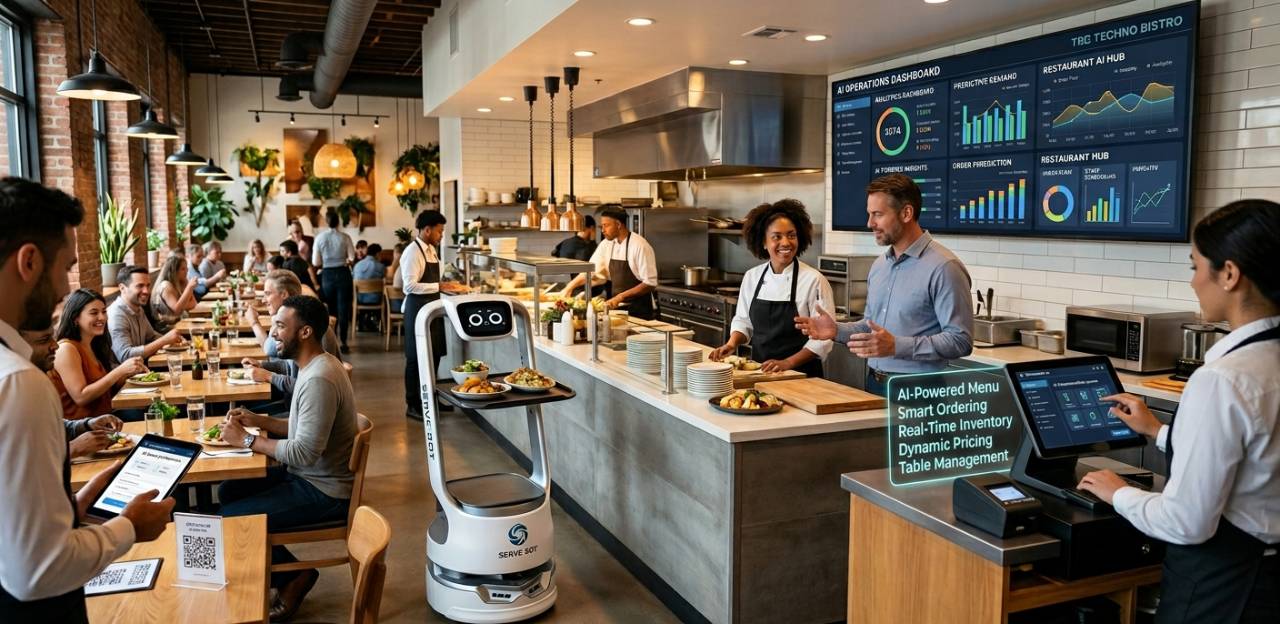
This AI playbook covers restaurant tools for voice ordering, staffing, compliance, menu pricing, inventory, marketing, ChatGPT prompts, and SEO.
May 15, 2026

Hardee’s giant Boddie-Noell inks 31-unit Scooter’s Coffee deal for NC and VA, leveraging drive-thru growth and local roots with rollout over 12–18 months.
May 15, 2026
Wingstop turns match weeks into a multi-sensory festival, aligning bold pop-ups with World Cup energy to build brand affinity and measurable momentum.
May 15, 2026
The parent company behind Dunkin', Buffalo Wild Wings, and Arby's has filed for an IPO a move that could reshape how Wall Street views the restaurant sector.
May 15, 2026

Learn how to develop a memorable restaurant brand identity that stands out in a crowded market, attracts loyal customers, and drives repeat business with actionable strategies and affordable tools.
May 15, 2026
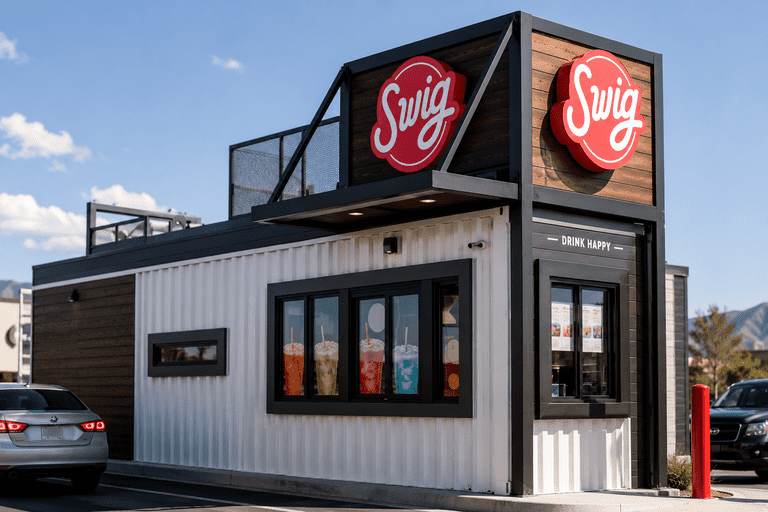
Dirty soda chain Swig is expanding into Colorado through a 10-unit franchise deal, riding a consumer beverage trend that's catching the attention of major QSR players nationwide.
May 15, 2026
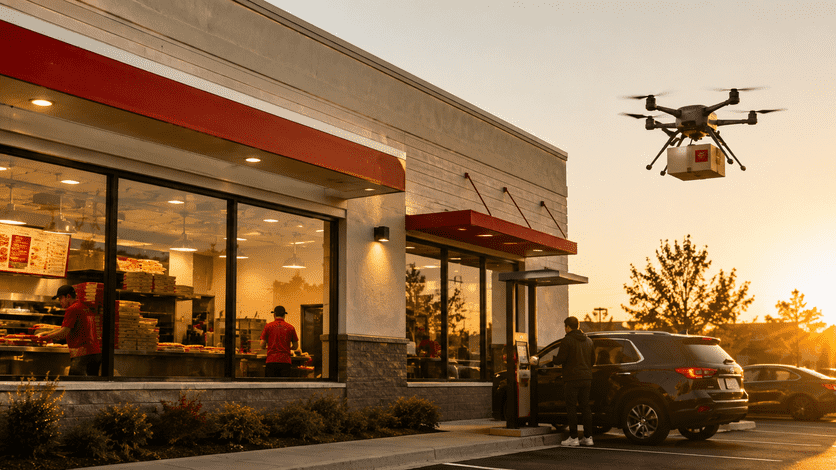
Papa Johns has teamed up with Alphabet's Wing for drone delivery of its new sandwich lineup in parts of Charlotte marking the first partnership of its kind between Wing and a national QSR brand.
May 15, 2026

A warm, expert-led look at McDonald’s Q1 results, menu makeover, and the refranchise question shaping its growth.
May 14, 2026

A reflective look at Habit Ranch, its immersive desert activation, and what it signals for brand loyalty and mindful, experiential dining.
May 14, 2026

Unlock Exclusive Access To Webinars, Events, And The Latest News For Free!
Explore the implications of recent tax code changes on restaurant operations, focusing on service charges, gratuity-based income, and potential effects on minimum wage and economic growth.

Photo by Alexander London
The differentiation between service charges and tips has been a contentious issue in the restaurant industry. While tips are generally considered voluntary payments made by customers to service staff, service charges are often automatically added to the bill by the establishment. Recent tax code changes have brought this demarcation into focus, with debates arising on the fairness of excluding service charges from certain tax exemptions.
Erika Polmar's assertion regarding the impact of not counting service charges on line cooks, dishwashers, porters, and prep staff sheds light on the potential disparities created by the new tax provisions. In many cases, these behind-the-scenes workers are vital to the functioning of independent restaurants, yet they may not receive the same tax relief as front-of-house staff who rely heavily on tips for income.
The warning issued by the IRC about employers incentivizing tip prompting and worker reclassification to evade minimum wage requirements underscores the complexity of the new tax laws. By potentially shifting the burden of compensation onto customer gratuities, there is a fear that some workers may face reduced wages or altered employment classifications.
The broader economic impact of the tax code modifications cannot be ignored. With the enforcement expansion and potential rise in deportations of undocumented workers, industries like restaurants could witness a significant disruption in their workforce. This shift might not only affect operational efficiency but could also have repercussions on economic growth, as highlighted by the Economic Policy Institute.
The ongoing legislative process in the House of Representatives offers a window for potential revisions that could address some of the concerns raised by industry stakeholders. Restaurant operators may need to strategize and adapt to mitigate the possible adverse effects of the tax code changes. This could involve reevaluating business models, employee compensation structures, and compliance mechanisms to navigate the evolving regulatory landscape.