How Much Does It Cost to Open a Coffee Shop in 2026?
Opening a coffee shop in 2026 requires careful cost planning across rent, equipment, labor, technology, menu strategy, marketing, and sustainability.
operations
May 15, 2026
Opening a coffee shop in 2026 requires careful cost planning across rent, equipment, labor, technology, menu strategy, marketing, and sustainability.
May 15, 2026

This AI playbook covers restaurant tools for voice ordering, staffing, compliance, menu pricing, inventory, marketing, ChatGPT prompts, and SEO.
May 15, 2026

Hardee’s giant Boddie-Noell inks 31-unit Scooter’s Coffee deal for NC and VA, leveraging drive-thru growth and local roots with rollout over 12–18 months.
May 15, 2026

Wingstop turns match weeks into a multi-sensory festival, aligning bold pop-ups with World Cup energy to build brand affinity and measurable momentum.
May 15, 2026

The parent company behind Dunkin', Buffalo Wild Wings, and Arby's has filed for an IPO a move that could reshape how Wall Street views the restaurant sector.
May 15, 2026

Learn how to develop a memorable restaurant brand identity that stands out in a crowded market, attracts loyal customers, and drives repeat business with actionable strategies and affordable tools.
May 15, 2026

Dirty soda chain Swig is expanding into Colorado through a 10-unit franchise deal, riding a consumer beverage trend that's catching the attention of major QSR players nationwide.
May 15, 2026

Papa Johns has teamed up with Alphabet's Wing for drone delivery of its new sandwich lineup in parts of Charlotte marking the first partnership of its kind between Wing and a national QSR brand.
May 15, 2026

A warm, expert-led look at McDonald’s Q1 results, menu makeover, and the refranchise question shaping its growth.
May 14, 2026

A reflective look at Habit Ranch, its immersive desert activation, and what it signals for brand loyalty and mindful, experiential dining.
May 14, 2026

Unlock Exclusive Access To Webinars, Events, And The Latest News For Free!
Explore how Starbucks is prioritizing cost reduction, brand renovation, menu innovation, and addressing employee benefits to enhance its operations.
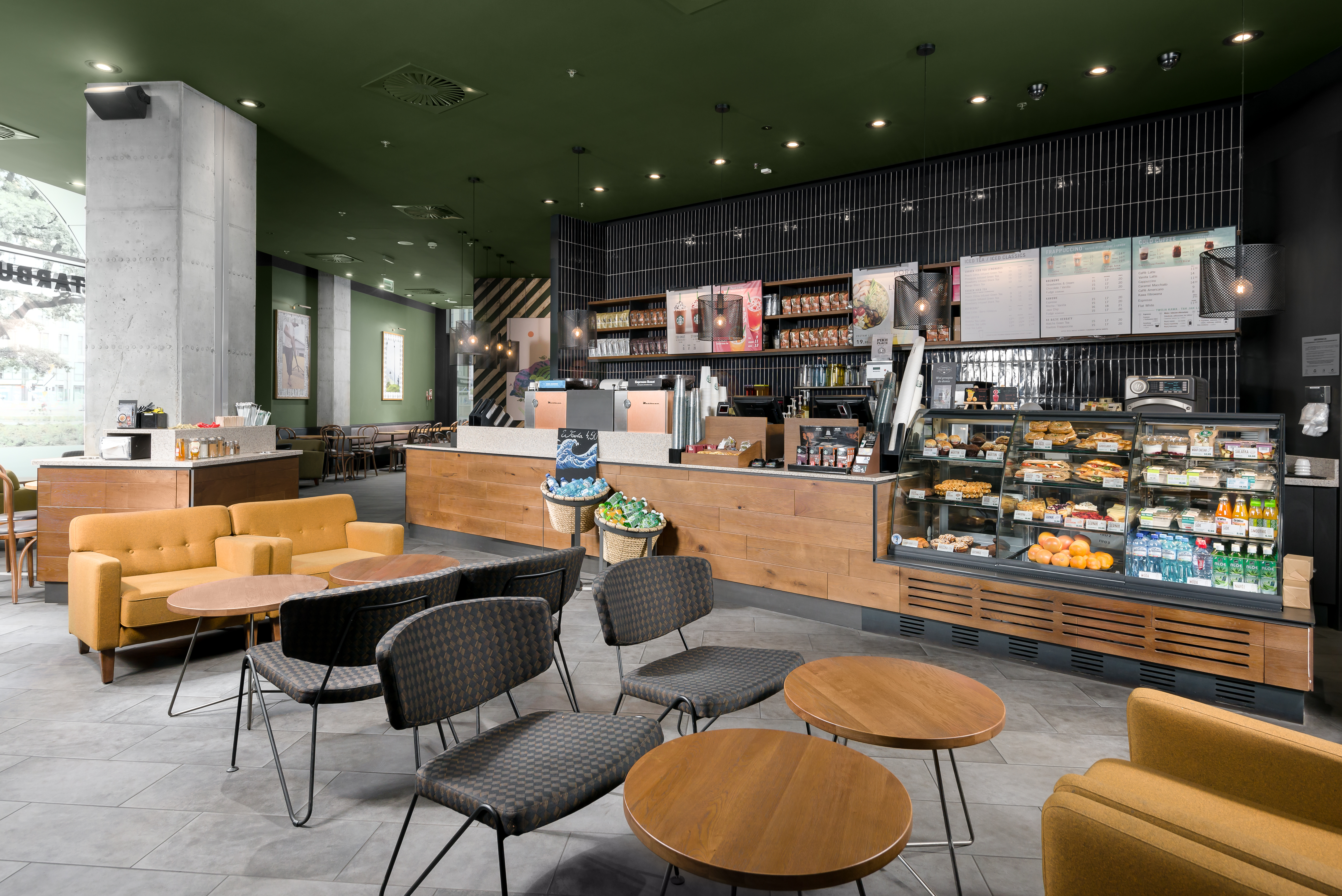
Starbucks, under the leadership of CEO Brian Niccol, has set its sights on significant operational shifts in the coming years, with cost reduction emerging as a top priority. Niccol's emphasis on reducing costs reflects the company's strategic goal to enhance operational efficiency and financial performance. The recent stock awards and Niccol's statements indicate a clear focus on streamlining operations to drive profitability.

In line with its strategy to refocus on the shopfloor experience, Starbucks is undergoing a brand renovation led by Niccol. The Green Apron Service model introduced by Starbucks integrates new service standards, partner plays, and deployment changes to enhance customer experience. This refurbishment effort aims to align with Starbucks' transition towards a coffeehouse-focused approach, emphasizing customer engagement and satisfaction.
As part of its brand overhaul, Starbucks is revamping its menu to attract consumers with new offerings and experiences. The company's move to trim menu items while introducing innovative coffee-forward beverages like the Cortado platform showcases a deliberate shift towards a more curated and engaging menu. By catering to evolving consumer preferences, Starbucks aims to strengthen its market position and drive foot traffic to its stores.
The recent discussions around Starbucks Workers United and employee bonuses bring to light the importance of employee welfare in the company's operations. While the bonuses raised concerns among some, Starbucks emphasizes its commitment to providing competitive benefits to its workforce. By ensuring that hourly workers receive a comprehensive benefits package equivalent to more than $30 per hour for over 20 hours of work per week, Starbucks aims to foster a positive work environment and enhance employee satisfaction.
Despite its efforts to improve employee benefits, Starbucks faces scrutiny over income inequalities within its workforce, with the median employee earning below the federal poverty line for an individual. This disparity underscores the ongoing challenges companies like Starbucks encounter in balancing profitability with equitable compensation. As Starbucks navigates these complexities, addressing income inequalities is likely to be a key area of focus to ensure sustainable growth and employee well-being.