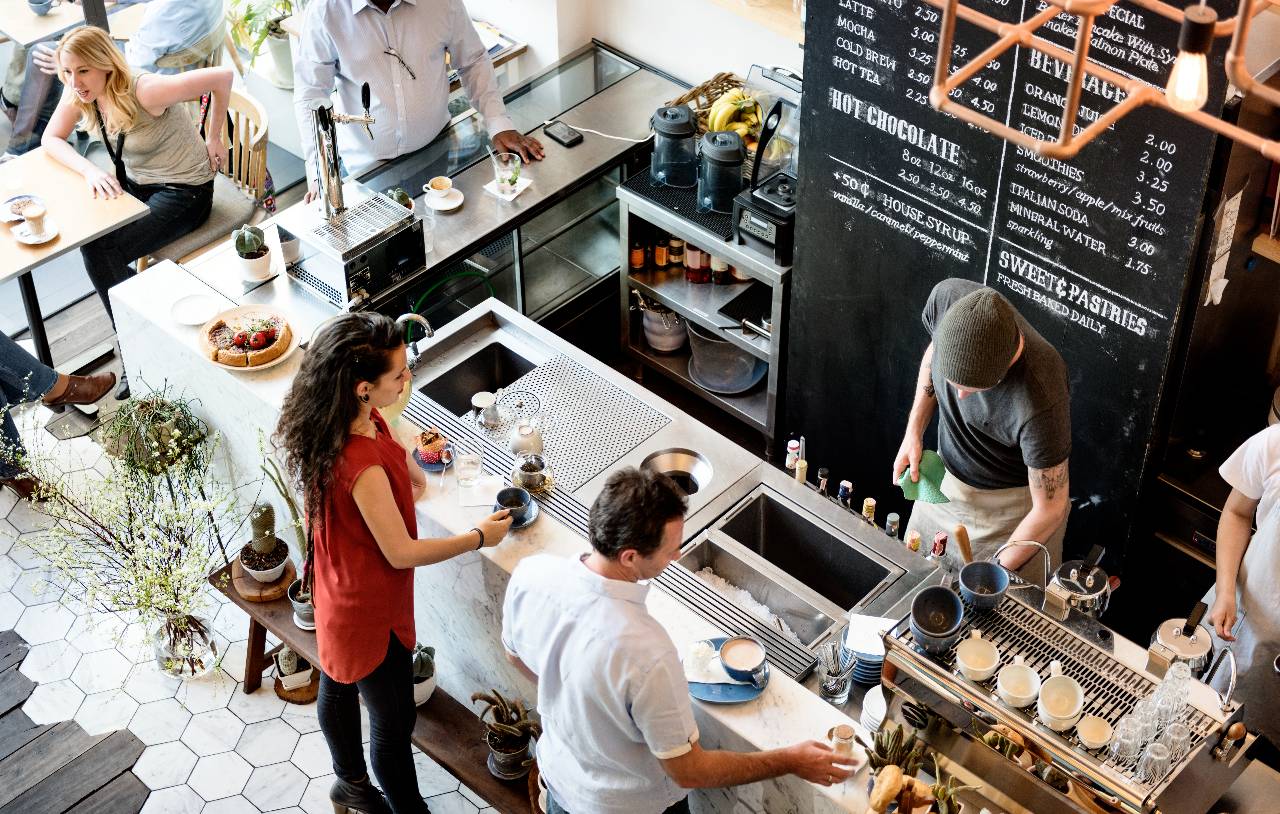
How Much Does It Cost to Open a Coffee Shop in 2026?
Opening a coffee shop in 2026 requires careful cost planning across rent, equipment, labor, technology, menu strategy, marketing, and sustainability.
operations
May 15, 2026
Opening a coffee shop in 2026 requires careful cost planning across rent, equipment, labor, technology, menu strategy, marketing, and sustainability.
May 15, 2026
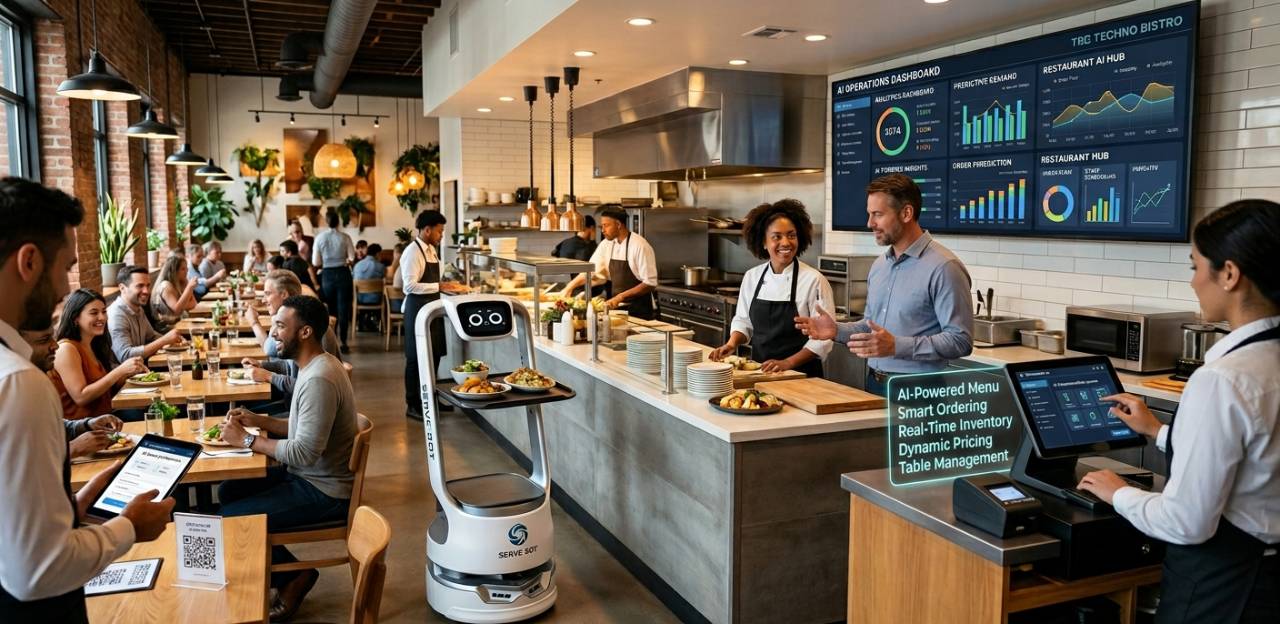
This AI playbook covers restaurant tools for voice ordering, staffing, compliance, menu pricing, inventory, marketing, ChatGPT prompts, and SEO.
May 15, 2026
Hardee’s giant Boddie-Noell inks 31-unit Scooter’s Coffee deal for NC and VA, leveraging drive-thru growth and local roots with rollout over 12–18 months.
May 15, 2026
Wingstop turns match weeks into a multi-sensory festival, aligning bold pop-ups with World Cup energy to build brand affinity and measurable momentum.
May 15, 2026
The parent company behind Dunkin', Buffalo Wild Wings, and Arby's has filed for an IPO a move that could reshape how Wall Street views the restaurant sector.
May 15, 2026
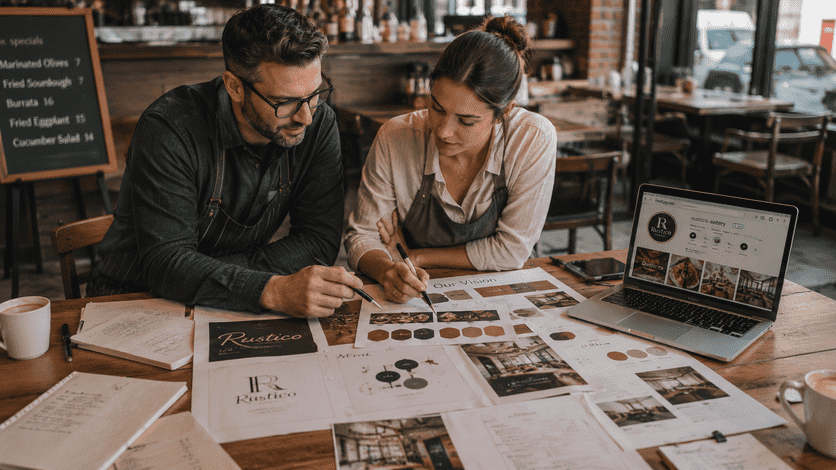
Learn how to develop a memorable restaurant brand identity that stands out in a crowded market, attracts loyal customers, and drives repeat business with actionable strategies and affordable tools.
May 15, 2026
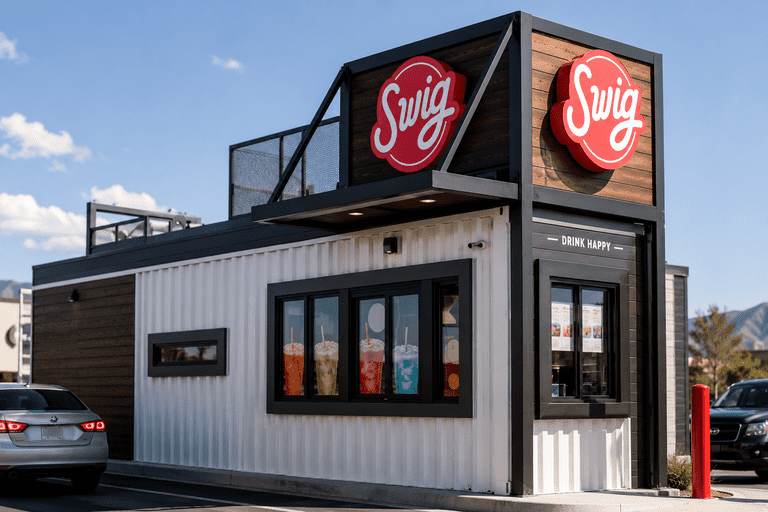
Dirty soda chain Swig is expanding into Colorado through a 10-unit franchise deal, riding a consumer beverage trend that's catching the attention of major QSR players nationwide.
May 15, 2026
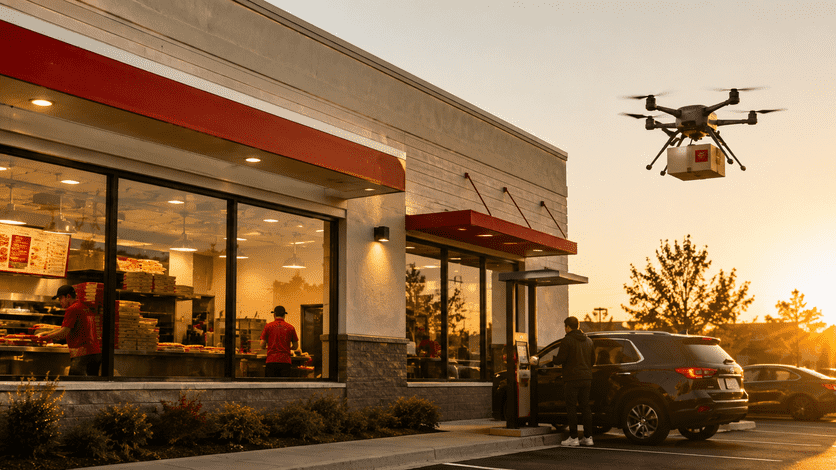
Papa Johns has teamed up with Alphabet's Wing for drone delivery of its new sandwich lineup in parts of Charlotte marking the first partnership of its kind between Wing and a national QSR brand.
May 15, 2026
A warm, expert-led look at McDonald’s Q1 results, menu makeover, and the refranchise question shaping its growth.
May 14, 2026
A reflective look at Habit Ranch, its immersive desert activation, and what it signals for brand loyalty and mindful, experiential dining.
May 14, 2026

Unlock Exclusive Access To Webinars, Events, And The Latest News For Free!
Discover how changes in consumer behavior are reshaping the coffee industry's competitive dynamics and driving shifts in coffee shop strategies.
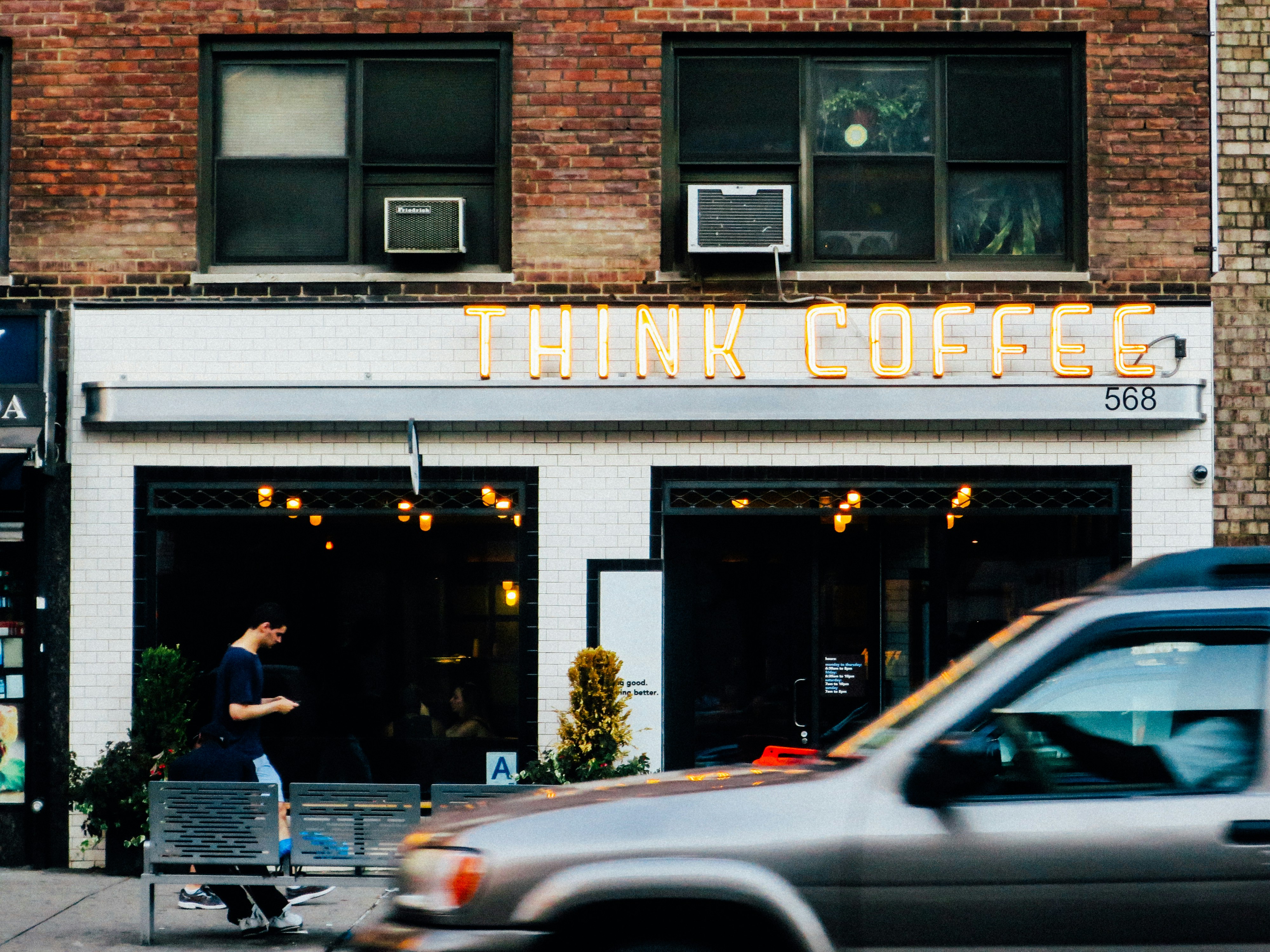
Photo by Patrick Tomasso
Consumer behavior at coffee shops has witnessed notable shifts, especially in terms of the duration of visits. Data from Placer.ai indicates that visits lasting longer than 10 minutes have increased by 13.4% at small coffee chains, while experiencing a decline of 8.9% at major chains like Dunkin and Starbucks. This trend signifies a preference for a more leisurely and relaxed coffee experience.
Smaller coffee shops are emerging as destinations for consumers seeking a personalized and laid-back coffee ambiance. With a focus on providing a unique and intimate experience, these smaller and medium-sized chains are gaining traction as preferred 'third places' for coffee enthusiasts. This trend has prompted larger chains like Starbucks to reconsider their strategies and prioritize enhancing the in-store experience to compete effectively.
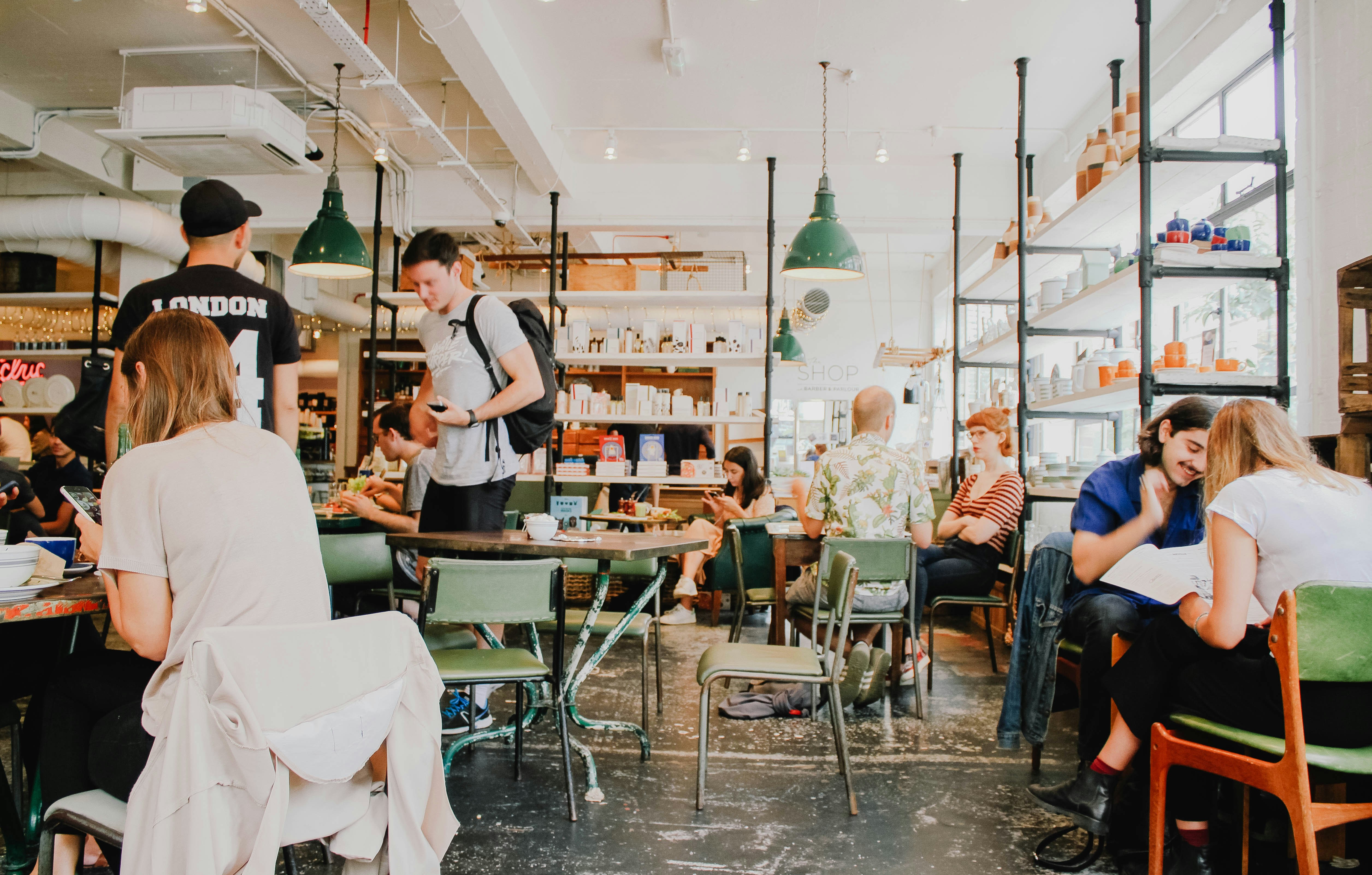
Photo by Patrick Tomasso
The changing landscape of consumer behavior has prompted coffee chains to adapt their competitive strategies. While larger brands like Dunkin and Starbucks have traditionally emphasized speed and efficiency, the trend towards experiential coffee occasions has led to a reevaluation of priorities. To maintain relevance and market share, these chains are reorienting towards offering more personalized and engaging in-store experiences.
The slowdown in coffee traffic growth towards the end of 2024 raises questions about potential saturation in consumer demand. Additionally, external factors such as potential tariff increases on coffee could further intensify competition within the industry. This scenario challenges coffee chains to differentiate themselves by delivering value beyond just the product, with smaller establishments capitalizing on personalized experiences to attract discerning consumers.
The uncertain landscape of the coffee sector poses both challenges and opportunities for coffee chains. While larger medium-sized brands like Dutch Bros. and Caribou maintain their advantages in pricing and scale, the increasing preference for experiential coffee moments offered by smaller cafes suggests a potential shift in consumer perception of value. This evolving dynamic underscores the importance of adapting to changing consumer preferences and diversifying offerings.