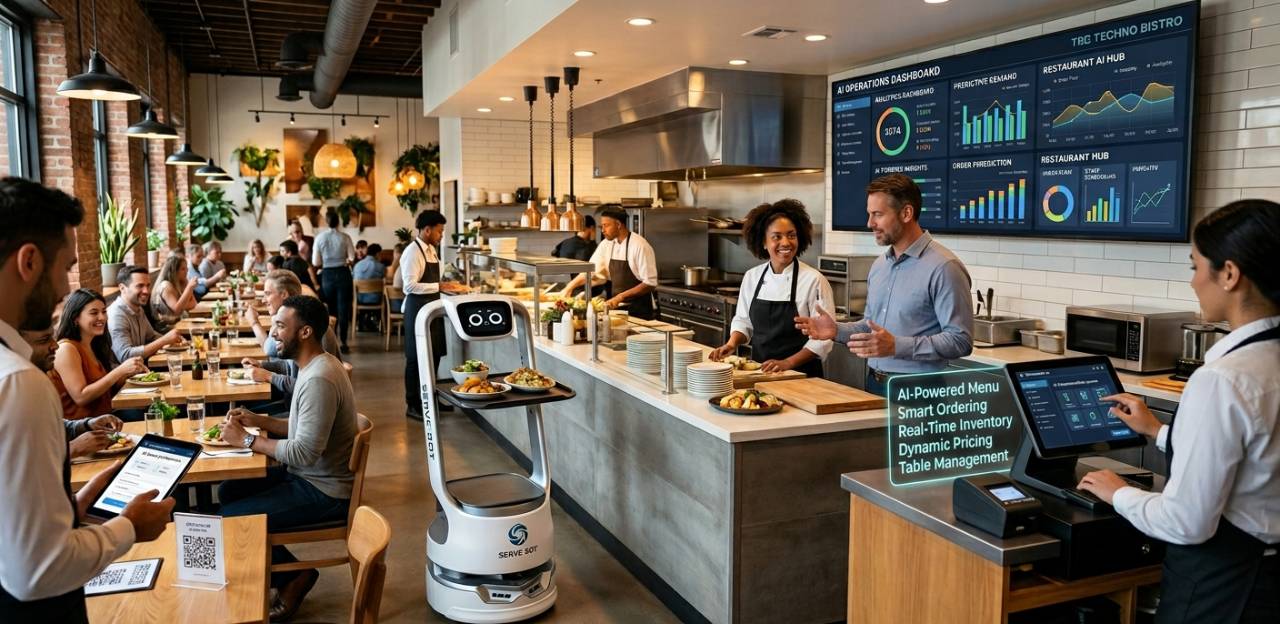
AI Playbook for Restaurant Owners
This AI playbook covers restaurant tools for voice ordering, staffing, compliance, menu pricing, inventory, marketing, ChatGPT prompts, and SEO.
tech
May 15, 2026
This AI playbook covers restaurant tools for voice ordering, staffing, compliance, menu pricing, inventory, marketing, ChatGPT prompts, and SEO.
May 15, 2026
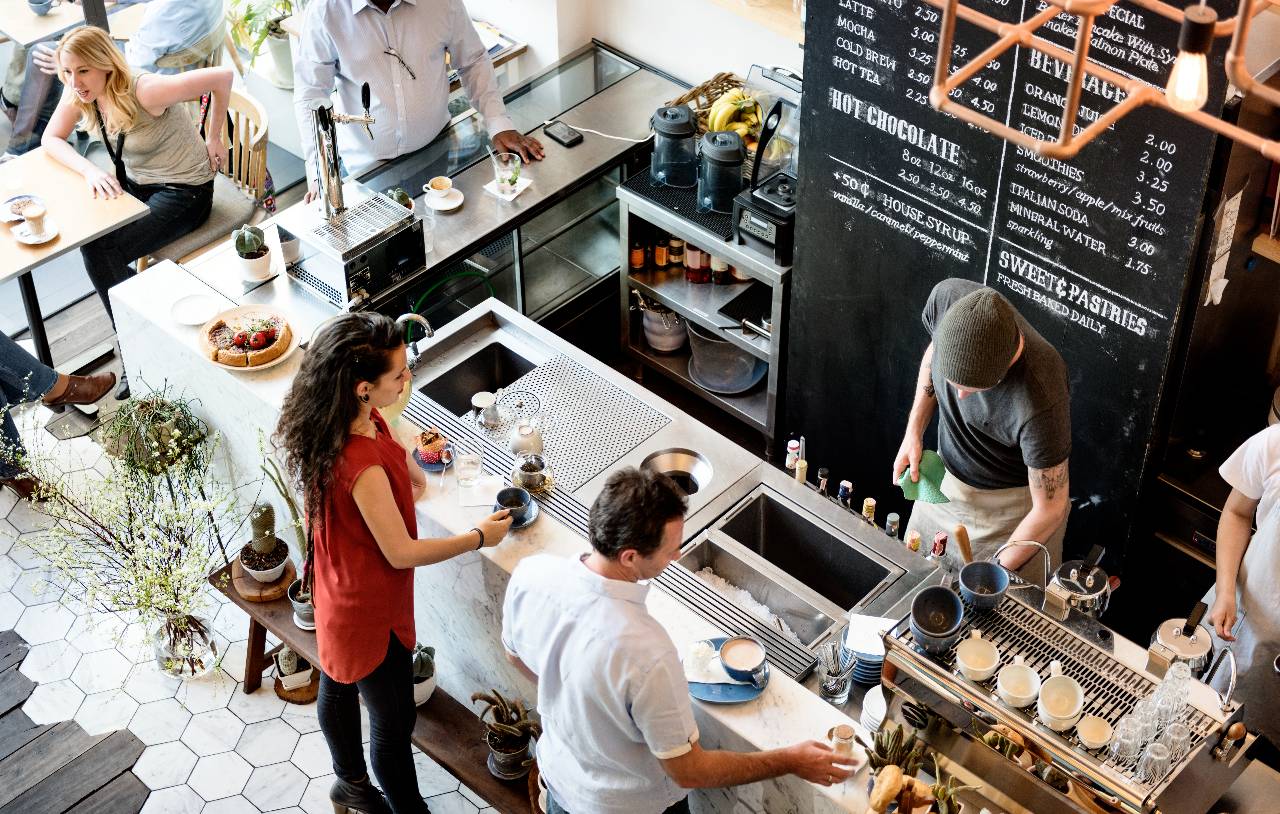
Opening a coffee shop in 2026 requires careful cost planning across rent, equipment, labor, technology, menu strategy, marketing, and sustainability.
May 15, 2026
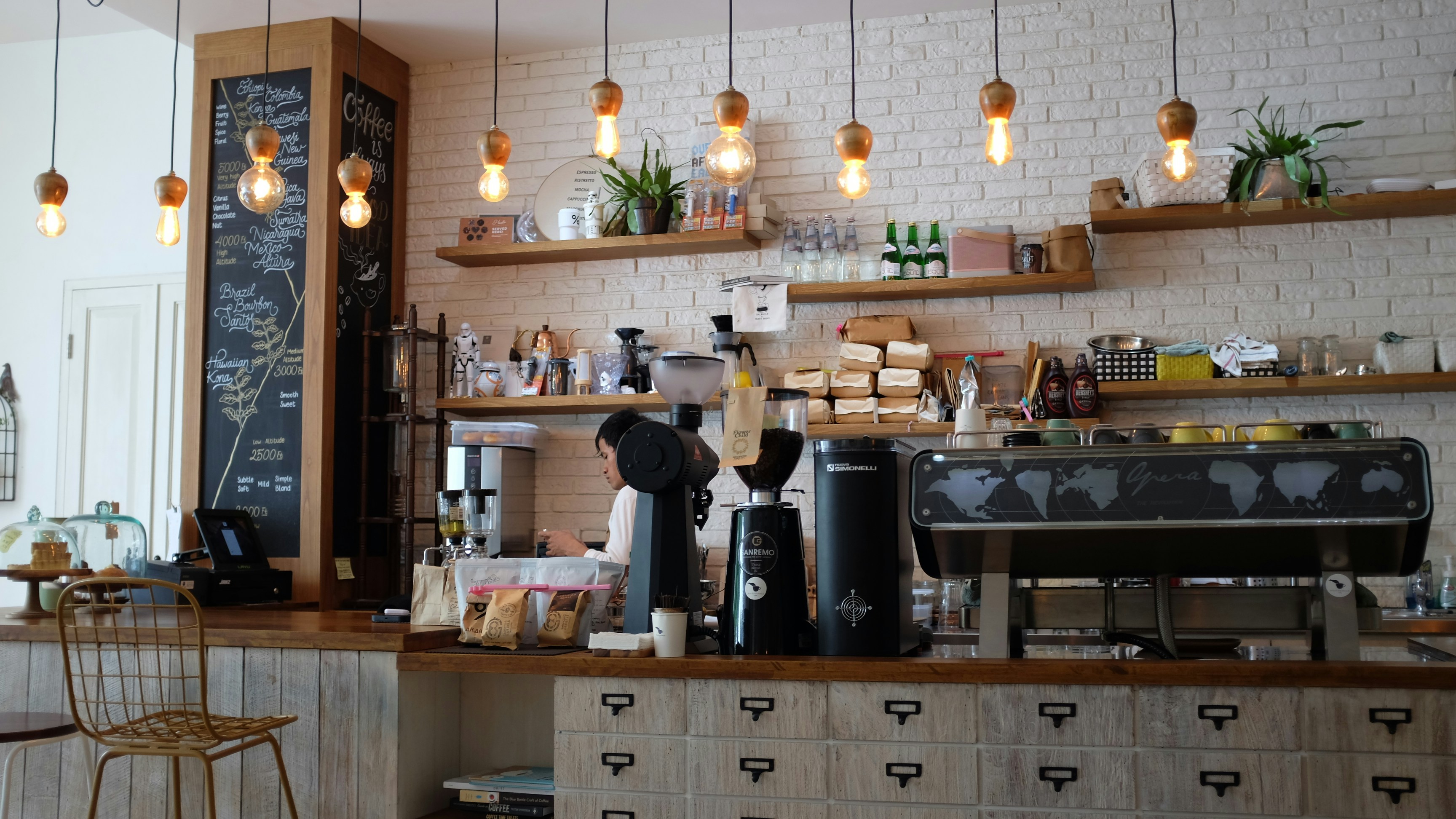
Hardee’s giant Boddie-Noell inks 31-unit Scooter’s Coffee deal for NC and VA, leveraging drive-thru growth and local roots with rollout over 12–18 months.
May 15, 2026
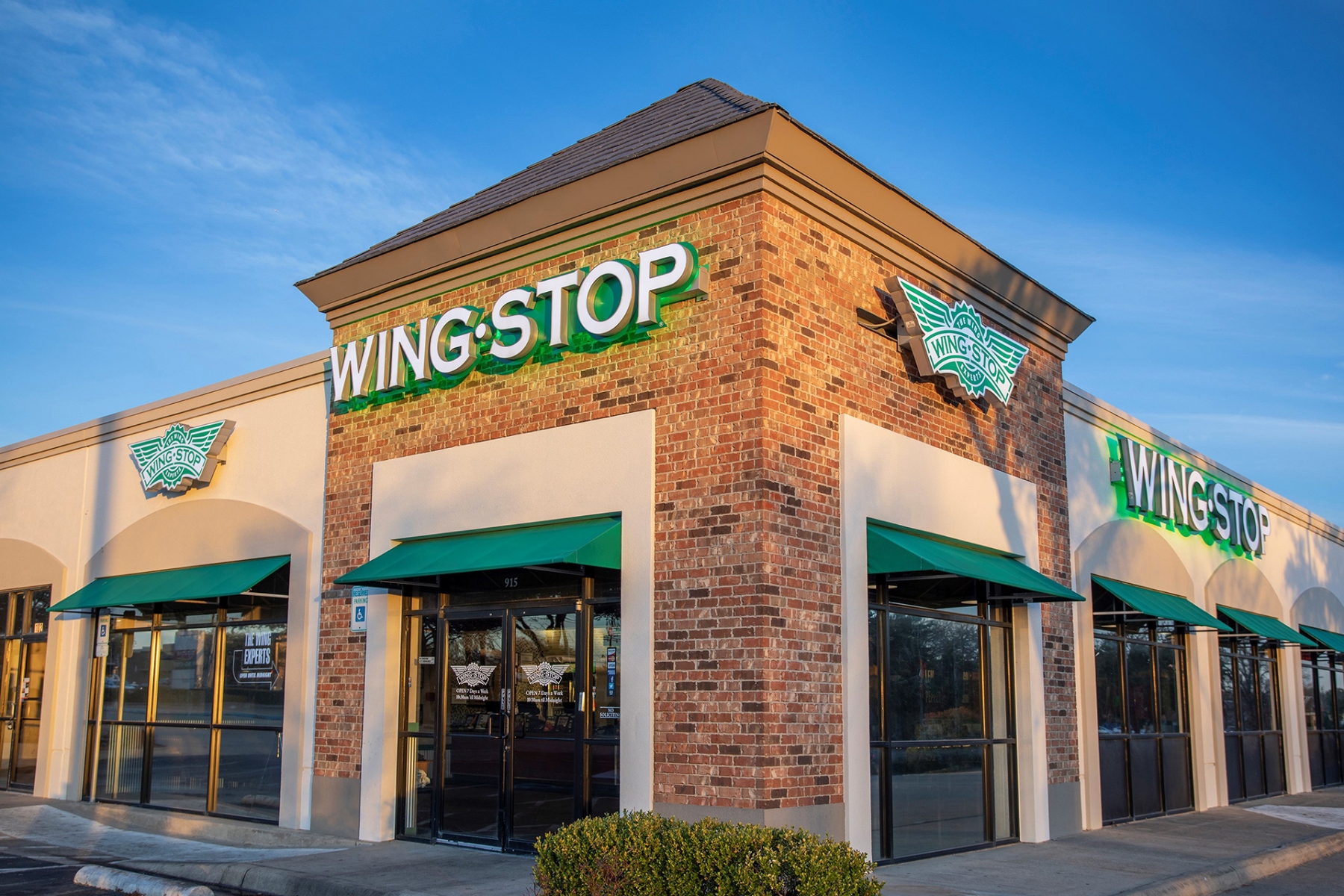
Wingstop turns match weeks into a multi-sensory festival, aligning bold pop-ups with World Cup energy to build brand affinity and measurable momentum.
May 15, 2026
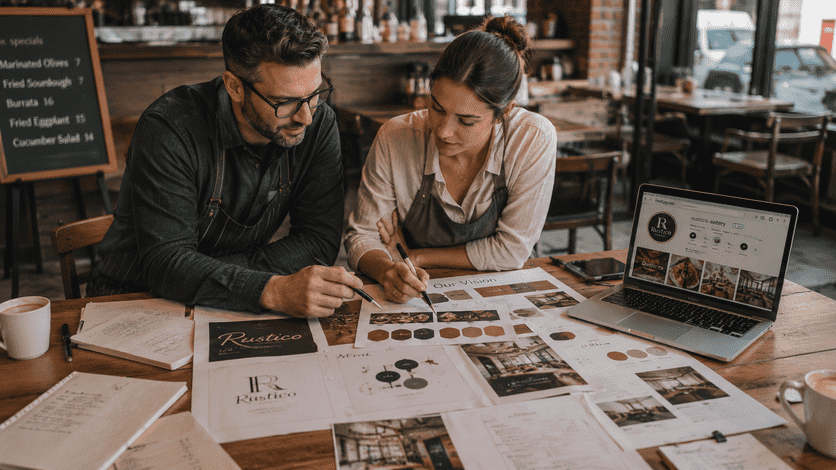
Learn how to develop a memorable restaurant brand identity that stands out in a crowded market, attracts loyal customers, and drives repeat business with actionable strategies and affordable tools.
May 15, 2026
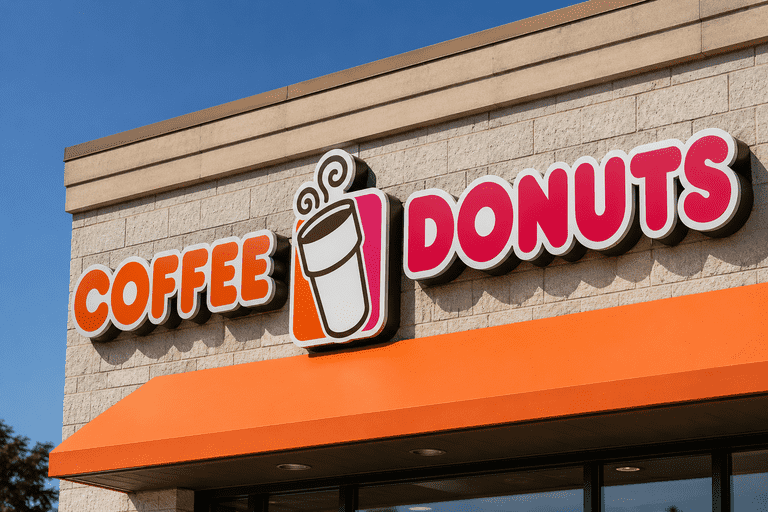
The parent company behind Dunkin', Buffalo Wild Wings, and Arby's has filed for an IPO a move that could reshape how Wall Street views the restaurant sector.
May 15, 2026
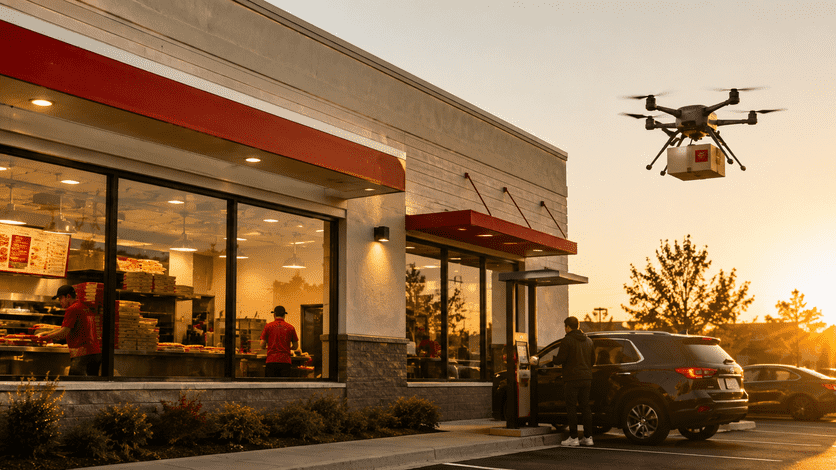
Papa Johns has teamed up with Alphabet's Wing for drone delivery of its new sandwich lineup in parts of Charlotte marking the first partnership of its kind between Wing and a national QSR brand.
May 15, 2026
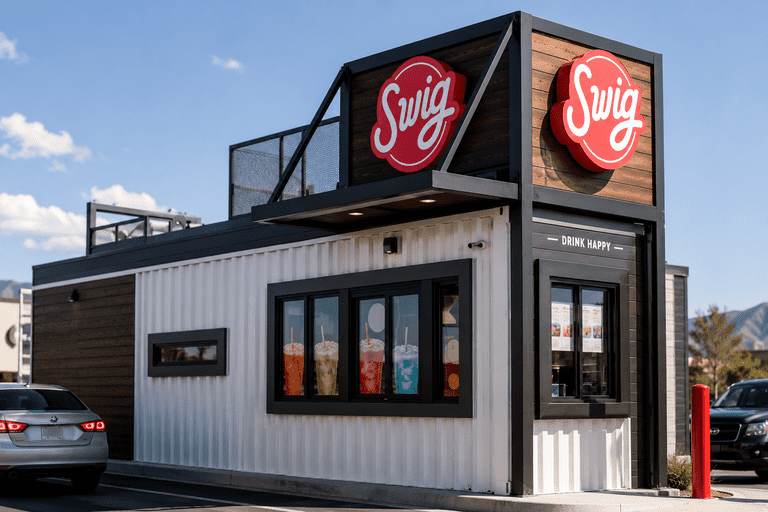
Dirty soda chain Swig is expanding into Colorado through a 10-unit franchise deal, riding a consumer beverage trend that's catching the attention of major QSR players nationwide.
May 15, 2026
A warm, expert-led look at McDonald’s Q1 results, menu makeover, and the refranchise question shaping its growth.
May 14, 2026
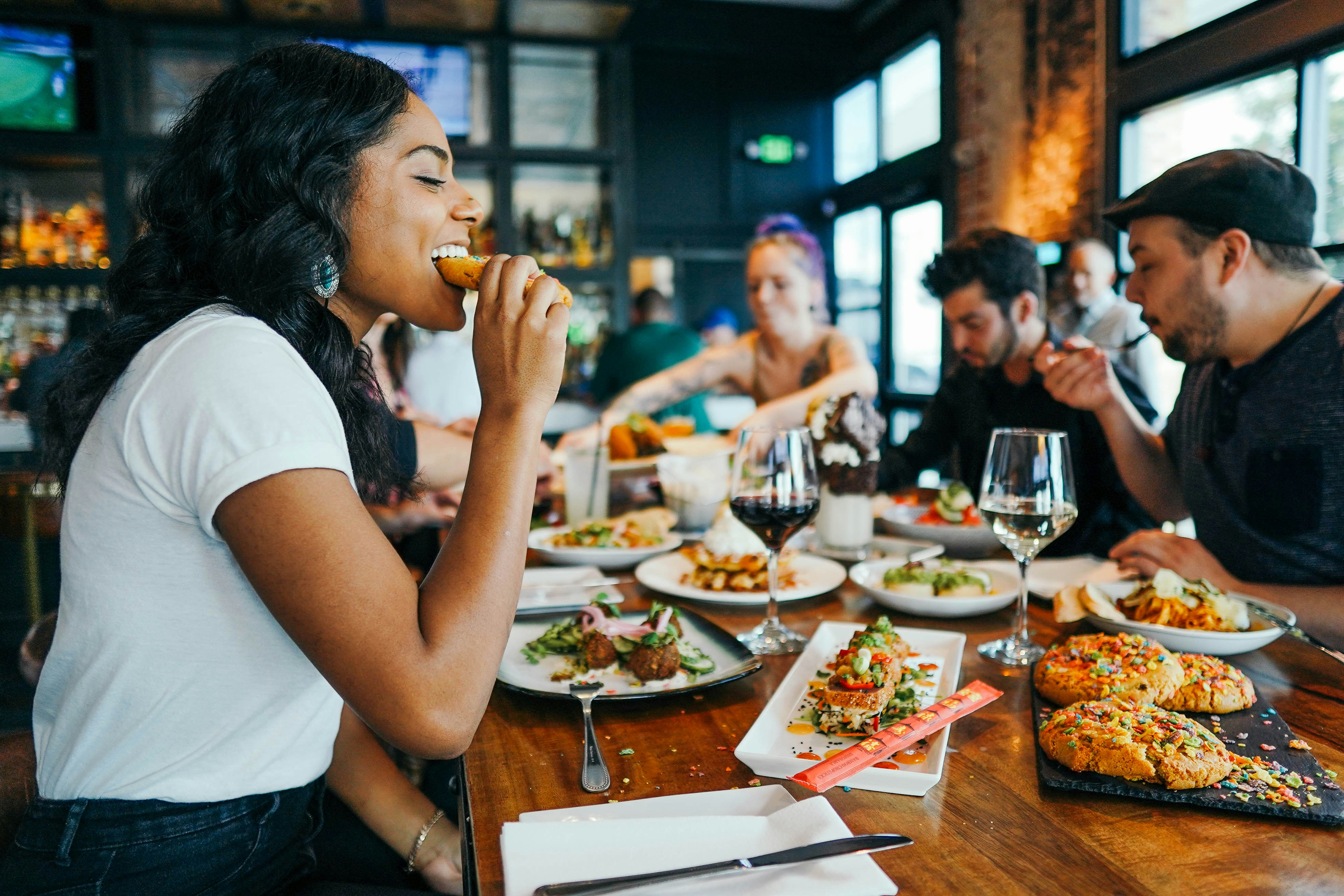
A reflective look at Habit Ranch, its immersive desert activation, and what it signals for brand loyalty and mindful, experiential dining.
May 14, 2026

Unlock Exclusive Access To Webinars, Events, And The Latest News For Free!
Discover how cities are becoming testing grounds for reusable and returnable packaging systems, with a focus on Petaluma and initiatives by Closed Loop Partners and Starbucks.
Photo by Tim Mossholder
Photo by Tim Mossholder
Cities have emerged as crucial battlegrounds for the testing and implementation of reusable and returnable packaging initiatives. The NextGen Consortium, a collaboration of prominent stakeholders including major restaurants, Coca-Cola, PepsiCo, and others, is actively engaged in advancing sustainable food service packaging alternatives in Petaluma.
Photo by Tim Mossholder
Petaluma was strategically chosen as a testing ground for innovative packaging systems due to its concentration of easily accessible restaurants and retailers, along with the city government's commitment to sustainable practices. Notably, Petaluma was previously involved in a successful returnable cup trial run by Starbucks in 2023, demonstrating the city's receptiveness to sustainability initiatives.
Photo by Tim Mossholder
Closed Loop Partners is actively supporting the Petaluma project by providing essential marketing resources to raise awareness among participating establishments. This includes a diverse range of channels such as billboards, Spotify, TV ads, and digital campaigns. The goal is to cultivate a cultural shift where the reuse of cups, whether owned by the company or the customer, becomes a common practice.
Photo by Tim Mossholder
Starbucks, a major player in the initiative, reported that 2% of its beverages sold in fiscal year 2023 were in reusable cups. The company has set a ambitious target for all its customer-facing packaging to be reusable, recyclable, or compostable by 2030. This commitment underscores the importance of corporate leadership in driving sustainable practices and influencing consumer behavior.
The Petaluma project highlights advancements in packaging technology, with the use of novel lightweighted polypropylene for hot beverage cups and HDPE for cold beverages. These materials were selected based on supplier offerings, nesting capabilities, durability in washing processes, and other key factors. While the current cups do not contain recycled content, the focus on recyclability, insulation, and safety for hot beverages showcases a dedication to sustainable innovation.
Photo by Tim Mossholder
The initiative in Petaluma is set to run until November, aiming to gather baseline data on environmental impact and consumer participation. While some industry experts have criticized short-term pilots for their limited impact on behavior change, Closed Loop Partners defends the approach by emphasizing the continuity with previous initiatives. Executives like Brittany Gamez from Muuse acknowledge the value of such projects in shaping operational shared systems and influencing widespread adoption of reusable practices.
Photo by Tim Mossholder
As cities like Petaluma pave the way for sustainable packaging solutions, the collaboration between key stakeholders, local businesses, and community members becomes pivotal in driving lasting change. Initiatives like the one in Petaluma serve as a model for scaling reuse through community engagement and strategic partnerships. By exploring and refining these models, the future of reuse and sustainability in the packaging industry can be significantly advanced.