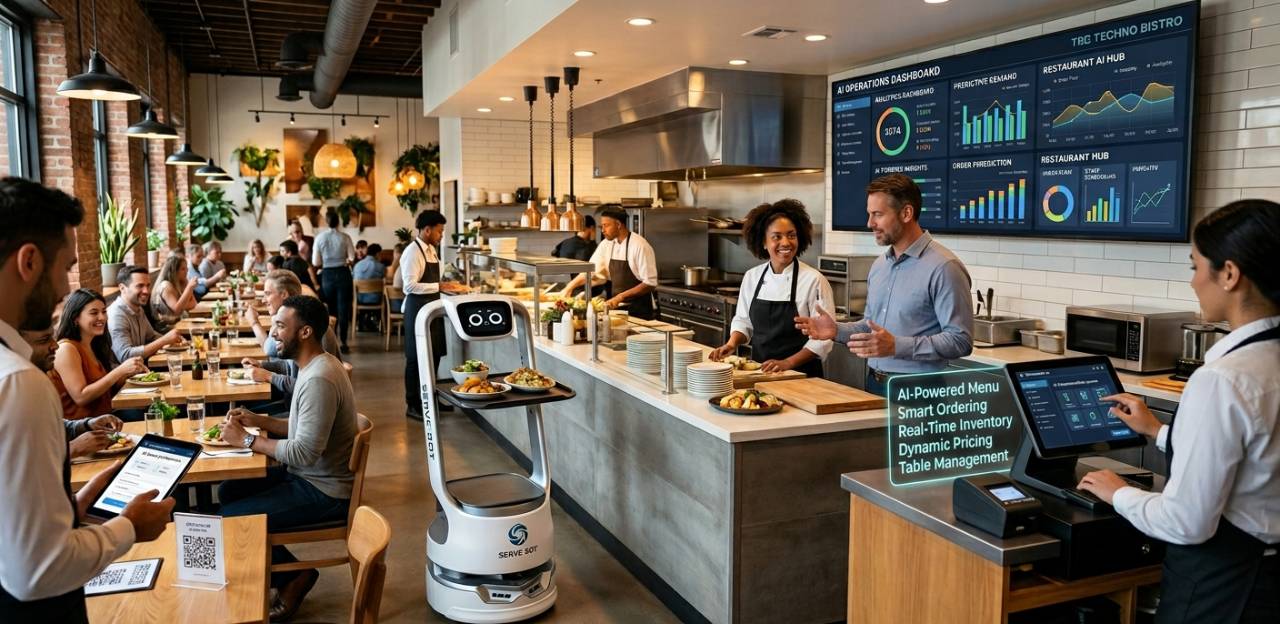
AI Playbook for Restaurant Owners
This AI playbook covers restaurant tools for voice ordering, staffing, compliance, menu pricing, inventory, marketing, ChatGPT prompts, and SEO.
tech
May 15, 2026
This AI playbook covers restaurant tools for voice ordering, staffing, compliance, menu pricing, inventory, marketing, ChatGPT prompts, and SEO.
May 15, 2026
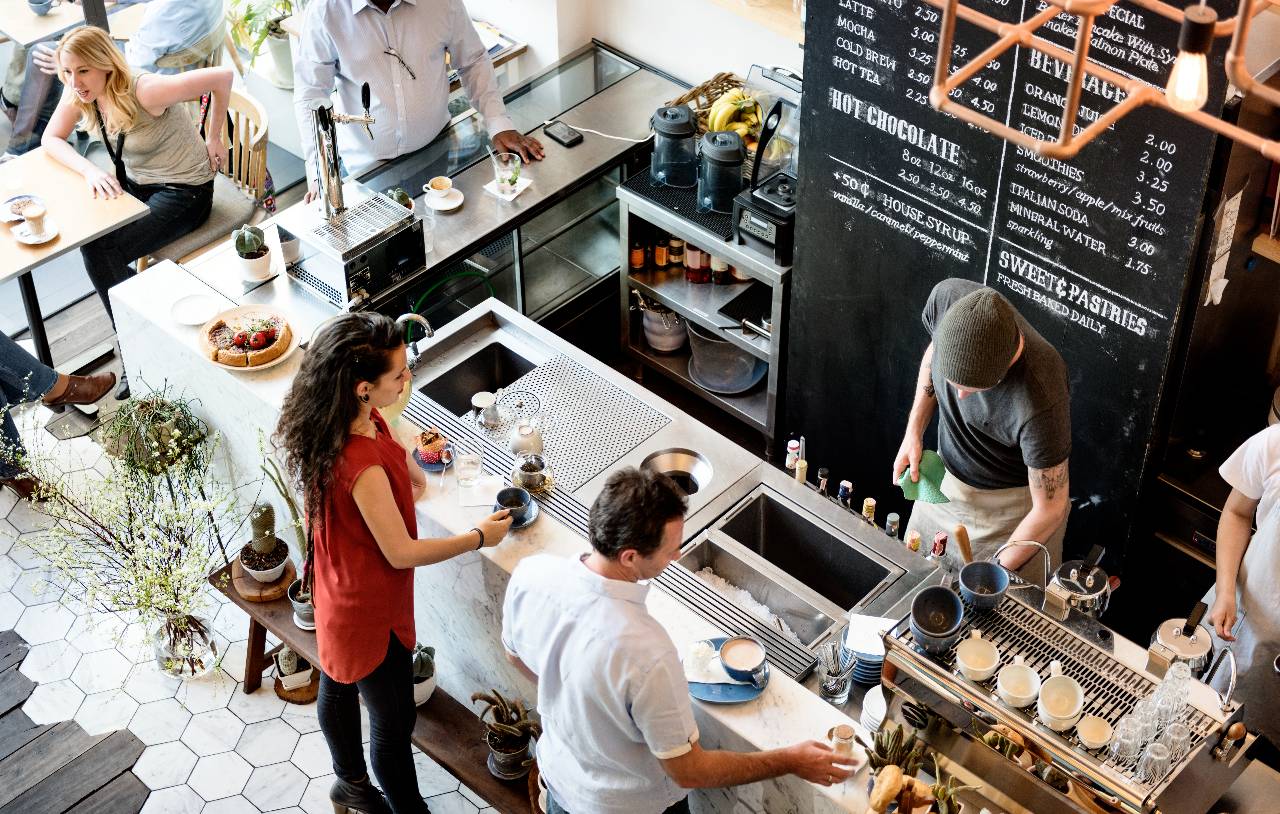
Opening a coffee shop in 2026 requires careful cost planning across rent, equipment, labor, technology, menu strategy, marketing, and sustainability.
May 15, 2026
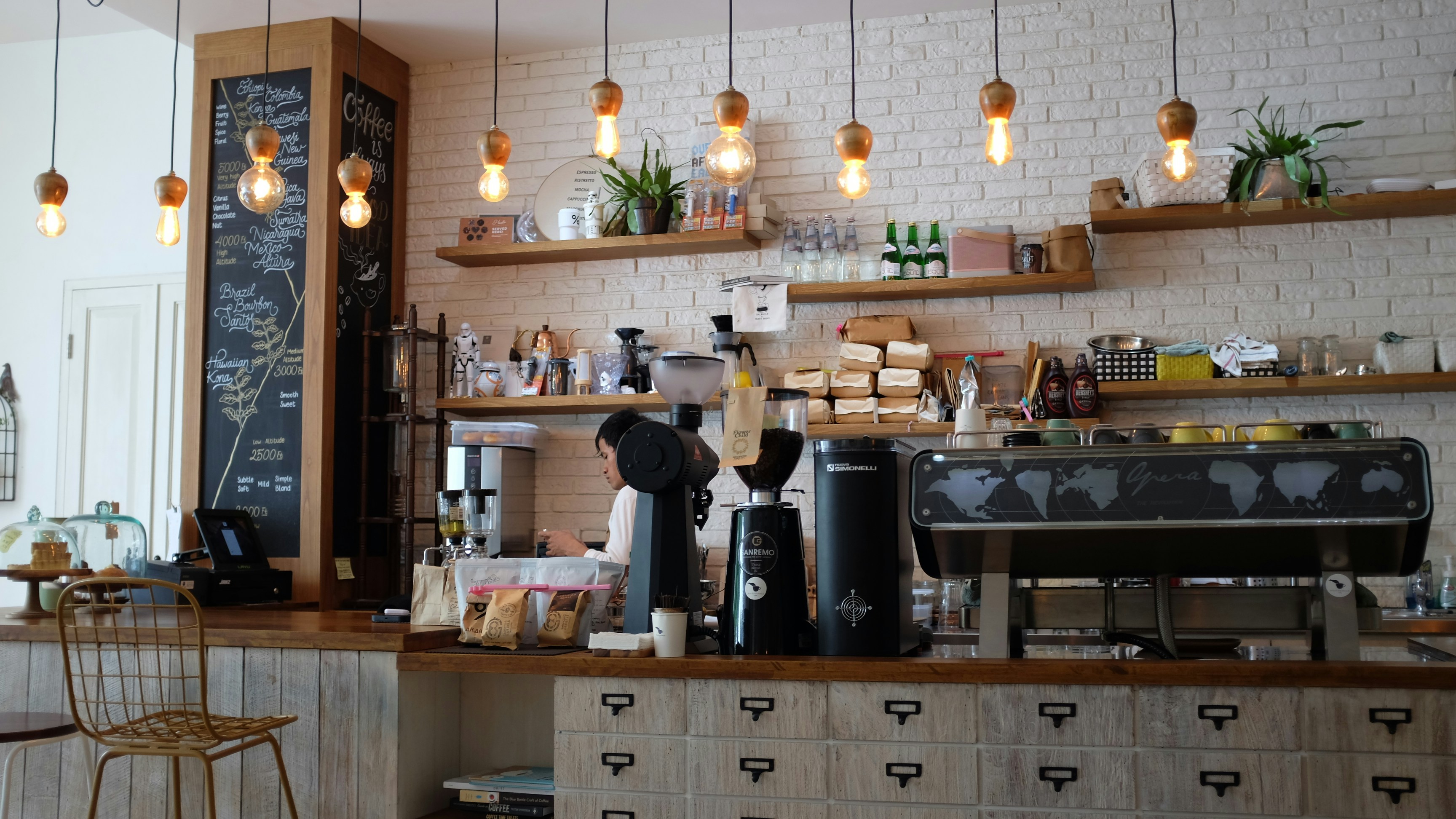
Hardee’s giant Boddie-Noell inks 31-unit Scooter’s Coffee deal for NC and VA, leveraging drive-thru growth and local roots with rollout over 12–18 months.
May 15, 2026
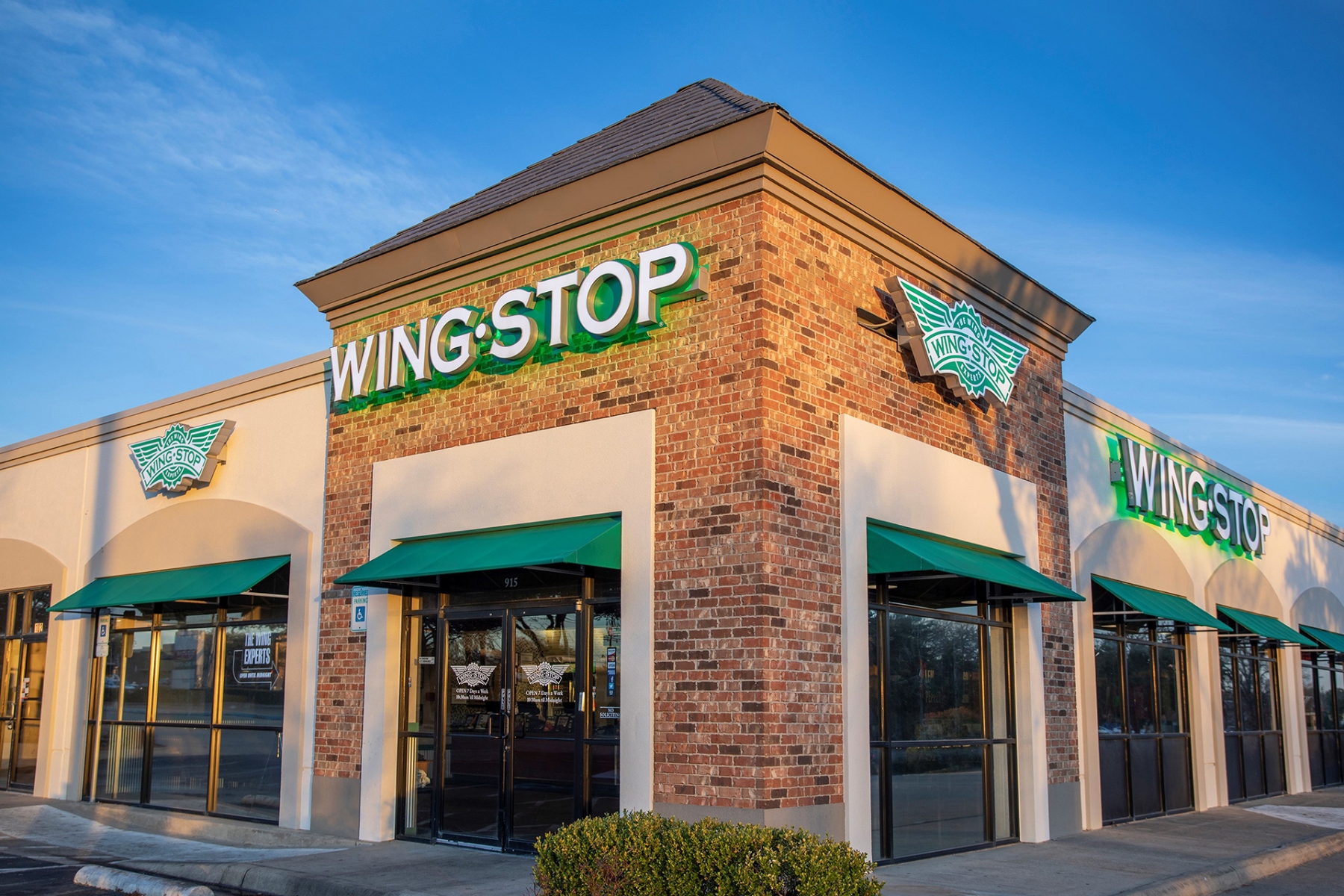
Wingstop turns match weeks into a multi-sensory festival, aligning bold pop-ups with World Cup energy to build brand affinity and measurable momentum.
May 15, 2026
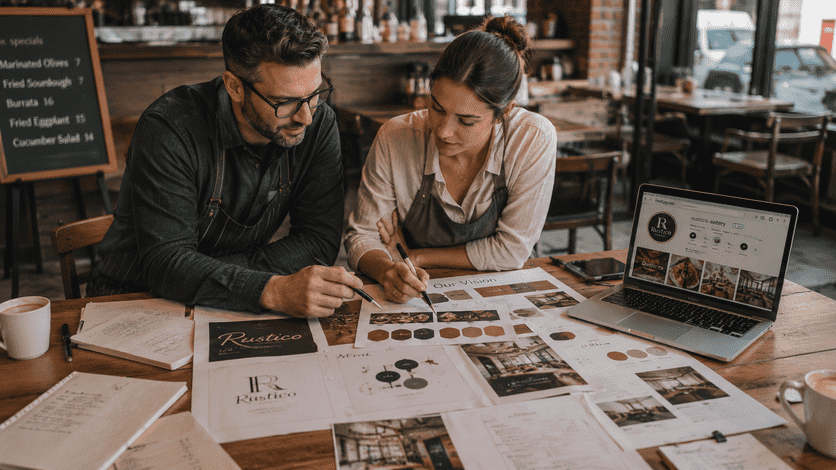
Learn how to develop a memorable restaurant brand identity that stands out in a crowded market, attracts loyal customers, and drives repeat business with actionable strategies and affordable tools.
May 15, 2026
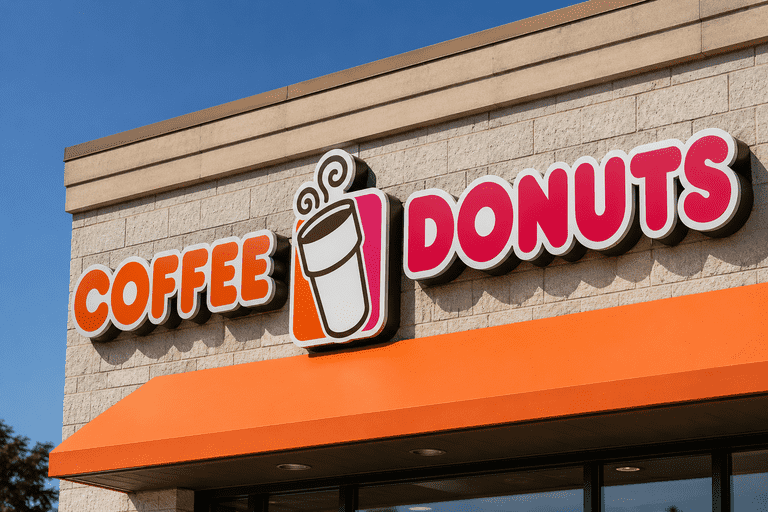
The parent company behind Dunkin', Buffalo Wild Wings, and Arby's has filed for an IPO a move that could reshape how Wall Street views the restaurant sector.
May 15, 2026
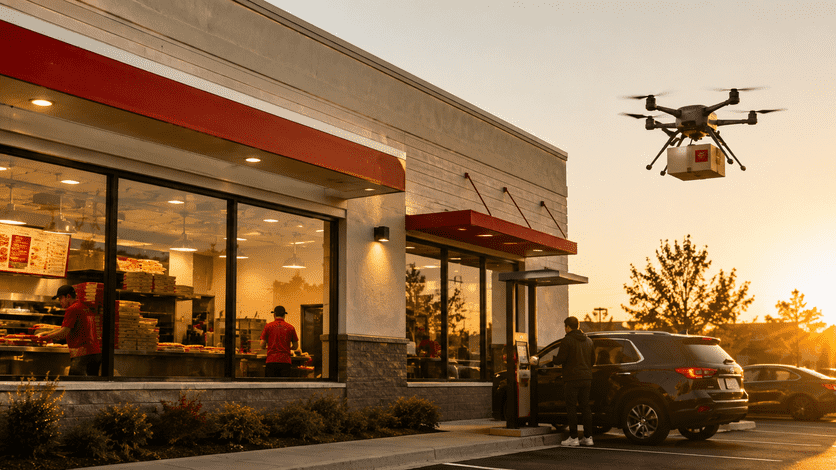
Papa Johns has teamed up with Alphabet's Wing for drone delivery of its new sandwich lineup in parts of Charlotte marking the first partnership of its kind between Wing and a national QSR brand.
May 15, 2026
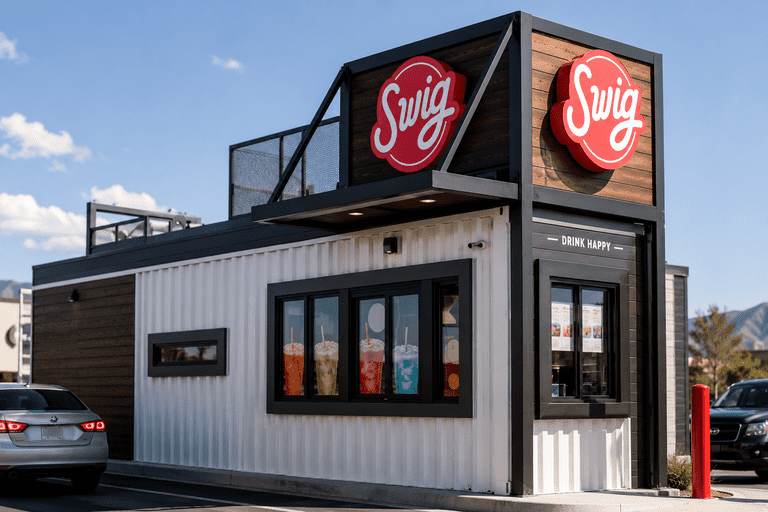
Dirty soda chain Swig is expanding into Colorado through a 10-unit franchise deal, riding a consumer beverage trend that's catching the attention of major QSR players nationwide.
May 15, 2026
A warm, expert-led look at McDonald’s Q1 results, menu makeover, and the refranchise question shaping its growth.
May 14, 2026
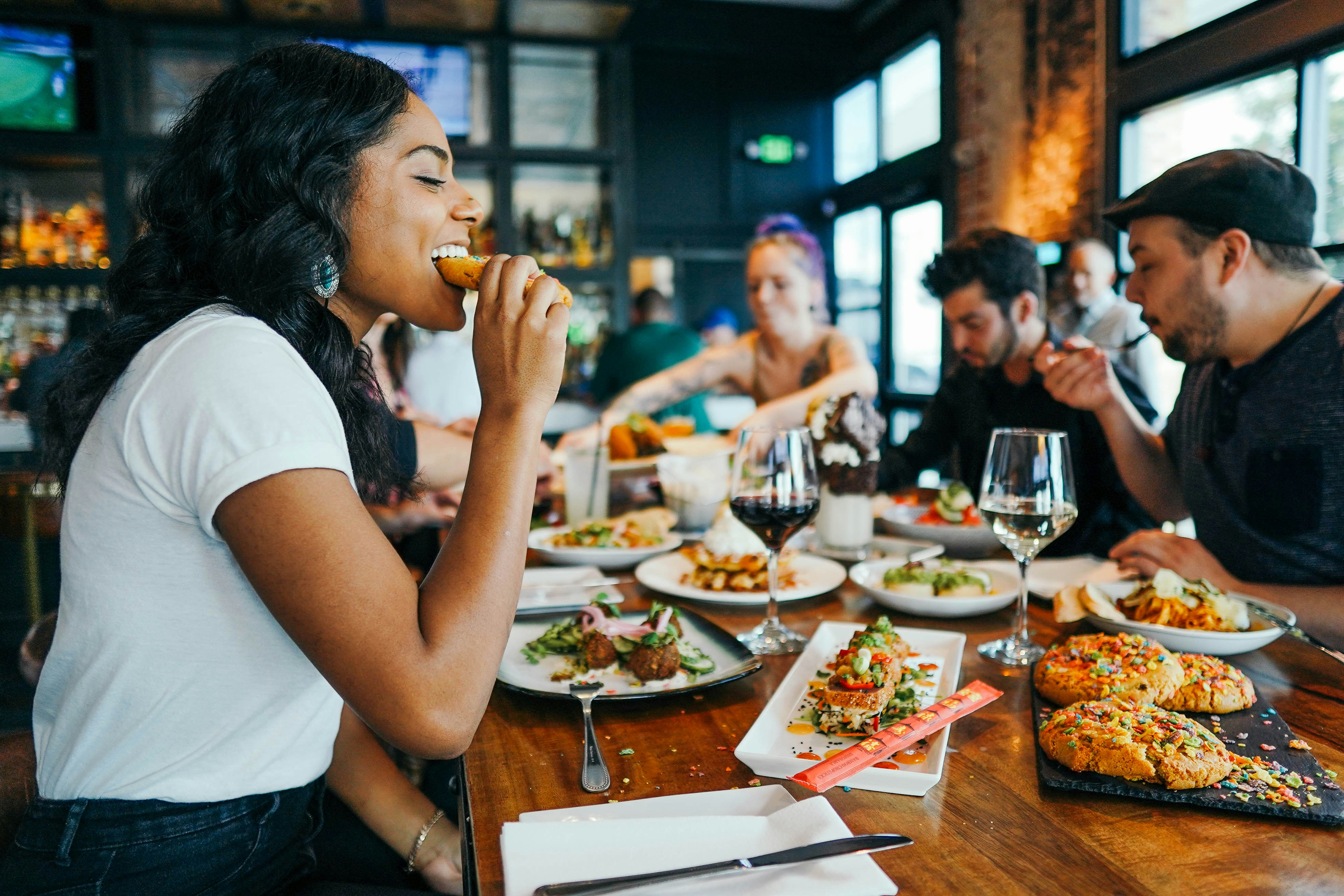
A reflective look at Habit Ranch, its immersive desert activation, and what it signals for brand loyalty and mindful, experiential dining.
May 14, 2026

Unlock Exclusive Access To Webinars, Events, And The Latest News For Free!
Explore 7-Eleven's ambitious plan to build 500 new convenience stores by 2027 focusing on food innovation and growth strategy.
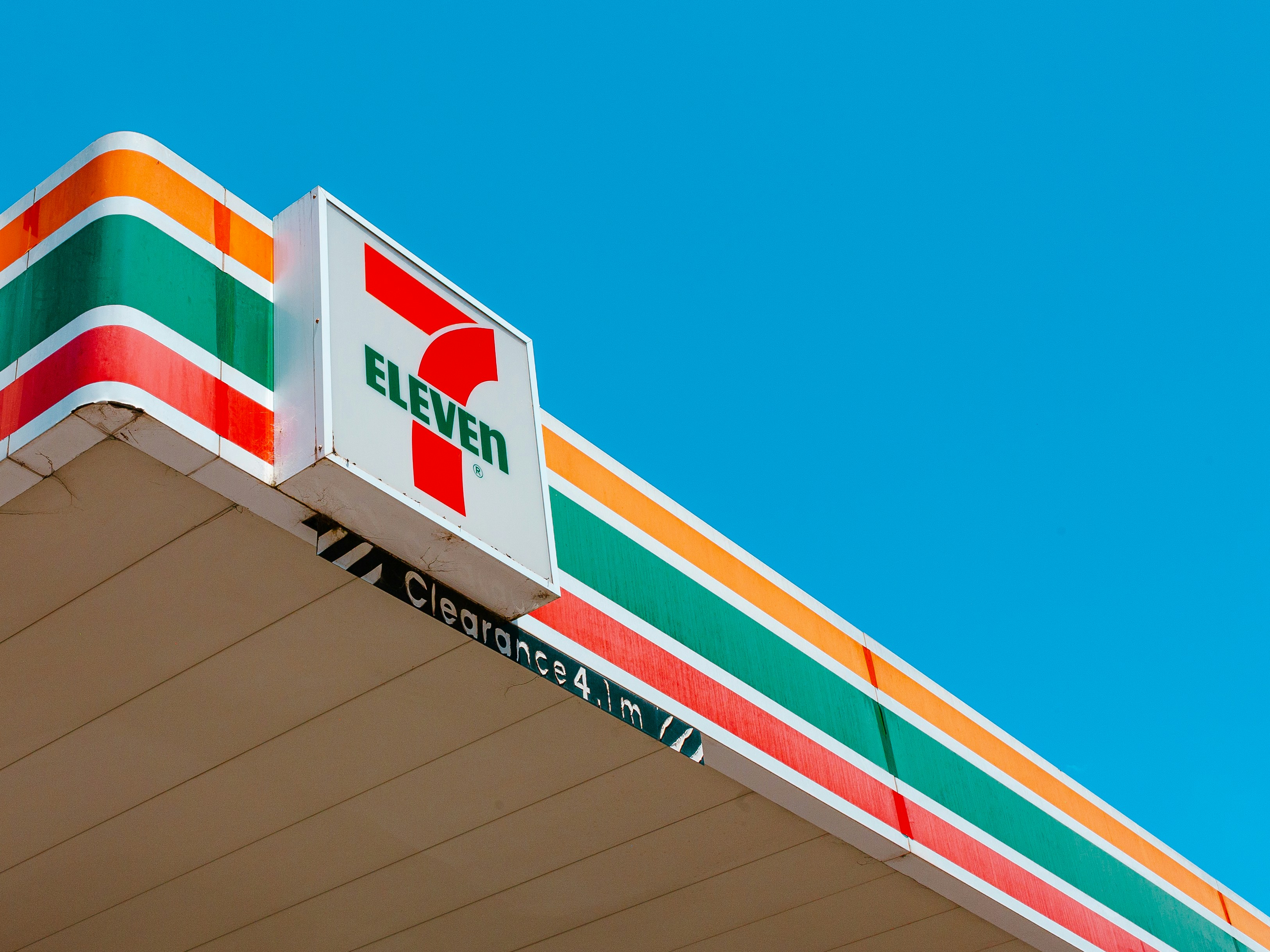
Photo by Josh Chiodo

Photo by Josh Chiodo
7-Eleven's bold plan to build 500 new convenience stores by 2027 is fueled by customer feedback and insights gathered from its successful Evolution stores. The company's CEO, Joe DePinto, emphasized the importance of aligning with customer preferences, leading to the development of the 'New Standard' stores. These new stores are designed to cater to larger-format needs, promote a food-forward environment, and integrate innovative digital solutions, including personalized offerings and enhanced shopping experiences.
The customer-centric focus of 7-Eleven's new store standard has already shown promising results, with a 13% increase in same-store sales within the first year of opening. Looking ahead, the company projects a further 30% sales increase to reach an average of $8,219 per store day after four years of operation. This performance underscores the effectiveness of aligning business strategies with customer demands and preferences.
Central to 7-Eleven's expansion strategy is its strong emphasis on food innovation. With a commitment to leveraging strengths in food offerings, the company aims to enhance its global business scale. By focusing on fresh food, proprietary beverages, private brands, and restaurant concepts like Laredo Taco, Speedy Café, and Raise the Roost Chicken and Biscuits, 7-Eleven aims to position itself as a leader in the convenience store industry.
Photo by Josh Chiodo
7-Eleven's strategic approach to store placement has been instrumental in solidifying its market presence. With over 13,000 locations in the United States and Canada, the company strategically positions its stores within close proximity to 51% of the U.S. population, creating an unparalleled last-mile distribution network. This strategic positioning not only enhances customer accessibility but also provides a strong foundation for future growth.
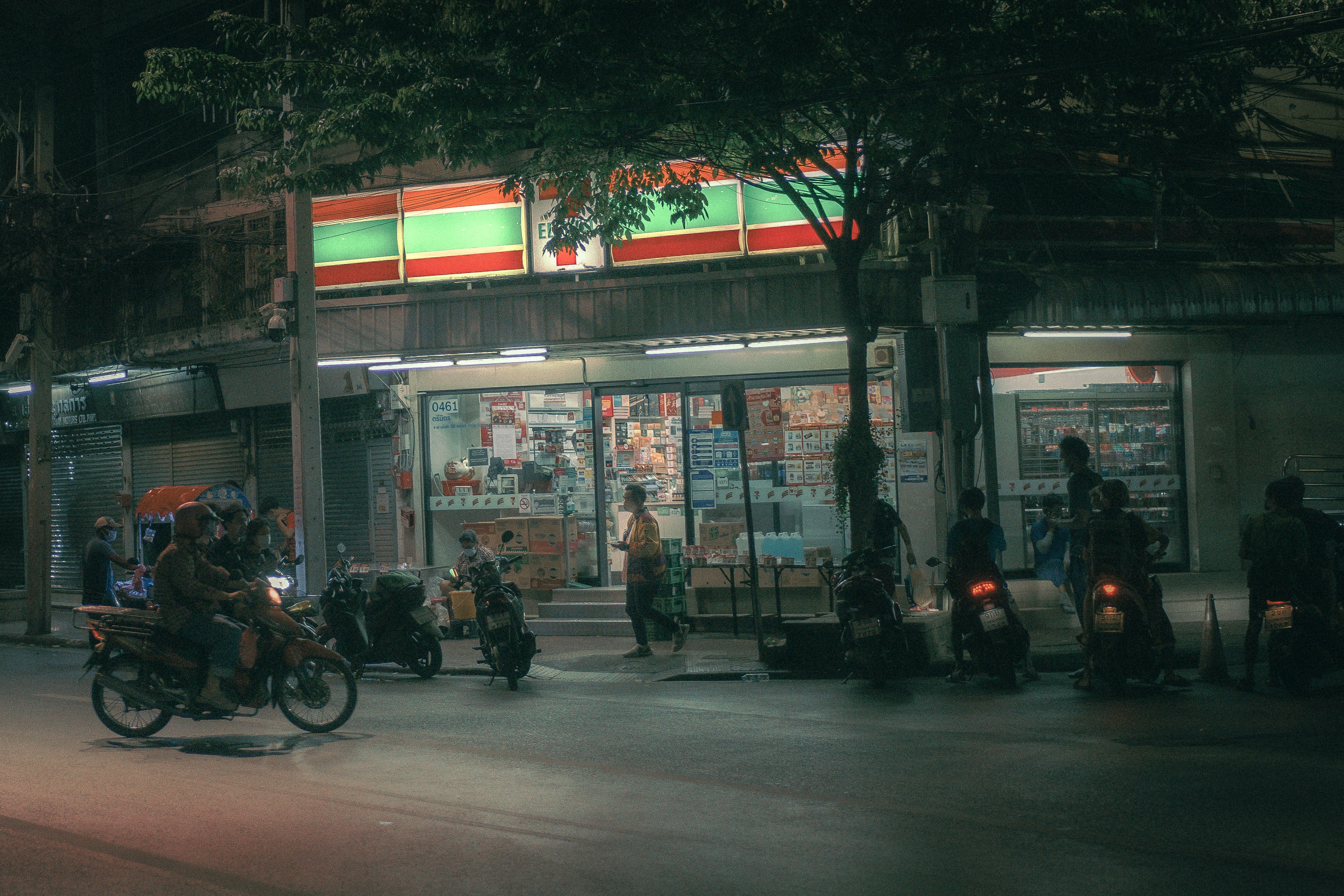
Photo by Josh Chiodo
The presentation outlining 7-Eleven's growth strategy highlighted four key pillars that underpin its expansion efforts. These pillars include a focus on growing proprietary products through innovation, quality improvement, and value creation. Plans for food and beverage modernization, including offerings like grab-and-go hot cases, self-serve roller grills, specialty beverages, and bakery items, showcase the company's commitment to enhancing the customer experience.
In addition to its core 7-Eleven convenience stores, the company operates, franchises, or licenses a diverse range of brands, including Speedway, Stripes, Laredo Taco Company, and Raise the Roost Chicken and Biscuits. This diversified portfolio not only enhances 7-Eleven's market presence but also allows for greater innovation and brand recognition across various segments of the convenience store industry.