
Best Financing and Loan Options for Restaurant Owners in 2026
Restaurant owners can use this financing and loan guide to compare funding options, avoid costly mistakes, and improve cash flow.
operations
Jun 19, 2026
Restaurant owners can use this financing and loan guide to compare funding options, avoid costly mistakes, and improve cash flow.
Jun 19, 2026

Propelled Brands lowers Camp Bow Wow’s investment and standardizes a 6,000-sq-ft prototype to attract multi-unit growth amid a tight real estate market.
Jun 18, 2026

Blue Bottle launches a 90-minute, machine-free Kyoto-style espresso, bottled for cold drinks across 152 cafés on June 16.
Jun 18, 2026

A missing Lego Star Wars cache puts Bricks & Minifigs in court, testing franchise rules, consignment policies, and brand trust across a 300‑unit network.
Jun 18, 2026
Domino’s launches a $9.99 any pizza deal, adding Parmesan Stuffed Crust through July 26, 2026, timed to the World Cup with gamified rewards and heavy ad support.
Jun 18, 2026

Raising Cane’s opens a 16,000-square-foot flagship by Intuit Dome in Inglewood, blending spectacle and throughput as the chain accelerates global expansion.
Jun 18, 2026

Restaurants race to modernize POS as mobile wallets surge, cloud adoption grows, drive-thru integrations expand, and costs and interoperability shape strategic selection.
Jun 18, 2026

Boost restaurant revenue during FIFA World Cup 2026 with proven promotion ideas, marketing strategies, staffing tips, and match-day sales tactics.
Jun 18, 2026
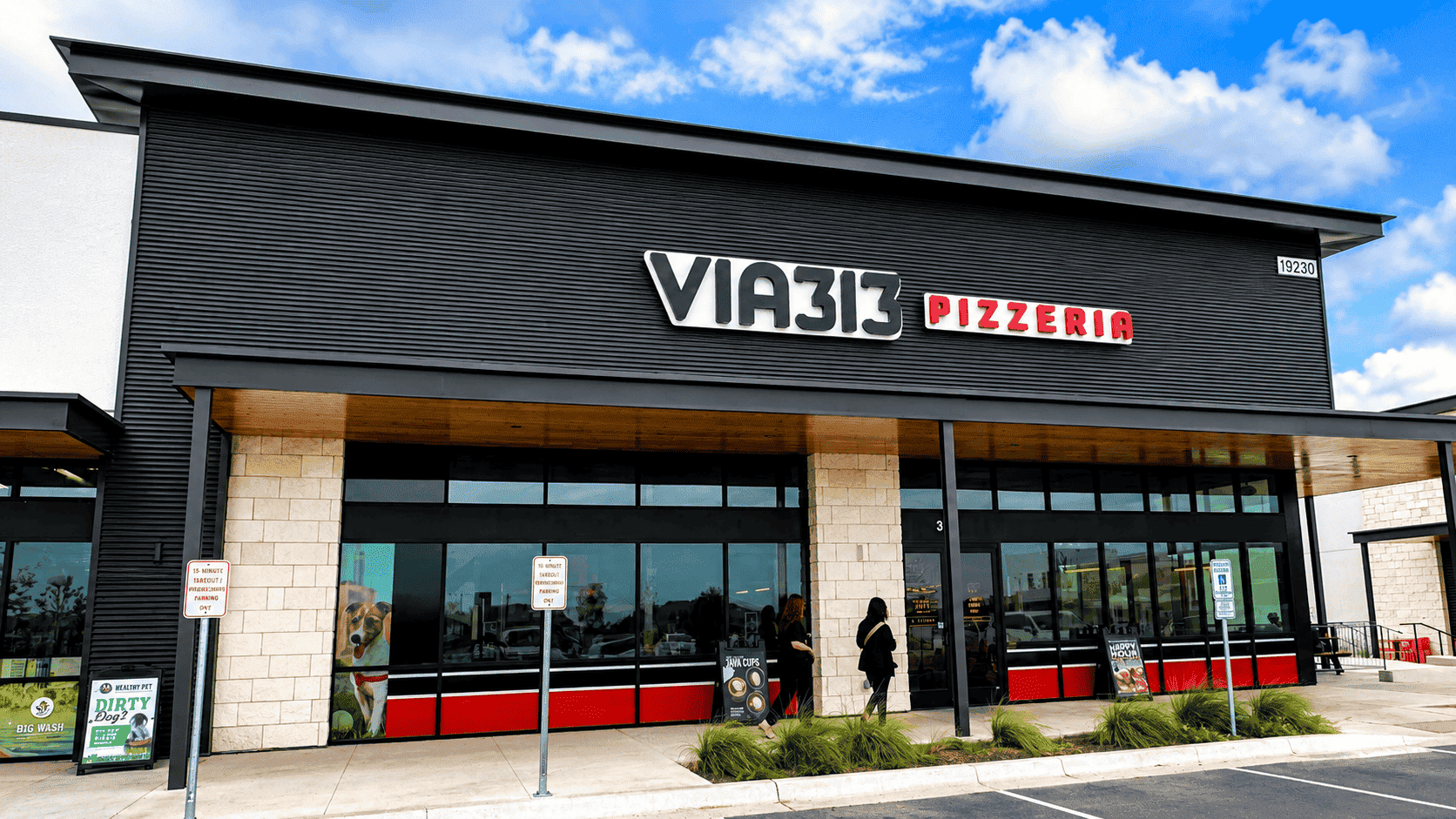
Discover how Via 313 and Terry Black’s Barbecue are fusing barbecue flavors and Detroit-style pizza in a bold Texas collaboration. Learn what this means for trend-focused restaurant operators.
Jun 18, 2026

FAT Brands' $595M asset sale marks a seismic shift in the restaurant world. Discover what this landmark bankruptcy outcome means for owners, franchisees, and the future of franchised dining brands.
Jun 18, 2026
Restaurant owners can use this financing and loan guide to compare funding options, avoid costly mistakes, and improve cash flow.
Restaurant financing matters in 2026 because owners are facing two realities at the same time - customer demand can be strong, but operating costs remain difficult to manage. A restaurant may bring in steady sales and still feel cash pressure if food costs, labor, rent, utilities, repairs, insurance, and debt payments are rising faster than profit. This makes financing more than a source of extra money. It becomes a way to protect operations, preserve cash, and support growth. Many restaurants need funding before revenue catches up with expenses. A new restaurant may need capital for buildout, permits, kitchen equipment, furniture, signage, inventory, payroll, and launch marketing. An existing restaurant may need financing to replace equipment, remodel the dining room, upgrade technology, expand catering, improve online ordering, or open another location. The risk is that restaurants often operate on thin margins. A loan that looks manageable during a busy month may become stressful during a slow season or unexpected cost increase. That is why owners need to match the financing option to the business need. Long-term projects may require longer repayment terms, while short-term cash gaps may need more flexible funding. The right financing can help a restaurant grow. The wrong one can weaken cash flow.
Restaurant owners should compare financing options based on numbers, not only approval speed or loan size. A loan may look attractive because it provides fast cash, but the real question is whether the restaurant can repay it without damaging daily operations. Before borrowing, owners should review the total cost, repayment schedule, cash flow impact, and purpose of the funds. The first number to compare is the total repayment amount. A $100,000 loan does not only cost $100,000. Interest, origination fees, closing costs, processing fees, and prepayment penalties can raise the real cost of borrowing. Two loans with the same loan amount can have very different outcomes if one has a lower interest rate but higher fees, or a shorter repayment term with larger monthly payments. The second factor is repayment timing. For example, a restaurant that borrows $60,000 may be able to handle a $2,000 monthly payment, but struggle with daily or weekly withdrawals during a slow season. This matters because restaurants already have fixed expenses such as rent, payroll, utilities, insurance, food purchases, and software costs. Financing should support the business, not compete with essential operating expenses. Owners should also compare the loan to the business need. A long-term renovation may need a longer repayment term because the return on investment happens over time. A short-term cash flow gap may be better suited for a line of credit. Equipment purchases may fit equipment financing because the asset being purchased helps generate revenue or improve efficiency. Before signing, restaurant owners should ask five key questions - How much will this cost in total? How often are payments due? Will the payment fit my slowest months? Is collateral or a personal guarantee required? Will this loan improve revenue, reduce costs, or protect operations? The best financing option is not always the largest or fastest one. It is the one that matches the restaurant's cash flow, risk level, and business goal.

SBA loans are one of the most common financing options restaurant owners consider because they are designed to help small businesses access funding through approved lenders. The loan does not come directly from the SBA in most cases. Instead, the SBA helps reduce risk for the lender by guaranteeing part of the loan. For restaurant owners, this can make it easier to access larger loan amounts, longer repayment terms, and more structured financing than some short-term lending options. SBA loans can be useful when a restaurant needs funding for a major business purpose. This may include opening a new location, buying equipment, improving a kitchen, renovating a dining room, purchasing inventory, refinancing certain business debt, or supporting working capital. Because restaurants often have high upfront costs, this type of structured financing can help owners avoid using all available cash at once. Restaurant owners should understand that SBA loans are not usually the fastest option. The application process can require financial statements, tax returns, business plans, ownership details, lease information, revenue history, credit review, and documentation showing how the funds will be used. For a newer restaurant, the lender may also want to see realistic sales projections and a clear plan for repayment. When reviewing an SBA loan, owners should focus on the full picture - 1. Loan purpose - SBA financing works best when the money is tied to a clear business need, such as equipment, expansion, renovations, or working capital. 2. Loan amount - Owners should borrow enough to complete the project, but not so much that payments strain cash flow. 3. Repayment term - Longer terms may reduce monthly payments, but owners should still calculate the total cost over time. 4. Documentation - SBA loans often require more paperwork than faster lending options. 5. Approval timeline - Restaurant owners should plan ahead if they need funds for buildout, equipment orders, permits, or opening deadlines. 6. Collateral - Depending on the loan size and lender requirements, business or personal assets may be considered. 7. Personal guarantee - Owners should understand their personal responsibility before signing. 8. Cash flow impact - The monthly payment should fit the restaurant's slowest months, not only its best months. If the restaurant is funding a long-term investment, such as a second location or major renovation, an SBA loan may be a better fit than short-term financing. If the need is urgent and small, such as covering a temporary cash shortage, another option may be faster and easier. The best use of an SBA loan is when the financing supports growth, protects working capital, and gives the restaurant enough time to repay without creating daily pressure on operations.
Restaurant equipment can put serious pressure on cash flow. A commercial oven, walk-in cooler, fryer, dishwasher, espresso machine, or POS system can cost thousands of dollars before installation, delivery, training, and maintenance are included. For many restaurant owners, paying for those items in cash can drain reserves that may be needed for payroll, inventory, rent, repairs, or slow sales periods. Equipment financing gives owners a way to spread that cost over time. Instead of delaying a necessary purchase or using a large amount of working capital at once, the restaurant can finance the equipment and make scheduled payments. This is especially useful when the equipment directly affects revenue or service quality. A faster oven can support higher order volume. A reliable refrigeration system can protect food inventory. A modern POS system can improve order accuracy, payment speed, reporting, and online ordering workflows. The key is to separate essential equipment from optional upgrades. Essential equipment keeps the restaurant open, safe, and efficient. Optional upgrades may improve the guest experience, but they should still be measured against expected return. For example, financing a replacement freezer may protect thousands of dollars in inventory. Financing a new patio setup may make sense only if it helps increase seating capacity and sales during peak months. Before choosing equipment financing, restaurant owners should look beyond the monthly payment. A low payment may seem attractive, but the full agreement matters. Owners should review the interest rate, total repayment amount, lease terms, maintenance rules, warranty coverage, and what happens at the end of the agreement. Important questions include - 1. Will this equipment increase sales, reduce waste, or improve speed? 2. Is the equipment necessary now, or can the purchase wait? 3. How long will the equipment remain useful? 4. Will the repayment term outlast the equipment's value? 5. Who is responsible for repairs and maintenance? 6. Does the restaurant own the equipment at the end? 7. Are there extra costs for delivery, setup, software, or training? 8. Can the restaurant afford the payment during slower months? Equipment financing works best when it protects cash flow while solving a real operational problem. The strongest purchases are usually tied to measurable value, such as faster service, lower spoilage, fewer breakdowns, better reporting, or higher sales capacity. Restaurant owners should avoid financing equipment only because it feels like an upgrade. The better question is whether the equipment will help the restaurant operate more profitably over time.
Working capital loans are designed to help restaurants cover everyday business needs when cash flow is tight. Unlike equipment financing, which is tied to a specific asset, working capital financing is usually used to keep operations moving. This may include payroll, vendor bills, rent, utilities, insurance, repairs, inventory, packaging, marketing, or short-term gaps between expenses and incoming sales. Restaurants often need working capital because cash does not always move evenly. A restaurant may have strong monthly sales but still face pressure if supplier invoices, payroll, rent, and tax payments are due before revenue clears. Seasonal changes can also create problems. A patio-focused restaurant may earn more in warm months and slow down in winter. A restaurant near offices may perform better during weekdays but see weaker weekend traffic. A restaurant near a stadium, college, or tourism area may experience demand spikes followed by slower periods. This is where working capital loans can help. They give owners access to funds for short-term operating pressure without forcing them to delay essential payments. For example, a restaurant may use working capital to order extra inventory before a busy holiday weekend, cover payroll after a slow sales week, pay suppliers on time, or handle an unexpected repair that cannot wait. However, working capital loans should be used carefully. They are helpful when they solve a temporary cash flow issue, but risky when they become a regular way to cover losses. If a restaurant needs to borrow every month to pay basic expenses, the problem may not be financing. It may be pricing, labor cost, food waste, rent, debt, or declining sales. Before using a working capital loan, restaurant owners should review - 1. Cash flow timing - Identify when money comes in and when major bills are due. 2. Loan purpose - Use the funds for a clear operating need, not vague expenses. 3. Repayment schedule - Make sure payments fit weekly or monthly sales patterns. 4. Revenue seasonality - Plan around slow months, weather changes, holidays, and local traffic shifts. 5. Supplier terms - Compare borrowing against negotiating better payment terms with vendors. 6. Payroll pressure - Avoid using debt repeatedly to cover scheduling or labor cost problems. 7. Total borrowing cost - Review interest, fees, and repayment amount before accepting funds. 8. Exit plan - Know how the restaurant will repay the loan without needing another loan. Working capital loans can be useful when they bridge a short-term gap and help the restaurant stay stable. They are not a replacement for strong cash flow management. The best use is when the owner knows exactly why the money is needed, how it will support operations, and how repayment will be handled without putting future weeks at risk.

A business line of credit gives restaurant owners flexibility when expenses are unpredictable. Instead of receiving one lump-sum loan and making payments on the full amount, the restaurant gets access to a set credit limit and can draw from it when needed. This makes it useful for short-term needs that do not always happen on a fixed schedule. Restaurants rarely have perfectly even cash flow. One week may bring strong sales from catering orders, private events, delivery demand, or weekend traffic. The next week may be slower because of weather, seasonality, local events, or fewer reservations. At the same time, expenses continue. Payroll, rent, utilities, vendor invoices, insurance, repairs, and technology bills still need to be paid. A line of credit can help owners handle these timing gaps without applying for a new loan every time cash gets tight. This option can be especially helpful for needs such as buying extra inventory before a busy weekend, covering a short payroll gap, repairing equipment, funding a small marketing push, or managing supplier payments while waiting for sales revenue to settle. Because owners can borrow only what they need, a line of credit may offer more control than a traditional term loan. However, flexibility does not mean unlimited safety. Restaurant owners should avoid using a line of credit as a permanent solution for weak profitability. If the balance keeps growing and the restaurant cannot pay it down, the credit line can become another monthly burden. The goal should be to use it for short-term support, then repay it when sales improve. Before opening a business line of credit, restaurant owners should review - 1. Credit limit - Make sure the available amount matches realistic short-term needs. 2. Draw rules - Understand how and when money can be accessed. 3. Interest charges - Know whether interest applies only to the amount used or to the full credit limit. 4. Repayment terms - Review minimum payments, due dates, and payoff expectations. 5. Fees - Look for maintenance fees, draw fees, late fees, or annual fees. 6. Renewal rules - Some lines of credit must be reviewed or renewed each year. 7. Usage discipline - Set clear rules for when the credit line should and should not be used. 8. Paydown plan - Decide how the balance will be reduced after busy sales periods. A business line of credit works best as a financial safety net. It gives restaurant owners room to handle timing issues, emergencies, and short-term opportunities without draining cash reserves. When used carefully, it can support stability. When used without a plan, it can hide deeper cash flow problems. The best approach is to treat the line of credit as backup capital, not as regular income.
Merchant cash advances and short-term financing are often marketed to restaurants because they can provide fast access to money. For an owner dealing with a broken walk-in cooler, an urgent payroll gap, a delayed insurance payment, or a sudden inventory need, speed can be appealing. The application process may be simpler than a bank loan, and approval may depend more on sales activity than traditional loan requirements. A merchant cash advance works differently from a standard loan. Instead of borrowing a fixed amount and repaying it through regular monthly payments, the restaurant receives cash upfront and repays the provider through a portion of future sales, often tied to card transactions or daily withdrawals. This can feel convenient because payments move with sales activity, but it can also create pressure when margins are already tight. The biggest issue is cost. Short-term financing may be easier to access, but convenience often comes with higher repayment expenses. A restaurant may receive money quickly, but the daily or weekly deductions can reduce the cash available for food purchases, payroll, rent, taxes, repairs, and vendor payments. If sales slow down, the restaurant may feel the impact even more because operating costs do not disappear. Restaurant owners should be especially cautious when using short-term money for long-term problems. If the restaurant needs a small amount of cash to handle a temporary issue, this type of financing may help. But if the business is using advances repeatedly to cover normal expenses, the real problem may be weak margins, high labor costs, poor pricing, low sales, too much waste, or existing debt. Before accepting a merchant cash advance or short-term financing offer, owners should review - 1. Total repayment amount - Know exactly how much will be paid back, not just how much is received upfront. 2. Payment frequency - Daily or weekly withdrawals can affect cash flow more than monthly payments. 3. Sales percentage - Understand how much of future card sales or deposits will be collected. 4. Effective cost - Compare the offer against other financing options, even if approval is faster. 5. Term length - Short repayment windows can create intense pressure on operations. 6. Stacking risk - Avoid taking multiple advances at the same time. 7. Cash flow impact - Make sure the restaurant can still cover payroll, food, rent, and taxes after deductions. 8. Reason for borrowing - Use fast financing only when the need is clear and repayment is realistic. Merchant cash advances and short-term financing should be treated as emergency tools, not routine funding. They may help when timing is critical and other options are too slow, but they can become expensive if used without a repayment plan. Restaurant owners should compare the speed of the money against the long-term strain it may place on daily cash flow.
The best financing option is not always the one with the lowest payment or the fastest approval. For restaurant owners, the right choice depends on what the money will be used for, how quickly it is needed, and whether the repayment structure fits the restaurant's cash flow. A loan should solve a business problem, not create a new one. Start by matching the financing type to the purpose. If the restaurant is opening a new location, completing a major renovation, or making a large long-term investment, an SBA loan or term loan may be worth considering because the repayment period can be longer. If the restaurant needs ovens, refrigeration, dishwashers, POS hardware, or delivery equipment, equipment financing may be a better fit because the money is tied to a specific asset. If the goal is to manage short-term cash flow, a working capital loan or business line of credit may provide more flexibility. Restaurant owners should also think about timing. Some financing options take longer to approve but may offer better structure. Others provide faster money but may come with higher costs or more frequent payments. Speed matters during an emergency, but it should not be the only deciding factor. A fast loan can become expensive if daily or weekly repayments reduce the cash needed for payroll, inventory, rent, and taxes. A practical way to compare options is to ask - 1. What problem will this financing solve? 2. Will the money increase sales, reduce costs, improve service, or protect operations? 3. How much will the restaurant pay back in total? 4. Are payments monthly, weekly, or daily? 5. Can the restaurant afford payments during slower months? 6. Is collateral or a personal guarantee required? 7. Are there fees, penalties, or renewal costs? 8. What happens if sales fall below forecast? Owners should avoid borrowing based only on hope. A loan should be supported by real numbers, such as sales forecasts, labor costs, food costs, current debt, cash reserves, and expected return. If the financing is for expansion, the owner should know how much additional revenue is needed to cover the payment. If it is for equipment, the owner should understand how that equipment will improve efficiency, capacity, or reliability. The strongest financing decision is one that gives the restaurant room to operate. Good financing should help the business move forward while keeping enough cash available for daily needs. Before signing, restaurant owners should compare at least a few options, calculate the full repayment cost, and choose the structure that supports growth without putting the restaurant under unnecessary financial pressure.