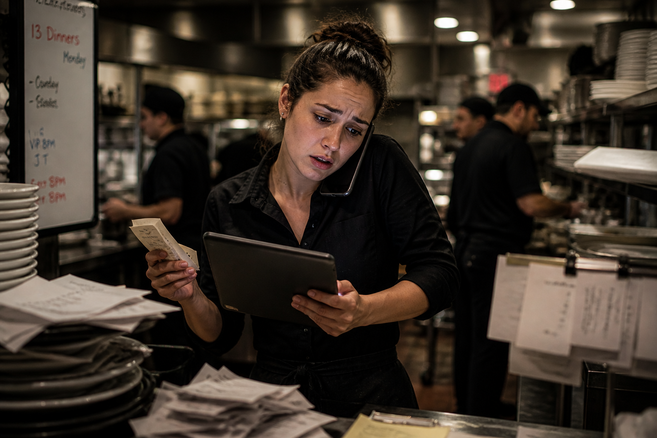
The Hidden Risk of Overloading High-Performing Employees
Overloading top employees may boost short-term results but leads to burnout and turnover. Learn warning signs, business impact, and how to balance workloads effectively.
operations
May 5, 2026
Overloading top employees may boost short-term results but leads to burnout and turnover. Learn warning signs, business impact, and how to balance workloads effectively.
May 5, 2026
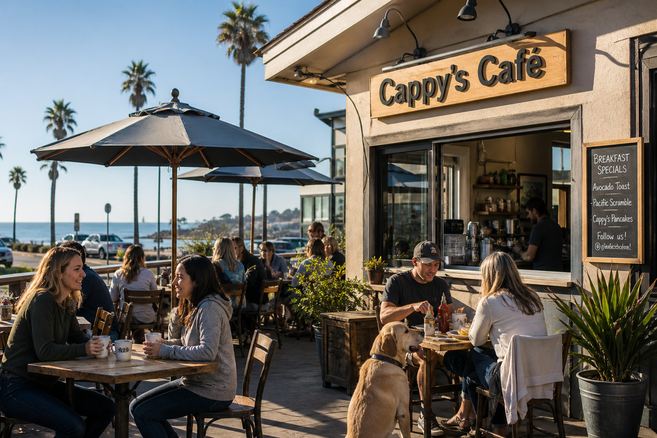
Discover operational insights, business strategies, and customer experiences drawn from Cappys Cafe in Newport Beach. Learn how this iconic breakfast and lunch spot thrives through community connection, technology, and unique hospitality.
May 5, 2026

Struggling with employee retention? Learn how unpredictable scheduling drives turnover and what you can do to create a more stable workforce.
May 4, 2026
Photo by on Unsplash
GoTo Foods blends seven iconic brands to push snacking as a growth engine, expanding dayparts, off-premise channels, and co-branding.
May 3, 2026
Mark Graff steps in as CFO to anchor Red Robin's First Choice turnaround with disciplined financial leadership.
May 3, 2026
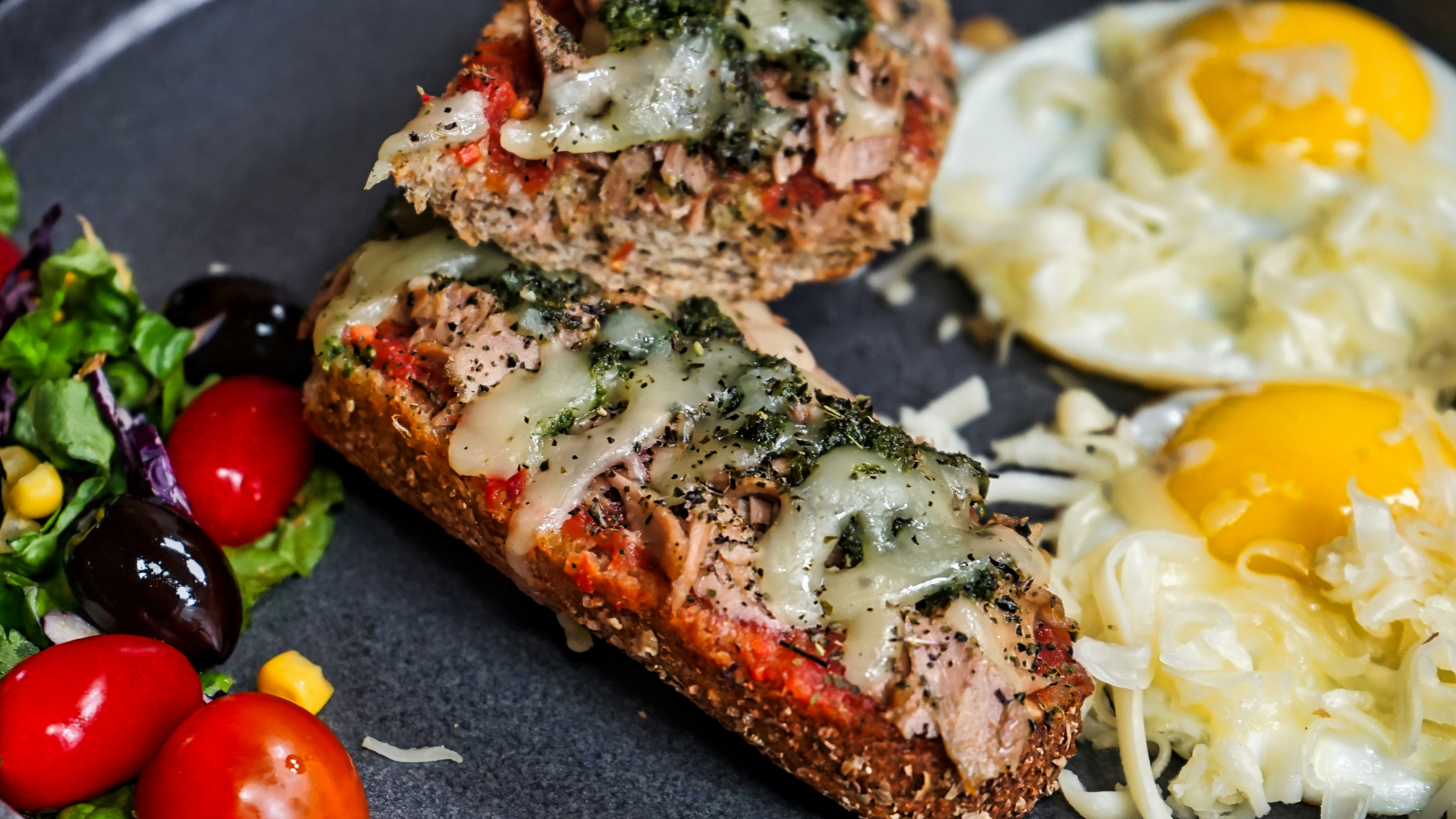
Photo by Graphe Tween on Unsplash
Doinita Leahu redefines hospitality leadership with practical training, mentorship, and people-first systems guiding Vicious Biscuit’s growth.
May 3, 2026
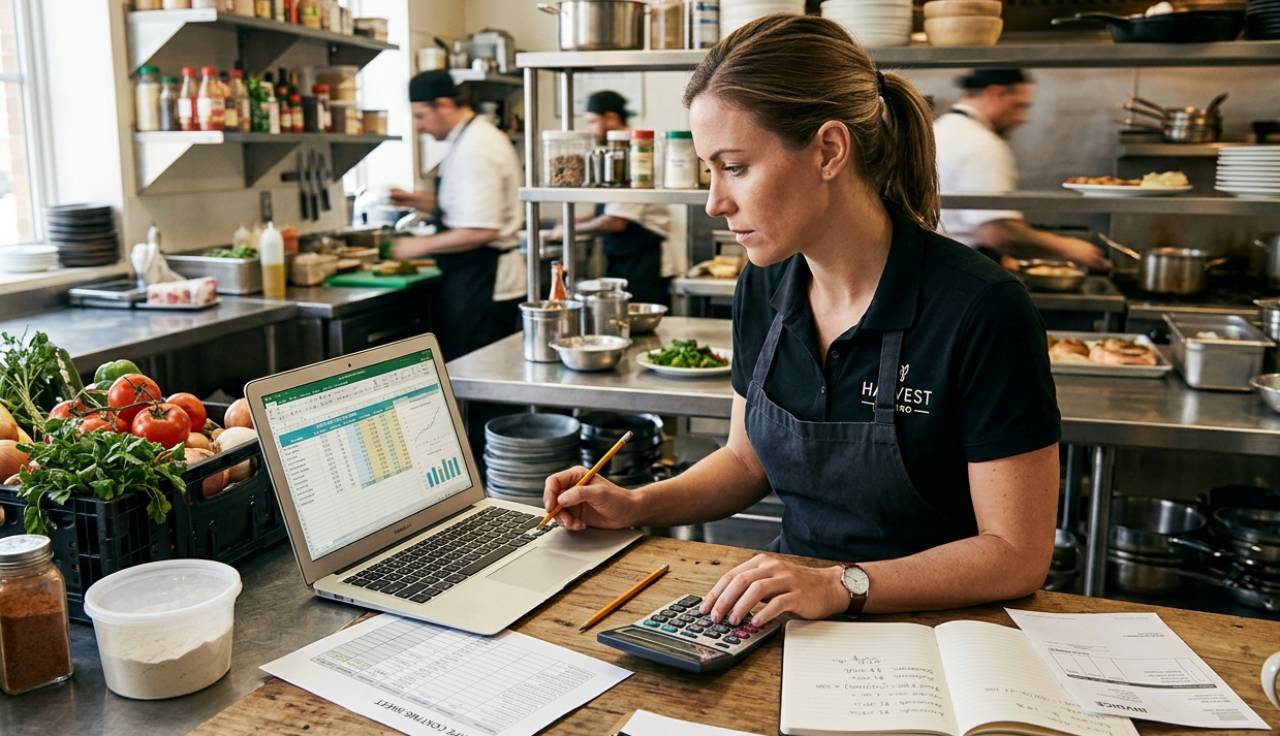
Learn how to calculate food cost, control margins, reduce waste, price menu items, and use technology to improve restaurant profit.
Apr 29, 2026
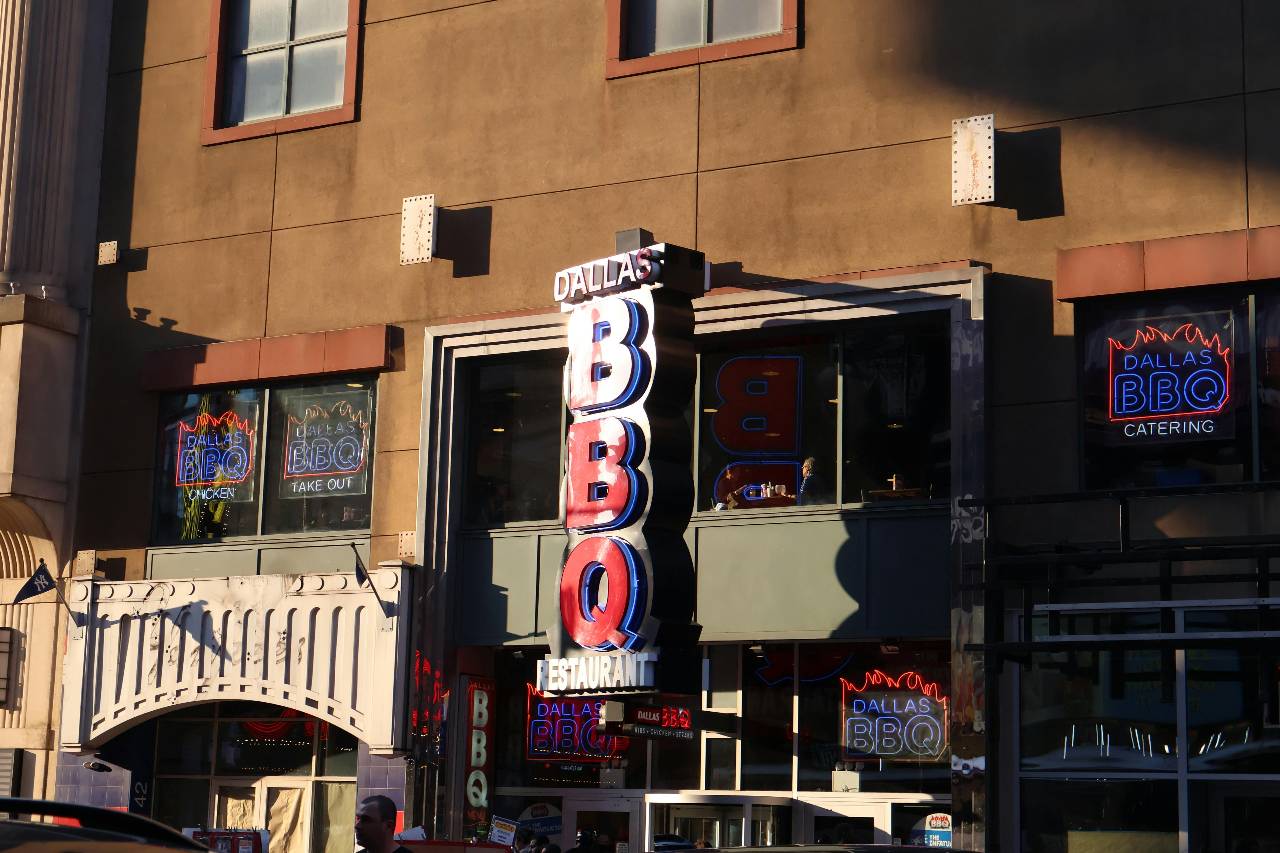
Explore high-traffic Texas markets where restaurants can succeed by matching concepts, customer behavior, visibility, and daily demand.
Apr 30, 2026

Photo by Unseen Histories on Unsplash
A look at how U.S. brands expand through multi-unit deals, cross-border partnerships, and seasoned operators in 2026.
Apr 29, 2026
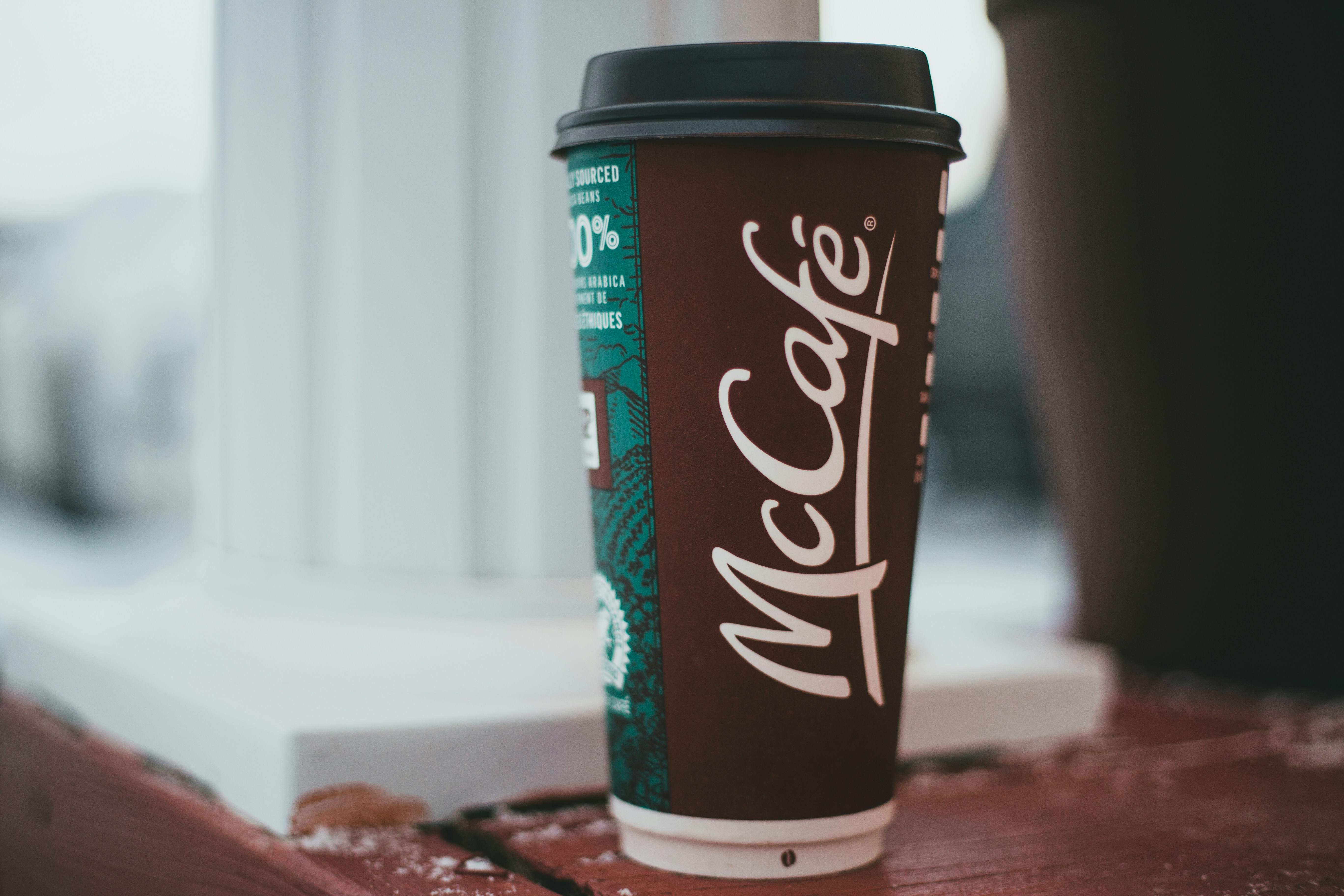
Photo by Erik Mclean on Unsplash
McDonald’s unveils six beverages across 14,000 restaurants on May 6, expanding McCafé with Refresher and crafted sodas and a new store-level beverage specialist role.
Apr 29, 2026
A close look at Taco Bell's Cantina platform, blending premium chicken concepts with value-driven offerings to sustain growth and broaden appeal.

Photo by Fiona Calisti on Unsplash
At the center of Taco Bell's latest maneuver lies a disciplined bet: pair premium Cantina innovations with a value-forward portfolio to sustain momentum across price points. The Cantina concept has nudged the chicken portion of the sales mix upward, and approximately one in four orders now includes a Cantina item. In the third quarter, the launch of Cantina Chicken Cheese Street Taco Chalupas was described as “off to a good start,” signaling that premium, street-inspired offerings can quickly become everyday purchases. This dual-focus mirrors a broader aim: to keep the menu fresh and accessible at the same time, inviting both new guests and returning fans to engage with the brand in meaningful, repeatable ways.
Cantina is not a one-off novelty but a living platform designed to circulate ideas across the menu. The aim is to blend craveability with repeatability, pairing premium chicken concepts with formats that scale across price points. Leadership has framed the Cantina concept as a living menu cycle rather than a fleeting trend, a structure built to sustain momentum through ongoing experimentation. In practice, this means a cadence of new variants and formats, anchored by chicken-focused offerings but adaptable enough to invite fresh ideas while staying familiar for regular guests. The result is a thoughtful balance that invites exploration without eroding trust.
Industry observers are treating Cantina as more than a single launch; it is the backbone for continuous product iteration. Axios notes that Gibbs framed Cantina as the backbone for ongoing innovation, signaling that the chain plans to extend Cantina concepts with new variants and formats through 2026. The narrative emphasizes a repeatable, modular lineup around chicken, a category the chain has signaled as central to its near-term growth ambitions. Executives describe Cantina as a testing ground where the company can balance bold ideas with a recognizable foundation, keeping customers returning for something new while still feeling familiar.
Cantina then becomes the operating model through which Taco Bell tests ideas—often anchored around chicken. This approach favors a disciplined, scalable pipeline: quick testing, limited-time executions, and reinvestment in the concept if it resonates. The framing suggests a strategic shift toward a repeatable system that can keep pace with evolving consumer tastes while preserving the brand’s core identity. In short, Cantina is the pivot that turns experimentation into a structured, repeatable rhythm.
On the premium side, Cantina bets pair bold chicken-driven offerings with a continuing push into value through the Cravings Value Menu, a 10-item lineup leadership describes as featuring “unique items that nobody else in the industry has.” They’re not Junior-sized versions of a core item, they stand in their own right, and they’re incredibly craveable. That translation matters: it creates distinctiveness on the plate while building a protective moat around value amid price pressures. The philosophy isn’t simple price cutting; it’s a curated, creative approach that broadens the brand’s appeal without eroding margins. The result is a balanced repertoire that maintains appetite for both premium bites and everyday moments.
Industry coverage has highlighted how this blend—premium prototypes paired with distinctive value offerings—supports growth without collapsing into a price war. The strategy places emphasis on creativity over pure price reductions, aiming to sustain volume while reinforcing brand differentiation and shielding margins. In practice, the team leans into limited-time iterations that keep Cantina in motion, while the core menu remains stable enough to maintain trust. It’s a careful balance: fresh ideas that surprise without alienating the guest who returns for predictability.
Looking to knit premium experiences to clear value signals, Taco Bell rolled out the Luxe Box toward the end of the second quarter at a $7 price point and carried it into the third quarter, with messaging pegged to a 55% saving versus buying the items separately. The bundle approach demonstrates that perceived value can come from thoughtfully curated combinations rather than simple price cuts. At the same time, premium selections have evolved, with items like Cheesy Street Chalupas introduced as a mid-July limited-time offering to reinforce the dual focus on value and premium experiences. The tactic aims for short-term sales spikes while widening appeal to new guests and encouraging repeat visits.
The Luxe Box pairs well with the ongoing Cravings lineup, illustrating how a bundle strategy can deliver perceived value without eroding the brand’s premium aura. The narrative frames these moves as purpose-driven experiments designed to drive volume during value cycles while keeping Cantina's premium edge visible. By tying curated assortments to meaningful savings, Taco Bell seeks not only to spike transactions but also to deepen engagement with guests who are drawn to a more elevated, yet accessible, quick-service experience.
Beyond Cantina basics, chicken momentum extends to new ideas for 2026—Cantina Chicken Mexican Pizza and Diablo Dusted Crispy Chicken Nuggets. At the Live Más LIVE event and in subsequent communications, executives signaled these innovations as part of the brand’s broader chicken-forward agenda. Cantina Chicken is already making inroads, described as contributing to meaningful order-level shifts. The momentum aligns with a broader industry focus on chicken as a central battleground in fast service, where brands balance premium prototypes with scalable formats. The strategic logic is simple: chicken-forward concepts can blend craveability with repeatability across formats and price tiers.
Industry coverage points to a broader pivot around chicken in quick service. U.S. chicken-related offerings have driven notable growth across brands, with growth trajectories expected to extend through 2030. This context helps explain Taco Bell’s Cantina focus as a differentiator when combined with a disciplined value backbone. The brand’s ability to translate menu experimentation into repeatable consumer behavior—while sustaining a value-led core—appears to be a deliberate response to competitive pressures and evolving tastes.
Taken together, Taco Bell’s strategy reflects a deliberate attempt to navigate the tension between premium innovation and value-driven demand. By boosting the chicken mix through Cantina and leveraging the Cravings Value Menu to differentiate without triggering price wars, the brand aims to build a resilient growth engine. The Luxe Box and ongoing LTOs demonstrate a flexible execution that can adapt to shifting tastes while reinforcing the core proposition: high-crave, bite-sized experiences that feel premium yet accessible. The Cantina platform is not a one-off campaign but a platform the chain intends to expand, refine, and continuously refresh, with chicken-centric innovation likely to remain at the heart of Taco Bell’s strategic roadmap through 2026 and beyond.
This balanced, nourishing blueprint reflects a mindful approach to growth—one that favors repetition over novelty's noise. By weaving premium momentum with accessible value and thoughtful menu renewal, Taco Bell can nourish both guests and the business, season after season.