Heat-Driven Expansion: Angry Chickz
A profile of Angry Chickz’s bold heat, culture-led growth, and disciplined franchise model expanding from California to Texas and Arizona.
Franchising
Apr 18, 2026
A profile of Angry Chickz’s bold heat, culture-led growth, and disciplined franchise model expanding from California to Texas and Arizona.
Apr 18, 2026
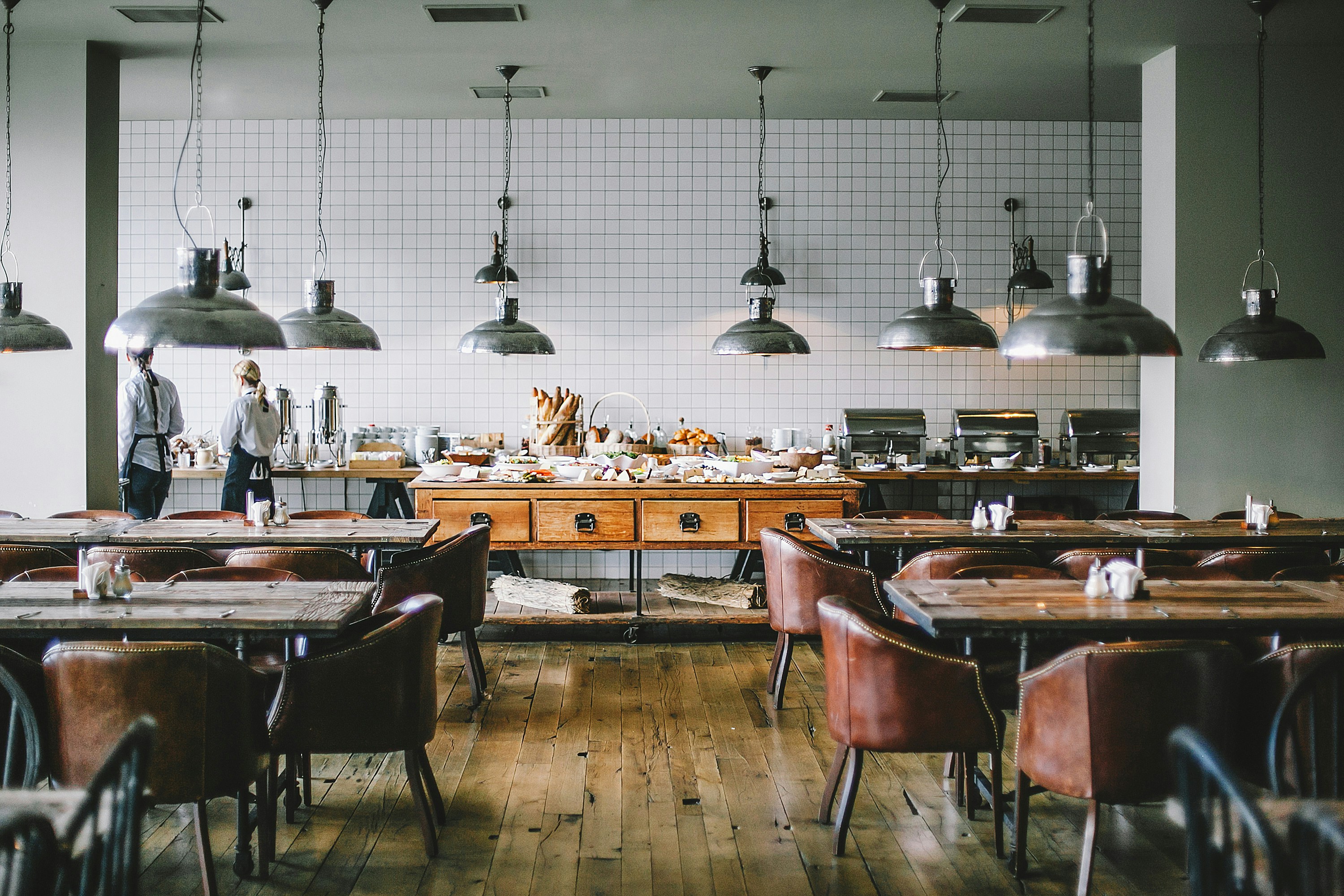
Photo by Maria Orlova on Unsplash
NRN's Investment Summit connects emerging restaurant brands with investors in Nashville, blending education, pitches, and deal-making to accelerate growth.
Apr 18, 2026
RaceTrac acquires Potbelly to accelerate a franchising-led expansion, backed by new leadership and an expanded development playbook.
Apr 18, 2026
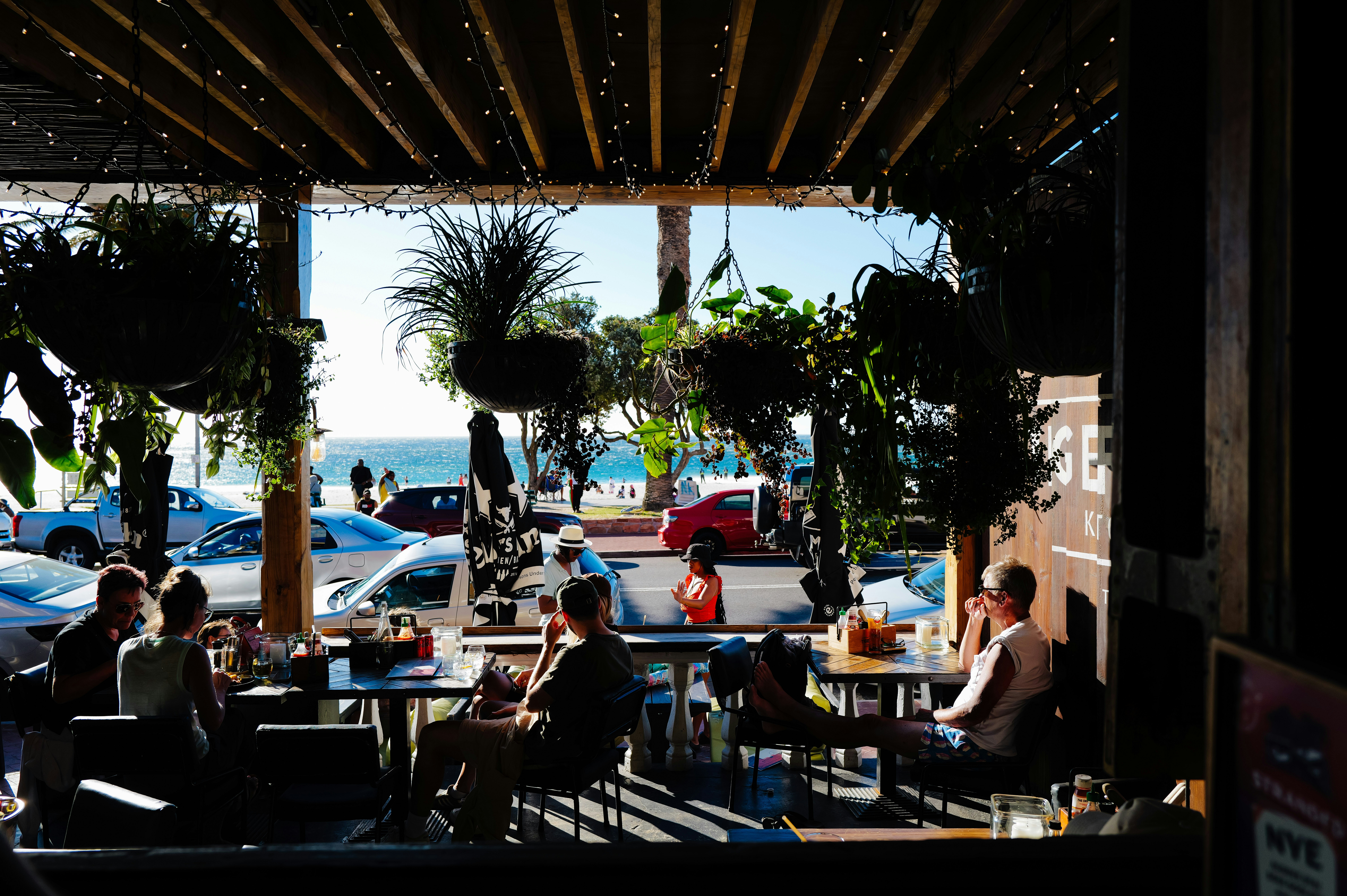
Photo by Adrien Olichon on Unsplash
Chili’s brings back Ziosk for pay-at-table, loyalty, and AI insights across 1,100+ locations, signaling a thoughtful, guest-focused digital restart.
Apr 18, 2026
Photo by The 77 Human Needs System on Unsplash
Scottsdale welcomes a compact, all-day market from True Food Kitchen blending wellness-forward meals with grab-and-go convenience, signaling broader growth into market formats.
Apr 18, 2026
The Melting Pot blends modernization with conversions to grow, inviting brighter guest experiences while honoring its fondue heritage.
Apr 18, 2026
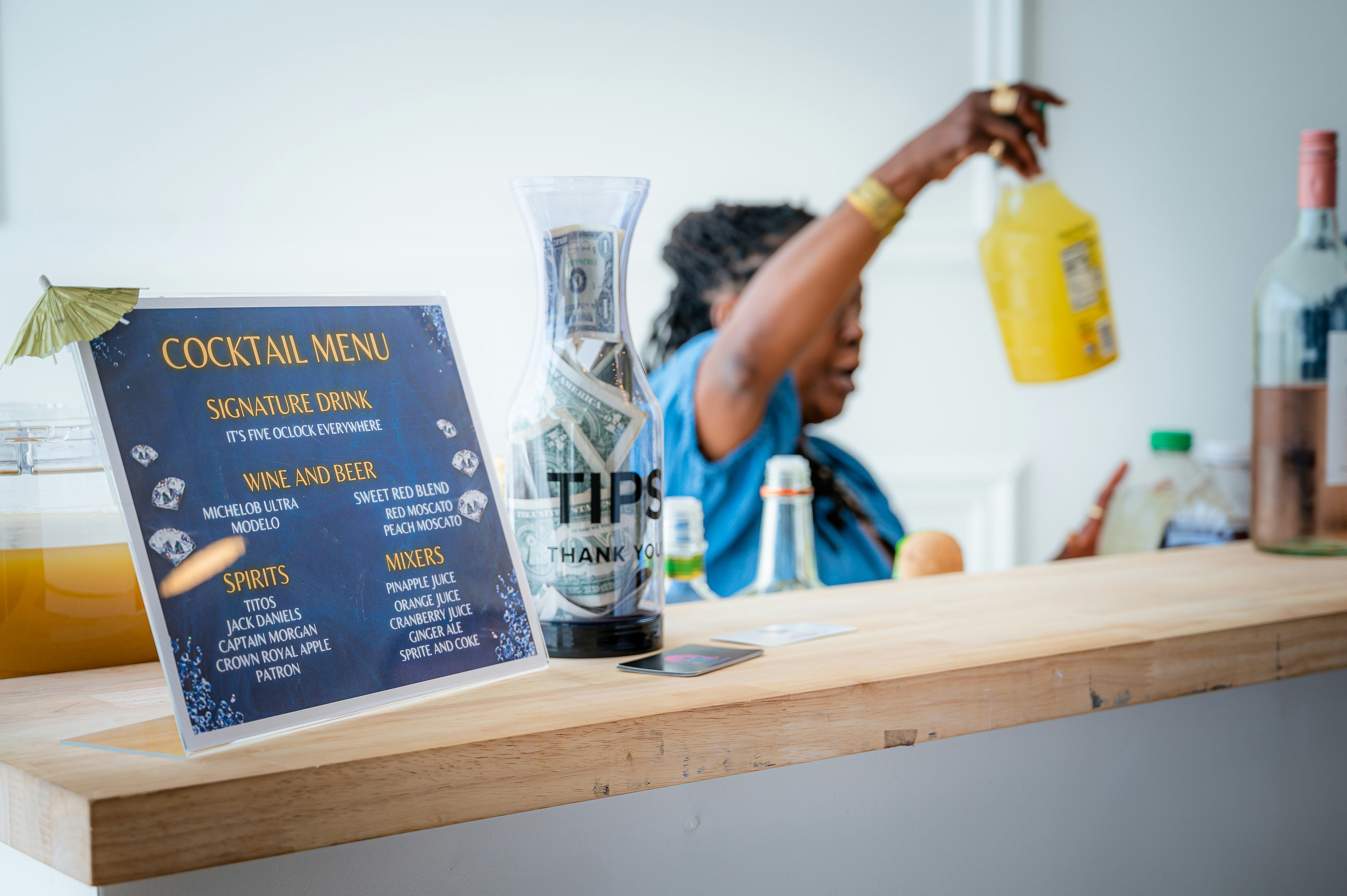
Photo by Matt Benson on Unsplash
South Block grows along the East Coast with Savory Fund, preserving neighborhood-first ethos and people-on-the-block philosophy.
Apr 18, 2026

Photo by Julian Myles on Unsplash
California's 2024 PAGA reforms curb abuse and streamline workplace claims, balancing worker protections with clearer compliance guardrails for employers.
Apr 18, 2026
A thoughtful look at how fast-service restaurants are embedding safety into infrastructure through cameras, lighting, guards, and real-time communications.
Apr 17, 2026
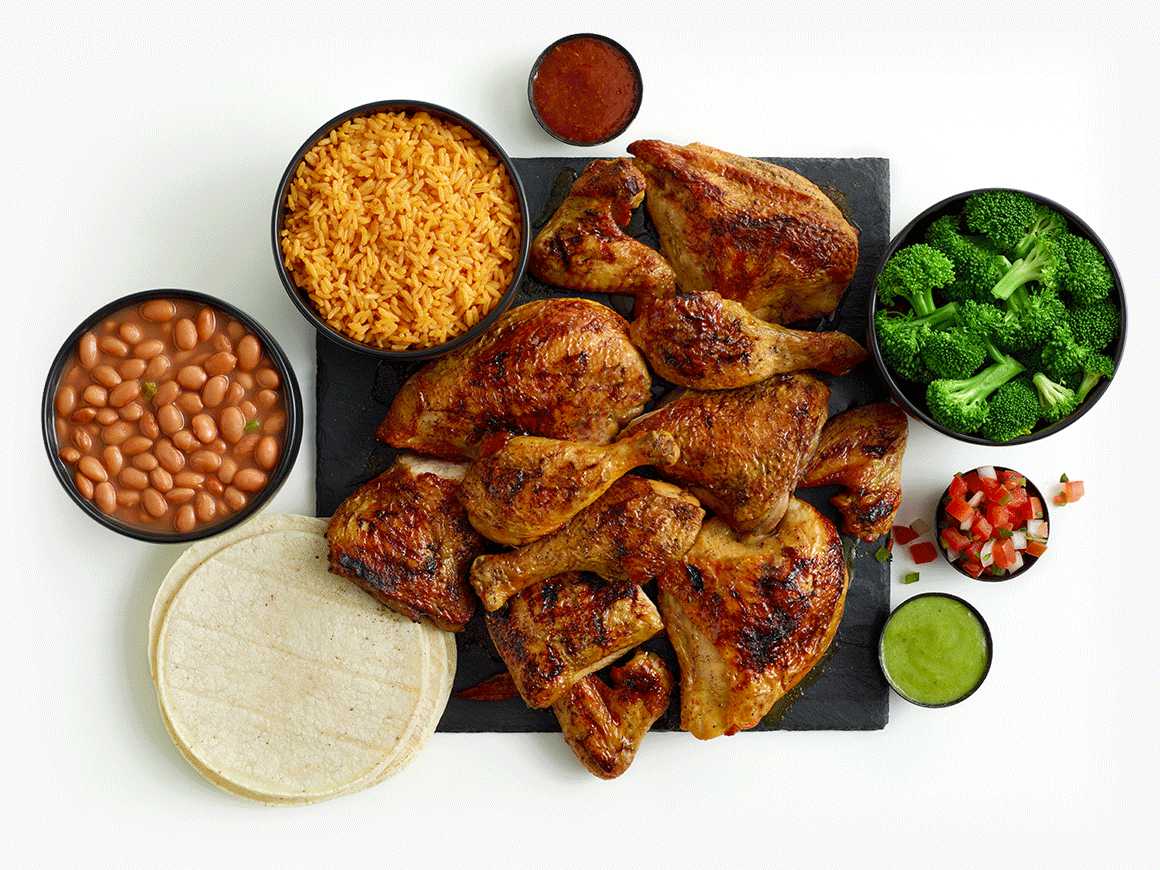
Four leaders map growth through core offerings, culture, and authentic marketing, outlining Swig, L&L Hawaiian Barbecue, Firebirds, and El Pollo Loco.
Apr 17, 2026
A refined look at how menus revive favorites and push new textures across brands this season.
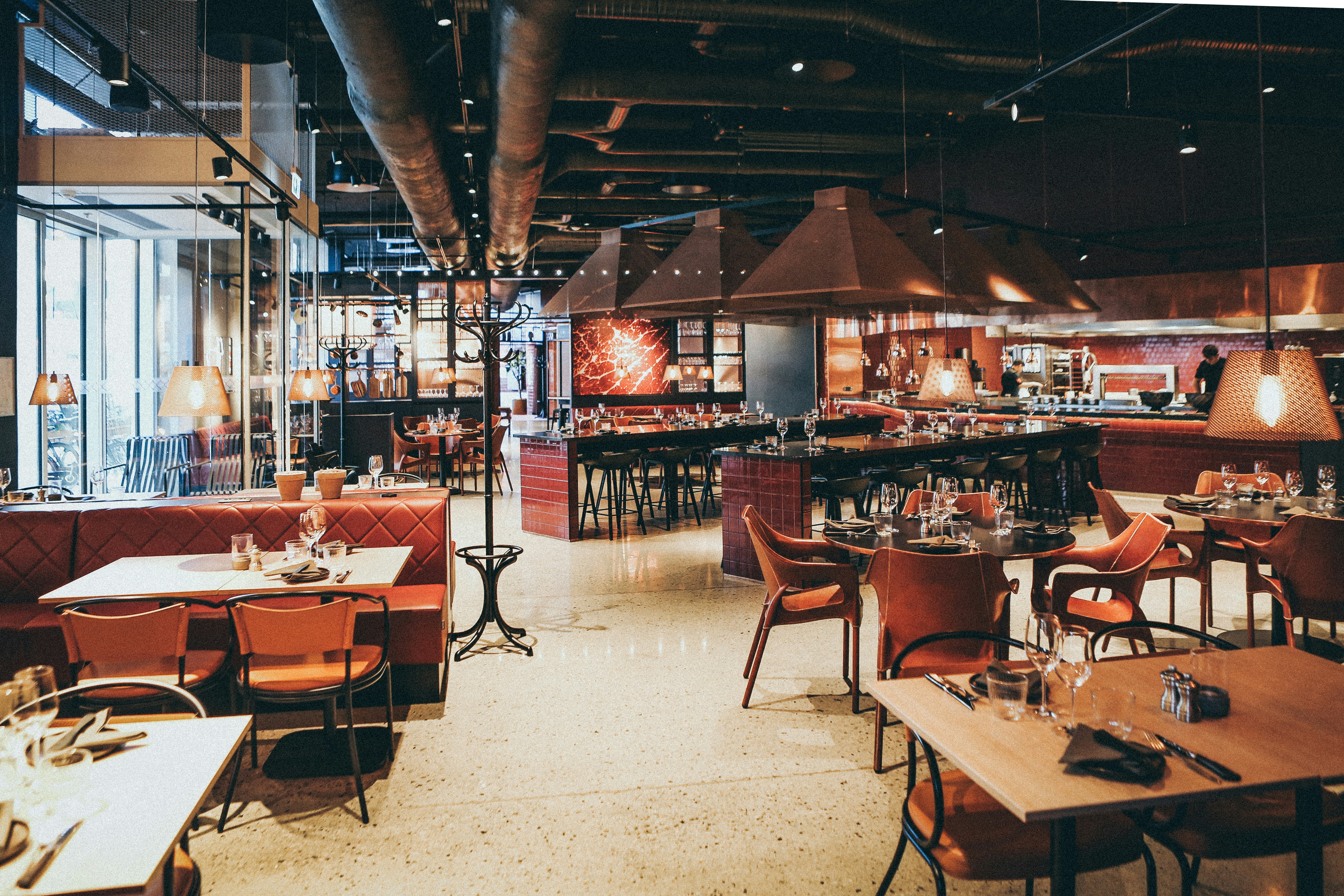
Photo by Nick Karvounis on Unsplash
Summer's warmth has a refined way of coaxing memory and appetite alike. Across the dining landscape, a familiar cadence returns—nostalgia now wearing a sharper edge of curiosity. Chains rekindle a smoky Quarter Pounder with Cheese, pair it with a new McFlurry, inviting both longtime fans and the curious to revisit old favorites through a brighter, bolder lens. The revival reaches beyond a single star dish: Panda Express Hot Orange Chicken returns as a limited-time spotlight, while Panera Bread tests avocado toast alongside the reintroduction of sesame and blueberry bagels that once vanished from the bakery case. At Carl’s Jr., Everything bagel ideas flirt with Palm Springs through a granulated garlic-and-onion mix, sesame seeds, poppy seeds, and coarse salt. The season reads like a choreography of nostalgia and novelty, a conscious effort to stay fresh without sacrificing familiarity: a summer menu that invites conversation and restraint.
Beyond a single recipe, the industry is engineering formats that emphasize texture and global cues. Panera’s April overhaul, followed by the reintroduction of sesame and blueberry bagels, exemplifies a broader push to recover bakery staples while expanding value with lighter, craveable additions like avocado toast. The pattern is clear: tested staples reemerge, often with new textures or toppings, to sustain excitement without retreating into repetition. Meanwhile Taco Bell and El Pollo Loco have refreshed versions of familiar items and introduced new burritos or bowls, broadening value propositions while leaning on recognizable frameworks. In this moment, old favorites are reimagined, and cross-cultural pairings travel across channels with ease.
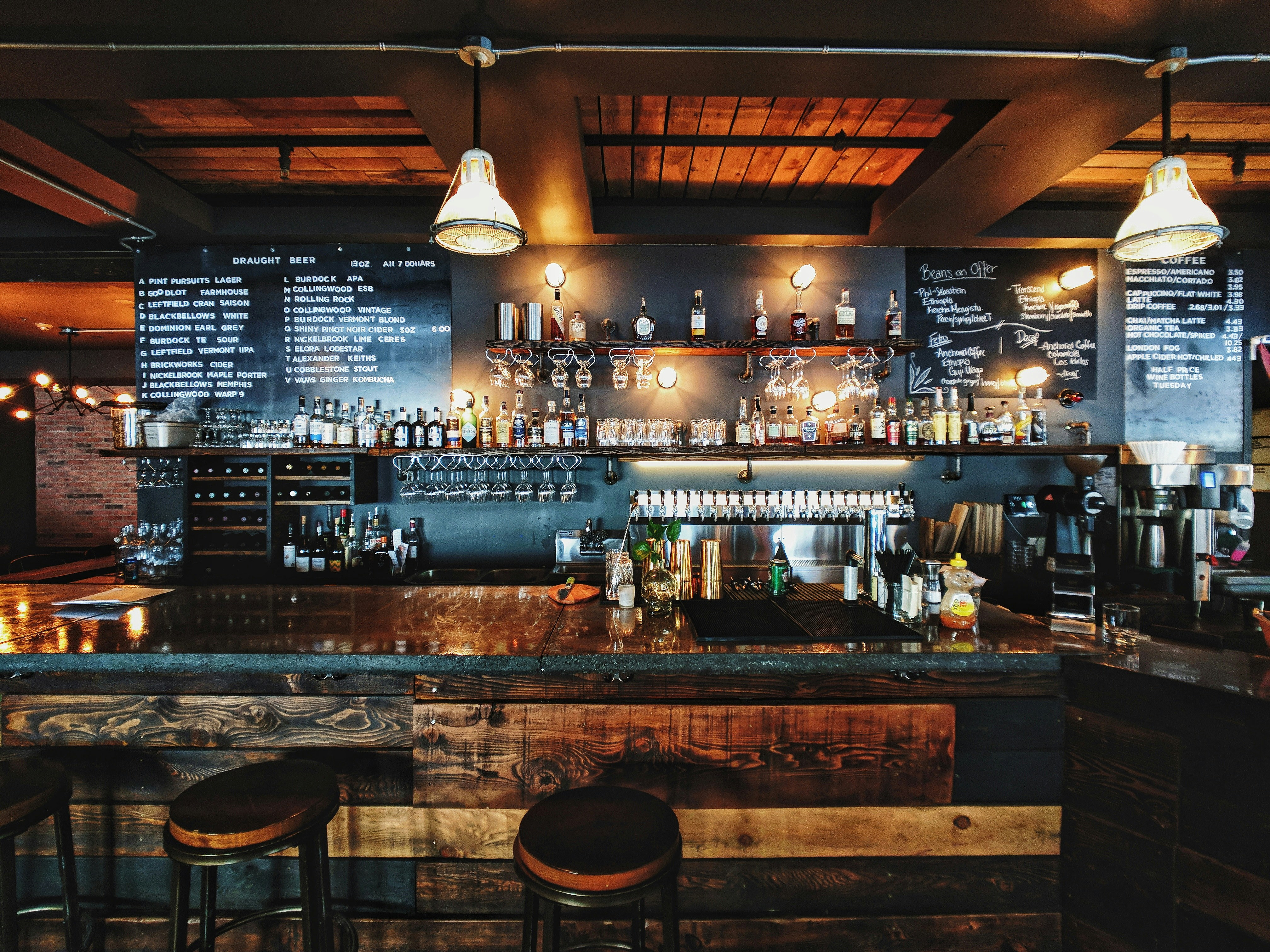
Industry observers weigh in on this broader push. A Taco Bell executive frames the Street Chalupas and Nacho Fries as pairing a familiar flavor with a platform that’s increasingly popular among guests. As Liz Matthews, Taco Bell’s global chief food innovation officer, described the Chicken Bacon Ranch Street Chalupas, the aim is to give a classic flavor new life on a different stage, supported by cross-promotional campaigns. The conversation around Charleys’ Kimchi Cheesesteaks points to a similar willingness to blend American staples with Korean accents, while Velvet Taco’s leadership highlights the strategic value of its Weekly Bowl in reconciling novelty with operational efficiency.
These real-time reactions sketch a sector where constructive risk-taking is normalized and even expected by guests. The dialogue travels beyond menus into cross-promotional campaigns and media coverage, reinforcing a broader belief that familiarity can coexist with fresh formats and bold accents.
The business logic behind these moves is nuanced. Some limited-time items ride the calendar, while others function as test vehicles for longer formats. A high-profile example is a major collaboration that temporarily brought Krispy Kreme doughnuts into McDonald’s restaurants as part of a broader rollout, with plans to reach national scale by the end of 2026; observers noted the partnership’s phased approach and the shift in access points, even as the partnership was later adjusted. In parallel, Panda Express’ Hot Orange Chicken returned as a limited-time summer offering tied to a heat-and-sizzle narrative through July into early fall. The Olympic-themed Krispy Kreme donuts rollout from 2024–2025 illustrates how storytelling and timely events intersect with product launches. Taken together, the timeline logic—seasonal LTOs, culture-forward collabs, and public-facing marketing—shapes guest expectations for a summer of constant novelty.
What emerges is a rhythm in which access, timing, and narrative converge to redefine a season of hospitality. The industry learns to invite guests into a perpetual moment of discovery, where a familiar logo signals something both comforting and new.
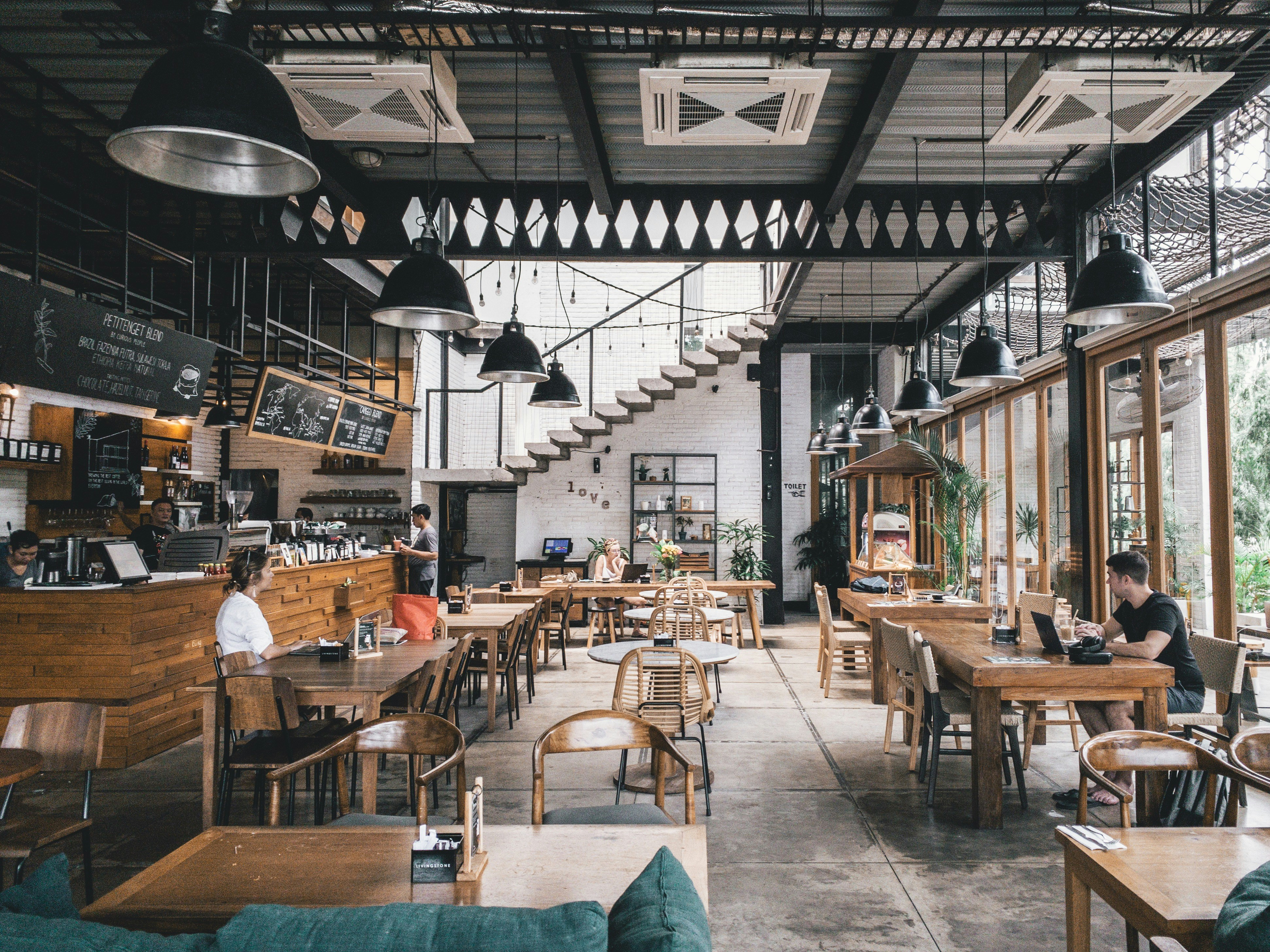
These moves sit within a broader industry pattern: chains embracing collaboration and flavor fusion to differentiate themselves in a crowded field. Panera’s evolution, the Kimchi Cheesesteak at Charleys, and Velvet Taco’s pivot to Velvet Bowls reflect a sector-wide appetite for frictionless customization, cross-cultural flavors, and formats that scale efficiently. The beverage segment is not left out; non-alcoholic cocktails and mocktails are becoming a visible arm of growth for several brands, including Biggby Coffee, Black Bear Diner, and Ruby Slipper, signaling a broader consumer shift toward sophisticated, alcohol-free options. Meanwhile, the industry tracks how single-item revivals interact with brand narratives—how a beloved sandwich or bowl can become the umbrella for a broader hospitality moment.
News coverage and brand materials from across the sector illustrate a momentum-driven market where collaborations, textures, and formats weave into larger cultural conversations. The story is not merely about novelty; it is about a sustainable cadence of experimentation that guests can follow across days, weeks, and seasons.
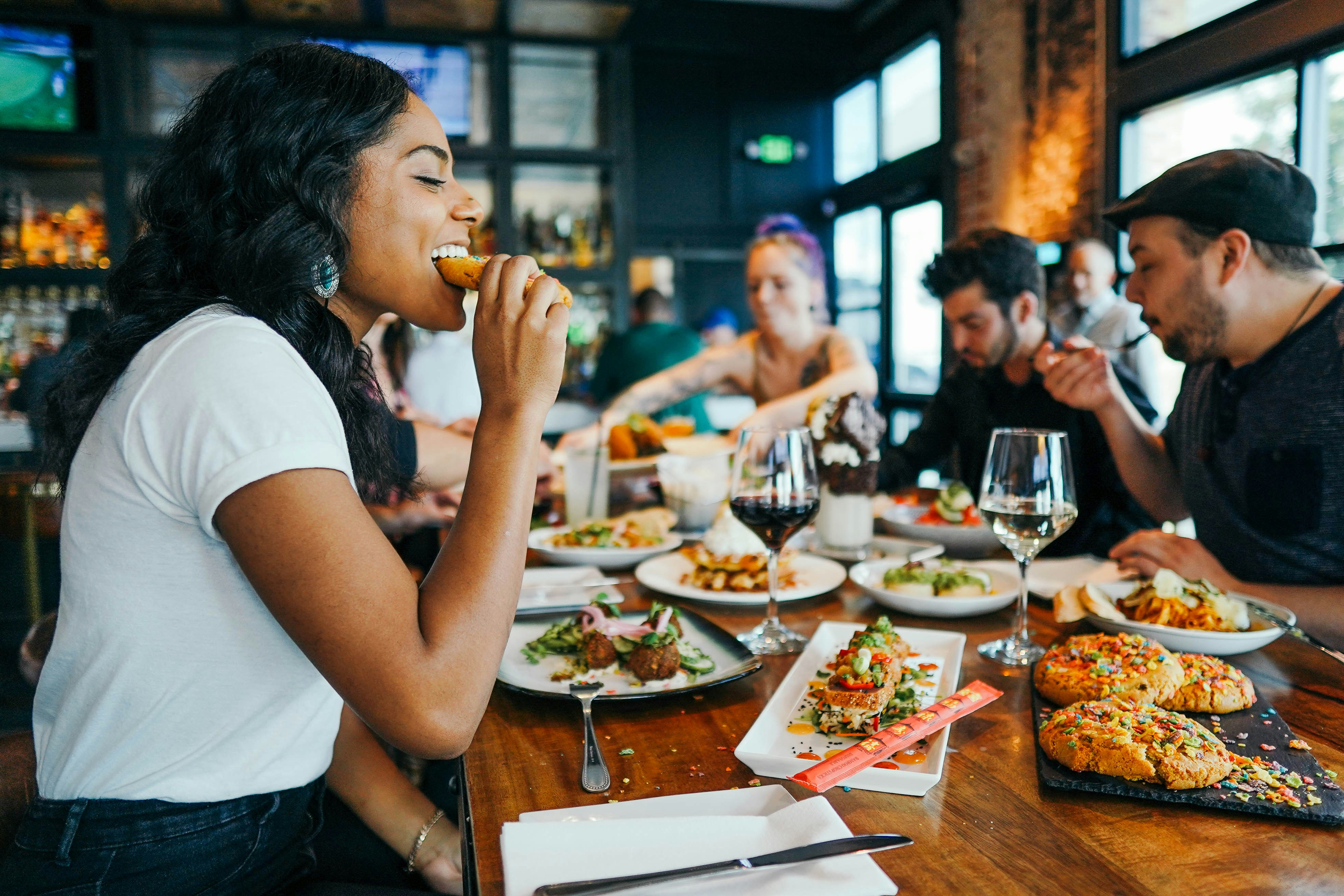
For guests, summer 2026 unfolds as a tour of familiar favorites reimagined through new textures, cross-cultural pairings, and dynamic beverage options. The ongoing experimentation—air-fried proteins, kimchi accents, poke-inspired bowls, and non-alcoholic cocktails—offers more ways to tailor meals to different tastes, dietary preferences, and occasions. For operators, the pattern signals a demand for agile menus, rapid prototyping, and event-driven storytelling that ties updates to community moments and national narratives alike. The cross-brand collaborations and media-driven promotions—such as FF XIV-inspired Gong Cha beverages and Olympics-themed donuts—also illustrate how brands are leveraging pop culture to create shareable experiences that extend beyond the store. In this evolving landscape, transparency about availability, timing, and regional differences remains essential to maintaining trust and sustaining the value of these innovation efforts.