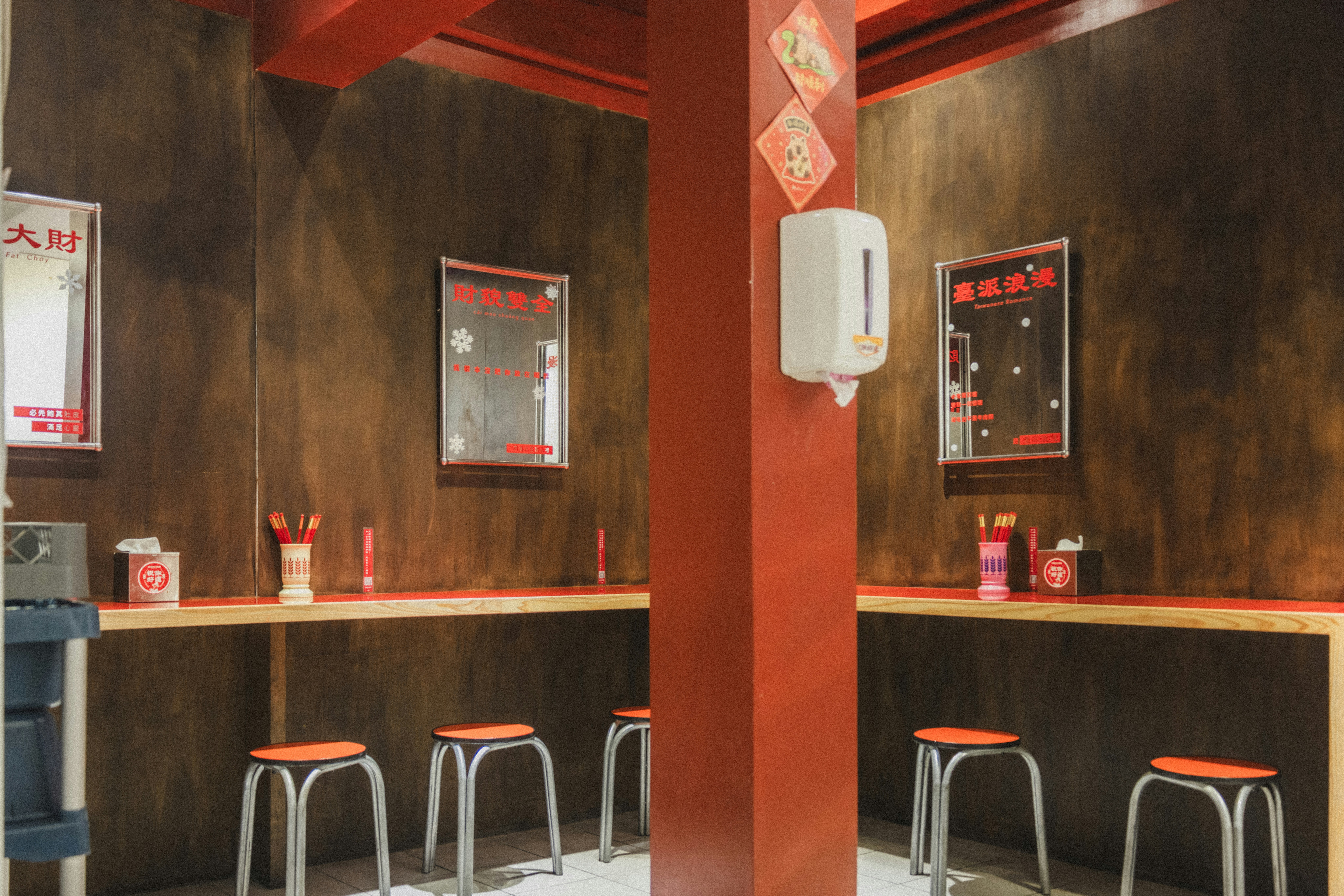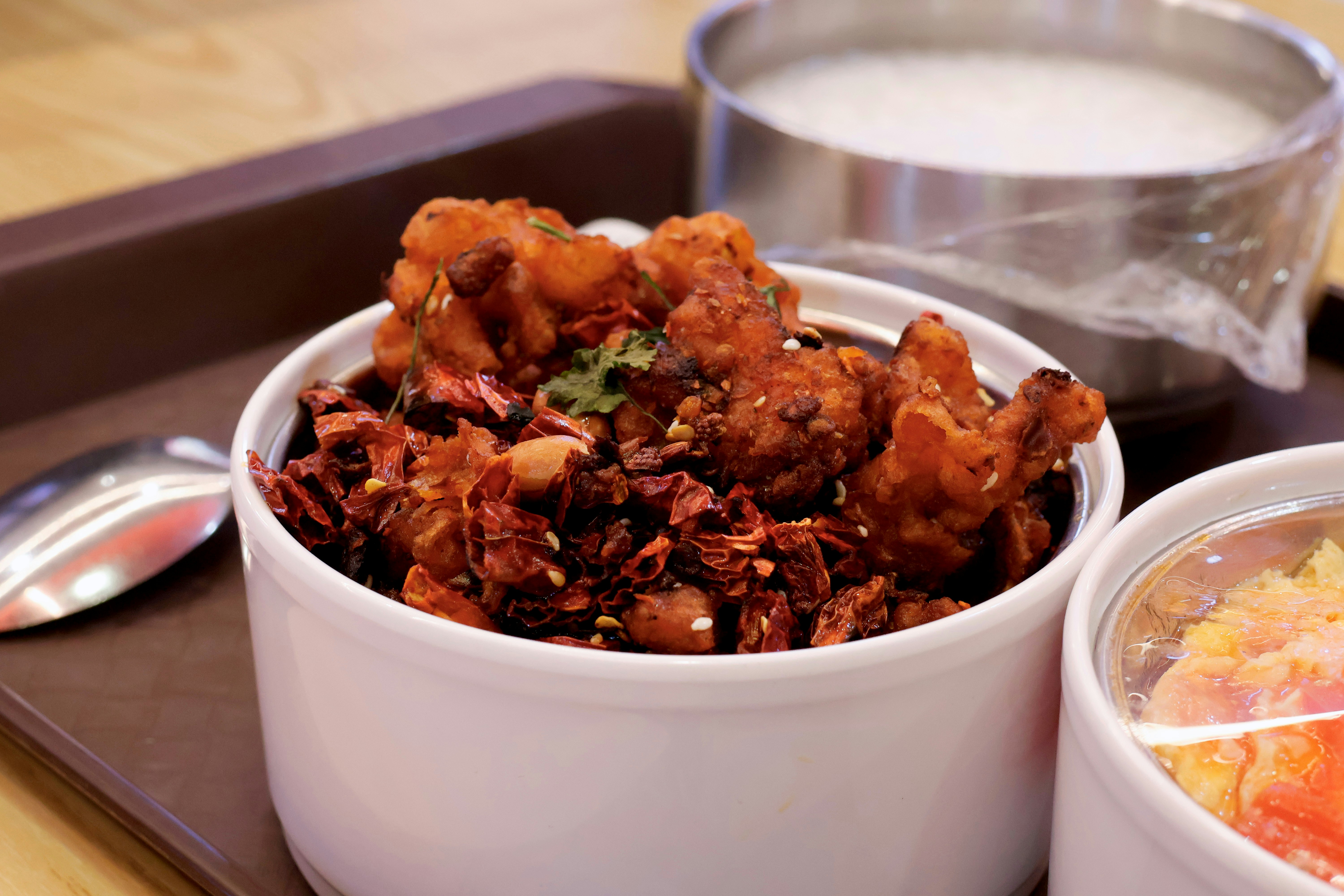
Heat-Driven Expansion: Angry Chickz
A profile of Angry Chickz’s bold heat, culture-led growth, and disciplined franchise model expanding from California to Texas and Arizona.
Franchising
Apr 18, 2026
A profile of Angry Chickz’s bold heat, culture-led growth, and disciplined franchise model expanding from California to Texas and Arizona.
Apr 18, 2026

Photo by Maria Orlova on Unsplash
NRN's Investment Summit connects emerging restaurant brands with investors in Nashville, blending education, pitches, and deal-making to accelerate growth.
Apr 18, 2026

RaceTrac acquires Potbelly to accelerate a franchising-led expansion, backed by new leadership and an expanded development playbook.
Apr 18, 2026
Photo by Adrien Olichon on Unsplash
Chili’s brings back Ziosk for pay-at-table, loyalty, and AI insights across 1,100+ locations, signaling a thoughtful, guest-focused digital restart.
Apr 18, 2026

Photo by The 77 Human Needs System on Unsplash
Scottsdale welcomes a compact, all-day market from True Food Kitchen blending wellness-forward meals with grab-and-go convenience, signaling broader growth into market formats.
Apr 18, 2026
The Melting Pot blends modernization with conversions to grow, inviting brighter guest experiences while honoring its fondue heritage.
Apr 18, 2026
Photo by Matt Benson on Unsplash
South Block grows along the East Coast with Savory Fund, preserving neighborhood-first ethos and people-on-the-block philosophy.
Apr 18, 2026

Photo by Julian Myles on Unsplash
California's 2024 PAGA reforms curb abuse and streamline workplace claims, balancing worker protections with clearer compliance guardrails for employers.
Apr 18, 2026
A thoughtful look at how fast-service restaurants are embedding safety into infrastructure through cameras, lighting, guards, and real-time communications.
Apr 17, 2026
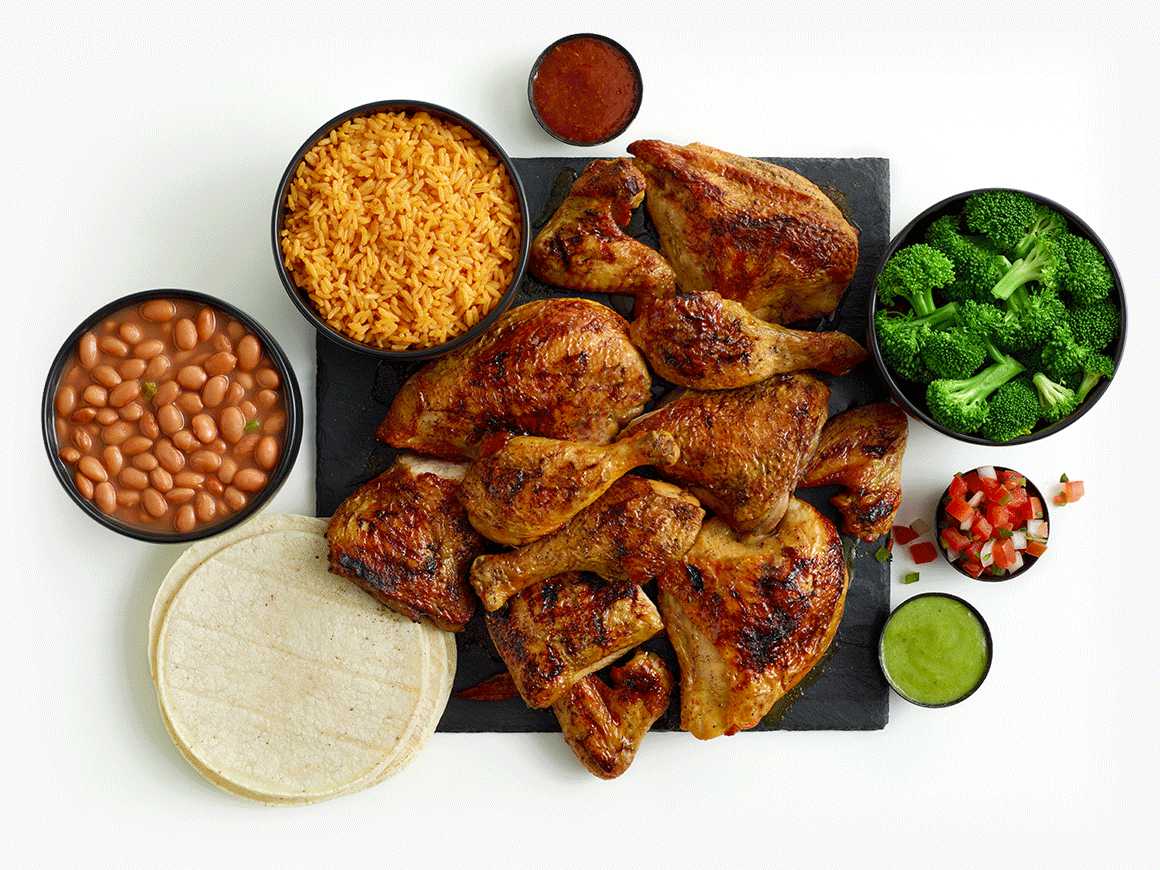
Four leaders map growth through core offerings, culture, and authentic marketing, outlining Swig, L&L Hawaiian Barbecue, Firebirds, and El Pollo Loco.
Apr 17, 2026
Explore how Quick-Service Restaurants are adapting to consumer dissatisfaction with inflated prices through value propositions and promotions.

Photo by Patrick Tomasso on Unsplash
Recent earnings calls have painted a bleak picture for Quick-Service Restaurants (QSRs) as many giants like McDonald’s, Wendy’s, and Starbucks witnessed a decline in year-over-year sales, signaling a trend of displeasure among patrons due to inflated prices. The industry has seen a significant slowdown, with executives attributing the drop to consumers voicing concerns over pricing strategies that have inflated over the years.
To counteract the sales downturn, QSRs are strategically focusing on offering better value propositions to lure back cost-weary consumers. Value meals have become a popular tactic among various chains like Carl’s Jr., Burger King, Sonic, and more. McDonald’s, in response to consumer dissatisfaction, extended its value meal offering, showcasing a responsiveness to customer demands for affordable options. Such moves reflect a shift in the industry towards prioritizing consumer value.

Photo by Patrick Tomasso on Unsplash
The repercussions of consumer discontent have not only impacted QSRs but have also trickled down the supply chain, affecting packaging suppliers. Companies like Graphic Packaging International and Berry Global have expressed optimism that new QSR promotions and value propositions will help boost volumes in the coming quarters. Packaging partners are gearing up to support the expected increase in demand resulting from the QSRs' marketing strategies.
As consumer preferences shift towards seeking value for their money, QSRs are pivoting their offerings to align with these trends. Executives from major chains emphasized the importance of providing affordable options to meet customer expectations. By introducing disruptive deals, value meals, and everyday value tracks, brands like Yum! Brands, McDonald’s, and others are trying to reconnect with consumers by offering attractive pricing strategies.

Photo by Patrick Tomasso on Unsplash
Packaging suppliers play a crucial role in supporting QSRs' strategies by remaining agile and responsive to market dynamics. CEOs and executives from companies like GPI and Berry Global acknowledged the importance of being able to adapt quickly to the changing demands of QSRs launching promotions. The ability to efficiently service customers with rapidly changing requirements is a key factor in driving success for both packaging suppliers and their QSR partners.
While the sales decline in the QSR sector has been evident in recent quarters, efforts to address consumer price concerns and offer better value propositions are expected to continue in the foreseeable future. The industry anticipates a prolonged period of focusing on providing affordable options to align with evolving consumer expectations. The challenge lies in making consumers feel positive about their choices in a market characterized by elevated prices and economic uncertainty.