How Much Does It Cost to Open a Coffee Shop in 2026?
Opening a coffee shop in 2026 requires careful cost planning across rent, equipment, labor, technology, menu strategy, marketing, and sustainability.
operations
May 15, 2026
Opening a coffee shop in 2026 requires careful cost planning across rent, equipment, labor, technology, menu strategy, marketing, and sustainability.
May 15, 2026
This AI playbook covers restaurant tools for voice ordering, staffing, compliance, menu pricing, inventory, marketing, ChatGPT prompts, and SEO.
May 15, 2026
Hardee’s giant Boddie-Noell inks 31-unit Scooter’s Coffee deal for NC and VA, leveraging drive-thru growth and local roots with rollout over 12–18 months.
May 15, 2026
Wingstop turns match weeks into a multi-sensory festival, aligning bold pop-ups with World Cup energy to build brand affinity and measurable momentum.
May 15, 2026
The parent company behind Dunkin', Buffalo Wild Wings, and Arby's has filed for an IPO a move that could reshape how Wall Street views the restaurant sector.
May 15, 2026
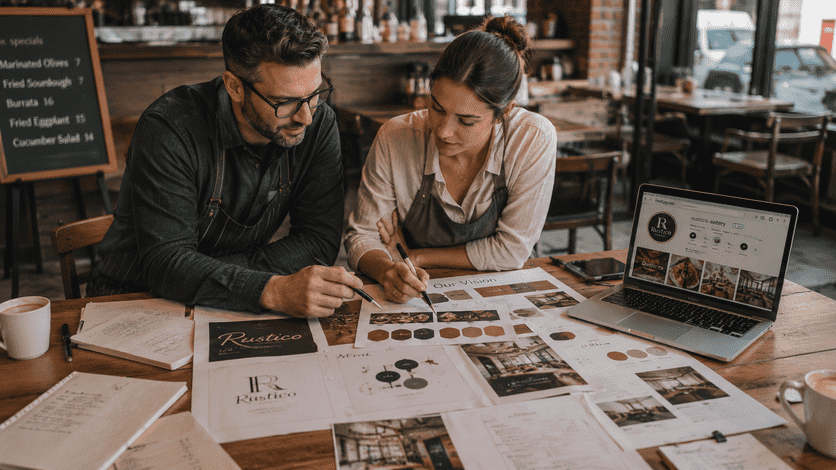
Learn how to develop a memorable restaurant brand identity that stands out in a crowded market, attracts loyal customers, and drives repeat business with actionable strategies and affordable tools.
May 15, 2026
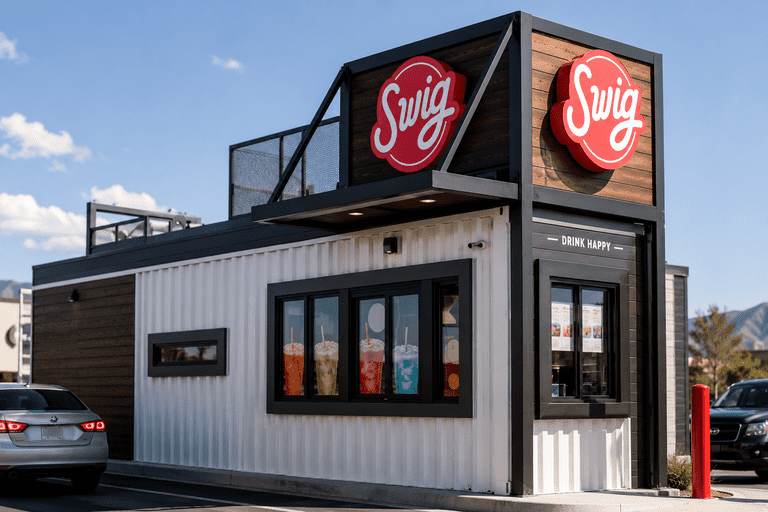
Dirty soda chain Swig is expanding into Colorado through a 10-unit franchise deal, riding a consumer beverage trend that's catching the attention of major QSR players nationwide.
May 15, 2026
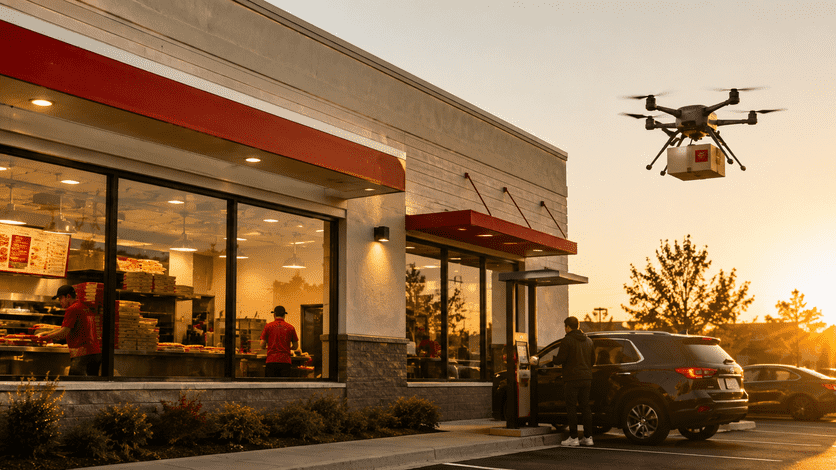
Papa Johns has teamed up with Alphabet's Wing for drone delivery of its new sandwich lineup in parts of Charlotte marking the first partnership of its kind between Wing and a national QSR brand.
May 15, 2026
A warm, expert-led look at McDonald’s Q1 results, menu makeover, and the refranchise question shaping its growth.
May 14, 2026
A reflective look at Habit Ranch, its immersive desert activation, and what it signals for brand loyalty and mindful, experiential dining.
May 14, 2026

Unlock Exclusive Access To Webinars, Events, And The Latest News For Free!
Peet’s trims stores—especially in California—while an $18B Keurig Dr Pepper takeover progresses, pairing targeted closures with a winter Vitality Menu, a Táche Pistachio Milk collaboration, and loyalty passes to sustain balanced, flavor-forward momentum.
Photo by chris robert
Peet’s Coffee has entered a period of intentional recalibration, realigning its U.S. store footprint while its parent, JDE Peet’s, proceeds through an all-cash tender offer by Keurig Dr Pepper valued at “$18 billion.” The formal offer launched in “mid-January 2026” and is slated to conclude in “early Q2 2026,” putting operational decisions and brand expression on a synchronized timeline. Within this window, Peet’s has kept flavor and value in view: a winter menu running “January through mid-March 2026,” refreshed packaging across grocery and online, and loyalty tools designed to sustain frequency. In a market where guests respond to clarity and care, the plan reads as a balanced, nourishing strategy—tighten where needed, yet keep the cup compelling. The brand’s cadence suggests a thoughtful prioritization of what matters most during change: dependable quality, energizing new options, and clear value. A Peetnik Rewards Cold Brew Pass—“$30 for 30 days”—is a concise promise that underlines access to daily rituals without overcomplication, complementing menu innovations that lean into energy and craft. This is not a retreat; it’s a re-centering. By pacing closures alongside a menu that highlights deliberate flavor builds and a packaging update that carries the brand’s craftsmanship into homes, Peet’s is composing a careful bridge from one ownership era to the next. Analysis: The concurrent footprint rationalization, tender offer timeline, and menu-plus-loyalty cadence indicate a coordinated approach to maintain engagement and value while preparing for a new corporate structure.
The geography tells the story: “168” of Peet’s “199” company-owned stores in “2024” sit in California, making the state both a stronghold and a pressure point. That concentration explains why California sees the most pruning, even as its locations demonstrate higher productivity. The average unit volume in the state sits near “$1.5 million,” compared with “$1 million” elsewhere—evidence that stronger revenue potential resides where density is also highest. Between “2022” and “2024,” Peet’s closed “18” units in a methodical, measured fashion. The deliberate pace underscores a desire to balance neighborhood coverage with sustainable performance, trimming overlap while protecting the stores that carry the greatest resonance and results. It’s a familiar kitchen discipline applied to real estate: reduce where the flavors are redundant, keep what adds depth. By acknowledging both saturation and strength, the brand signals that consolidation is not synonymous with contraction of ambition. Instead, it is about calibrating presence—keeping the blend harmonious so that individual cafés don’t compete with each other for the same morning or afternoon occasion, and ensuring each location remains a thoughtfully placed ingredient in the broader mix. Analysis: California’s outsized density and higher AUVs justify targeted closures to relieve saturation while preserving top-line potential, aligning network health with unit-level performance.
Peet’s couples its spatial edits with product-led energy. The winter Vitality Menu brings “three” protein-powered smoothies—among them a Cold Brew Protein Smoothie and a Matcha Peach Protein Smoothie—featuring “16 g+” or “19 g+” whey protein. The collaboration with Táche Pistachio Milk adds Pistachio Rose and Pistachio Matcha Lattes, a pairing that emphasizes flavor-forward nuance with a nod to balanced indulgence. Concurrently, a packaging refresh in grocery and online channels carries the brand’s craftsmanship into daily routines at home. Pricing clarity reinforces the experience. A prior Peetnik Rewards Cold Brew Pass—“$30 for 30 days”—creates a dependable rhythm that nourishes loyalty while signaling value without diluting premium positioning. The brand frames these moves as drawing on its heritage in craft and delivering “balanced energy and flavor-forward experiences,” a promise that feels both modern and grounded. This is the culinary equivalent of a carefully composed platter: protein for staying power, bright flavors for lift, and texture from the pistachio-driven lattes—each component designed to stand alone yet harmonize. In a period of change, such coherence helps guests feel seen: the menu meets varied needs across times of day, while packaging updates make the Peet’s ritual portable. Analysis: The dual track—measured pruning alongside menu innovation, packaging refresh, and loyalty value—aims to preserve traffic and brand relevance as the footprint tightens.
The most visible near-term change sits close to Peet’s origin story: “approximately 30” Bay Area shops—among them locations in San Francisco’s Cole Valley and Castro neighborhoods—were closed by “January 30, 2026.” The company describes the move as aligning the business structure with long-term priorities. Against the emotional charge that accompanies neighborhood closures, a spokesperson reiterated commitment to quality and innovation, signaling that brand standards remain non-negotiable even as the map redraws. For guests, that reassurance matters. It suggests the sensory hallmarks—balanced brews, composed lattes, and a sense of ritual—will continue to guide decisions, even if the nearest café has changed. Meanwhile, menu updates and at-home packaging create alternate touchpoints. The goal is continuity: to keep the experience accessible across channels while the physical network sheds overlap. In culinary terms, the Bay Area changes read like trimming a lush garden: remove what crowds the canopy so the healthiest growth can breathe and light can reach what matters. Done carefully, that pruning can refresh the landscape without losing its character. Analysis: Localized closures highlight community impact, while assurances of quality and innovation indicate an intent to offset fewer storefronts with product-led engagement and consistent brand positioning.
The transaction backdrop is as consequential as the store map. Keurig Dr Pepper’s offer values JDE Peet’s at roughly “€15.7 billion (USD $18–18.4 billion),” representing a “33%” premium to recent trading. The tender runs from “January 16 to March 27, 2026,” with closing anticipated in “early Q2 2026” and unanimous support from JDE Peet’s board representing “69%” of shares. Post-acquisition, KDP plans to split into two independent U.S. companies. Beverage Co. will steward the broader portfolio, with “over $11 billion” in annual net sales and brands such as Dr Pepper, Snapple, and 7UP. Global Coffee Co. will become a pure-play coffee platform projected at about “$16 billion” in net sales. Leadership is mapped: Tim Cofer heading Beverage Co. in “Frisco, Texas,” and CFO Sudhanshu Priyadarshi leading Global Coffee Co., with a global headquarters in “Burlington, Massachusetts,” and an international base in “Amsterdam.” The companies expect “$400 million” in cost savings over “three years.” For Peet’s, this architecture sketches a dedicated home within a focused coffee entity. Scale, capital, and accountability line up behind category priorities, clarifying where the brand will be nurtured and how it may compete. Analysis: The split channels coffee investments into Global Coffee Co. with defined leadership and synergy targets, creating a tailored context for Peet’s to operate and potentially sharpen execution.
The ownership transition shapes more than headlines; it sets the tempo for operations. The tender’s launch in “mid-January 2026” and expected close in “early Q2 2026” create a window in which Peet’s can align store rationalization, menu cadence, and packaging rollouts with integration planning. Post-closing pathways could include buy-out or demerger scenarios depending on acceptance levels, but the throughline is clear: prepare the brand to fit seamlessly within Global Coffee Co.’s model and synergy roadmap. Streamlining now serves two aims. First, it enhances unit-level economics by easing saturation in dense markets. Second, it trims organizational complexity ahead of a new parent structure targeting “$400 million” in savings over “three years.” The winter menu window—“January through mid-March 2026”—keeps the brand present during this phase, supplying balanced energy through protein-forward smoothies and nuanced lattes while the corporate scaffolding settles into place. This is the culinary art of timing applied to corporate transformation: bring components to temperature together so they marry well on the plate—neither underdone closures nor overreduced offerings, just a thoughtful convergence. Analysis: Aligning footprint decisions with the tender schedule and synergy capture positions Peet’s for integration readiness within a coffee-dedicated platform.
Embedding Peet’s within Global Coffee Co. concentrates attention on the levers that matter most in coffee: innovation sequencing, channel mix, and marketing that celebrates craft. By decoupling the beverage portfolio into its own company and elevating coffee to a pure-play entity projected at “about $16 billion” in net sales, the plan points to focused resource allocation and a cleaner competitive posture against global peers like Nestlé and Starbucks. In practical terms, an uncluttered mandate can create room to refine product arcs—such as the Vitality Menu and Pistachio Lattes—while supporting the packaging refresh that extends brand presence beyond cafés. That balance—store selectivity matched with brand-led reach—can help stabilize traffic patterns through transition, then scale what resonates. For guests, the outcome they’ll notice is coherence: a menu that feels timely, packaging that feels considered, and a company structure that keeps coffee at the center of its own stage. It’s a design that favors clarity over sprawl, much like a thoughtfully edited menu that lets hero items shine. Analysis: A dedicated coffee entity may streamline decision-making and investment for Peet’s, strengthening its stance in a competitive landscape while sustaining product velocity.
Transparency around averages offers helpful contours: “$1.5 million” AUV in California versus “$1 million” elsewhere. Yet the company has not detailed unit-level performance beyond those figures, nor has it provided a comprehensive list of closures outside the “approximately 30” Bay Area shops reported closed by “January 30, 2026.” The tender’s acceptance levels—running “January 16 to March 27, 2026”—are not specified here, leaving the precise post-closing structure dependent on uptake. Guests will see the winter lineup taper in “mid-March 2026,” raising a natural question: How will the brand sustain momentum as seasonal menus cycle and integration progresses? The spokesperson’s reassurance of commitment to quality and innovation offers direction but stops short of quantifiable guidance in this record. Still, the coupling of loyalty value, menu breadth, and packaging presence suggests an intention to keep the experience steady across channels. In short, the ingredients for continuity are on the counter; the pacing and proportion will define how the final dish lands. Analysis: Key variables include tender uptake, the three-year synergy timeline, and how the winter menu’s conclusion interacts with continued product and packaging initiatives to maintain traffic.
Peet’s current arc is defined by balance—discipline in store placement paired with a nourishing emphasis on menu and brand presence. The pruning has been calibrated by geography and performance, easing saturation where overlap dilutes impact while protecting California’s stronger revenue centers. In parallel, innovation and value—protein-forward smoothies, Táche Pistachio Milk lattes, packaging refreshes, and the simplicity of “$30 for 30 days”—keep the ritual accessible and flavor-forward. As the tender moves toward an “early Q2 2026” close and Peet’s prepares to operate within Global Coffee Co., the lesson is concise: thoughtfully edit the footprint; thoughtfully enrich the cup. That duality can sustain loyalty during transition and set the stage for a cleaner, more focused chapter under a structure designed for coffee. The approach feels measured rather than abrupt, preserving the craft cues that define the brand while making room for efficiency and clarity. In dining terms, this moment resembles a composed plate where every element earns its place—no excess garnish, just components that complement and complete. It’s a mindful way to move through change: prune, refresh, and serve with confidence. Analysis: Success hinges on executing the early 2026 closing, realizing “$400 million” in synergies over three years, and continuing to use product-led momentum to bridge the transition while the store base stabilizes.