How Much Does It Cost to Open a Coffee Shop in 2026?
Opening a coffee shop in 2026 requires careful cost planning across rent, equipment, labor, technology, menu strategy, marketing, and sustainability.
operations
May 15, 2026
Opening a coffee shop in 2026 requires careful cost planning across rent, equipment, labor, technology, menu strategy, marketing, and sustainability.
May 15, 2026

This AI playbook covers restaurant tools for voice ordering, staffing, compliance, menu pricing, inventory, marketing, ChatGPT prompts, and SEO.
May 15, 2026

Hardee’s giant Boddie-Noell inks 31-unit Scooter’s Coffee deal for NC and VA, leveraging drive-thru growth and local roots with rollout over 12–18 months.
May 15, 2026

Wingstop turns match weeks into a multi-sensory festival, aligning bold pop-ups with World Cup energy to build brand affinity and measurable momentum.
May 15, 2026

The parent company behind Dunkin', Buffalo Wild Wings, and Arby's has filed for an IPO a move that could reshape how Wall Street views the restaurant sector.
May 15, 2026

Learn how to develop a memorable restaurant brand identity that stands out in a crowded market, attracts loyal customers, and drives repeat business with actionable strategies and affordable tools.
May 15, 2026

Dirty soda chain Swig is expanding into Colorado through a 10-unit franchise deal, riding a consumer beverage trend that's catching the attention of major QSR players nationwide.
May 15, 2026

Papa Johns has teamed up with Alphabet's Wing for drone delivery of its new sandwich lineup in parts of Charlotte marking the first partnership of its kind between Wing and a national QSR brand.
May 15, 2026

A warm, expert-led look at McDonald’s Q1 results, menu makeover, and the refranchise question shaping its growth.
May 14, 2026

A reflective look at Habit Ranch, its immersive desert activation, and what it signals for brand loyalty and mindful, experiential dining.
May 14, 2026

Unlock Exclusive Access To Webinars, Events, And The Latest News For Free!
OneRyan Global acquires a controlling stake in Mr. Gatti’s Pizza, elevates G. Brint Ryan to chairman, keeps leadership intact, and advances a multi-format, franchise-first expansion.
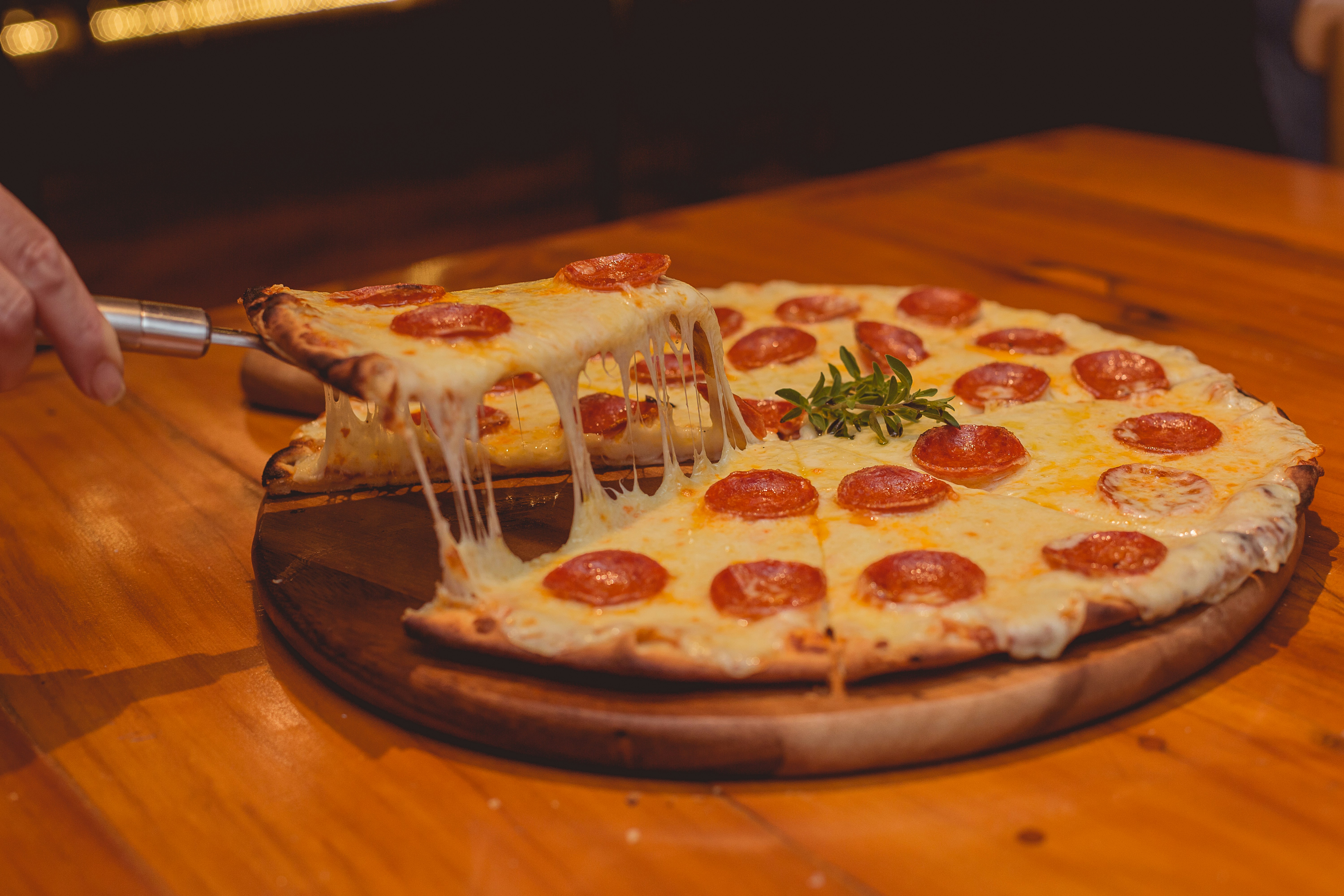
Photo by Getúlio Moraes
Mr. Gatti’s Pizza announced on January 21, 2026, that OneRyan Global LLC—the family investment office of businessman and philanthropist G. Brint Ryan—has acquired a controlling stake in the iconic pizza and family entertainment chain. Terms were not disclosed, but the composition of the leadership plan reads like a carefully arranged mise en place: G. Brint Ryan becomes chairman, Amanda S. Ryan steps in as vice chairwoman of the Board of Managers, and the executive team remains unchanged with CEO Jim Phillips and CFO KC Mann. Corporate headquarters stays in Fort Worth, Texas, preserving both physical and cultural center of gravity. In an industry where sudden ownership changes can scatter an organization’s rhythm, this one moves with the restraint of a chef who trusts proven technique. The essential ingredients—leadership continuity, institutional knowledge, and a steady address—are held constant, signaling that OneRyan’s ambition is not to shock the palate but to refine it. The choreography suggests a governance shift that privileges board guidance and capital deployment over disruptive operational overhauls, an approach that respects the brand’s habits of craft while making room for growth. Analysis: The appointments of G. Brint Ryan and Amanda S. Ryan, alongside the decision to keep the CEO, CFO, and Fort Worth headquarters, indicate a governance recalibration engineered to minimize operational disturbance and preserve know‑how.
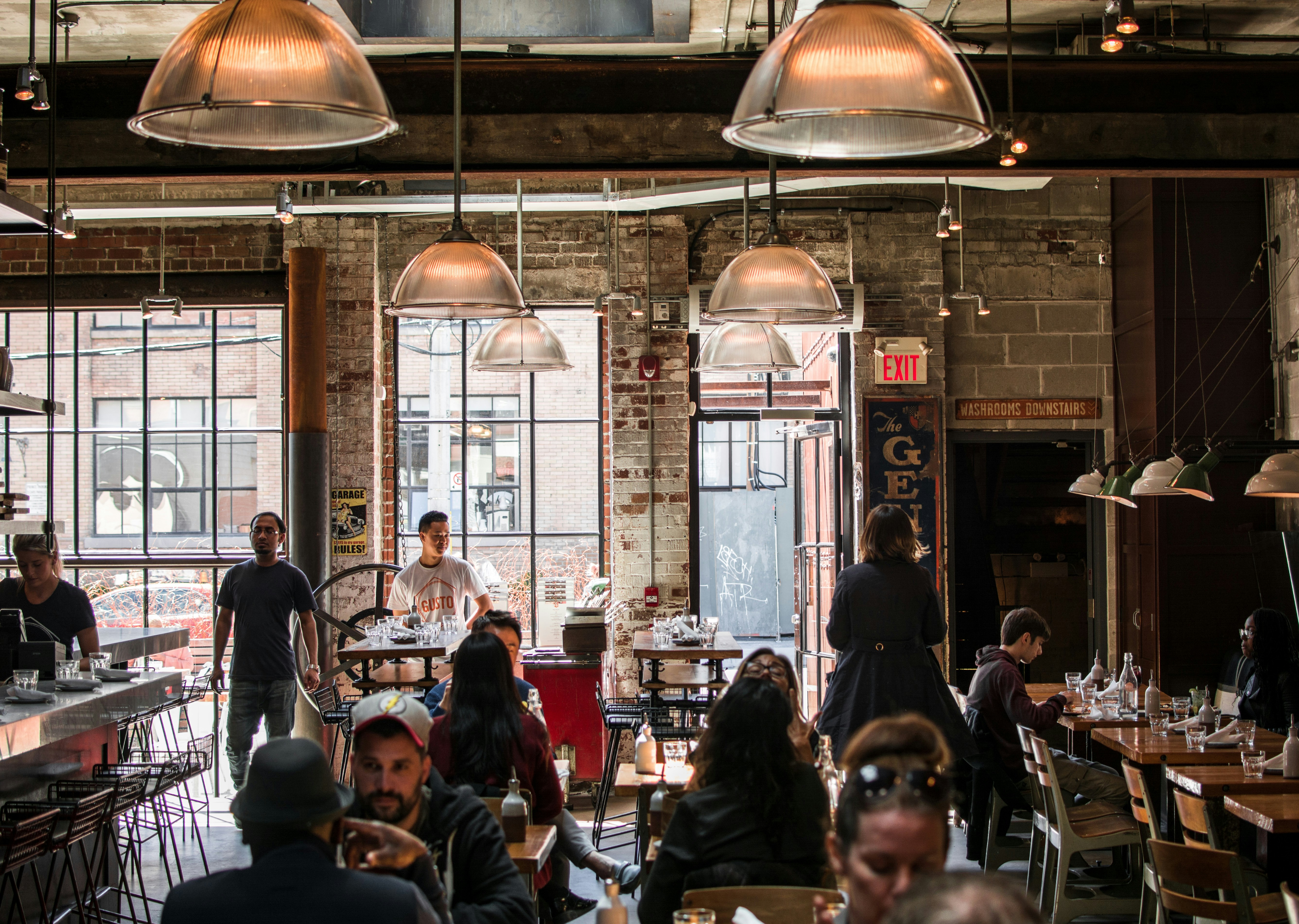
The path to ownership unfolded in deliberate stages. OneRyan first entered as a minority investor in September 2025, then took over the final corporate-owned Mr. Gatti’s restaurant in Austin in October 2025—completing the brand’s transition to a 100 percent franchisee-operated system. The firm already operated a Mr. Gatti’s Family Entertainment Center in Big Spring, Texas. That sequence culminated in January 2026 with the controlling stake, each step deepening familiarity and trust like patient fermentation before the final bake. Amanda S. Ryan framed the rationale in terms both emotional and practical: “Our deep appreciation for the Mr. Gatti’s brand, combined with our firsthand experience operating locations across multiple markets, made this acquisition a natural and exciting opportunity.” It is a rare admission in dealmaking—a nod that unit-level operations informed the calculus of control. Entering as both investor and operator before becoming majority owner allowed OneRyan to absorb the brand’s cadence, systems, and franchise dynamics without forcing change that might jar the operation. Analysis: The phased approach—minority investment to operator to majority owner—diminishes the classic risks of abrupt takeovers by aligning capital with operational comprehension.
Day to day, the transition reads as an exercise in tempo control. Retaining CEO Jim Phillips and CFO KC Mann, alongside the decision to keep headquarters in Fort Worth, suggests that strategic shifts will be articulated through the board and resourcing choices rather than by recasting the operating playbook. The placements of G. Brint Ryan as chairman and Amanda S. Ryan as vice chairwoman bring ownership into close conversation with management, establishing a bridge rather than a barrier between governance and execution. For franchisees and teams, such continuity is a balm: the faces remain familiar, the routines recognizable, and the lines of authority intact. It means the brand’s heritage and processes are not merely preserved—they become the platform for disciplined iteration. In culinary terms, the base stock remains constant; seasoning can now be adjusted with care. Analysis: The mechanics indicate a collaborative takeover that privileges governance and capital alignment over structural upheaval, maximizing the odds that operational momentum continues unbroken.
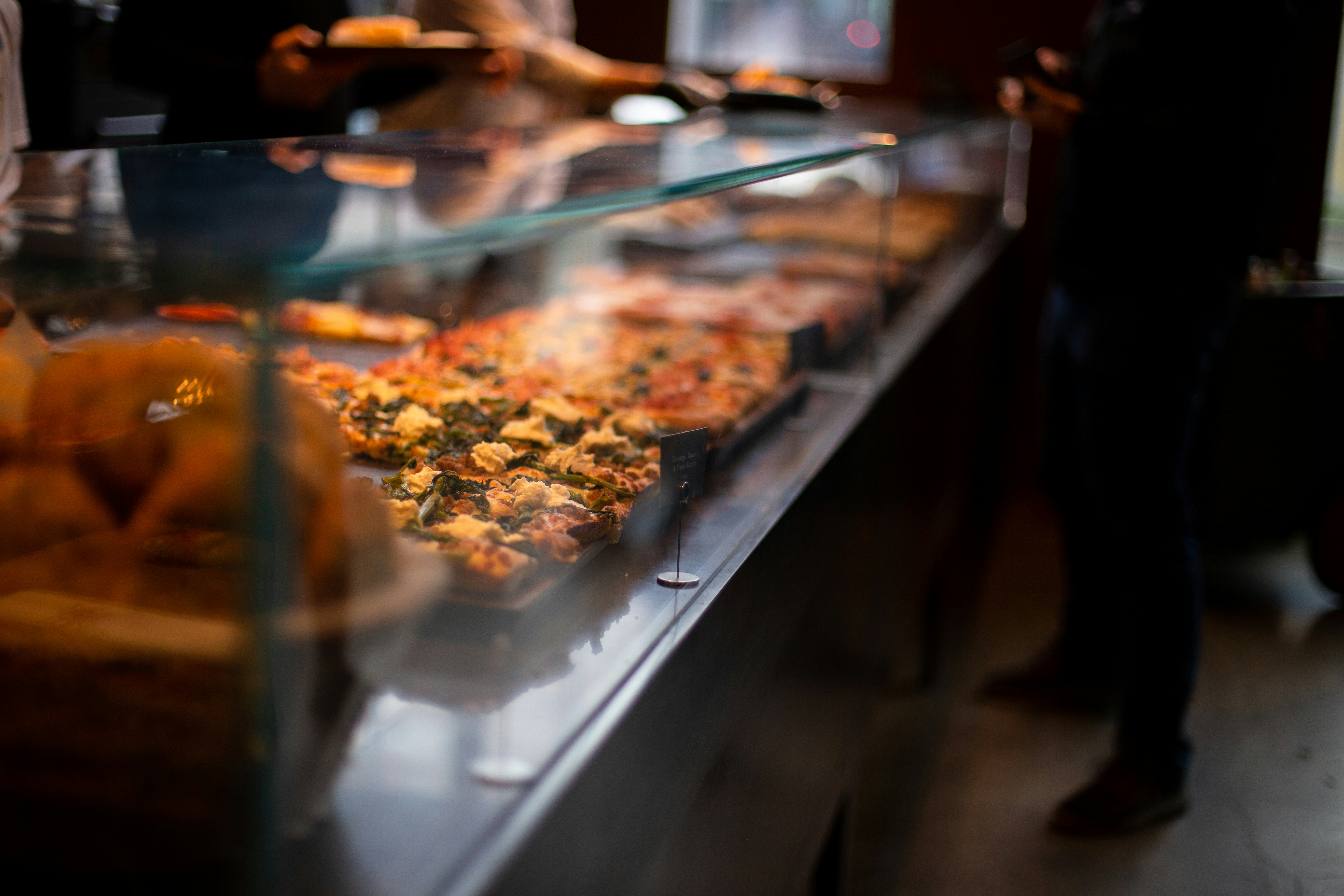
By the end of 2024, Mr. Gatti’s operated 89 outlets, including 53 large family entertainment centers averaging 12,500 square feet that blend buffet, arcade, dining, and entertainment, alongside 24 smaller, roughly 1,200‑square‑foot delivery and carryout stores. The brand also developed a convenience‑store–style prototype and entered an agreement to launch 92 units inside Walmart Supercenters. Altogether, more than 200 units are either open or in development across Texas and the Southeastern U.S. The Walmart initiative is especially telling: 92 in‑store restaurants sited within Supercenters will provide counter service, seating, full‑menu options, and pathways for app‑based pickup or delivery. That model meets the modern diner where errands, meals, and leisure overlap—a one‑stop environment that compresses time while extending reach. This spectrum of formats gives franchisees a ladder of investment choices, from immersive family entertainment complexes to nimble off‑premise counters and non‑traditional placements that capture footfall already in motion. Analysis: A multi‑format design—family entertainment centers, compact off‑premise units, c‑store prototypes, and Supercenter partnerships—broadens addressable demand and supports tailored growth across markets with varied real‑estate profiles.
The brand’s origin story begins in 1964 as The Pizza Place in Stephenville, Texas, with a rebrand in 1969 upon relocation to Austin, honoring founder James Eure’s wife’s maiden name. In the 1970s, Mr. Gatti’s gained traction by marrying quality dining with entertainment—an early reading of a consumer desire that today feels prescient. Recognition followed across industry indices, including Nation’s Restaurant News 100 Under 100, the Technomic Top 500, Pizza Marketplace Movers & Shakers, the Global Franchise Power List, and the Franchise Times Top 400. Performance has kept pace with pedigree. In 2024, the company posted system‑wide sales growth, including a “more than 10 percent” year‑on‑year increase and a “9.3 percent” footprint expansion, reaching “234” system‑wide locations open or in development—a striking rise from “82” outlets at the end of 2024, per Technomic. Industry observers note that entertainment‑driven formats are gaining currency as traditional casual experiences strain to sustain attention. The family entertainment center, once a novelty, now feels like a well‑appointed dining room that doubles as a salon—food and diversion layered without cacophony. Analysis: Heritage branding reinforced by entertainment‑centric venues appears to anchor both recognition and growth, validating the thesis that experiences—and not only menus—pull modern diners to the table.
Important details remain deliberately private. The price and specific terms of the January 2026 transaction have not been disclosed, and some tension exists within reported footprint figures: end‑of‑2024 counts are cited as “89 outlets” with a detailed format breakdown, while another reference documents a leap to “234” locations open or in development from “82” at the end of 2024, per Technomic. The timing and phasing for the 92 Walmart Supercenter restaurants are also unspecified, as are finer points for the convenience‑store–style prototype. These omissions are not unusual in closely held transactions, yet they complicate near‑term forecasting. The absence of a price tag deprives observers of a clean valuation marker; the divergent counts blur the exact pace of build‑out. Even so, the throughline holds: a franchise‑only model, multi‑channel formats, and board‑led governance combine to signal measured expansion tuned to consumer convenience and entertainment. Analysis: While blanks remain in deal economics and unit timing, the strategic vector—diversified, franchised growth under steady leadership—is sufficiently clear to guide stakeholder expectations.
With OneRyan Global as majority owner, and G. Brint Ryan and Amanda S. Ryan in board leadership, Mr. Gatti’s is poised to advance its multi‑format strategy while preserving operating equilibrium through CEO Jim Phillips, CFO KC Mann, and the Fort Worth base. Prior hands‑on experience—operating a corporate unit in Austin and a Family Entertainment Center in Big Spring—provides tactile insight to guide franchise execution and the push into non‑traditional channels, including Walmart Supercenters. The lesson is classic, almost European in its restraint: let the dough rise unhurriedly, and the structure will hold. In hospitality, continuity can be a growth accelerant when paired with formats that meet modern habits of dining, play, and pickup. Here, ownership’s patience before control, leadership’s constancy after it, and a portfolio designed for both spectacle and speed coalesce into a strategy where discipline outshines drama. Analysis: Governance continuity and operational familiarity create conditions for expansion without fracture, directing energy toward formats that harmonize convenience with entertainment—an equilibrium well suited to today’s market.