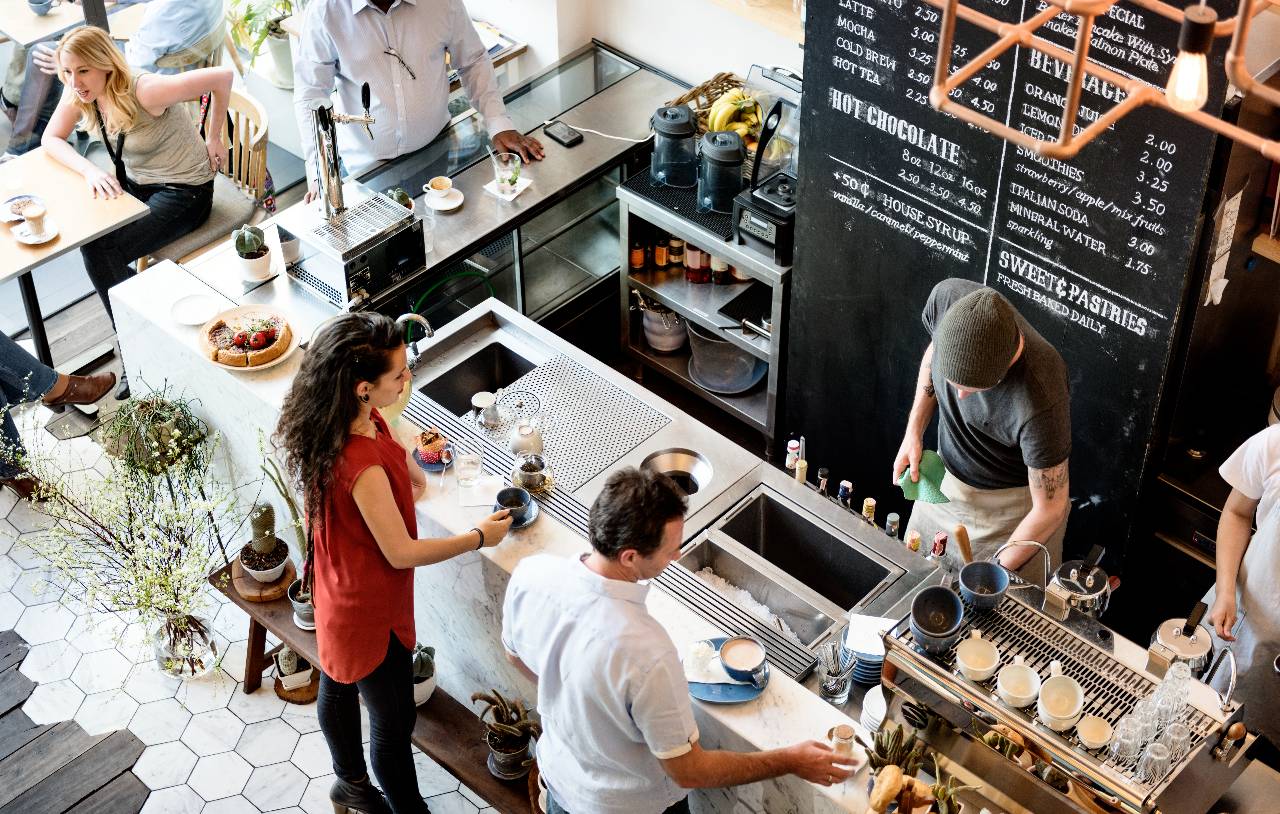
How Much Does It Cost to Open a Coffee Shop in 2026?
Opening a coffee shop in 2026 requires careful cost planning across rent, equipment, labor, technology, menu strategy, marketing, and sustainability.
operations
May 15, 2026
Opening a coffee shop in 2026 requires careful cost planning across rent, equipment, labor, technology, menu strategy, marketing, and sustainability.
May 15, 2026
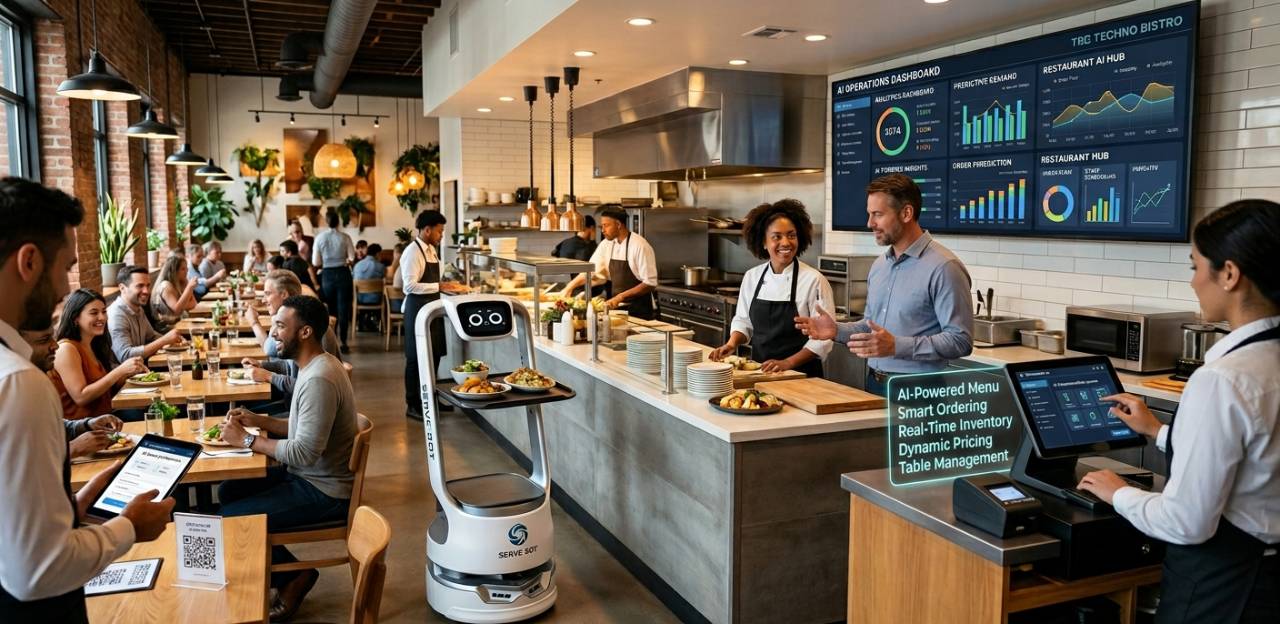
This AI playbook covers restaurant tools for voice ordering, staffing, compliance, menu pricing, inventory, marketing, ChatGPT prompts, and SEO.
May 15, 2026

Hardee’s giant Boddie-Noell inks 31-unit Scooter’s Coffee deal for NC and VA, leveraging drive-thru growth and local roots with rollout over 12–18 months.
May 15, 2026
Wingstop turns match weeks into a multi-sensory festival, aligning bold pop-ups with World Cup energy to build brand affinity and measurable momentum.
May 15, 2026
The parent company behind Dunkin', Buffalo Wild Wings, and Arby's has filed for an IPO a move that could reshape how Wall Street views the restaurant sector.
May 15, 2026

Learn how to develop a memorable restaurant brand identity that stands out in a crowded market, attracts loyal customers, and drives repeat business with actionable strategies and affordable tools.
May 15, 2026
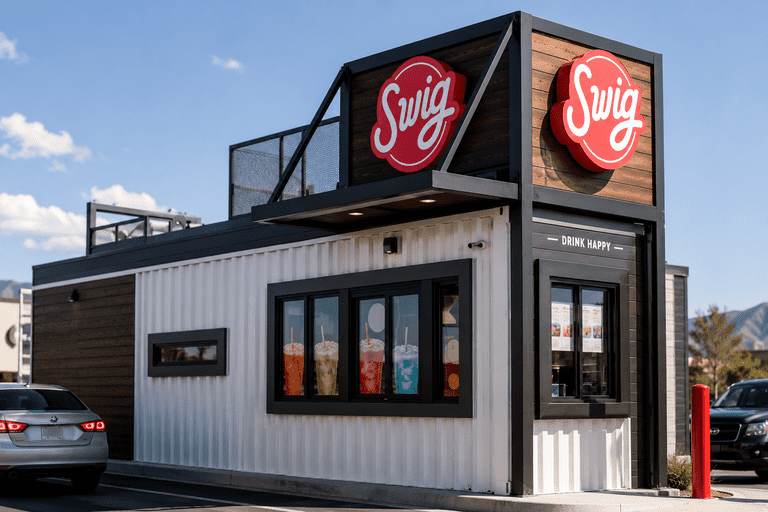
Dirty soda chain Swig is expanding into Colorado through a 10-unit franchise deal, riding a consumer beverage trend that's catching the attention of major QSR players nationwide.
May 15, 2026
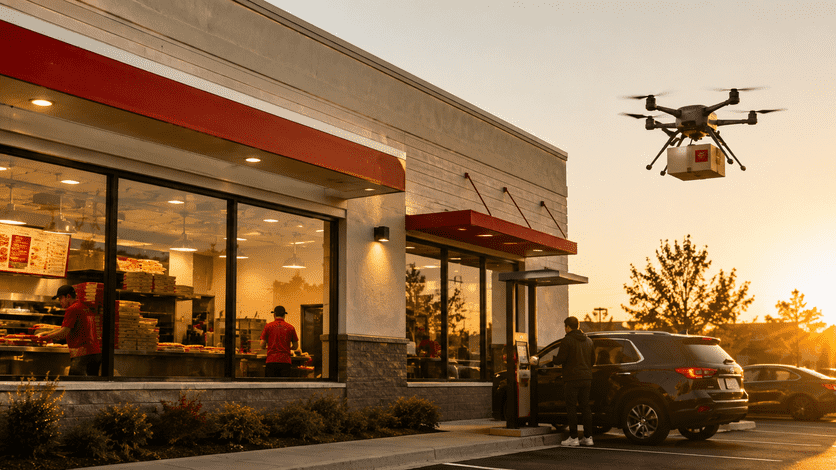
Papa Johns has teamed up with Alphabet's Wing for drone delivery of its new sandwich lineup in parts of Charlotte marking the first partnership of its kind between Wing and a national QSR brand.
May 15, 2026
A warm, expert-led look at McDonald’s Q1 results, menu makeover, and the refranchise question shaping its growth.
May 14, 2026
A reflective look at Habit Ranch, its immersive desert activation, and what it signals for brand loyalty and mindful, experiential dining.
May 14, 2026

Unlock Exclusive Access To Webinars, Events, And The Latest News For Free!
Over 22,000 peanut butter products recalled across 40 states due to blue plastic contamination. Critical updates for restaurant owners and food operators.
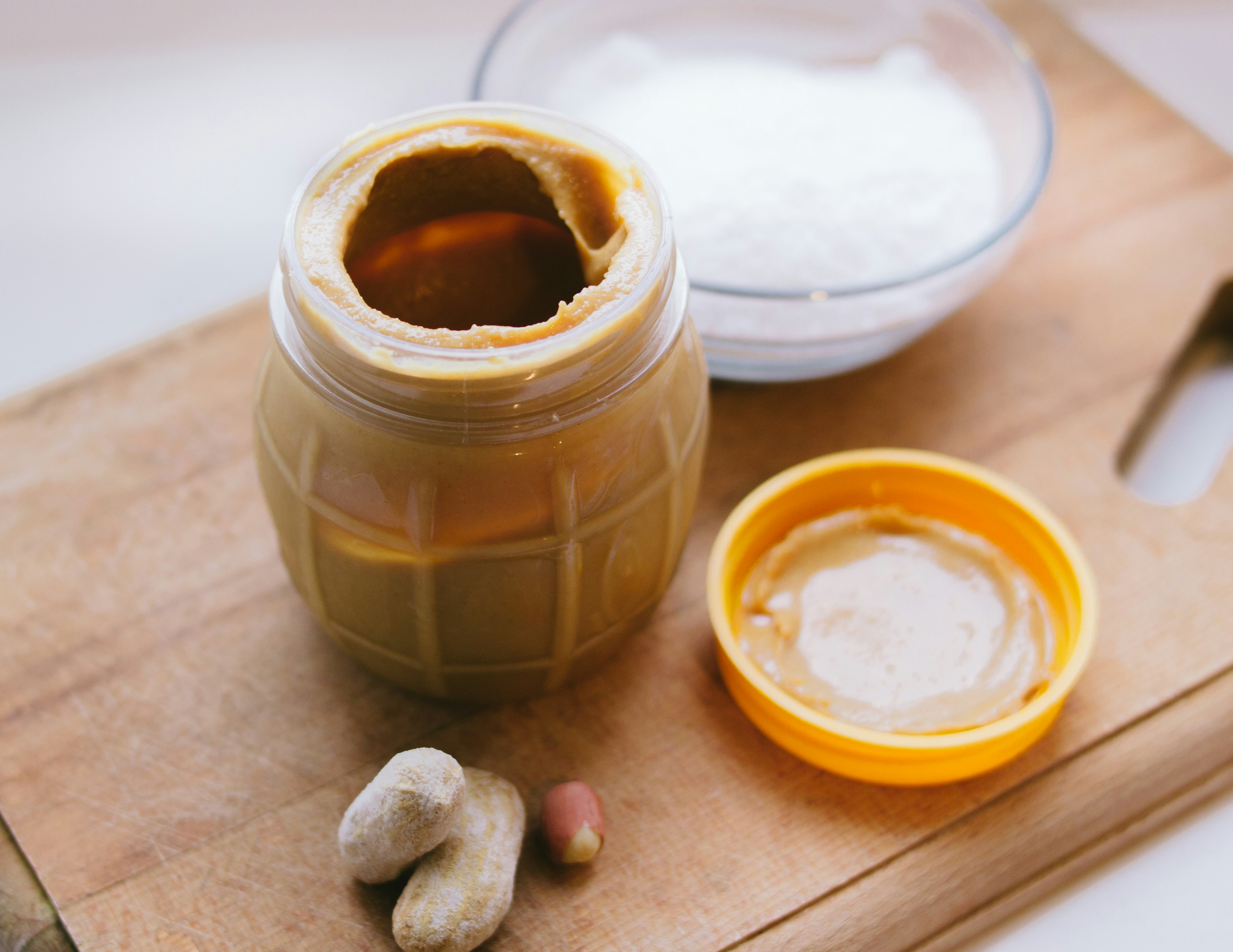
Photo by Olga Nayda
When the FDA recalls peanut butter, it sends ripples through the entire food service ecosystem. And right now, those ripples are substantial. According to recent FDA updates, more than 22,000 affected single-serve peanut butter products have been distributed to 40 states, including New Jersey and Pennsylvania. This isn't just a consumer concern—it's a critical operational and visibility issue for restaurant owners, food service directors, and supply chain managers who rely on these products for their operations. The scope of this recall is staggering. We're talking about peanut butter packets, peanut butter-and-jelly cups, and various private-label products that likely made their way into breakfasts, lunch programs, and institutional dining across the nation. For restaurant operators juggling inventory, vendor relationships, and food safety compliance, an FDA recalls peanut butter situation like this demands immediate attention. Let's break down what happened, where the contamination originated, and most importantly, how you can protect your operation.
Here's where things get specific. The FDA discovered pieces of blue plastic in a production filter at the Ventura Foods facility located in Los Angeles. This wasn't a discovered issue months down the line—inspectors caught it during manufacturing, which is actually a win for food safety protocols. However, the fact that it happened at all underscores how vigilant every step of the supply chain needs to be. Ventura Foods initiated this recall themselves, which demonstrates a proactive approach to food safety. The company manufactures products sold under multiple private-label brands, including US Foods, DYMA Brands, Flavor Fresh, Sysco House Recipe, Katy's Kitchen, and Gordon Food Service. If you source from any of these distributors, there's a solid chance you received some of these products.
The FDA classified this recall as Class II on February 12, 2026. That designation carries weight. According to the FDA, a Class II recall means consuming the product could cause temporary illness or medically reversible health problems, though the risk of serious injury is considered low. It's not the most severe classification, but it's serious enough to warrant immediate action. This classification matters for your liability exposure and customer communication strategy. You're not dealing with a life-threatening scenario, but you are dealing with a potential health concern that requires transparent, swift communication with your customers and staff.
This isn't a regional issue—the FDA recalls peanut butter situation spans nearly the entire nation. The 40 affected states include Alabama, Arkansas, Arizona, California, Colorado, Connecticut, Florida, Georgia, Iowa, Idaho, Illinois, Indiana, Kansas, Louisiana, Massachusetts, Maryland, Michigan, Minnesota, Missouri, Mississippi, Montana, North Carolina, North Dakota, Nebraska, New Hampshire, New Jersey, New Mexico, Nevada, New York, Ohio, Oklahoma, Oregon, Pennsylvania, South Carolina, Tennessee, Texas, Utah, Virginia, Washington, and Wisconsin. Think about it: if you operate across multiple regions or work with national distributors, the odds are significant that you received affected products. This is why cross-checking your inventory against the FDA's serial number list is non-negotiable. The agency has provided specific product identifiers—check them meticulously. Building on that point, even a small restaurant network needs to audit their supply chain systematically.
The recall covers peanut butter single-serve packets and peanut butter cups with strawberry jam and grape jelly. These are high-volume convenience items often found in school cafeterias, corporate dining programs, quick-service restaurants, and hospitality settings. If your operation serves breakfast, offers grab-and-go items, or participates in institutional food service, you likely have these products in your supply chain.
When FDA recalls peanut butter products hit, the immediate action is inventory verification. Pull your purchasing records and check every peanut butter product against the FDA's published serial numbers. Don't assume—verify. Cross-reference your suppliers against the private-label brands mentioned: US Foods, DYMA Brands, Flavor Fresh, Sysco House Recipe, Katy's Kitchen, and Gordon Food Service. This is where organized systems pay dividends. If you've got digital inventory tracking, you can run queries quickly. If you're still managing stock on paper or through basic spreadsheets, now's the moment to understand how that's slowing you down during critical situations. Even a small lag in identifying affected products can become a customer safety and liability issue.
Here's the reality: your staff and customers deserve to know. If you've identified recalled products in your system, develop a clear communication plan immediately. Notify your team about what's been pulled from shelves, why it matters, and what the protocol is going forward. Transparency builds trust—especially when safety is involved. For restaurant operators, this might mean adjusting your menu temporarily. If your breakfast program relies on peanut butter packets, have backup options ready. If you've already served these products, you'll want a mechanism for customers to reach out with concerns. Document everything. Your food safety documentation becomes critical if anyone reports an issue.
The FDA and food safety authorities recommend either returning recalled products to retailers or safely disposing of them. Don't let affected products sit in a back corner—remove them from circulation immediately. If the products have been opened (which is particularly important in a food service setting), they should be disposed of properly so that neither people nor animals can access them. Check with your distributors about return policies and refund eligibility. Some will accept returns; others may issue credits. Get specifics in writing. This protects both your operation and the distributor while ensuring recalled items don't accidentally re-enter the supply chain.
The FDA recalls peanut butter incident is a perfect case study in supply chain complexity. A small manufacturing issue at one facility in Los Angeles cascaded across 40 states in a matter of weeks. For restaurant operators, this underscores a fundamental truth: you need to know your suppliers deeply. Modern food industry trends increasingly emphasize traceability and transparency. This recall, though triggered by plastic contamination rather than biological contamination, demonstrates why detailed sourcing information is essential. If you work with major distributors like US Foods, Sysco, or Gordon Food Service, you're likely getting products from numerous manufacturers. Building relationships where you can quickly identify the origin of every product—down to serial numbers—gives you a competitive advantage in safety and customer confidence.
Recalls like this are valuable teaching moments. Use the FDA recalls peanut butter situation as a case study in your staff training. Walk your team through how the contamination was discovered, how it was classified, and what the protocol was for removal. This builds a food safety culture where everyone understands why procedures matter. When your team grasps that food safety isn't just compliance—it's about protecting customers and your business reputation—they become partners in maintaining standards. Train your kitchen staff, front-of-house team, and especially anyone handling inventory about how to spot recalled products and follow proper procedures.
The FDA recalls peanut butter situation affecting 40 states is a serious but manageable challenge for restaurant owners and food service operators. Here's your action plan: First, audit your inventory immediately against the FDA's serial number list. Second, communicate clearly with your team and customers if you've identified affected products. Third, ensure proper return or disposal of any recalled items. Finally, use this as a catalyst to strengthen your supply chain visibility and food safety protocols. Recalls happen. They're an unfortunate reality of operating in the food industry. But how you respond determines whether they become a crisis or a managed incident. Stay informed, stay compliant, and stay vigilant. Your customers are counting on you to keep their food safe, and your business depends on maintaining that trust. For the latest information on this recall, visit the FDA's official website and consult directly with your distributors. The investment in attention now pays dividends in safety, reputation, and peace of mind.