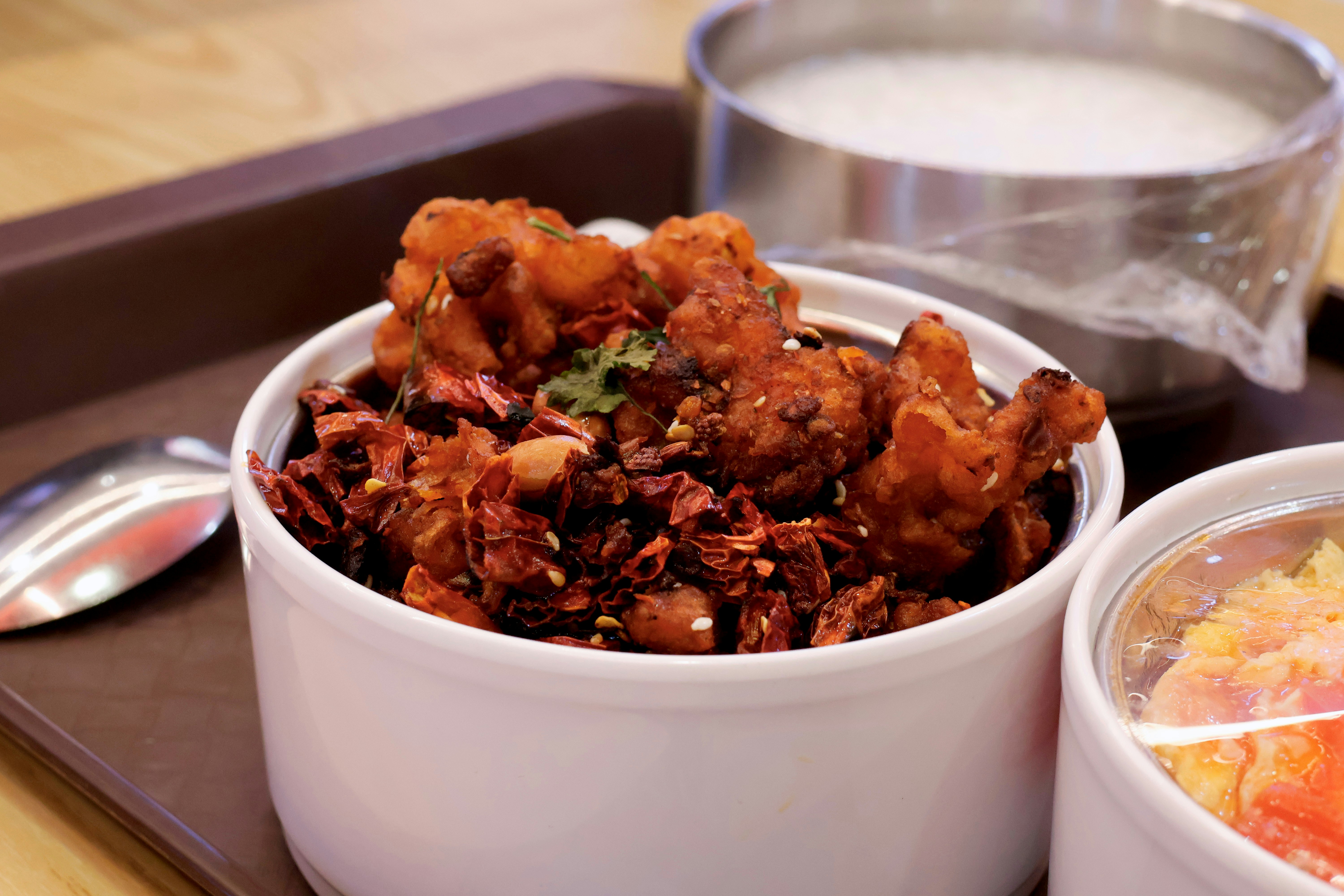
Heat-Driven Expansion: Angry Chickz
A profile of Angry Chickz’s bold heat, culture-led growth, and disciplined franchise model expanding from California to Texas and Arizona.
Franchising
Apr 18, 2026
A profile of Angry Chickz’s bold heat, culture-led growth, and disciplined franchise model expanding from California to Texas and Arizona.
Apr 18, 2026

Photo by Maria Orlova on Unsplash
NRN's Investment Summit connects emerging restaurant brands with investors in Nashville, blending education, pitches, and deal-making to accelerate growth.
Apr 18, 2026
RaceTrac acquires Potbelly to accelerate a franchising-led expansion, backed by new leadership and an expanded development playbook.
Apr 18, 2026
Photo by Adrien Olichon on Unsplash
Chili’s brings back Ziosk for pay-at-table, loyalty, and AI insights across 1,100+ locations, signaling a thoughtful, guest-focused digital restart.
Apr 18, 2026
Photo by The 77 Human Needs System on Unsplash
Scottsdale welcomes a compact, all-day market from True Food Kitchen blending wellness-forward meals with grab-and-go convenience, signaling broader growth into market formats.
Apr 18, 2026
The Melting Pot blends modernization with conversions to grow, inviting brighter guest experiences while honoring its fondue heritage.
Apr 18, 2026
Photo by Matt Benson on Unsplash
South Block grows along the East Coast with Savory Fund, preserving neighborhood-first ethos and people-on-the-block philosophy.
Apr 18, 2026

Photo by Julian Myles on Unsplash
California's 2024 PAGA reforms curb abuse and streamline workplace claims, balancing worker protections with clearer compliance guardrails for employers.
Apr 18, 2026
A thoughtful look at how fast-service restaurants are embedding safety into infrastructure through cameras, lighting, guards, and real-time communications.
Apr 17, 2026
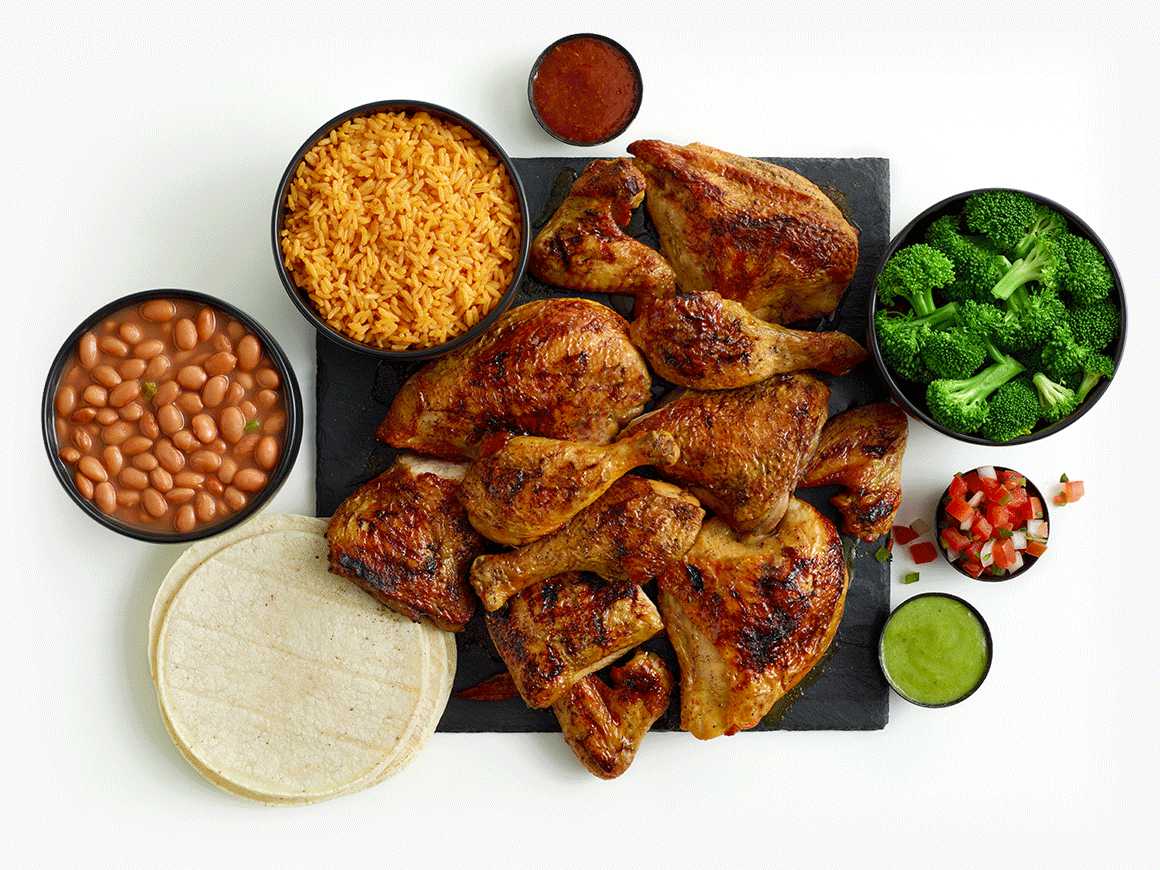
Four leaders map growth through core offerings, culture, and authentic marketing, outlining Swig, L&L Hawaiian Barbecue, Firebirds, and El Pollo Loco.
Apr 17, 2026
FAT Brands' quick bankruptcy sale sparks heated landlord objections. Unpack the high-stakes timeline, financial pressure, and what’s at risk.

Photo by Thiago Cardoso on Unsplash
Let me set the table. FAT Brands, known for chains like Twin Peaks, Johnny Rockets, and Round Table Pizza, finds itself up against the wall. Bankruptcy isn’t rare in the restaurant industry, but the pace here? It’s enough to give you whiplash.
The company, carrying roughly $1.5 billion in debt, filed for Chapter 11 bankruptcy and quickly mapped out a sale of nearly all its assets. The deadlines read like a speed run: bids by April 24, auction April 28, court hearing as early as May 1, and (if all goes according to plan) sale closing the first half of May. It’s not just fast—it’s blink-and-you-miss-it fast.
So, why the pedal to the metal? What’s behind the urgency—and who’s getting left in the dust?
With an auction gunning for the finish line, all eyes are on how quickly FAT Brands can pull off this financial flip without burning bridges. The pressure’s on, and so is the resistance from key players—namely, landlords who feel the heat most.
Bankruptcy moves fast—sometimes too fast for comfort. Simon Property Group and other landlords aren’t taking this timeline lying down. Their argument: “You’re giving us two weeks to review huge cure amounts, gather our records, lawyer up, and object if needed? That’s not just unfair, it’s impossible.”
It’s not just about red tape. For landlords, rushing the process means they risk missed rent, sloppy record reconciliation, or accepting unfavorable terms—all because the clock is ticking. Some are pushing for at least one more week after the auction just to catch their breath and properly vet the new proposals.
This isn’t just legal posturing—it’s about real money. Every day spent on uncertainty means lost revenue for property owners. A too-fast deal might keep restaurants open, but it also risks leaving landlords with contracts they never got to scrutinize. That tension—that’s the spark behind these heated objections.
Debt has a way of shortening your attention span—and right now, FAT Brands only has eyes for the finish line. The company landed a $76.9 million DIP financing package up front, but the total DIP obligations climb to around $307.6 million after rolling up previous debts. These funds come with a tight leash: deadlines are baked into every dollar.
The deal is simple. Approve procedures by April 3, get bids by April 24, auction April 28, and finish everything by early May—or risk losing financing support. Stretch those dates, and the whole machine starts to seize up: lenders could yank funds, and the company risks running dry. That’s why every day in bankruptcy is an expensive gamble. It’s also why the operators want this sale over before you can say “DIP maturity.”
Meanwhile, creditors, landlords, and even employees are left waiting as the window for review and negotiation squeezes down to single-digit days. Add up the operating costs, interest payments, and risk of running out of cash, and this timeline starts looking a little less like efficiency—and a little more like desperation.
Quick bankruptcy sales aren’t new playbooks—especially in food service, where rumors spread faster than a fryer basket drops. Lots of struggling restaurant brands have gone the fast-track route, emerging with new owners sometimes mere weeks after filing. The reasoning: the faster you sell, the less cash you burn, and the more likely you keep something—anything—alive.
FAT Brands is following this by-the-numbers approach. Lock in financing, get assets to market, clear the balance sheet, and move on. Industry insiders know all too well: creditor patience is thin, liquidity burns hot, and every extra day risks a nosedive into deeper insolvency.
But here’s the kicker—balancing lightning-fast timelines with protections for stakeholders isn’t easy. Push too hard and you lose the people who prop up your operations: the landlords, suppliers, and contract partners. The industry’s watching to see who gets the last word: the bean counters, or the gatekeepers on Main Street.

Not everything’s locked in yet. Dates bounce around between May 1 and May 8 for crucial hearings, while landlords lobby for a breather that might never materialize. Any shift—one extra week here, a delayed auction there—could spell a different outcome for hundreds of contracts and jobs.
What’s crystal clear? FAT Brands’ crisis is bigger than one company. This case pulls back the curtain on the high-wire act that defines modern restaurant finance: keep the funding flowing or risk the whole show collapsing. At the end of the day, this battle isn’t just about deadlines—it’s about who gets to shape the next act when the dust settles.
Whether the courts throw landlords a lifeline, or push this process through at full speed, one thing’s for sure: everyone in the industry is watching, wondering what their own lease—or loan—might look like if their turn ever comes. This is more than legal drama. It’s a full-throttle lesson in what it takes to survive when the margin for error vanishes.