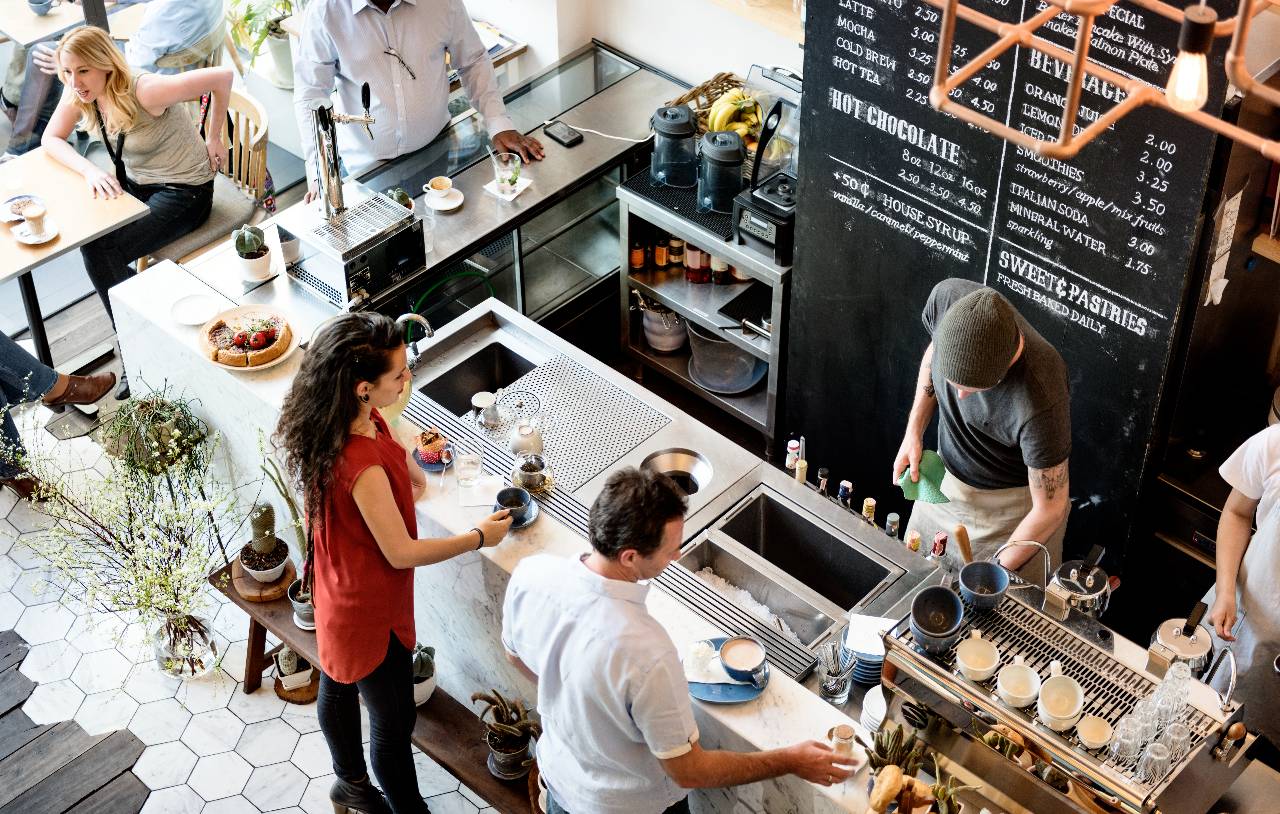
How Much Does It Cost to Open a Coffee Shop in 2026?
Opening a coffee shop in 2026 requires careful cost planning across rent, equipment, labor, technology, menu strategy, marketing, and sustainability.
operations
May 15, 2026
Opening a coffee shop in 2026 requires careful cost planning across rent, equipment, labor, technology, menu strategy, marketing, and sustainability.
May 15, 2026
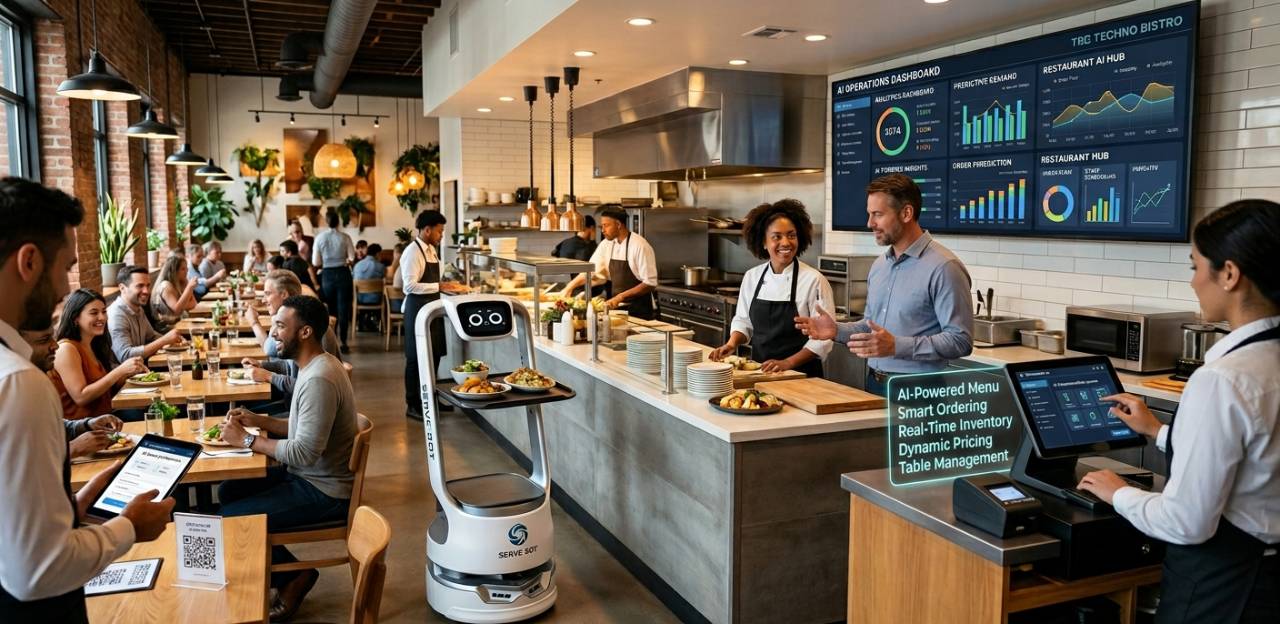
This AI playbook covers restaurant tools for voice ordering, staffing, compliance, menu pricing, inventory, marketing, ChatGPT prompts, and SEO.
May 15, 2026
Hardee’s giant Boddie-Noell inks 31-unit Scooter’s Coffee deal for NC and VA, leveraging drive-thru growth and local roots with rollout over 12–18 months.
May 15, 2026
Wingstop turns match weeks into a multi-sensory festival, aligning bold pop-ups with World Cup energy to build brand affinity and measurable momentum.
May 15, 2026
The parent company behind Dunkin', Buffalo Wild Wings, and Arby's has filed for an IPO a move that could reshape how Wall Street views the restaurant sector.
May 15, 2026
Learn how to develop a memorable restaurant brand identity that stands out in a crowded market, attracts loyal customers, and drives repeat business with actionable strategies and affordable tools.
May 15, 2026
Dirty soda chain Swig is expanding into Colorado through a 10-unit franchise deal, riding a consumer beverage trend that's catching the attention of major QSR players nationwide.
May 15, 2026
Papa Johns has teamed up with Alphabet's Wing for drone delivery of its new sandwich lineup in parts of Charlotte marking the first partnership of its kind between Wing and a national QSR brand.
May 15, 2026
A warm, expert-led look at McDonald’s Q1 results, menu makeover, and the refranchise question shaping its growth.
May 14, 2026
A reflective look at Habit Ranch, its immersive desert activation, and what it signals for brand loyalty and mindful, experiential dining.
May 14, 2026

Unlock Exclusive Access To Webinars, Events, And The Latest News For Free!
Denny’s agrees to a $620M sale, delists in early 2026, and pivots from open-ended value to curated Slams amid closures and a leadership reset.
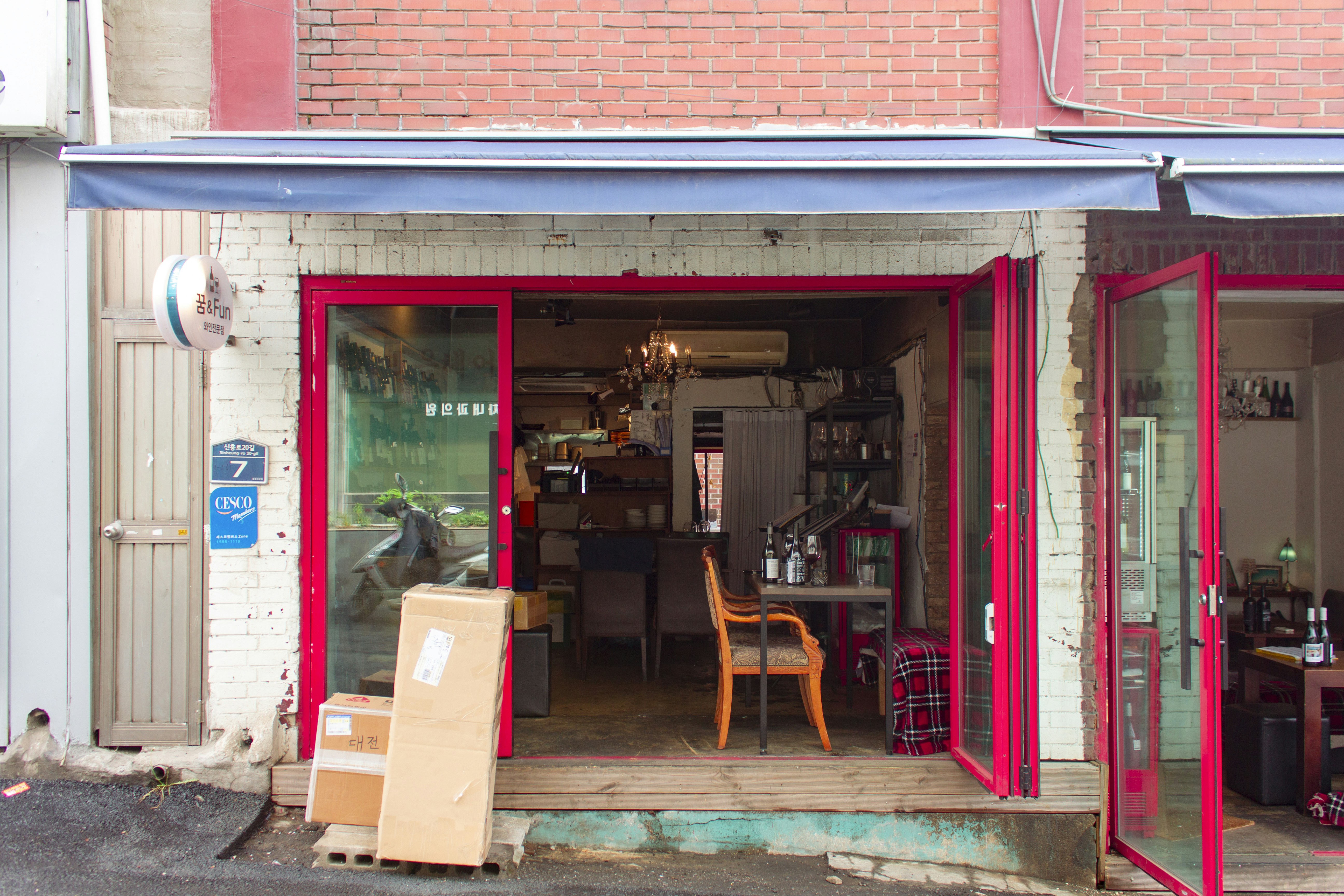
Photo by Huijae Lee
The family-dining chain accepted a decisive invitation to a quieter dining room: a board-approved acquisition valued at "approximately $620 million, including debt" and delivering "$6.25 per share" to shareholders at a "roughly 52%" premium. The news landed with an audible clink of cutlery on trading desks—shares leapt "47–50%" after hours when the announcement arrived. The agreement, reached in "early November 2025," sets Denny’s on a path to be taken private and delisted from Nasdaq when the transaction closes in the "first quarter of 2026." This is not simply a change of tablecloth. Under the new consortium, governance passes to two seasoned stewards while a chief executive is sought: Rohit Manocha of TriArtisan Capital Advisors will serve as executive chairman, and Anil Yadav of Yadav Enterprises will serve as chairman. The arrangement presents a restrained, purposeful mise en place—lean and controlled—while the next leader is selected. In a marketplace where value signals can ring hollow without operational backbone, the move suggests belief that tightly held ownership can accelerate reform already underway. Analysis: The premium and immediate surge underscore investor confidence that private stewardship can move faster than public markets permit, aligning governance with a hands-on operational pivot and a near-term reset of expectations.
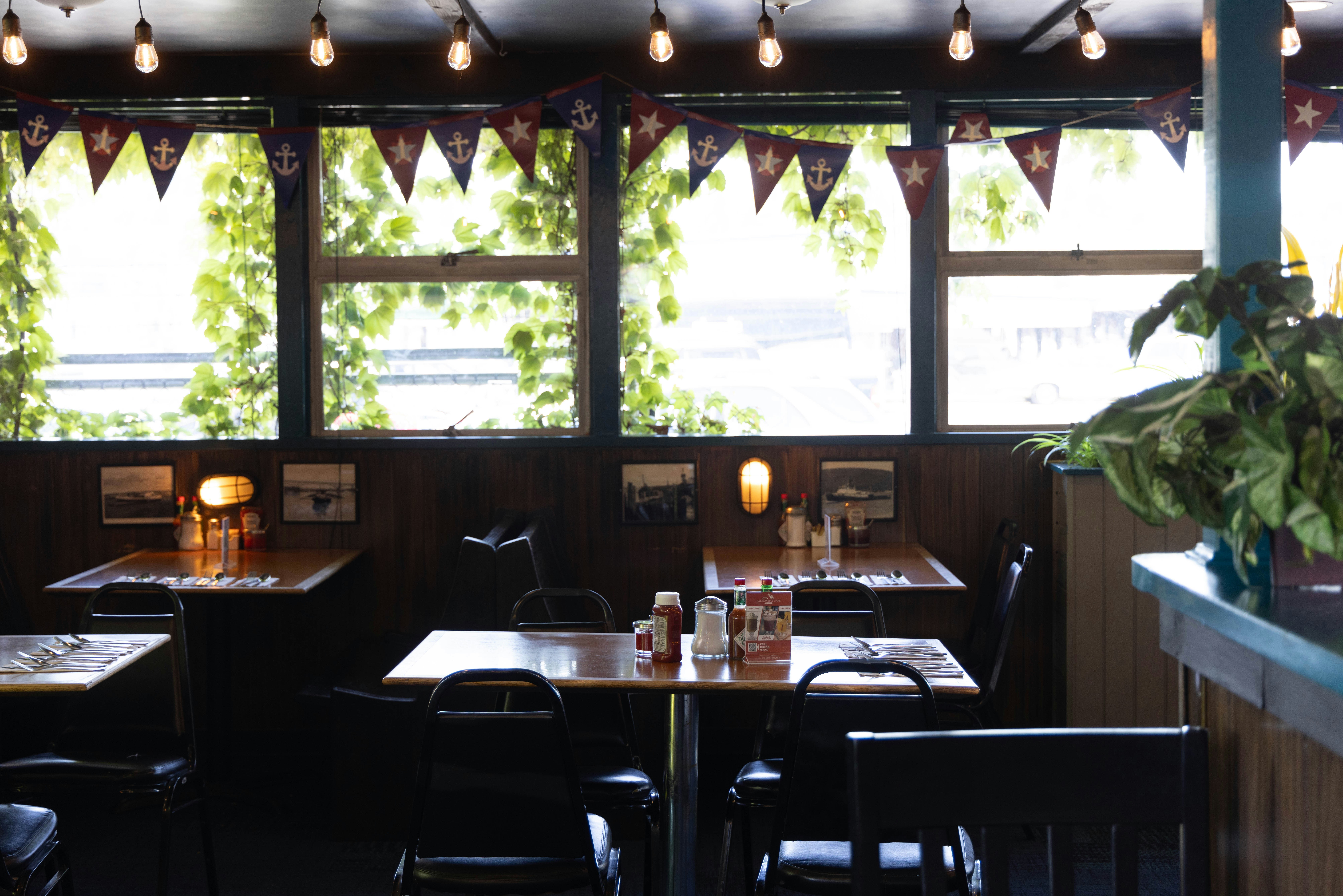
The sale arrives amid a deliberate rebalancing of the restaurant base begun in "2023" to counter "sluggish same‑store sales," "stressed staffing (especially overnight)," and a hard tilt toward value that blunted returns from earlier upgrades. The plan called for closing "up to 150" underperformers, with "88" shuttered in "2024" and "between 70 and 90" projected for "2025." Shortly after the sale, the Santa Rosa Coddingtown Mall location went dark—an emblem of a company willing to trim where necessary to concentrate resources. Denny’s described these closures as "difficult but necessary," a phrase that reads less like boardroom euphemism than kitchen discipline: an overworked station slows the line. The aim is to arrive at net flat or positive unit growth by "2026." In culinary terms, this is refinement via subtraction—paring back to highlight what still sings on the plate. The buyers step into a footprint already in motion, the contours narrowing toward a cleaner baseline from which to rebuild consistency and throughput. Analysis: The contraction creates a more coherent canvas for operational change, easing staffing strain and concentrating capital in stronger units, positioning the chain for steadier performance under private ownership.
The board’s approval in "early November 2025" transferred the keys to a consortium—TriArtisan Capital Advisors, Treville Capital Group, and Yadav Enterprises—tasked with carrying Denny’s into private hands for "approximately $620 million, including debt." Equity holders will receive "about $322 million" in aggregate for their "$6.25 per share," and the company will be removed from Nasdaq listings at closing in the "first quarter of 2026." During the transition, governance consolidates in a dual-chair arrangement: TriArtisan’s Rohit Manocha as executive chairman and Yadav Enterprises’ Anil Yadav as chairman. The structure compresses decision-making into a compact brigade while a comprehensive CEO search gets underway. It signals a focus on execution—aligning owners, operations, and forthcoming leadership—to ensure the next act opens on time and with a leaner menu of priorities. Analysis: Concentrating authority in two seats during a critical handover suggests urgency and cohesion, designed to carry strategic momentum through closing and into the appointment of a CEO whose mandate matches the owners’ playbook.
Value-seeking intensified through "2024" and "2025," nudging Denny’s to revive the iconic "$2‑$4‑$6‑$8 Value Menu" in "August 2024" with a pop-culture wink—Beetlejuice Beetlejuice—and a fresh lure, the "Say It Three Times Slam®" at "$8.99." The chain layered upgrades in pancakes, burgers, and melts, while fielding "$10" bundles such as the Loaded Breakfast Sandwich Bundle. The backdrop, though, proved knottier than nostalgia: diners learned to assemble very cheap meals from low-cost add-ons, relentlessly pressing margins. On the "Q2 2025" earnings call, CEO Kelli Valade did not mince words—the open-ended platform was being "hacked" by guests. The response was as much philosophy as pricing: pivoting toward a Slam-based model with curated compositions designed to steer mix into combinations that could carry both value and profitability. The lesson was classic menu engineering—a menu must whisper where to look, not invite a bargain hunt through every corner. Analysis: Tightening the value architecture guards margin without abandoning affordability, replacing ad hoc guest-built stacks with defined combinations that better manage cost and check composition.
By "August 2025," the strategy had sharpened into a limited-time offer: "5 Slams Starting at $5," a set of complete meals including the Grand Slam Burrito, BLT&E Slamwich, and 2‑Egg Slam, each priced "between $5 and $10." Rather than letting add-ons dictate margin, the chain presented ready-made compositions with firm guardrails. The goal was nuanced—keep the value drumbeat resonant while shifting guests into fuller, margin-aware plates that raise average check without fraying trust. Crucially, the bundle logic sits atop earlier infrastructure—modern ovens and cloud-based POS systems—that gives the kitchen tempo and the front-of-house clarity. In symphony, these tools translate ambition into pace, consistency, and mix control. The curated Slams are not a gimmick; they are the plating of a disciplined mindset, turning operational investments into a menu that knows its costs as well as its cravings. Analysis: Standardized bundles convert back-of-house upgrades into front-of-house discipline, balancing persuasive price points with structures that protect profitability under higher cost pressures.
Investor response was brisk and emphatic. The consideration of "$6.25 per share" represented a "roughly 52%" premium to the prior close, and the stock jumped "47–50%" in after-hours trading on the announcement. For shareholders, the payout totals "about $322 million," nested within the broader enterprise transaction of "approximately $620 million, including debt." The company expects to close in the "first quarter of 2026" and be delisted thereafter. During this countdown, the rationalization continues to move at the defined cadence, including the recent exit at Santa Rosa’s Coddingtown Mall. Markets rarely reward ambiguity, yet here they signaled belief that privatization and disciplined operations could unlock value—but only if the tempo is maintained. The clock is now culinary, not quarterly: hit the marks, and do it with the kind of control that keeps a service tight. Analysis: The rich premium and swift surge imply market faith in the owners’ capacity to execute, with real returns contingent on smooth closing and early private-ownership proof points across closures and menu mix.
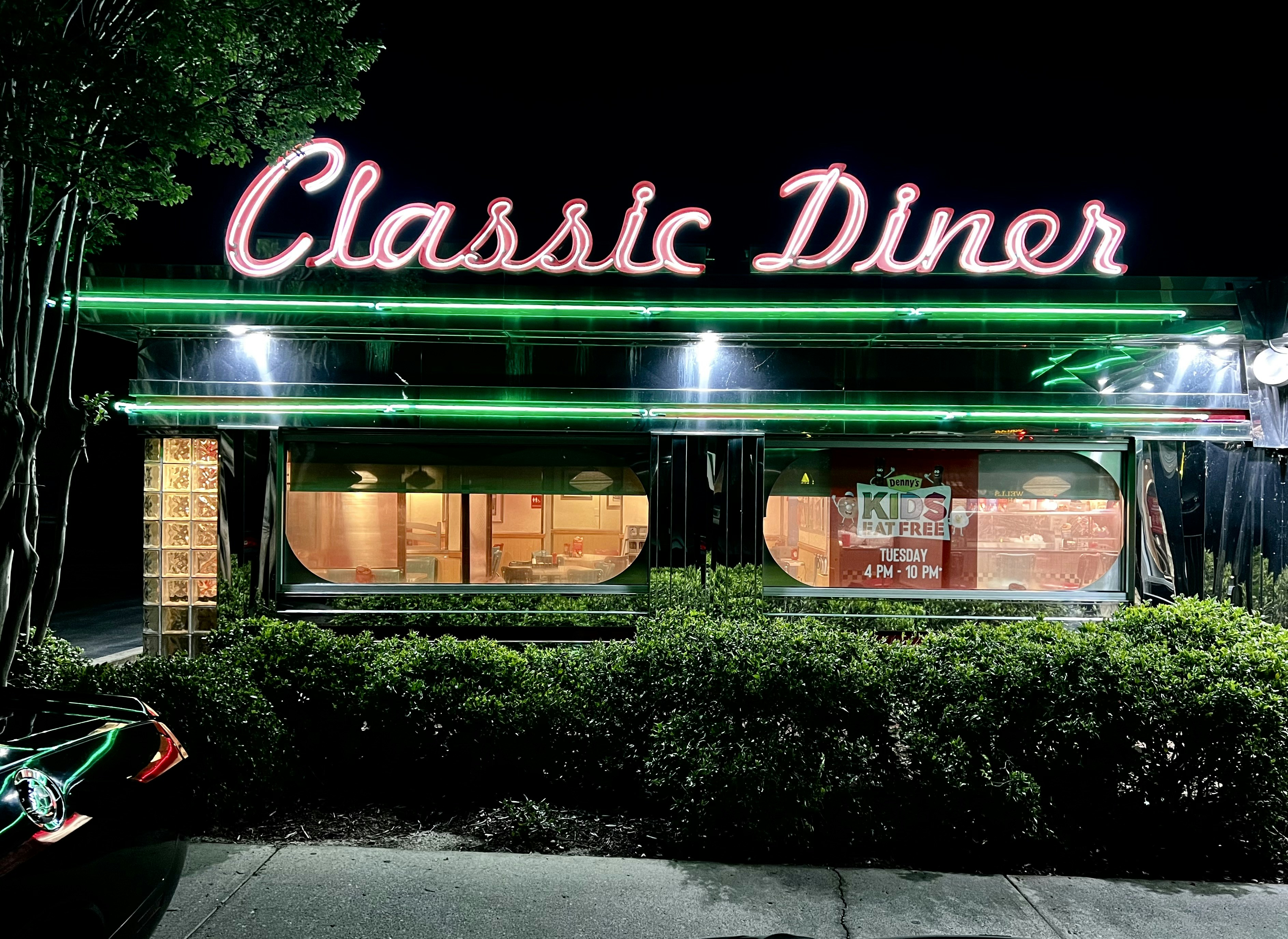
Denny’s isn’t masking the motives behind its footprint trim. The methodical closures tie directly to "sluggish same‑store sales," intensified value-seeking, and "stressed staffing (especially overnight)." The strategy—"up to 150" stores removed from the system, paced at "88" in "2024" and "between 70 and 90" more in "2025"—is calibrated to relieve structural drag, sharpen focus, and move toward net flat or positive unit growth by "2026." On the plate, the curated bundles complement this structural reshaping. Steering guests away from open-ended add-ons and into defined Slams can stabilize kitchen rhythm and coax healthier checks from a leaner base. In an era where labor and value pressures sit like opposing weights on a scale, the combination of fewer, stronger units and clearly priced, margin-aware offerings can restore balance without dampening the brand’s accessible appeal. Analysis: Pairing footprint discipline with guided value aims to improve unit economics from two sides—capacity and mix—so the system can perform reliably even with thinner staffing and sharper price sensitivity.
Variables remain. The closing is expected in the "first quarter of 2026," but integration steps are still developing, and the closure pace is described in ranges rather than a day-by-day script. Leadership is also in play, with the CEO search underway under the interim stewardship of executive chairman Rohit Manocha and chairman Anil Yadav. Menu performance across the evolving value architecture—from the "$2‑$4‑$6‑$8" revival in "August 2024" to "5 Slams Starting at $5" in "August 2025"—will be tested as costs and guest behavior continue to shift. What deserves attention is clear: closure cadence versus the "2026" growth target; sustained appetite for curated bundles priced "between $5 and $10;" and the naming of a CEO whose mandate aligns with the owners’ operational discipline and value-led strategy. The lesson threading through this transformation is elegantly simple: in challenging conditions, curation beats excess. A tighter menu, a leaner footprint, and a private setting can create the hush required for a team to refine its craft—and then serve with confidence. Analysis: The near-term scorecard rests on execution milestones—pace of closures, bundle uptake, and CEO selection—each a test of whether disciplined design can translate into durable performance under private ownership.