Indiana Cuts Off I Heart Mac & Cheese Franchise Sales
Indiana bans I Heart Mac & Cheese franchise sales after FDD omissions; court orders refunds and penalties as regulators escalate disclosure enforcement.
franchising
Jun 8, 2026
Indiana bans I Heart Mac & Cheese franchise sales after FDD omissions; court orders refunds and penalties as regulators escalate disclosure enforcement.
Jun 8, 2026
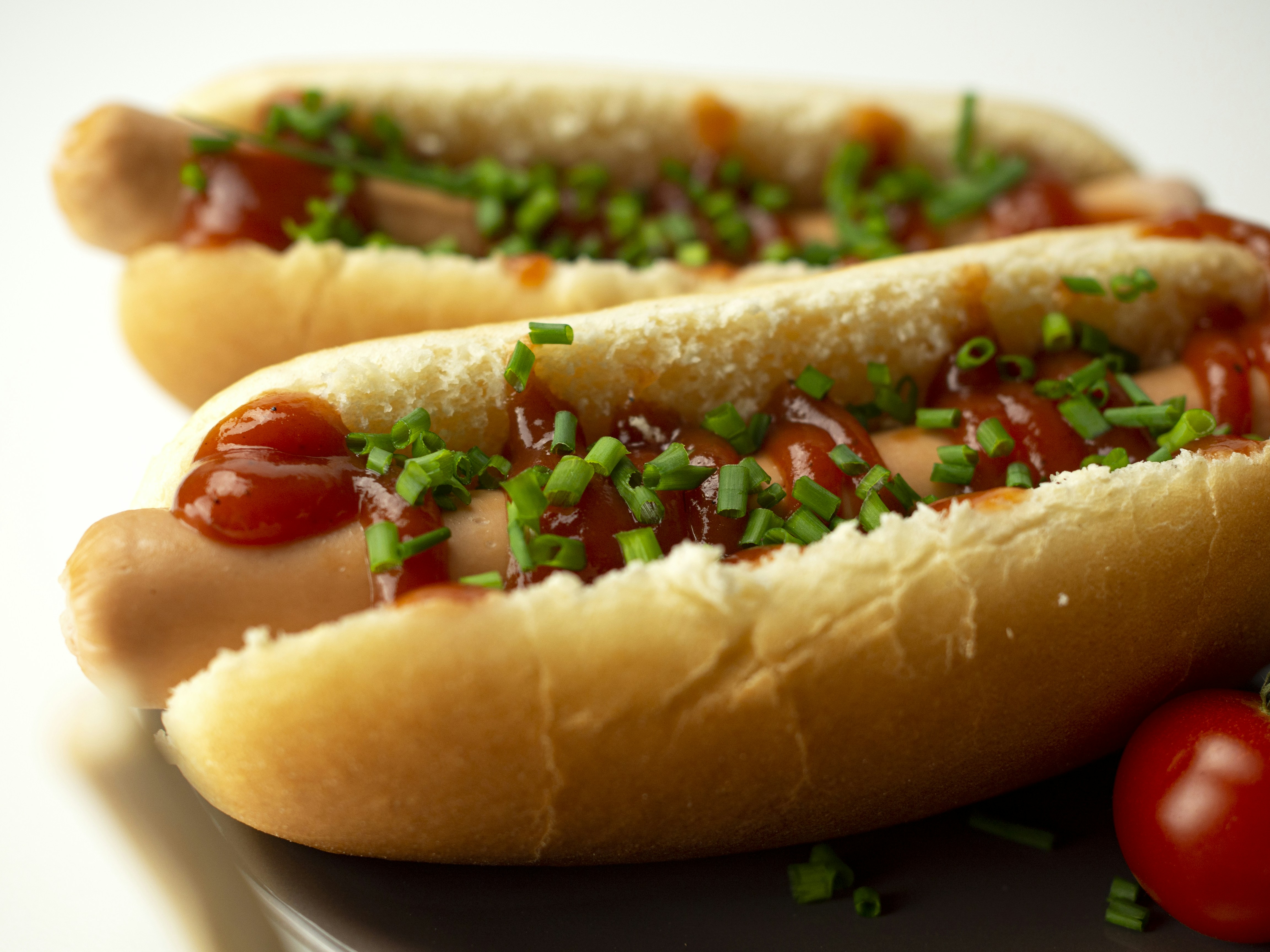
Portillo’s plans a 5,500-sq-ft inline flagship on Chicago’s Michigan Avenue, reflecting a strategic reset toward smaller, omnichannel formats.
Jun 8, 2026
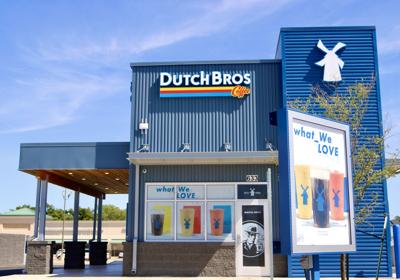
Same-store sales up 8%, margins above 28%, and at least 185 new shops in 2026 as Dutch Bros targets 2,029 units by 2029 amid cold-drink competition.
Jun 8, 2026
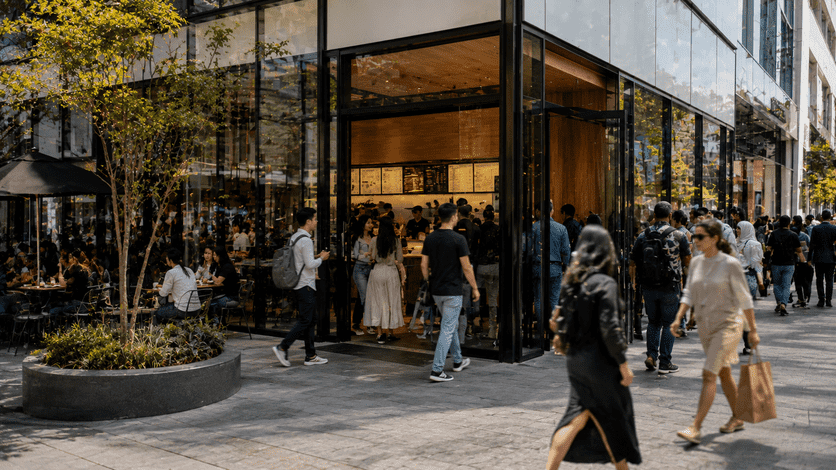
Chipotle is expanding its international presence through strategic partnerships, new market entries, and technology investments while maintaining steady restaurant growth and managing inflation pressures.
Jun 8, 2026

As fewer Americans drink, bar-focused franchises lean on tech, events, and broader beverage menus to grow. Tapville, Brass Tap, and Waters Edge adapt.
Jun 7, 2026
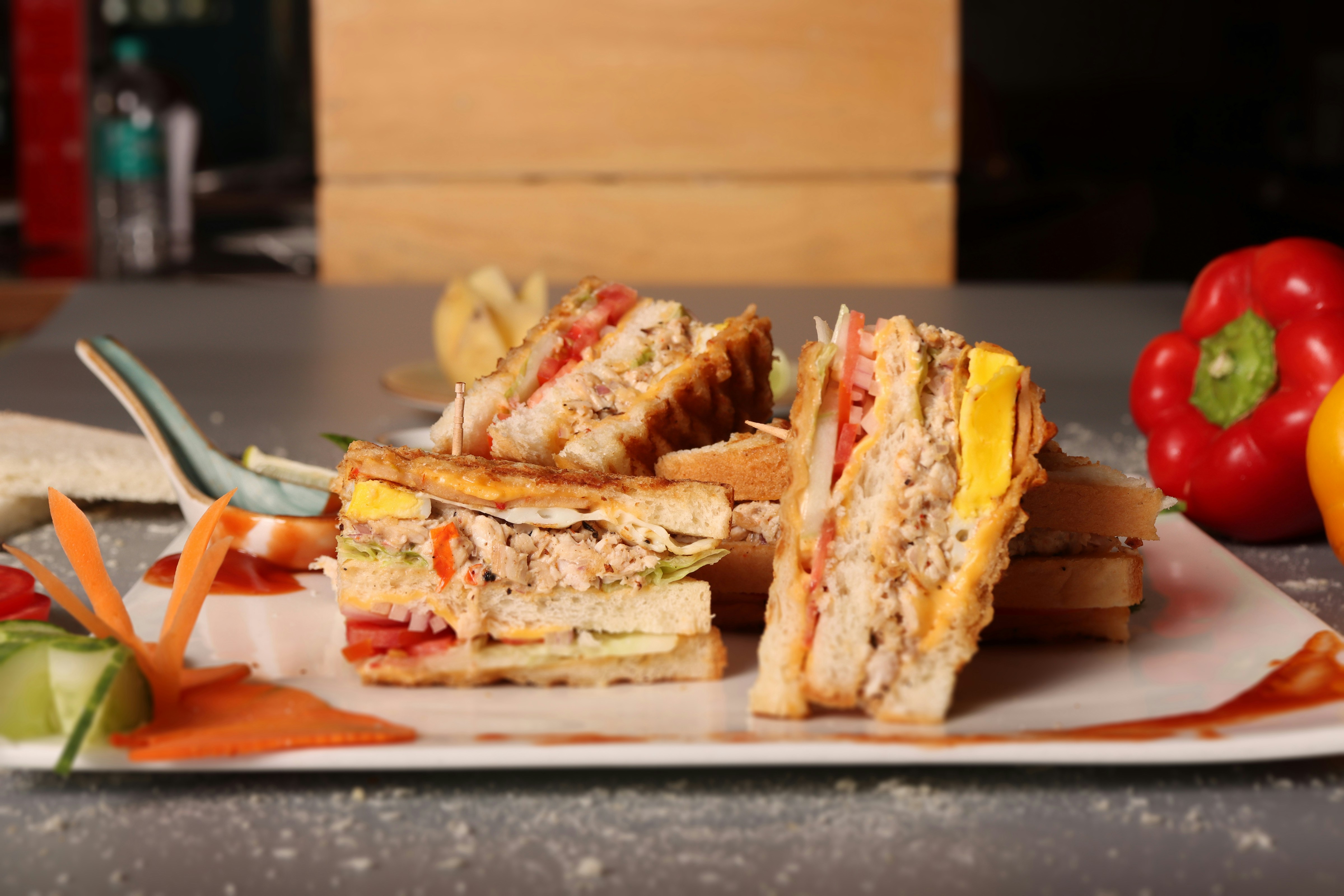
Chick-fil-A and CloudKitchens debut a delivery-only ghost kitchen in Miami’s Wynwood, featuring all-day Chick-N-Minis and late-night hours.
Jun 7, 2026

Chill-N uses algorithmic nitrogen flash-freezing to deliver consistent texture, build loyalty, and scale a 16-unit franchise while managing safety and compliance.
Jun 7, 2026
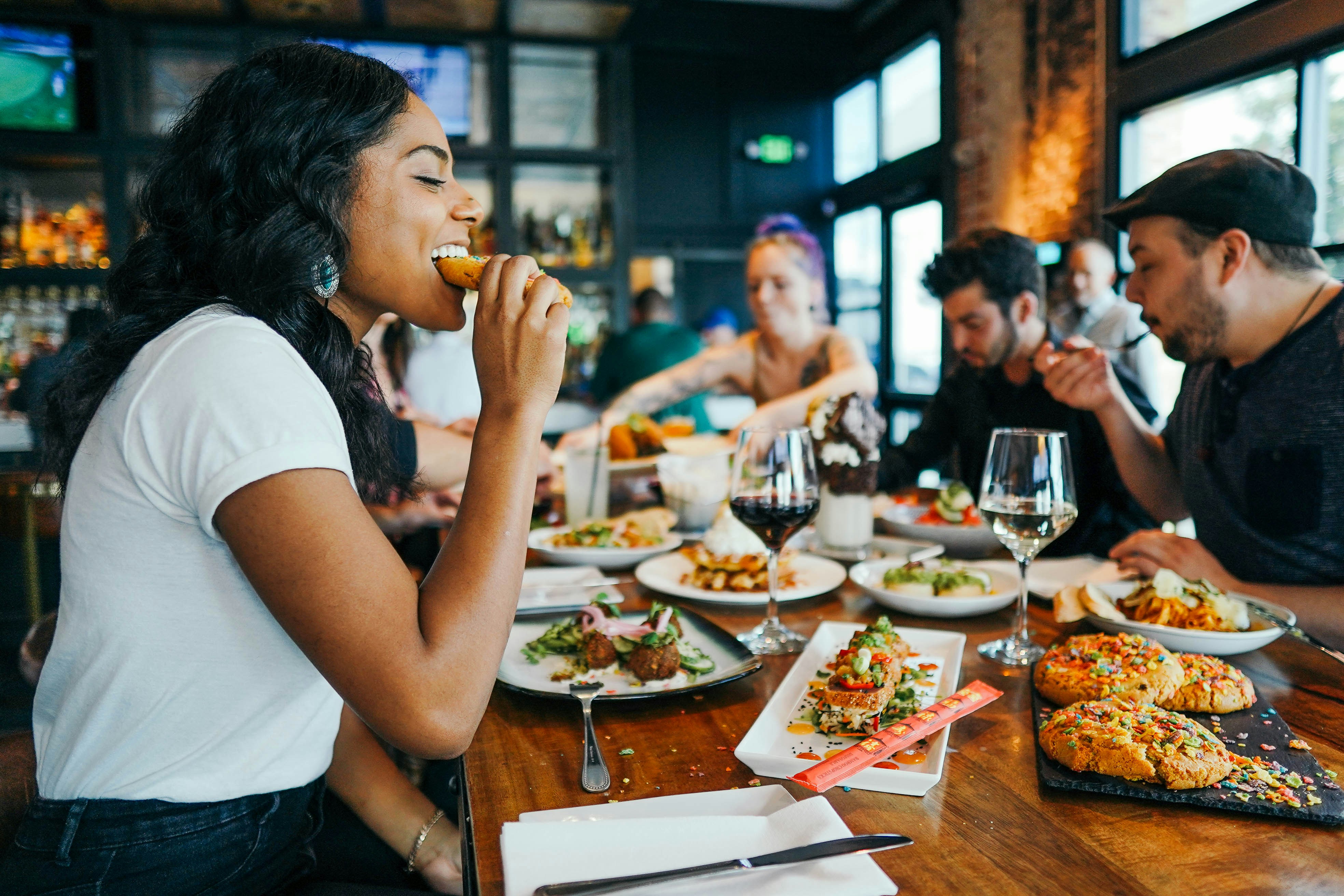
Restaurants and bars added 48,000 jobs in May as diners chase value; BLS data shows a sector pivot amid tight labor and easing wage growth.
Jun 7, 2026

Toca Social opens in Dallas, tying its tech-forward soccer venue to World Cup buzz while mapping dual-track growth and franchising across the Americas.
Jun 7, 2026
CAVA posts 32% Q1 revenue growth, 9.7% comps, 25.1% margins, and 459 units as its Mediterranean strategy drives traffic and a stronger 2026 outlook.
Jun 7, 2026
Chipotle is expanding its international presence through strategic partnerships, new market entries, and technology investments while maintaining steady restaurant growth and managing inflation pressures.
Chipotle Mexican Grill is placing a significant portion of its future growth strategy on international markets.
While the brand continues to expand across the United States, company leaders believe opportunities outside the country could eventually rival its domestic presence.
The restaurant chain has spent years building a strong reputation in the fast-casual segment, and executives now see global markets as the next major chapter in the company's growth story.
Through strategic partnerships, new market entries, and continued operational investments, Chipotle is positioning itself for sustained expansion over the coming decades.
Chipotle's leadership sees considerable room for growth beyond North America.
Although the company remains heavily concentrated in the United States, executives believe international demand for the brand continues to increase.
According to Chief Financial Officer Adam Rymer, the company is actively expanding its presence in both company-operated and partner-operated markets.
Western Europe remains a key focus, while partnerships in other regions are helping Chipotle enter new countries more efficiently and with lower operational risk.
This approach allows the company to build brand awareness while leveraging local expertise from experienced restaurant operators.
One of the biggest drivers behind Chipotle's global strategy is its growing network of international partners.
In recent years, the company has signed agreements with established food and hospitality groups to introduce the brand in new regions.
Markets such as Dubai, Kuwait, Mexico, Singapore, and South Korea have become important targets for expansion.
These partnerships help Chipotle navigate local regulations, supply chain requirements, and consumer preferences while accelerating restaurant development.
The company’s entry into Asia marks a particularly important milestone.
By working with regional partners, Chipotle aims to establish a stronger presence in some of the world's fastest-growing restaurant markets.
A major reason for the company's confidence in international growth is the universal appeal of its menu.
Chipotle's focus on fresh ingredients, customizable meals, vegetables, protein-rich options, and simple preparation methods aligns with evolving consumer preferences worldwide.
As diners increasingly seek healthier and more transparent food choices, the brand's positioning resonates across different cultures and demographics.
This broad appeal gives Chipotle a competitive advantage when entering unfamiliar markets.
Executives also believe the brand's reputation and customer loyalty create strong opportunities for expansion in regions where consumers are already familiar with American restaurant concepts.
International expansion is only one component of Chipotle's broader business strategy.
The company is also investing heavily in technology, menu development, and customer engagement initiatives.
Recent leadership appointments reflect this focus.
The company has strengthened its digital and brand leadership teams to support innovation across its operations.
Investments in artificial intelligence, digital ordering, loyalty programs, and operational efficiency are expected to play an important role in future growth.
These initiatives are designed not only to improve the customer experience but also to help restaurants operate more effectively as the business scales.
Chipotle continues to pursue aggressive restaurant development plans.
The company expects to open between 350 and 370 new restaurants during 2026, including several international locations operated through strategic partnerships.
The pace of expansion reflects management's confidence in the long-term strength of the business.
Recent financial results showed modest comparable sales growth while the company continued adding new restaurants across its network.
Management believes the brand can maintain annual growth rates in the high single digits for the foreseeable future, supported by both domestic and international opportunities.
As the company grows, the finance organization has become increasingly important in supporting decision-making across the business.
Rymer has emphasized building a strong finance leadership team capable of providing actionable insights to executives.
The finance department is helping guide investment decisions, monitor performance trends, and evaluate the financial impact of expansion initiatives.
Technology is also becoming a larger part of financial operations.
Automation tools and emerging AI applications are being introduced to improve efficiency, reduce manual processes, and support a growing restaurant portfolio.
While growth remains a priority, Chipotle continues to face industry-wide challenges related to inflation.
Rising costs for ingredients, packaging, transportation, and labor have placed pressure on restaurant margins.
Unlike some competitors that have relied heavily on menu price increases, Chipotle has taken a more measured approach.
The company is attempting to balance profitability with customer value, recognizing that consumers remain cautious about spending in the current economic environment.
Management believes maintaining affordability is essential for protecting customer loyalty and sustaining long-term traffic growth.
Chipotle's strategy reflects a long-term vision that extends well beyond its current restaurant footprint.
International expansion, digital innovation, operational improvements, and disciplined financial management are all working together to support future growth.
As the company enters new countries and strengthens its global presence, it is aiming to build a restaurant network that can eventually rival its domestic operations.
While challenges such as inflation and changing consumer behavior remain, Chipotle appears committed to investing in growth opportunities that can deliver value for both customers and the business over the years ahead.