Photo by Joshua Rodriguez on Unsplash
Starbucks Expands Clean-Energy Push
Starbucks accelerates sustainability with cups, EV chargers, and Illinois solar projects, weaving renewables into daily operations and community life.
News
Apr 19, 2026
Photo by Joshua Rodriguez on Unsplash
Starbucks accelerates sustainability with cups, EV chargers, and Illinois solar projects, weaving renewables into daily operations and community life.
Apr 19, 2026
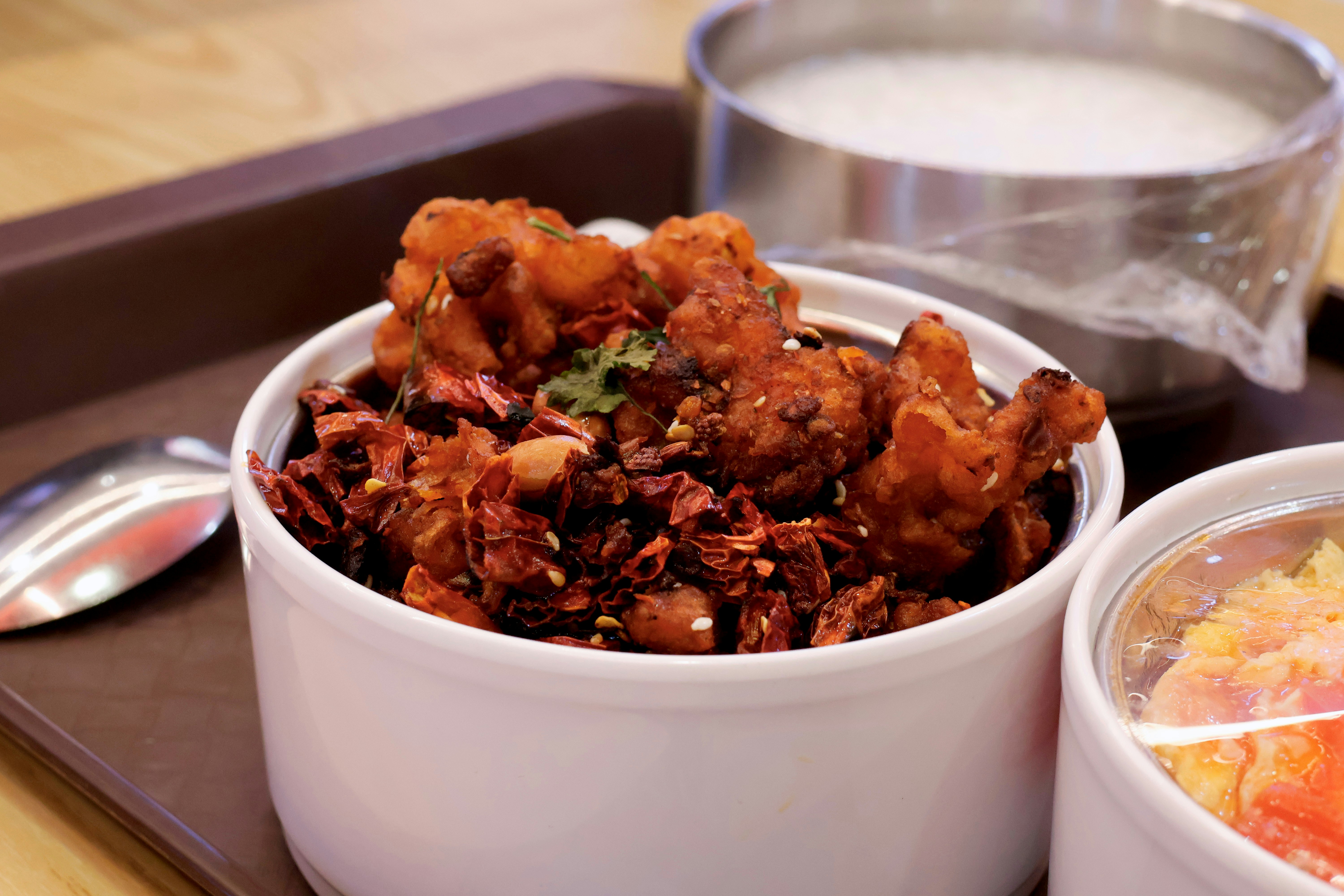
A profile of Angry Chickz’s bold heat, culture-led growth, and disciplined franchise model expanding from California to Texas and Arizona.
Apr 18, 2026
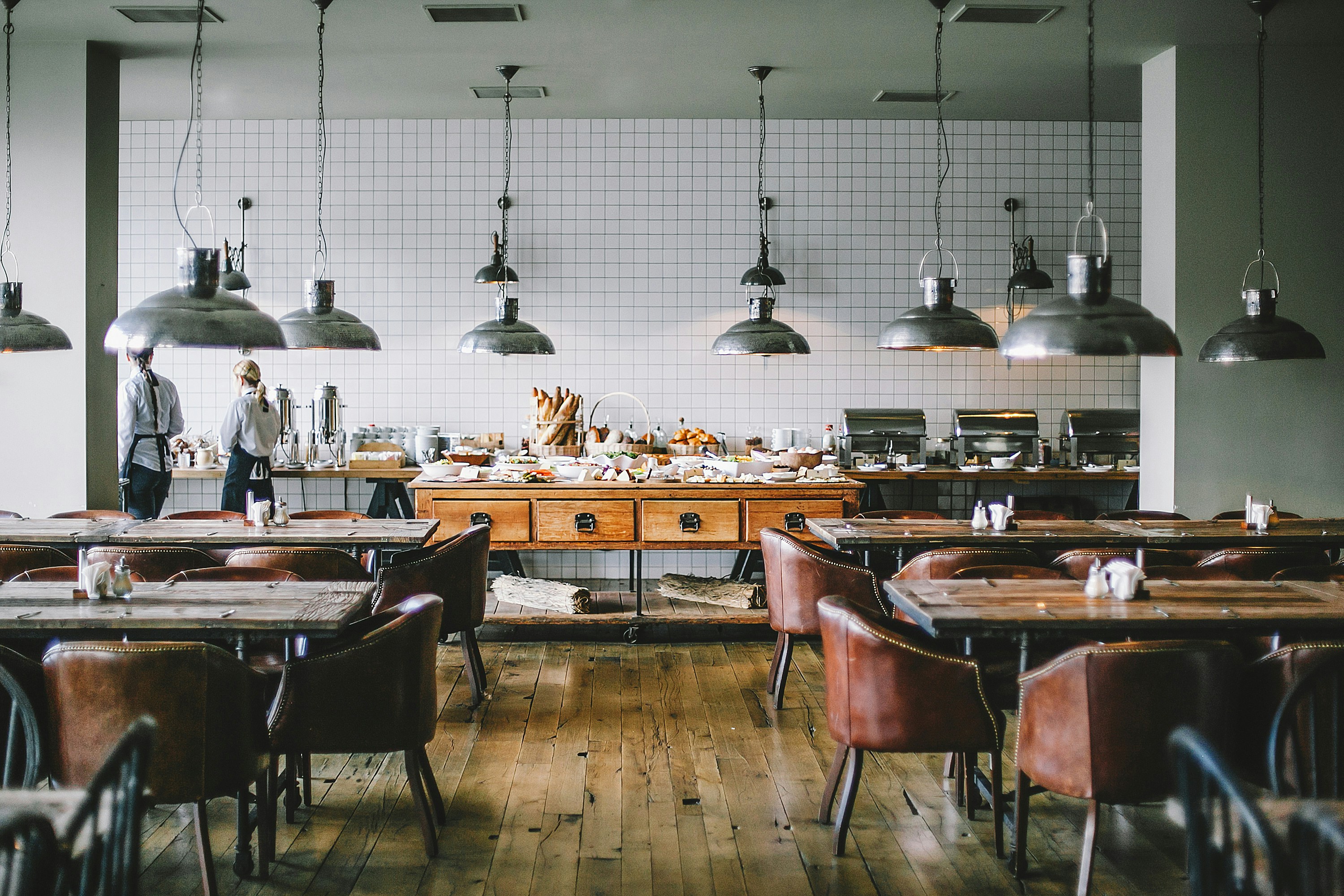
Photo by Maria Orlova on Unsplash
NRN's Investment Summit connects emerging restaurant brands with investors in Nashville, blending education, pitches, and deal-making to accelerate growth.
Apr 18, 2026
RaceTrac acquires Potbelly to accelerate a franchising-led expansion, backed by new leadership and an expanded development playbook.
Apr 18, 2026

Photo by Adrien Olichon on Unsplash
Chili’s brings back Ziosk for pay-at-table, loyalty, and AI insights across 1,100+ locations, signaling a thoughtful, guest-focused digital restart.
Apr 18, 2026

Photo by The 77 Human Needs System on Unsplash
Scottsdale welcomes a compact, all-day market from True Food Kitchen blending wellness-forward meals with grab-and-go convenience, signaling broader growth into market formats.
Apr 18, 2026
The Melting Pot blends modernization with conversions to grow, inviting brighter guest experiences while honoring its fondue heritage.
Apr 18, 2026
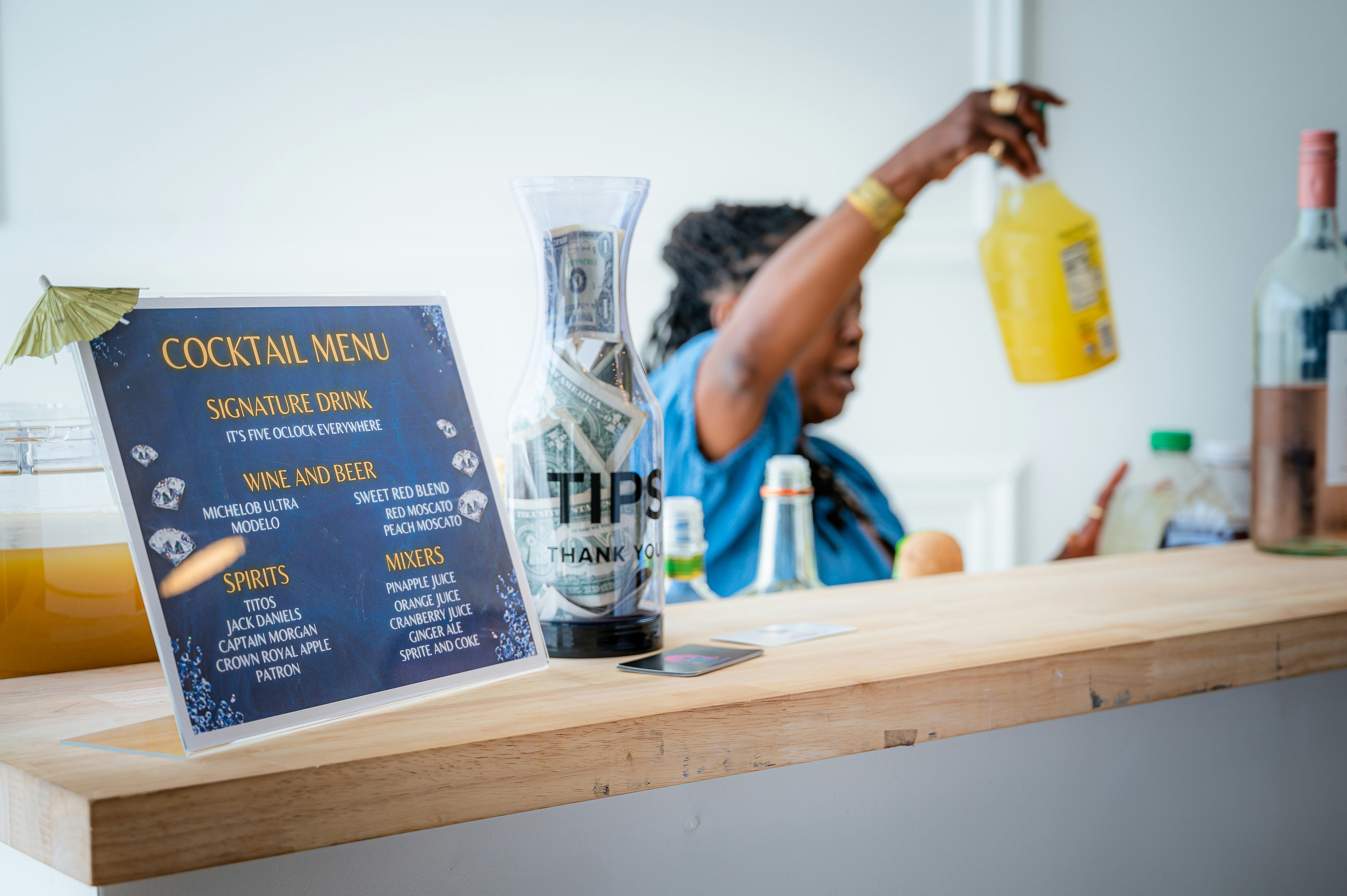
Photo by Matt Benson on Unsplash
South Block grows along the East Coast with Savory Fund, preserving neighborhood-first ethos and people-on-the-block philosophy.
Apr 18, 2026

Photo by Julian Myles on Unsplash
California's 2024 PAGA reforms curb abuse and streamline workplace claims, balancing worker protections with clearer compliance guardrails for employers.
Apr 18, 2026
A thoughtful look at how fast-service restaurants are embedding safety into infrastructure through cameras, lighting, guards, and real-time communications.
Apr 17, 2026
The food we eat is a crucial part of our daily lives. The quality of the food we consume has a direct impact on our health and well-being. That's why it's important to be aware of safe food handling labels. There are a variety of different food labels that can be found on products these days. Some of these labels indicate that the food is organic, while others may show that the food is GMO-free. However, one type of label that is often overlooked is the safe food handling label. The safe food handling label is a voluntary label that is placed on food products by the manufacturer. This label indicates that the food has been prepared in a way that minimizes the risk of foodborne illness
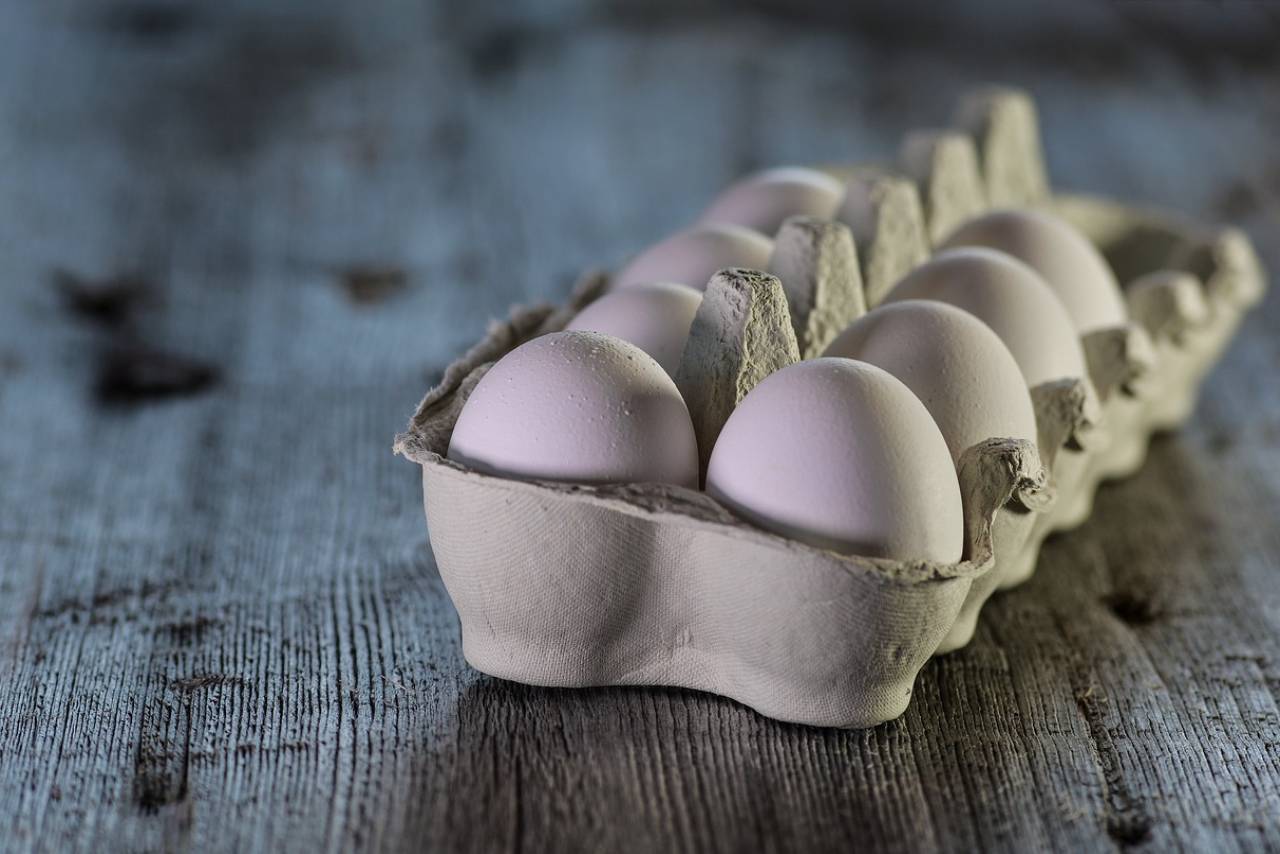
There are a variety of different types of food labels. The most common type is the nutrition facts label, which is required by the FDA to be on all packaged foods. This label provides information on the calories, fat, cholesterol, sodium, fiber, and protein content of the food. Other types of food labels include ingredient lists, allergens, country of origin, and expiration dates.
There are a few different types of food labels that you might see when you're grocery shopping. Here's a quick guide to what they mean-
"Organic"- This means that the food was produced without synthetic pesticides, herbicides, or fertilizers. Organic foods may also be free of genetic modifications, antibiotics, and growth hormones.
"Natural"- This label is somewhat misleading, as it doesn't necessarily have any strict definition. In general, though, it implies that the food is minimally processed and doesn't contain any artificial ingredients.
"GMO-free"- GMOs (genetically modified organisms) are created in a lab by altering the genes of a plant or animal. These ingredients are controversial, as some people believe they may be harmful to human health. If you want to avoid them, look for this label.
"Fairtrade"- Fairtrade Certified products come from farmers and workers who are paid fairly for their work and given good working conditions. Buying Fairtrade products helps to support these growers and workers around the world.
If you're not sure if a food is safe to eat, there are a few things you can do to check. First, make sure that the food is not expired and that it has been stored properly. If the food looks or smells strange, it's probably best to avoid eating it. You can also ask someone who knows about food safety for their opinion.
There are a few common food safety hazards to be aware of-
- Cross contamination- This is when harmful bacteria or other contaminants are transferred from one food item to another. This can happen if, for example, you use the same cutting board to prepare raw meat and then cut up some veggies without washing it in between.
- Food poisoning- This is caused by eating food that contains harmful bacteria or other toxins. Symptoms can include nausea, vomiting, and diarrhea. Food poisoning can be very serious, and in some cases even fatal.
- Allergens- These are substances that can cause an allergic reaction in some people. Common allergens include certain foods (like nuts and shellfish), dust, and pollen.
The best way to prevent food poisoning is by following these simple tips-
-Wash your hands with soap and water for at least 20 seconds before handling food. This is especially important if you have been in contact with any potentially contaminated surfaces.
-Wash all fruits and vegetables thoroughly under running water, even if you plan to peel them.
-Cook meat, poultry, and seafood thoroughly before eating. Use a food thermometer to make sure that they have reached a safe internal temperature.
-Avoid cross contamination by keeping raw meat, poultry, seafood, and eggs separate from other foods while cooking and preparing them.
-Do not use the same cutting board for different types of food unless you wash it in between uses.
-Refrigerate perishable food items as soon as possible and do not leave them out at room temperature for more than two hours (or one hour if the temperature is above 90 degrees Fahrenheit).