
Menu Metrics Every Restaurant Owner Should Track
Menu metrics help restaurant owners track sales, costs, profitability, waste, and channel performance to make smarter, more profitable menu decisions.
menu development
May 12, 2026
Menu metrics help restaurant owners track sales, costs, profitability, waste, and channel performance to make smarter, more profitable menu decisions.
May 12, 2026

A Cloud Kitchen helps restaurateurs serve delivery customers, reduce front-of-house costs, manage digital orders, and grow profitably with data-driven operations.
May 11, 2026

This step-by-step guide will show restaurant owners exactly how to read their profit & loss statement, spot hidden leaks, and boost profit—no finance degree required.
May 13, 2026
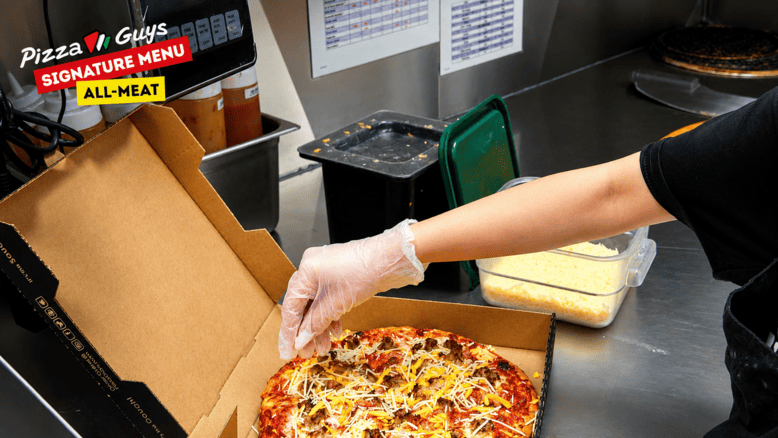
Discover the real challenges and rewards of opening a pizza restaurant franchise in Huntington Beach, California. This article explores the operational journey, family dynamics, and strategic choices behind Pizza Guys, through the lens of the owner’s experience.
May 12, 2026

Explore the best areas in Virginia to open a restaurant by comparing demand, costs, tourism, labor, competition, and concept fit.
May 8, 2026
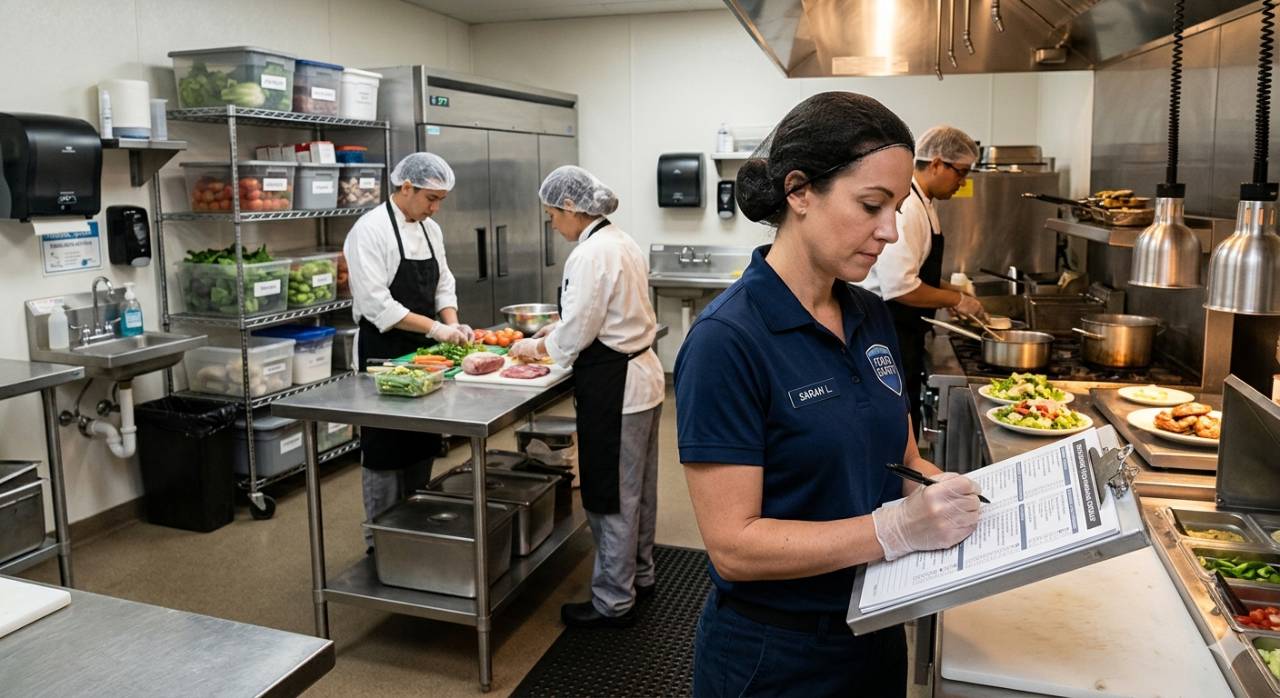
Food handling checklists help restaurants manage receiving, storage, prep, cooking, service, cleaning, training, and daily safety checks.
May 8, 2026

Learn how ignoring employee availability and scheduling preferences leads to disengagement, higher turnover, and lower productivity. Discover why people-focused scheduling improves retention, morale, and overall team performance.
May 8, 2026

Optimize your restaurant google business profile with accurate details, posts, Q&A, attributes, reviews, and tracking to increase visibility and orders.
May 6, 2026

A strong restaurant brand comes from clear values, consistent experiences, visual identity, customer focus, digital presence, and trusted service.
May 5, 2026

Discover how constant last-minute schedule changes create workplace stress, lower employee morale, and reduce productivity. Learn why structured scheduling improves retention, communication, and overall business efficiency.
May 7, 2026
A clear, tax-type system helps restaurant owners manage taxes confidently - reducing errors in sales, payroll, tip reporting, and income filings.

Running a restaurant means you're not dealing with "one tax." You're managing a set of taxes that fall into different buckets - some you collect from guests, some you withhold from employees, and some you pay as the business owner. That's why tax issues in restaurants often feel confusing - a single shift can trigger sales tax on food and alcohol, payroll taxes on wages, tip reporting obligations, and local fees - all while you're trying to keep service moving.
A helpful way to think about restaurant taxes is this simple workflow - (1) Collect (2) Withhold (3) Report (4) Remit (5) Document. If you can follow that sequence for each tax type, you'll stay organized, reduce surprises, and protect your cash flow.

Before you worry about tax rates, forms, or filing deadlines, you need the right tax accounts in place. This is the part many restaurant owners rush through - then months later discover they've been collecting sales tax without a proper permit, paying staff without state payroll accounts, or missing a local business tax registration that triggers penalties. Step 1 is about building the foundation so every other tax step becomes routine.
Start by confirming your business structure, because it affects how income taxes are filed and how owner pay is handled. Whether you operate as a sole proprietorship, LLC, S-corp, or C-corp, you'll want to know what returns you'll file annually and whether you'll need to make estimated payments. Next, make sure you have an EIN (Employer Identification Number) - most restaurants need one because they run payroll, open business bank accounts, and register for state tax programs. If you're hiring employees, you'll also need state-level employer accounts, typically including withholding and unemployment registrations.
Then, set up your sales tax registration (often a seller's permit or sales tax license) before you open the doors - or before you make your first taxable sale. Restaurants commonly have multiple taxable categories (food, alcohol, merchandise, catering), so registration is the gateway to collecting and remitting correctly. Don't stop at the state- many cities and counties require a business license or local business tax registration, and some areas layer on hospitality-related taxes (tourism, meals, or special district taxes).
Finally, create a simple compliance system you can actually maintain - a folder for permits/letters, a monthly checklist, and a calendar with recurring reminders. Think of it as your "tax command center." Once your registrations are in place and your deadlines are visible, you can move confidently into sales tax, payroll tax, tip reporting, and income tax - without scrambling to fix problems after the fact.
Checklist (Step 1)
1. Confirm entity type and annual filing requirements
2. Obtain EIN and open dedicated business bank accounts
3. Register with state revenue agency (sales tax + withholding as needed)
4. Register for state unemployment accounts (if you have employees)
5. Obtain local city/county business tax registrations and required licenses
6. Build a recurring calendar for monthly/quarterly/annual due dates
7. Store all permits, notices, and account numbers in one organized system
For most restaurant owners, sales tax is the biggest "collection" tax you manage - because you're charging guests, holding that money temporarily, then remitting it to the state (and sometimes local agencies). The tricky part is that restaurants rarely have one simple taxable category. Taxability can change based on service type (dine-in vs takeout), items sold (prepared food vs packaged goods), and add-ons (delivery fees, service fees, gratuities, catering deposits). That's why the most important sales tax work happens before you file - inside your POS setup and your weekly reconciliation routine.
Start by listing the ways you earn revenue- dine-in, takeout, delivery, third-party delivery, catering, alcohol, merchandise, gift cards, and any service charges. Then identify which categories are taxable in your area and make sure your POS applies the correct tax rules by item category and order type. A common operational mistake is taxing (or not taxing) something simply because the POS default was left untouched. Once your POS is configured, your job is to ensure what you collected matches what you report.
Next, build a habit of tracking adjustments that affect taxable sales- discounts, coupons, promos, comps, refunds/voids, and manager meals. These can change your taxable base depending on local rules and how the transaction is recorded. Also separate money that isn't typically "taxed at the register" but still matters for reporting - like tips and gift card redemptions - so you don't inflate or understate taxable sales.
Finally, reconcile sales tax like you reconcile cash - on a weekly basis, compare POS gross sales, net sales, tax collected, and deposits to your bank activity and accounting. This catches errors early - before they become a painful end-of-month surprise.
Checklist (Step 2)
1. List every sales channel- dine-in, takeout, delivery, catering, alcohol, merch, etc.
2. Configure POS tax rules by item category and order type
3. Separate tips, service charges, delivery fees, and non-taxable items in reporting
4. Track discounts, comps, refunds/voids, and how they impact taxable sales
5. Reconcile POS "tax collected" to deposits and accounting weekly
6. Confirm filing frequency and due dates (monthly/quarterly) and file on time
7. Save supporting reports (POS tax detail, sales summary, adjustment logs) for your records
Payroll taxes are where restaurants get into trouble fastest - not because owners don't want to comply, but because payroll is frequent, deadlines are strict, and small mistakes compound quickly. The key mindset shift is this - with payroll taxes, you're managing two streams at the same time. You're withholding taxes from employees (money that isn't yours), and you're also paying employer-side taxes that come out of the business.
First, make sure you're withholding the right employee amounts and remitting them on the schedule your tax agency assigns. Employee withholding commonly includes federal income tax (based on the employee's W-4) and Social Security/Medicare (FICA). Many states (and some local jurisdictions) also require withholding. Even if your payroll provider calculates these for you, you still own the responsibility to fund and submit deposits on time.
Second, understand your employer payroll obligations. You generally pay the employer portion of Social Security/Medicare (matching FICA), plus unemployment taxes - both federal and state unemployment programs. Restaurants with high turnover can see unemployment rates fluctuate, so it's important to monitor notices and keep your payroll accounts in good standing.
Third, stay alert on classification and documentation. Misclassifying a worker as a contractor instead of an employee can create major payroll tax exposure. Keep your hiring paperwork organized (I-9 verification, W-4, state new-hire reporting, and direct deposit authorizations) and ensure your timekeeping records support the wages you pay. Because restaurants often rely on variable schedules, split shifts, overtime, and different job codes (server, bartender, cook), your payroll process should clearly connect (1) Hours worked (2) Wages earned (3) Taxes withheld (4) Deposits made.
Last, know that payroll filing typically includes both regular tax deposits and periodic returns. Many businesses file payroll returns quarterly and issue year-end wage statements - so your monthly routine should feed clean, accurate data into those filings.
Checklist (Step 3)
1. Verify payroll tax accounts are active (federal + state + local as required)
2. Withhold employee taxes correctly and fund deposits on time
3. Pay employer taxes. FICA match + unemployment programs
4. Confirm worker classification (W-2 vs 1099) and new-hire reporting
5. Maintain timekeeping and wage records (hours, job codes, overtime)
6. Align payroll deposits with your assigned schedule (avoid late/short deposits)
7. Store payroll reports, tax confirmations, and agency notices in one place

Tips are one of the most restaurant-specific tax areas - and one of the easiest places to accidentally drift out of compliance. That's because tip income can come from multiple sources (cash tips, credit card tips, tip pools, tip-outs), it moves through different systems (POS, payroll, bank deposits), and it affects both employee tax withholding and employer payroll taxes. The goal in this step is simple - create a clean, repeatable workflow so every tip dollar is captured, reported, and taxed correctly without turning payroll week into chaos.
Start by establishing a tip reporting process that covers all tips, not just what's on credit cards. Credit card tips are usually visible in POS reports and can often be imported into payroll, but cash tips require a consistent employee reporting method. The most common breakdown happens when cash tips are "informal" and never make it into payroll records. From a compliance standpoint, tips are generally considered employee income and should be reported through payroll so the correct taxes can be withheld.
Next, distinguish tips vs service charges, because they're not treated the same. Tips are typically discretionary amounts left by the guest, while service charges are mandatory fees added by the business (for large parties, events, or "auto-gratuity"). Service charges are generally treated more like business revenue that you then pay out as wages - meaning they flow differently through payroll and taxes. Mislabeling a service charge as a tip (or vice versa) can create wage-and-hour issues and incorrect tax reporting.
Then, pressure-test your tip pool or tip share setup. If you run a tip pool, you need transparency on how tips are collected, allocated, and paid out. Your POS tip reports, tip-out records, and payroll entries should agree. If they don't, you can end up with employees underreporting, payroll under-withholding, or your books not matching your bank activity.
Finally, keep clean documentation. Tip-related compliance is much easier when you have a single source of truth- POS tip summaries, employee declarations (if needed), payout records, and payroll registers all saved consistently.
Checklist (Step 4)
1. Capture tips from every source- credit card, cash, tip pool/tip-outs
2. Ensure tips are reported through payroll so withholding is accurate
3. Separate tips from service charges and treat each correctly in systems
4. Reconcile POS tip reports to payroll and any tip payout method
5. Document tip pooling rules, allocation method, and participant roles
6. Store supporting records - POS tip detail, declarations, payout logs, payroll reports
7. Review tip processes regularly to prevent gaps as staff and workflows change
Income taxes are the "owner-level" taxes that often feel least connected to daily operations - but your day-to-day bookkeeping choices determine how painful (or smooth) income tax season becomes. Unlike sales tax (collected from guests) and payroll tax (withheld and deposited frequently), income taxes are driven by your restaurant's net profit after expenses. That makes accuracy in categorizing revenue and costs essential, especially in restaurants where margins are tight and small errors can materially change taxable income.
The first thing to understand is that income taxes depend heavily on your entity type. Some structures are "pass-through," meaning profits flow to the owner's personal return, while others file and pay at the business level. Regardless of structure, the restaurant should produce clean financial statements - at minimum a reliable Profit & Loss (P&L) and balance sheet - so tax preparation isn't guesswork. If your numbers aren't current until year-end, you're more likely to miss deductions, misstate income, or run into cash flow surprises when taxes are due.
Next is estimated payments. Many restaurant owners need to pay taxes throughout the year rather than waiting for a single annual bill. If your restaurant is profitable, you may be expected to make quarterly estimated tax payments (either as the owner, the entity, or both depending on structure). The practical move is to build a habit - each month, review your year-to-date profit and set aside a percentage into a separate tax reserve account. That one habit reduces the "March panic" that hits many operators.
Then focus on getting deductions right by keeping expenses organized and supported. Restaurants have major, recurring categories - COGS, labor, rent, utilities, marketing, repairs, delivery app fees, merchant processing, insurance, professional services. The "tax win" isn't chasing exotic write-offs; it's ensuring your routine spending is recorded correctly with receipts, invoices, and consistent vendor naming. Clean records also make depreciation and equipment tracking easier if you invest in kitchen equipment, furniture, POS hardware, or remodels.
Checklist (Step 5)
1. Confirm your filing path based on entity type (and how owner profit is taxed)
2. Keep monthly bookkeeping current so P&L is accurate year-round
3. Separate COGS vs operating expenses for clean reporting
4. Plan for estimated taxes (often quarterly) and set aside cash monthly
5. Track major deductible categories with receipts/invoices and consistent coding
6. Maintain year-end readiness- payroll summaries, 1099/W-2 outputs, asset/equipment list
7. Store tax documents and financial statements in a single, organized system
If sales tax and payroll tax are the "headline" obligations, Step 6 is where many restaurants get surprised - property-related taxes, excise taxes, and local taxes that don't show up neatly in your POS or payroll system. These taxes vary widely by location, but they're common enough - and costly enough when missed - that every restaurant owner should build a quick screening process to confirm what applies.
Start with property taxes, which can include more than just the building. Even if you lease your space, some jurisdictions assess a form of business personal property tax on equipment, furniture, fixtures, and other assets you use to operate (ovens, refrigeration, POS hardware, tables, smallwares). In many cases, you're required to file a declaration or listing of assets. If you ignore it, you may still get assessed - often based on estimates that aren't favorable. The simple protection is keeping an up-to-date equipment list and saving purchase invoices so you can respond accurately.
Next, consider excise taxes and category-specific obligations. Alcohol is the most common trigger- depending on your jurisdiction and your license type, you may have additional reporting and tax responsibilities connected to alcohol sales or distribution. If you sell tobacco or certain regulated products (less common in restaurants, but possible), those can also create special tax obligations. These aren't "general sales tax" - they're separate programs with their own rules and deadlines.
Then, confirm local taxes and fees that behave like taxes. Cities and counties may impose business taxes, gross receipts taxes, hospitality or tourism assessments, or special district fees. Some areas have meal taxes, tourism development taxes, or additional local surcharges that must be reported separately. Even if your accountant handles filings, you still need to know these exist so you can register and track them properly - especially if you open a second location in a different city or county.
Finally, multi-location restaurants should think in terms of jurisdiction stacking - state rules plus county rules plus city rules. Expanding even 20 miles can change what you owe and where you file.
Checklist (Step 6)
1. Confirm whether business personal property tax applies (even if you lease)
2. Maintain an asset/equipment list with dates, costs, and invoices
3. Identify excise taxes that apply (commonly alcohol-related) and required reports
4. Register for city/county taxes - business license taxes, gross receipts, hospitality/tourism
5. Verify special district or local surcharges that require separate filing
6. Review requirements any time you add a location, concept, or new revenue stream
7. Store local tax notices and renewal deadlines in your compliance calendar