Photo by Joshua Rodriguez on Unsplash
Starbucks Expands Clean-Energy Push
Starbucks accelerates sustainability with cups, EV chargers, and Illinois solar projects, weaving renewables into daily operations and community life.
News
Apr 19, 2026
Restaurant management is the profession of managing a restaurant. Associate, bachelor, and graduate degree programs are offered in restaurant management by community colleges, junior colleges, and some universities in the United States.
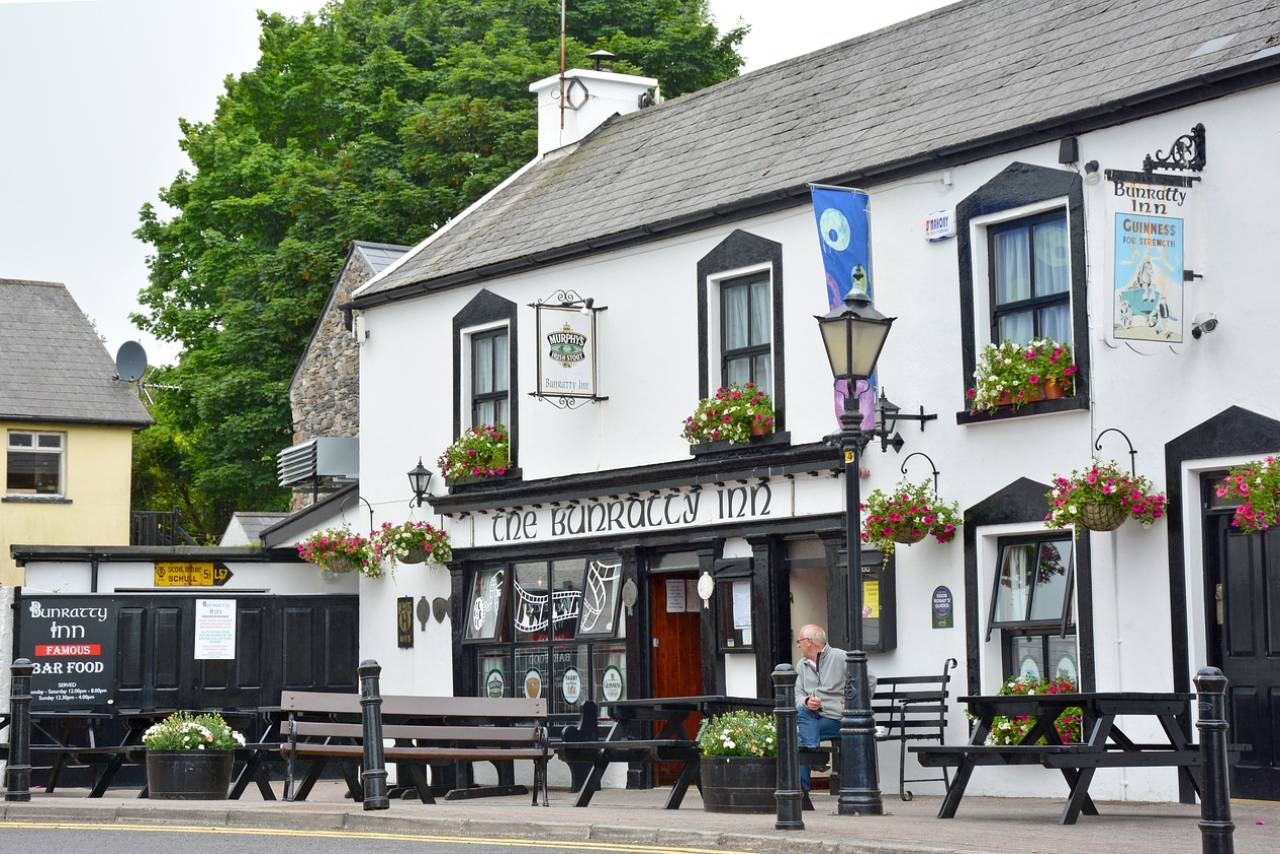
Restaurant management is the profession of managing a restaurant. Associate, bachelor, and graduate degree programs are offered in restaurant management by community colleges, junior colleges, and some universities in the United States.
One hierarchical system for organizing a restaurant's kitchen staff is the brigade de cuisine system developed by Auguste Escoffier (18461935).
Restaurant management is the profession of managing a restaurant. Associate, bachelor, and graduate degree programs are offered in restaurant management by community colleges, junior colleges, and some universities in the United States.
One hierarchical system for organizing a restaurant's kitchen staff is the brigade de cuisine system developed by Auguste Escoffier (18461935).
Restaurant management is the profession of managing a restaurant. Associate, bachelor, and graduate degree programs are offered in restaurant management by community colleges, junior colleges, and some universities in the United States.
One hierarchical system for organizing a restaurant's kitchen staff is the brigade de cuisine system developed by Auguste Escoffier (18461935).
Restaurant management is the profession of managing a restaurant. Associate, bachelor, and graduate degree programs are offered in restaurant management by community colleges, junior colleges, and some universities in the United States.
One hierarchical system for organizing a restaurant's kitchen staff is the brigade de cuisine system developed by Auguste Escoffier (18461935).
Restaurant management is the profession of managing a restaurant. Associate, bachelor, and graduate degree programs are offered in restaurant management by community colleges, junior colleges, and some universities in the United States.
One hierarchical system for organizing a restaurant's kitchen staff is the brigade de cuisine system developed by Auguste Escoffier (18461935).
Restaurant management is the profession of managing a restaurant. Associate, bachelor, and graduate degree programs are offered in restaurant management by community colleges, junior colleges, and some universities in the United States.
One hierarchical system for organizing a restaurant's kitchen staff is the brigade de cuisine system developed by Auguste Escoffier (18461935).
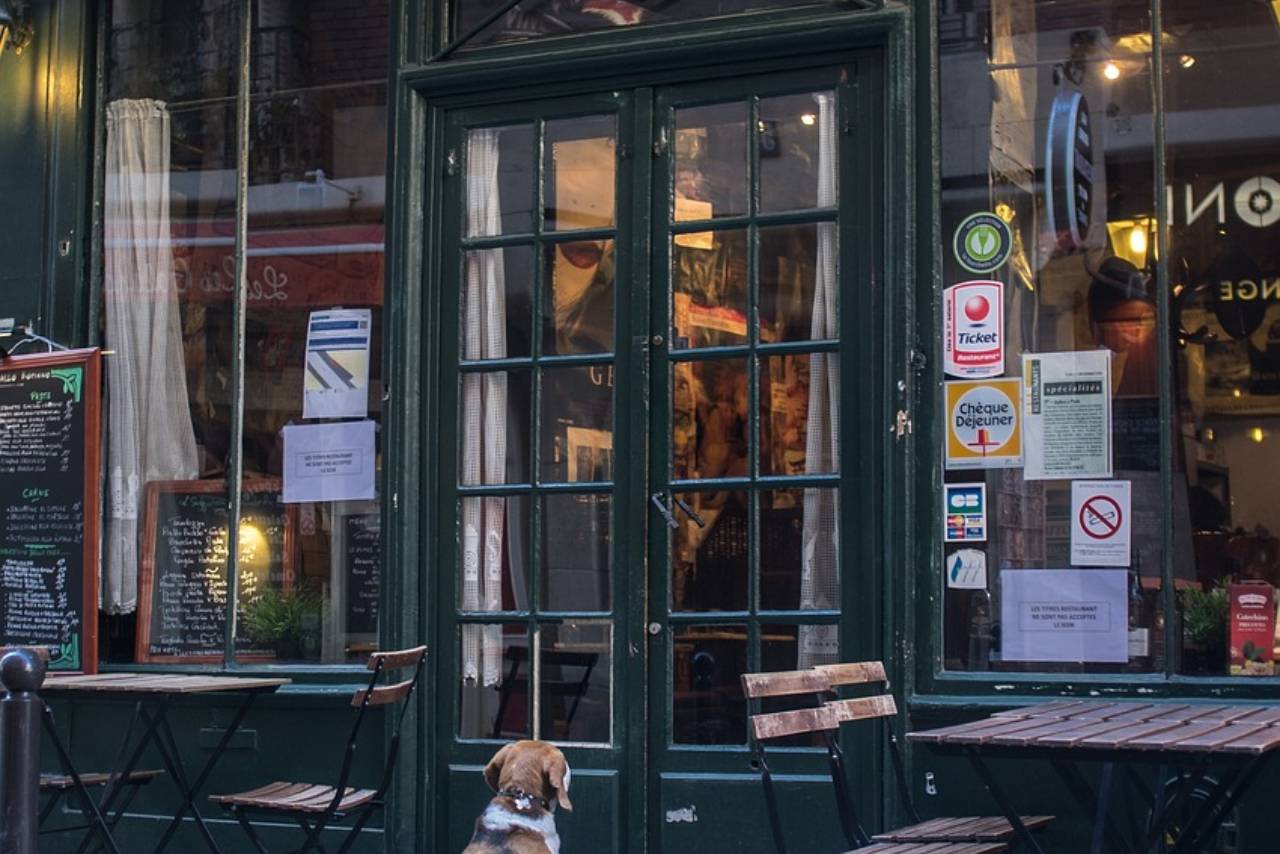
Restaurant management tips often deal with ways to streamline the day-to-day operations of the restaurant itself. But what about youthe managerwho dictates those day-to-day operations? Could you use some tips to help you manage better? Of course you could. We all could.
Working on yourself is as important as, if not more important than, working on the operations of the business. That's because everything you do affects some aspect of the restaurant from the food quality to the atmosphere to the employee demeanor.
1. Display A Positive Attitude
Your positive attitude or lack thereof can dramatically affect the mood of the entire restaurant customers included. A negative attitude on your part can trickle down through the employees and seep into your guests. This, in turn, colors their dining experience in a bad way. That's a recipe for disaster.
2. Promote Transparency With Your Employees
Transparency is an important aspect of restaurant management in the 21st century. Millennial employees, in particular, want to know what's going on and what you're doing in the restaurant. This stems from the younger generation's need to feel connected and part of something larger.
3. Be A Model Of Stability For Your Employees
The restaurant business can be notoriously inconsistent. One day can differ from the next, which can differ from the next. This can wear away at employee efficiency because they have no idea what to expect from day to day.
4. Plan Ahead
In order to perform at your best, it's important to plan ahead. Anticipating needs and problems, and being proactive in the management of these issues, can go a long way toward keeping stress and chaos at bay.
5. Innovate
The restaurant business may not seem like a prime place for innovation, but it actually is. Whether it's simpler point-of-sale technology, adopting a farm-to-fork initiative, or revamping the accounting systems, these innovations can keep a restaurant successful.Credit CardFood SafetySmall Business
One job, many hats
Restaurant Managers ensure restaurants run smoothly and efficiently. They seek to provide customers with pleasant dining experiences that live up to brand standards. Their efforts, which include effectively managing employees, are ultimately geared towards safeguarding the profitability of the restaurant.
In effect, an RM embodies general management, administration, customer services, human resources, supply chain & procurement, health and safety, compliance, accounting & marketing all rolled into one. This is particularly true for those working in smaller establishments, who are in frequent contact with both customers and employees. Restaurant managers in larger organizations may see to more office-based work.
Restaurant manager duties What does a restaurant manager do?
A restaurant manager's duties vary from setting to setting and often depend on the employer. Typical responsibilities include-
General management and administration
Restaurant management tasks naturally fall into two main categories- managing the overall health of the business and directing daily operations. The first three steps on this listknowing costs, adjusting to meet targets, and forecasting for growthfall under the first category. The final threemaintaining operational standards, building a positive staff culture, and focusing on customer serviceare part of directing daily operations.
1. Know Your Restaurant's Operating CostsFirst, we'll start with the part that restaurant managers may find tricky- the math.
There are several things that eat into a restaurant's operating budget. Managing a restaurant of any size begins with knowing these operational costs and expenses and the ways they influence your business. Costs, in particular, show the health of a restaurant more accurately than any other measure.
Restaurant Costs vs Expenses
Restaurant management tasks naturally fall into two main categories- managing the overall health of the business and directing daily operations. The first three steps on this listknowing costs, adjusting to meet targets, and forecasting for growthfall under the first category. The final threemaintaining operational standards, building a positive staff culture, and focusing on customer serviceare part of directing daily operations.
1. Know Your Restaurant's Operating CostsFirst, we'll start with the part that restaurant managers may find tricky- the math.
There are several things that eat into a restaurant's operating budget. Managing a restaurant of any size begins with knowing these operational costs and expenses and the ways they influence your business. Costs, in particular, show the health of a restaurant more accurately than any other measure.
Restaurant Costs vs Expenses

One job, many hats
Restaurant Managers ensure restaurants run smoothly and efficiently. They seek to provide customers with pleasant dining experiences that live up to brand standards. Their efforts, which include effectively managing employees, are ultimately geared towards safeguarding the profitability of the restaurant.
In effect, an RM embodies general management, administration, customer services, human resources, supply chain & procurement, health and safety, compliance, accounting & marketing all rolled into one. This is particularly true for those working in smaller establishments, who are in frequent contact with both customers and employees. Restaurant managers in larger organizations may see to more office-based work.
Restaurant manager duties What does a restaurant manager do?
A restaurant manager's duties vary from setting to setting and often depend on the employer. Typical responsibilities include-
General management and administration