How Much Does It Cost to Open a Coffee Shop in 2026?
Opening a coffee shop in 2026 requires careful cost planning across rent, equipment, labor, technology, menu strategy, marketing, and sustainability.
operations
May 15, 2026
Opening a coffee shop in 2026 requires careful cost planning across rent, equipment, labor, technology, menu strategy, marketing, and sustainability.
May 15, 2026

This AI playbook covers restaurant tools for voice ordering, staffing, compliance, menu pricing, inventory, marketing, ChatGPT prompts, and SEO.
May 15, 2026

Hardee’s giant Boddie-Noell inks 31-unit Scooter’s Coffee deal for NC and VA, leveraging drive-thru growth and local roots with rollout over 12–18 months.
May 15, 2026

Wingstop turns match weeks into a multi-sensory festival, aligning bold pop-ups with World Cup energy to build brand affinity and measurable momentum.
May 15, 2026

The parent company behind Dunkin', Buffalo Wild Wings, and Arby's has filed for an IPO a move that could reshape how Wall Street views the restaurant sector.
May 15, 2026

Learn how to develop a memorable restaurant brand identity that stands out in a crowded market, attracts loyal customers, and drives repeat business with actionable strategies and affordable tools.
May 15, 2026

Dirty soda chain Swig is expanding into Colorado through a 10-unit franchise deal, riding a consumer beverage trend that's catching the attention of major QSR players nationwide.
May 15, 2026

Papa Johns has teamed up with Alphabet's Wing for drone delivery of its new sandwich lineup in parts of Charlotte marking the first partnership of its kind between Wing and a national QSR brand.
May 15, 2026

A warm, expert-led look at McDonald’s Q1 results, menu makeover, and the refranchise question shaping its growth.
May 14, 2026

A reflective look at Habit Ranch, its immersive desert activation, and what it signals for brand loyalty and mindful, experiential dining.
May 14, 2026

Unlock Exclusive Access To Webinars, Events, And The Latest News For Free!
Explore how Shake Shack is revolutionizing its growth strategy and marketing approach to achieve unprecedented success in the restaurant industry.
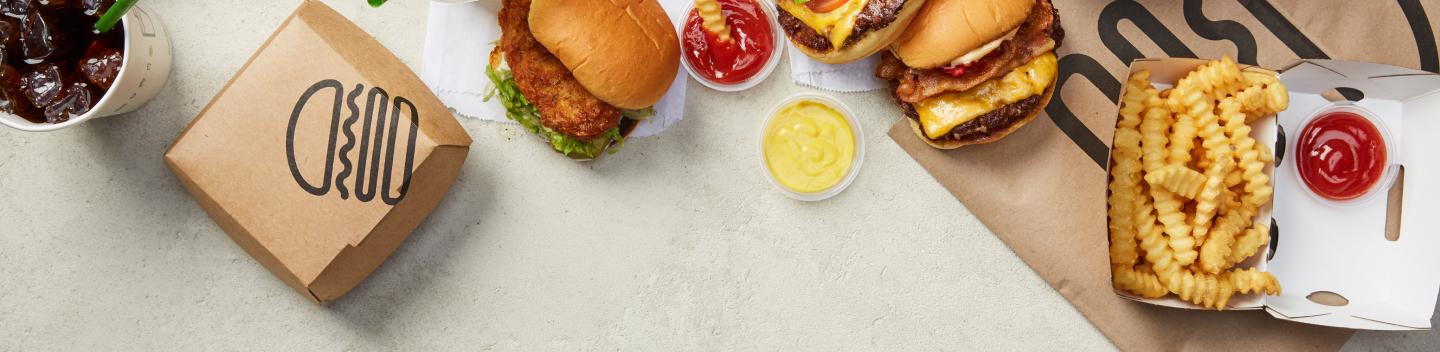
Shake Shack's recent announcement of expanding to 1,500 stores marks a significant milestone in its growth trajectory. With a solid foundation of 329 company-operated stores, the company is set to quadruple its store count from the initial target set in 2015. CEO Rob Lynch emphasized the importance of evolving thinking and implementing changes to facilitate this exponential growth.
A pivotal strategy for Shake Shack's growth involves venturing into more spacious, suburban locations. Moving away from its traditional focus on smaller, urban setups, the brand aims to tap into new markets and formats, many of which will include drive-thrus. By diversifying its store locations, Shake Shack can attract a broader customer base and accelerate its expansion.
Despite its expansion, Shake Shack has adeptly preserved its scrappy underdog branding. By allocating a minimal 1% of total revenue to advertising, the brand stands out in an industry saturated with heavily marketed competitors. CFO Katie Fogertey highlighted the importance of each store retaining a local feel, contributing to Shake Shack's distinct charm.
Looking ahead, Shake Shack's focus for 2025 includes strategic culinary innovation, targeted marketing initiatives, and digital omnichannel excellence. The brand aims to enhance its value proposition while navigating rising costs and consumer budget constraints. Introducing combo meals is one strategy on the horizon to improve value perception in the market.
Shake Shack's journey to 1,500 stores showcases its agility and willingness to embrace change. By continuously innovating its growth strategies, maintaining brand authenticity, and prioritizing customer experience, Shake Shack solidifies its position as a dynamic player in the evolving restaurant industry.