AI Playbook for Restaurant Owners
This AI playbook covers restaurant tools for voice ordering, staffing, compliance, menu pricing, inventory, marketing, ChatGPT prompts, and SEO.
tech
May 15, 2026
This AI playbook covers restaurant tools for voice ordering, staffing, compliance, menu pricing, inventory, marketing, ChatGPT prompts, and SEO.
May 15, 2026

Opening a coffee shop in 2026 requires careful cost planning across rent, equipment, labor, technology, menu strategy, marketing, and sustainability.
May 15, 2026

Hardee’s giant Boddie-Noell inks 31-unit Scooter’s Coffee deal for NC and VA, leveraging drive-thru growth and local roots with rollout over 12–18 months.
May 15, 2026

Wingstop turns match weeks into a multi-sensory festival, aligning bold pop-ups with World Cup energy to build brand affinity and measurable momentum.
May 15, 2026

Learn how to develop a memorable restaurant brand identity that stands out in a crowded market, attracts loyal customers, and drives repeat business with actionable strategies and affordable tools.
May 15, 2026

The parent company behind Dunkin', Buffalo Wild Wings, and Arby's has filed for an IPO a move that could reshape how Wall Street views the restaurant sector.
May 15, 2026

Papa Johns has teamed up with Alphabet's Wing for drone delivery of its new sandwich lineup in parts of Charlotte marking the first partnership of its kind between Wing and a national QSR brand.
May 15, 2026

Dirty soda chain Swig is expanding into Colorado through a 10-unit franchise deal, riding a consumer beverage trend that's catching the attention of major QSR players nationwide.
May 15, 2026

A warm, expert-led look at McDonald’s Q1 results, menu makeover, and the refranchise question shaping its growth.
May 14, 2026

A reflective look at Habit Ranch, its immersive desert activation, and what it signals for brand loyalty and mindful, experiential dining.
May 14, 2026

Unlock Exclusive Access To Webinars, Events, And The Latest News For Free!
Learn about the recent E. coli outbreak potentially linked to McDonald's, the safety measures taken, and responses from the company and related suppliers.
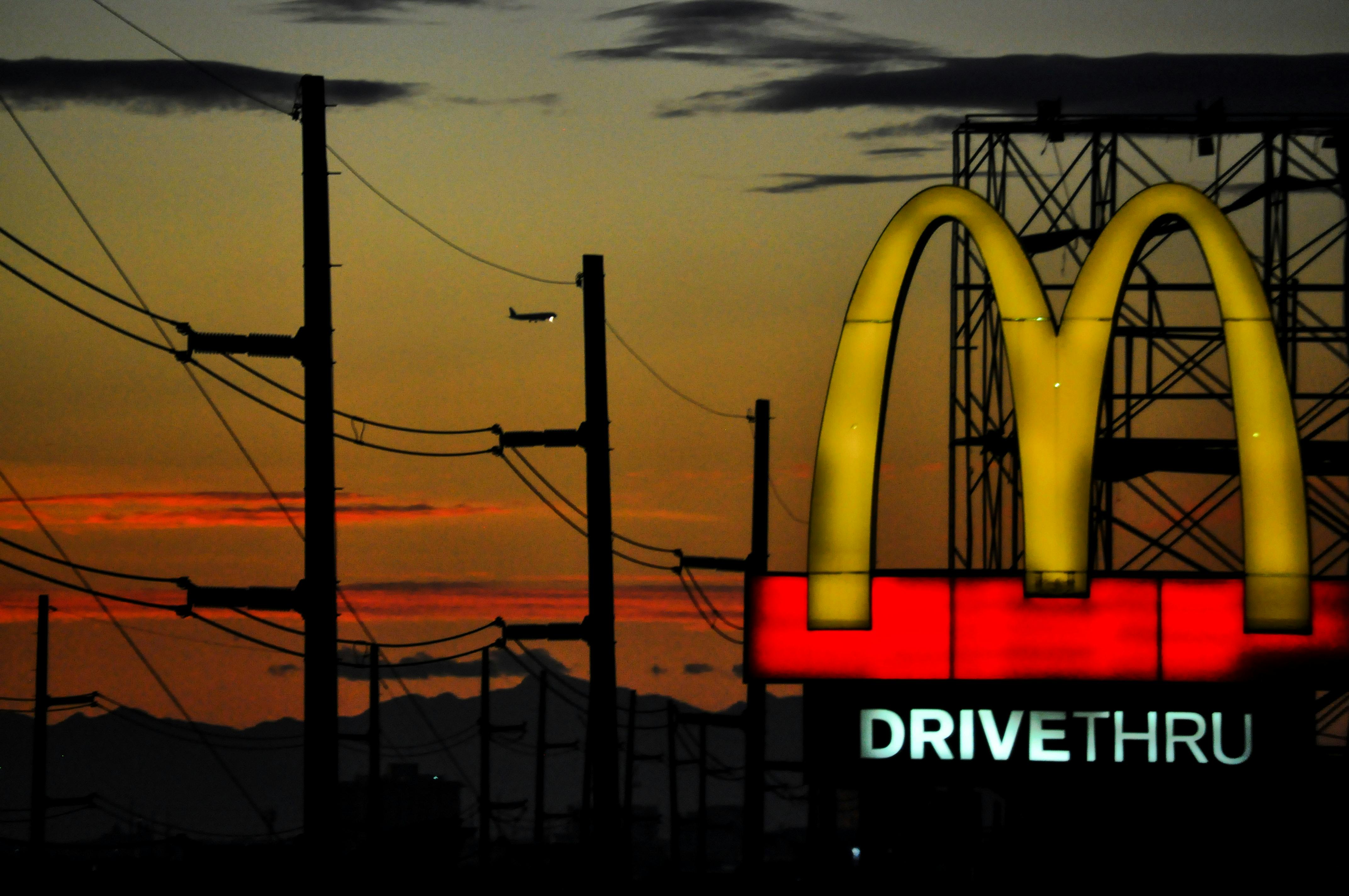
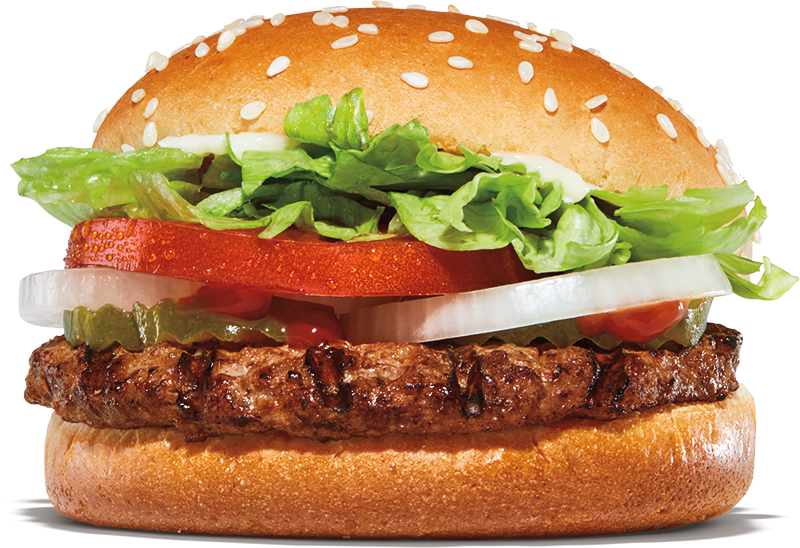
The E. coli outbreak connected to McDonald's has raised significant concerns regarding food safety. The Centers for Disease Control and Prevention (CDC) first reported the outbreak to McDonald's following 49 identified cases and one fatality across 10 states. The outbreak is believed to be linked to the consumption of slivered onions used in McDonald's Quarter Pounder burgers.
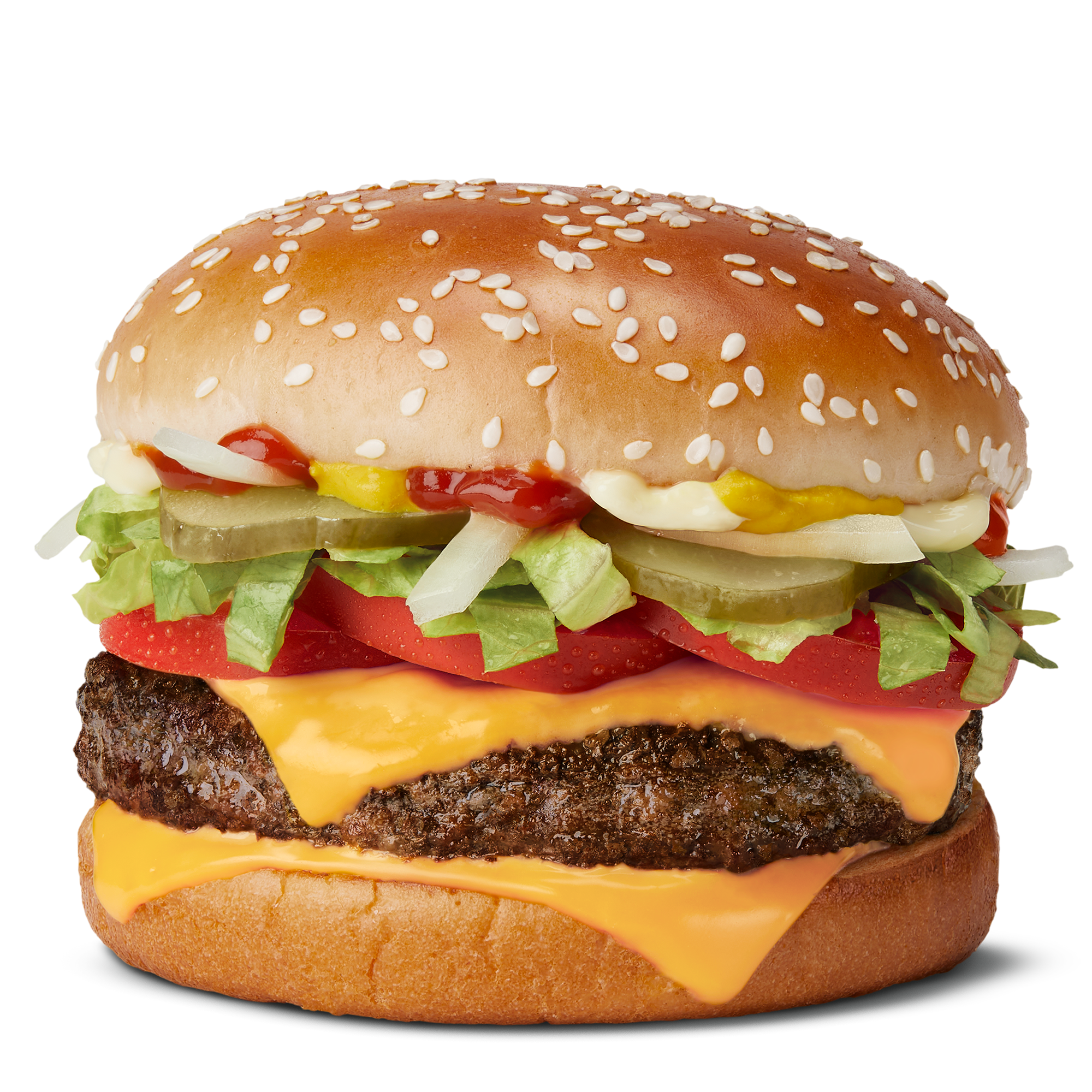
In response to the outbreak, McDonald's took swift action by removing the suspected slivered onions from affected restaurants in states such as Colorado, Kansas, Utah, and others. By eliminating the potential source of contamination, McDonald's aimed to mitigate further risks to its customers.
Following the outbreak, McDonald's supplier, Taylor Farms, voluntarily recalled yellow onions produced in its Colorado facility as a precautionary measure. This recall demonstrates the proactive approach taken by suppliers in ensuring food safety. Additionally, major distributors like US Foods issued recall notices for products sourced from Taylor Farms, emphasizing the broader industry response to such incidents.
The impact of the E. coli outbreak has extended to other restaurant chains beyond McDonald's. Colorado-based Illegal Pete's, although not linked to any E. coli cases, disposed of onions obtained from the affected supplier, showcasing a commitment to customer safety. Taco Bell also removed onions from its menu in response to the evolving situation, highlighting the cautious approach adopted by various food establishments.
Foodborne diseases, including E. coli infections, affect millions of individuals annually, leading to thousands of fatalities. The recent events underscore the ongoing challenge of ensuring food safety in the food industry and the importance of collaborative efforts between regulators, suppliers, and restaurants to prevent such outbreaks.
As investigations continue, collaboration between McDonald's, regulatory bodies like the FDA and CDC, suppliers, and distributors remains crucial in identifying the root cause of the outbreak and implementing preventive measures. This incident serves as a reminder of the vigilance required to uphold food safety standards and protect consumers from potential risks.