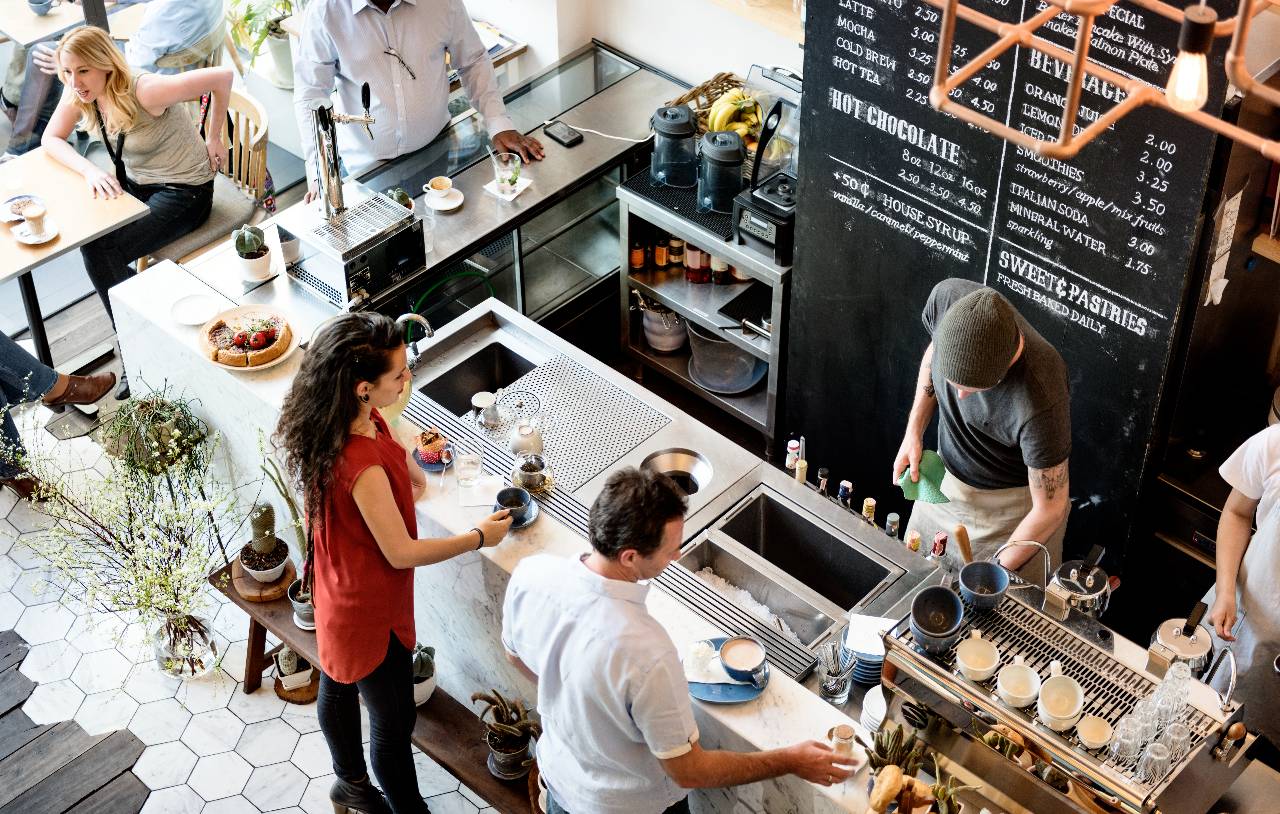
How Much Does It Cost to Open a Coffee Shop in 2026?
Opening a coffee shop in 2026 requires careful cost planning across rent, equipment, labor, technology, menu strategy, marketing, and sustainability.
operations
May 15, 2026
Opening a coffee shop in 2026 requires careful cost planning across rent, equipment, labor, technology, menu strategy, marketing, and sustainability.
May 15, 2026
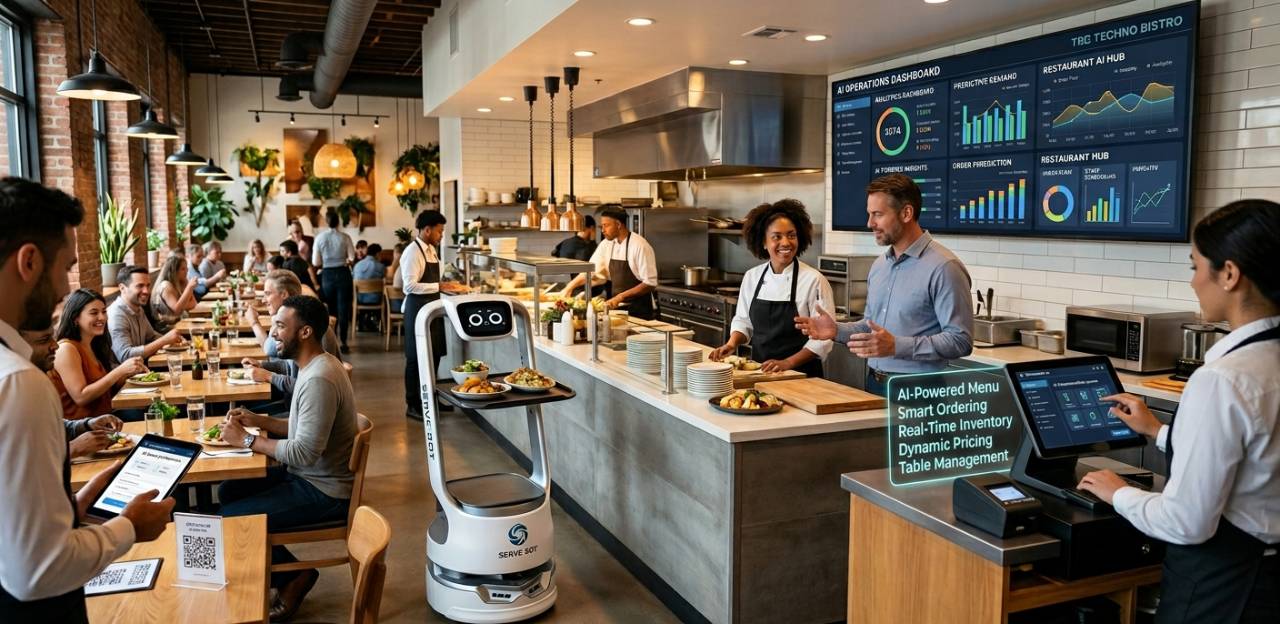
This AI playbook covers restaurant tools for voice ordering, staffing, compliance, menu pricing, inventory, marketing, ChatGPT prompts, and SEO.
May 15, 2026
Hardee’s giant Boddie-Noell inks 31-unit Scooter’s Coffee deal for NC and VA, leveraging drive-thru growth and local roots with rollout over 12–18 months.
May 15, 2026
Wingstop turns match weeks into a multi-sensory festival, aligning bold pop-ups with World Cup energy to build brand affinity and measurable momentum.
May 15, 2026
The parent company behind Dunkin', Buffalo Wild Wings, and Arby's has filed for an IPO a move that could reshape how Wall Street views the restaurant sector.
May 15, 2026
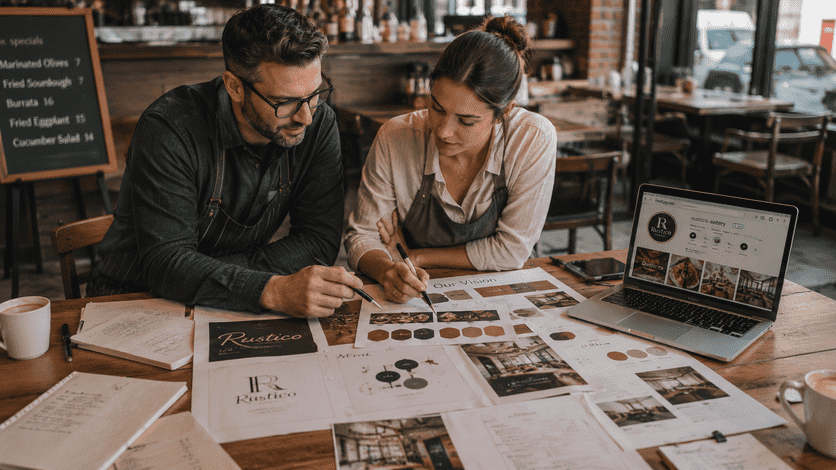
Learn how to develop a memorable restaurant brand identity that stands out in a crowded market, attracts loyal customers, and drives repeat business with actionable strategies and affordable tools.
May 15, 2026
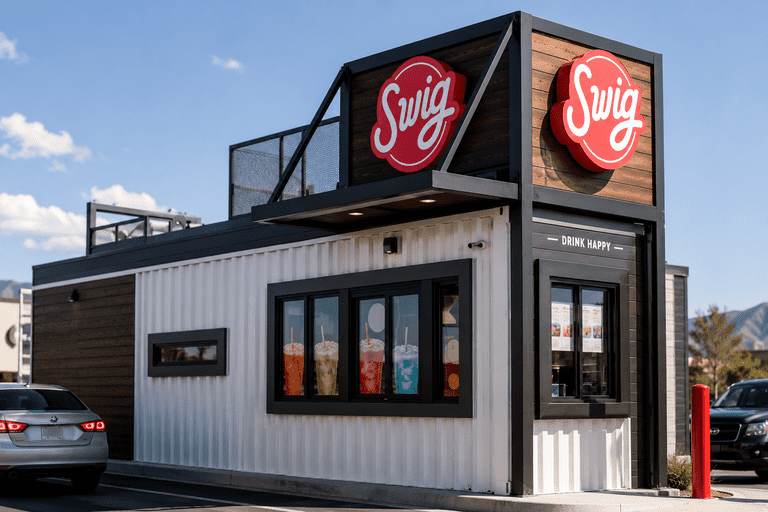
Dirty soda chain Swig is expanding into Colorado through a 10-unit franchise deal, riding a consumer beverage trend that's catching the attention of major QSR players nationwide.
May 15, 2026
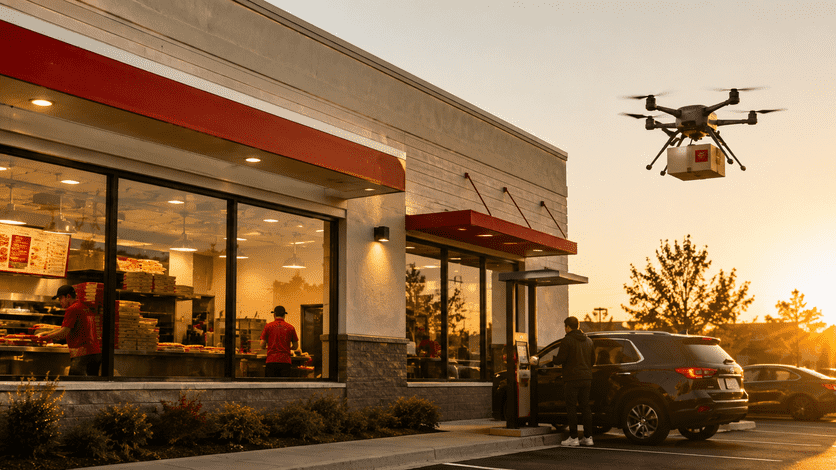
Papa Johns has teamed up with Alphabet's Wing for drone delivery of its new sandwich lineup in parts of Charlotte marking the first partnership of its kind between Wing and a national QSR brand.
May 15, 2026
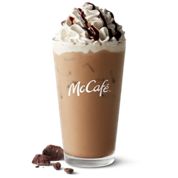
A warm, expert-led look at McDonald’s Q1 results, menu makeover, and the refranchise question shaping its growth.
May 14, 2026
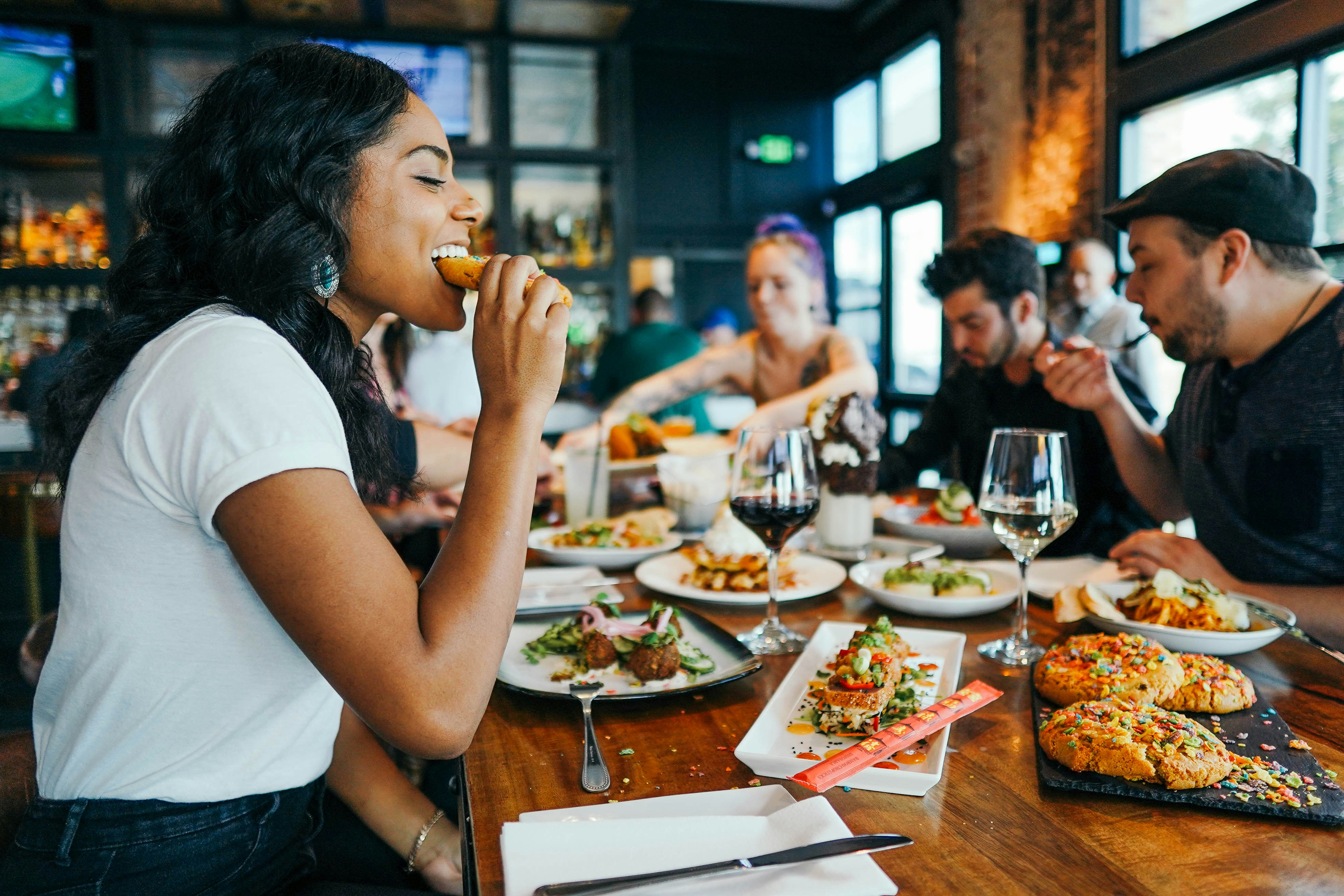
A reflective look at Habit Ranch, its immersive desert activation, and what it signals for brand loyalty and mindful, experiential dining.
May 14, 2026

Unlock Exclusive Access To Webinars, Events, And The Latest News For Free!
Explore the impact of consumer confidence on restaurant traffic and how savvy brands use value propositions to attract customers and drive sales.
Photo by Luca Cavallin
Photo by Luca Cavallin
Consumer confidence serves as a pivotal factor in determining the behavior of customers in the restaurant industry. As a forward-looking indicator, it offers valuable insights into how consumers will act in the coming weeks and months. Various macroeconomic indicators remain stable, yet the decline in restaurant traffic highlights the impact of consumer sentiment. Factors such as inflation, wages, and fuel costs continue to influence consumer decisions, making it crucial for restaurant brands to navigate these trends effectively.
Photo by Luca Cavallin
Historical instances of traffic declines, such as those observed between 2009 to 2011, were primarily driven by rising gas prices and high unemployment rates. The COVID-19 pandemic further exacerbated the situation, leading to a significant year-over-year drop in traffic due to public health restrictions and inflation. While price hikes have contributed to the recent decline in traffic, menu price inflation has shown a decrease from previous quarters, indicating a shift in consumer perception towards pricing.
Photo by Luca Cavallin
Consumer perception of pricing plays a crucial role in shaping their spending habits. Despite menu price inflation stabilizing, a substantial number of survey respondents still perceive restaurant prices to be higher than before. This discrepancy between perception and reality highlights the importance of addressing consumer price sensitivity effectively. Restaurant brands need to focus on not just price stabilization but also on managing consumer perceptions to attract and retain customers.
Photo by Luca Cavallin
Individual restaurant brands may have limited influence on overall consumer confidence, but they can leverage strategic value propositions to capitalize on consumer price sensitivity and enhance brand loyalty. By offering compelling value plays, brands like McDonald’s, Taco Bell, and Chili’s have successfully attracted customers and increased sales. McDonald’s, for instance, introduced a new $5 Meal Deal and utilized its loyalty program to drive transactions. Taco Bell focused on value offerings and innovative menu additions, driving growth in same-store sales. Chili’s differentiated itself by emphasizing comparative value against fast food options, effectively reshaping consumer perceptions.