Heat-Driven Expansion: Angry Chickz
A profile of Angry Chickz’s bold heat, culture-led growth, and disciplined franchise model expanding from California to Texas and Arizona.
Franchising
Apr 18, 2026
A profile of Angry Chickz’s bold heat, culture-led growth, and disciplined franchise model expanding from California to Texas and Arizona.
Apr 18, 2026
Photo by Maria Orlova on Unsplash
NRN's Investment Summit connects emerging restaurant brands with investors in Nashville, blending education, pitches, and deal-making to accelerate growth.
Apr 18, 2026
RaceTrac acquires Potbelly to accelerate a franchising-led expansion, backed by new leadership and an expanded development playbook.
Apr 18, 2026
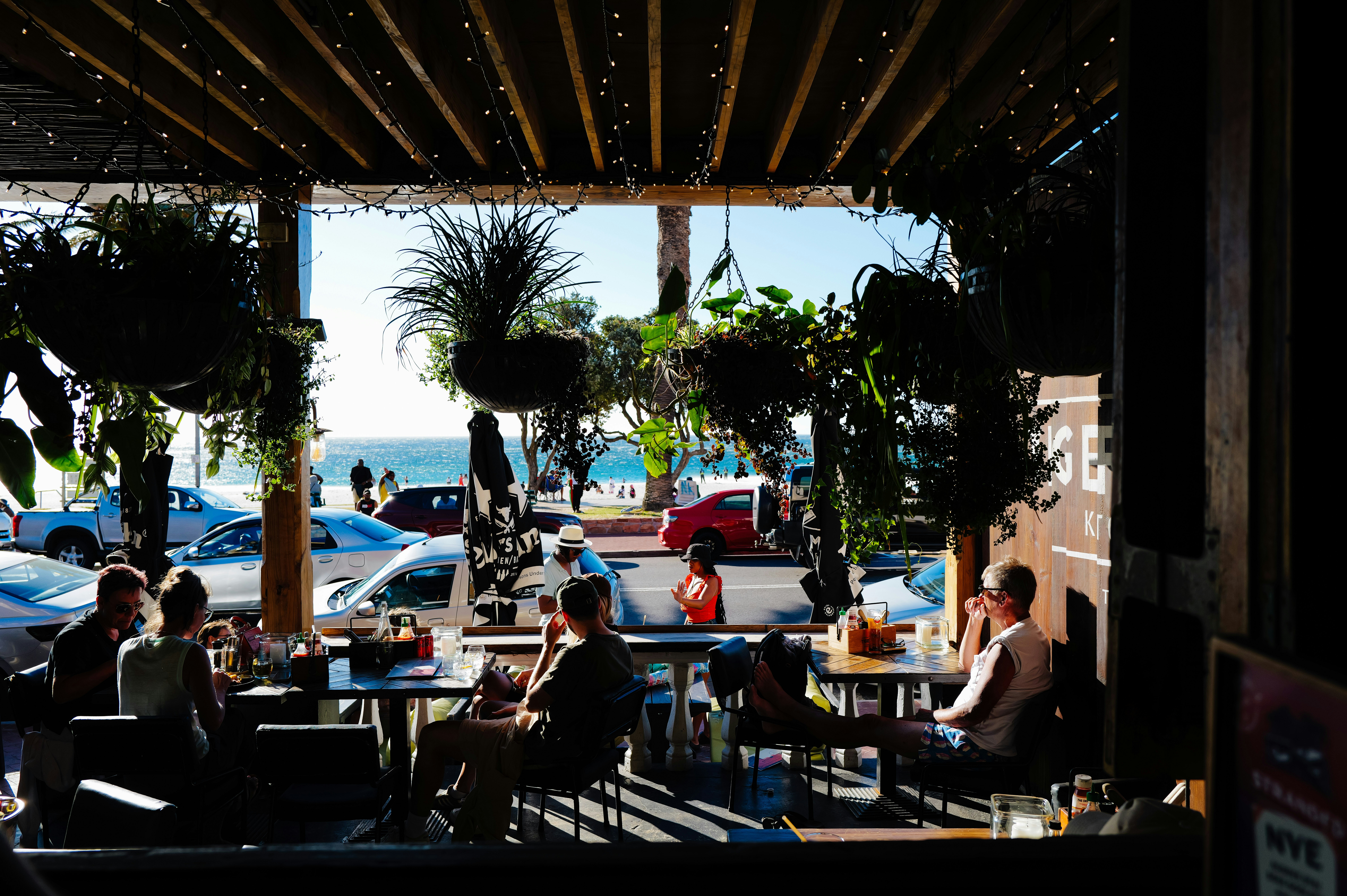
Photo by Adrien Olichon on Unsplash
Chili’s brings back Ziosk for pay-at-table, loyalty, and AI insights across 1,100+ locations, signaling a thoughtful, guest-focused digital restart.
Apr 18, 2026
Photo by The 77 Human Needs System on Unsplash
Scottsdale welcomes a compact, all-day market from True Food Kitchen blending wellness-forward meals with grab-and-go convenience, signaling broader growth into market formats.
Apr 18, 2026
The Melting Pot blends modernization with conversions to grow, inviting brighter guest experiences while honoring its fondue heritage.
Apr 18, 2026
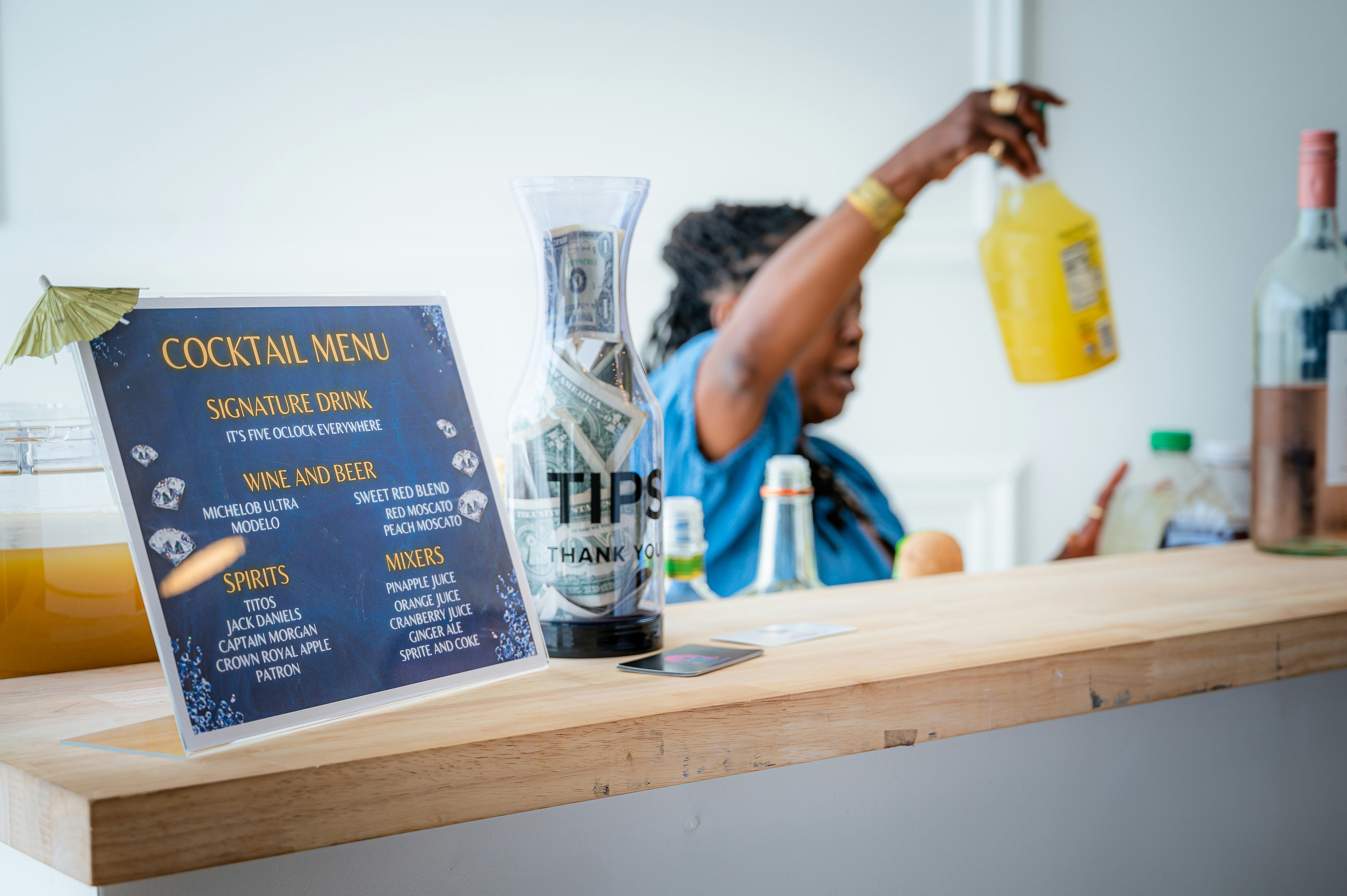
Photo by Matt Benson on Unsplash
South Block grows along the East Coast with Savory Fund, preserving neighborhood-first ethos and people-on-the-block philosophy.
Apr 18, 2026

Photo by Julian Myles on Unsplash
California's 2024 PAGA reforms curb abuse and streamline workplace claims, balancing worker protections with clearer compliance guardrails for employers.
Apr 18, 2026
A thoughtful look at how fast-service restaurants are embedding safety into infrastructure through cameras, lighting, guards, and real-time communications.
Apr 17, 2026
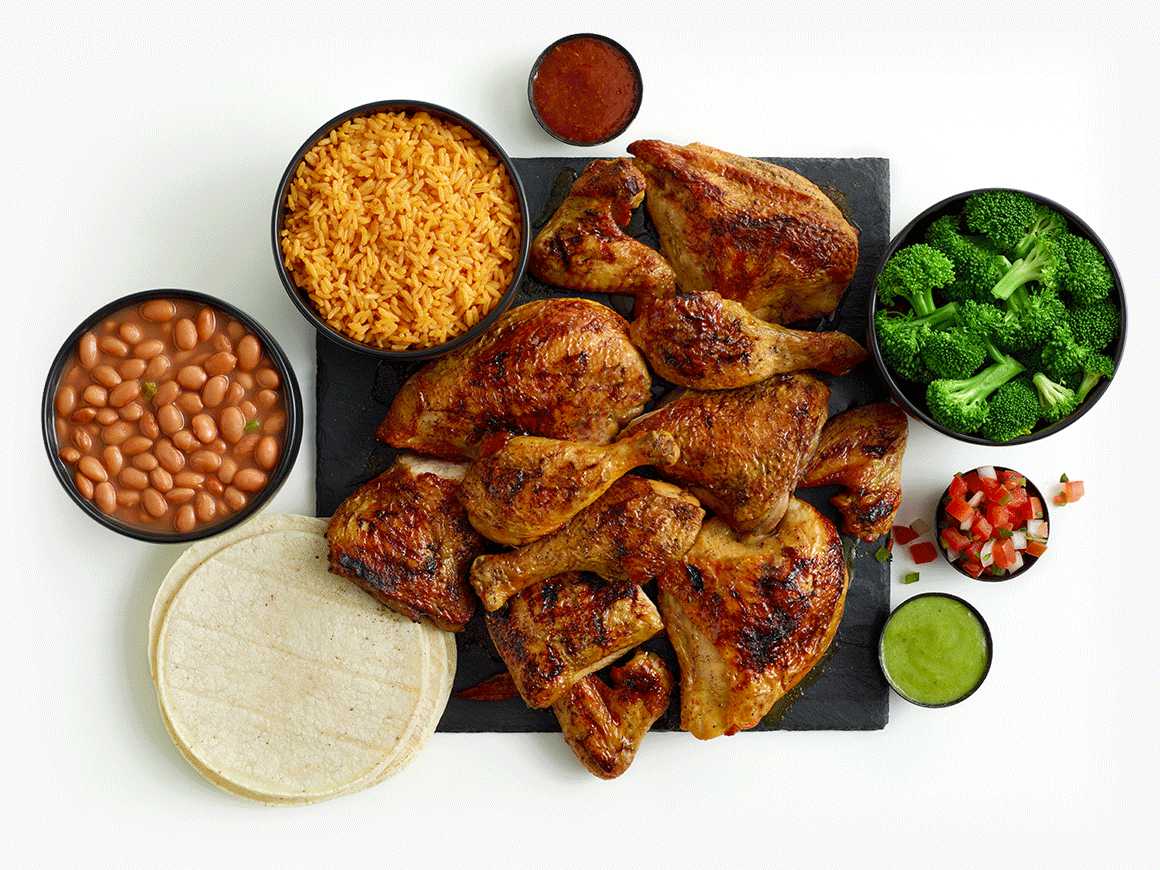
Four leaders map growth through core offerings, culture, and authentic marketing, outlining Swig, L&L Hawaiian Barbecue, Firebirds, and El Pollo Loco.
Apr 17, 2026
Food safety is an important aspect of your kitchen and your everyday cooking practices. Here are three steps you can take to create your own food safety plan.
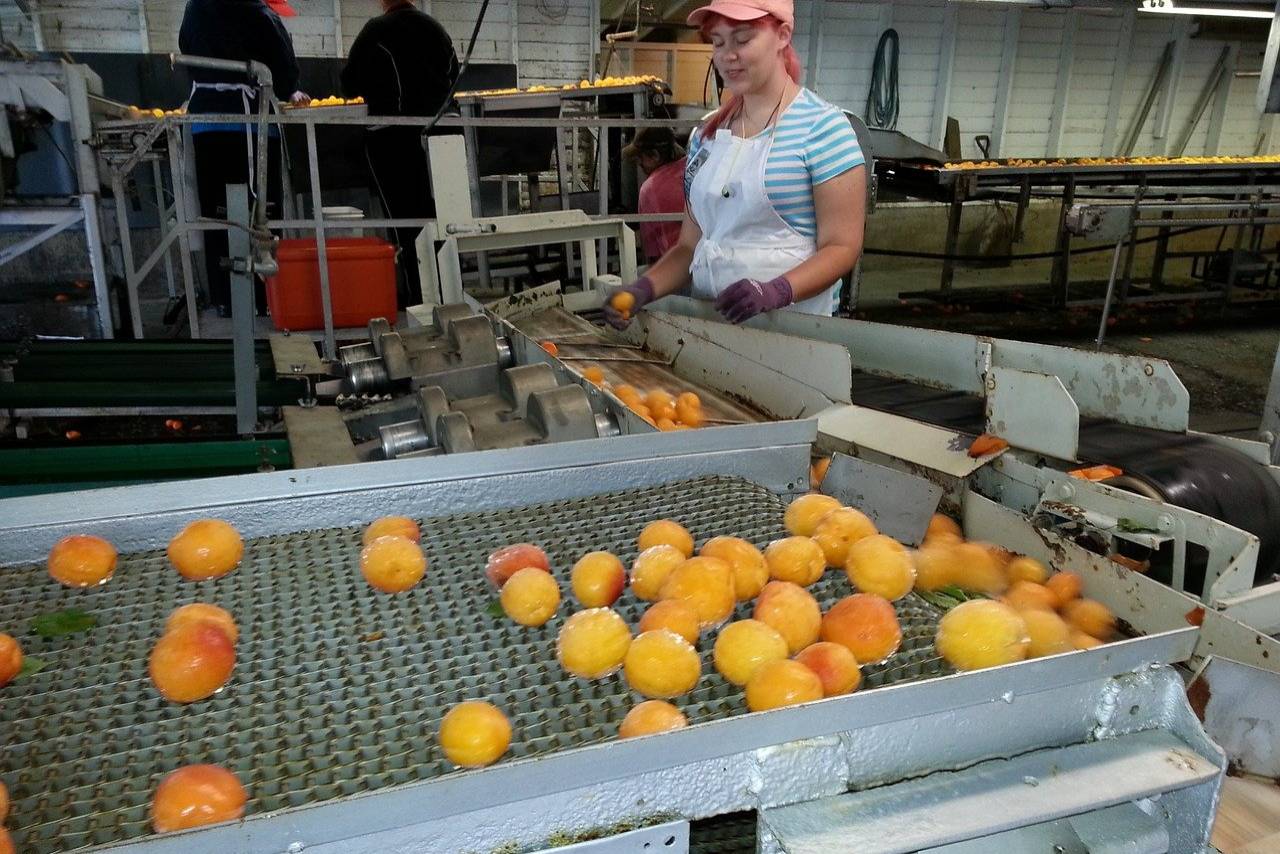
Food business is quite sensitive. Even your slightest mistake can cost your customers their health and you can lose your business! To ensure safety of their customers, food establishments have to follow certain guidelines, like a food safety plan.
As per the US FDA, a food safety plan is a set of primary documents in a preventive controlsfood safety system to identify the food safety hazards , consequently minimizing the risk of foodborne illness or injury. It prescribes the measures and methods to be followed by the operators of the food establishments during manufacturing, processing , packing and holding food.
These guidelines ensure to reduce the risk of any food safety hazard . Food safety plans have to be in written.
Now, who develops food safety plans ? Well, there are preventive controls qualified individual (PCQI) to help you with developing a food safety plan. As per the FDA, a PCQI is a person with the education, training, or experience (or a combination of these) to develop and apply a food safety system .
With everything online these days, the US FDA has come with an e-tool Food Safety Plan Builder (FSPB) to help food establishment owners design their own food safety plans .
As per the US FDA, the Food Safety Plan Builder assists the users through the following-
1. Facility Information
2. Preliminary Steps
3. Good manufacturing practices and prerequisite programs
4. Hazard Analysis & Preventive Controls Determination
5. Process Preventive Controls
6. Food Allergen Preventive Controls
7. Sanitation Preventive Controls
8. Supply-Chain Preventive Controls
9. Recall Plan
10. Reanalysis of Food Safety Plan
11. Food Safety Plan Report
12. Signature
13. Recordkeeping Procedures
14. Important Contacts
15. Supporting Documents
A food safety plan requires a set of documents. As per the United States Food And Drug Association (US FDA), the following documents are required-
1. Hazard Analysis
This is the very step of the Food Safety Plan. A hazard analysis of all food ingredients and manufacturing or process steps is conducted.
This helps to identify whether there is any possibility in a food manufacturing or food processing unit of hazard that requires preventive controls. These include natural occurring hazards as well as those done purposely. For instance adulteration of food for higher profit margins.
The hazard analysis has to be written even where there is no hazard that requires preventive control is identified.
In case, the hazard analysis identifies any hazard that needs preventive control in the unit, other documents are required-
a) Preventive Controls to ensure food manufactured or processed is safe for consumption-
Process controls
Food allergen controls
Sanitation controls
Supply chain controls
Recall plan
Other controls depending on the nature of the food facility
b) Procedures for monitoring the implementation of these preventive controls depending on the nature of the preventive control and its usage in the food establishment.
c) Corrective action plan for the specific safety hazard
d) Verification procedure appropriate to the nature of the preventive control and its role in food safety system.
The Food Safety Plan, in a layman's language, basically includes
1. Identification of safety hazard
2. Preventive Control
3. Corrective actions
The food safety plan might sound a bit technical, but can be of great help. Now let us tell you the three easy most steps to ensure healthy kitchen and food. They are-
Cooking and storage temperatures play an important role in ensuring Food Safety for consumers.
Cooking food at the right temperature helps kill pathogens, making it safe for consumption. Cooking temperature varies from food to food.