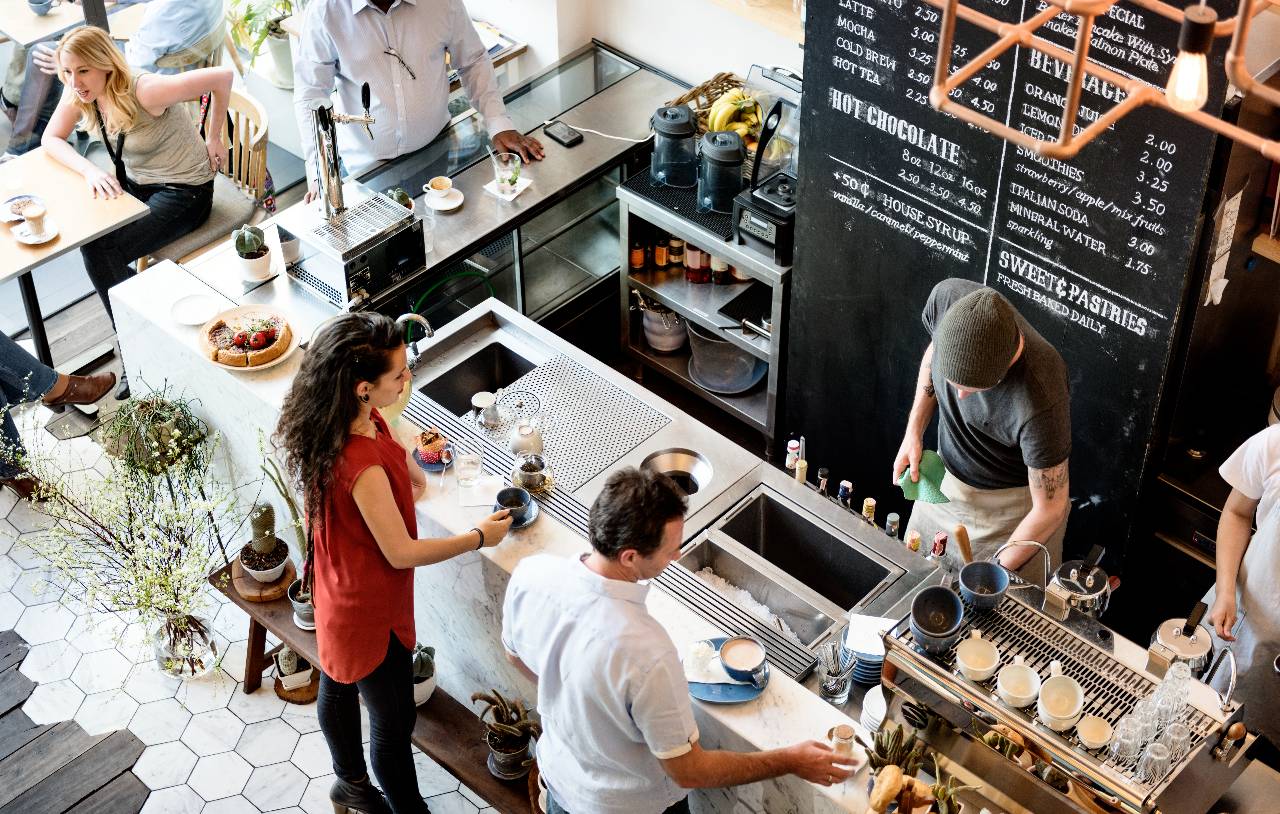
How Much Does It Cost to Open a Coffee Shop in 2026?
Opening a coffee shop in 2026 requires careful cost planning across rent, equipment, labor, technology, menu strategy, marketing, and sustainability.
operations
May 15, 2026
Opening a coffee shop in 2026 requires careful cost planning across rent, equipment, labor, technology, menu strategy, marketing, and sustainability.
May 15, 2026
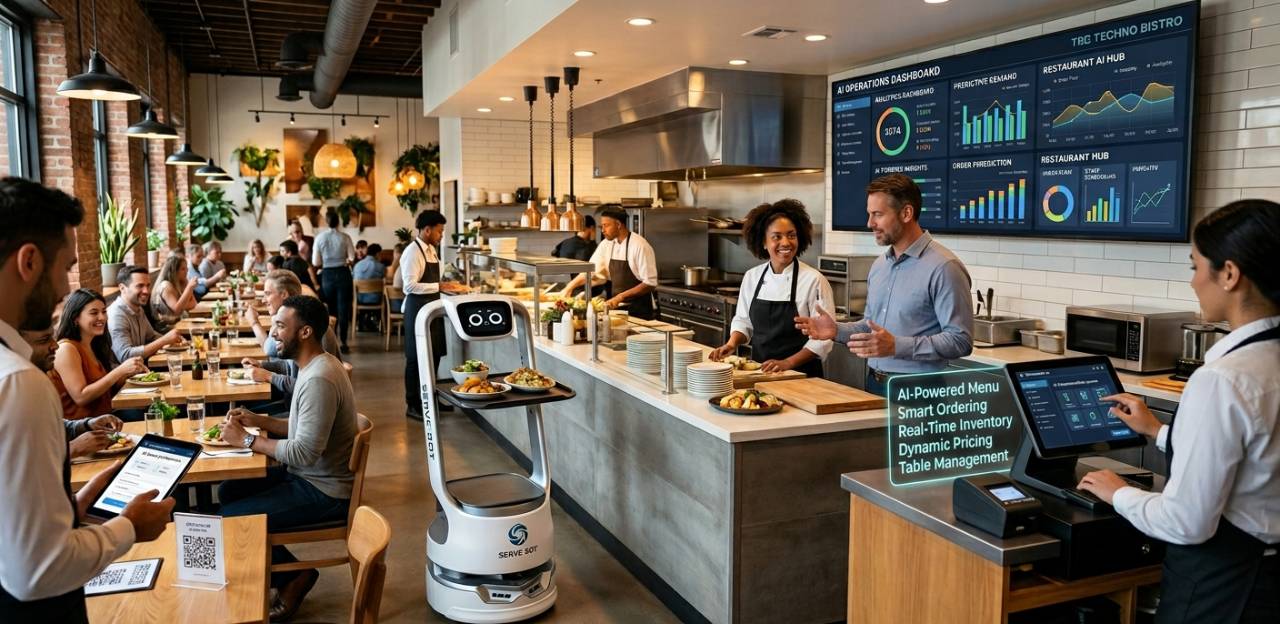
This AI playbook covers restaurant tools for voice ordering, staffing, compliance, menu pricing, inventory, marketing, ChatGPT prompts, and SEO.
May 15, 2026
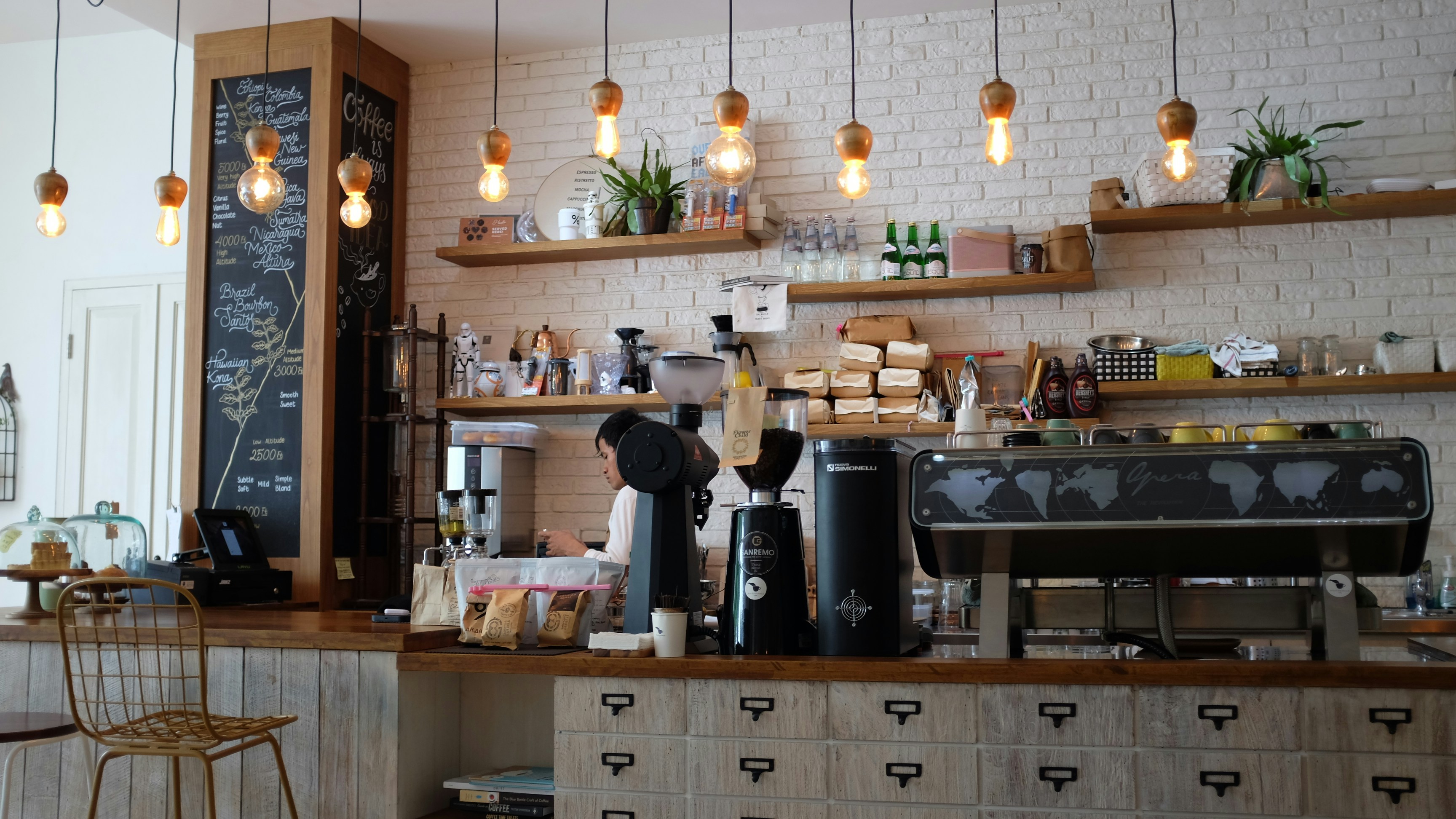
Hardee’s giant Boddie-Noell inks 31-unit Scooter’s Coffee deal for NC and VA, leveraging drive-thru growth and local roots with rollout over 12–18 months.
May 15, 2026
Wingstop turns match weeks into a multi-sensory festival, aligning bold pop-ups with World Cup energy to build brand affinity and measurable momentum.
May 15, 2026
The parent company behind Dunkin', Buffalo Wild Wings, and Arby's has filed for an IPO a move that could reshape how Wall Street views the restaurant sector.
May 15, 2026
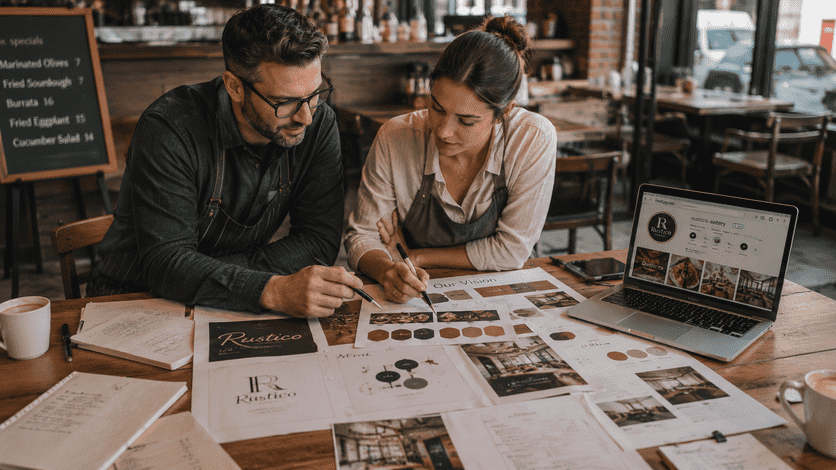
Learn how to develop a memorable restaurant brand identity that stands out in a crowded market, attracts loyal customers, and drives repeat business with actionable strategies and affordable tools.
May 15, 2026
Dirty soda chain Swig is expanding into Colorado through a 10-unit franchise deal, riding a consumer beverage trend that's catching the attention of major QSR players nationwide.
May 15, 2026
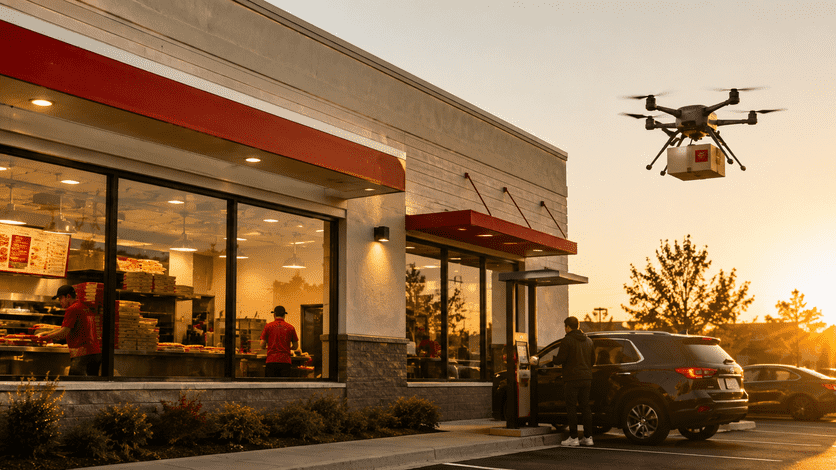
Papa Johns has teamed up with Alphabet's Wing for drone delivery of its new sandwich lineup in parts of Charlotte marking the first partnership of its kind between Wing and a national QSR brand.
May 15, 2026
A warm, expert-led look at McDonald’s Q1 results, menu makeover, and the refranchise question shaping its growth.
May 14, 2026
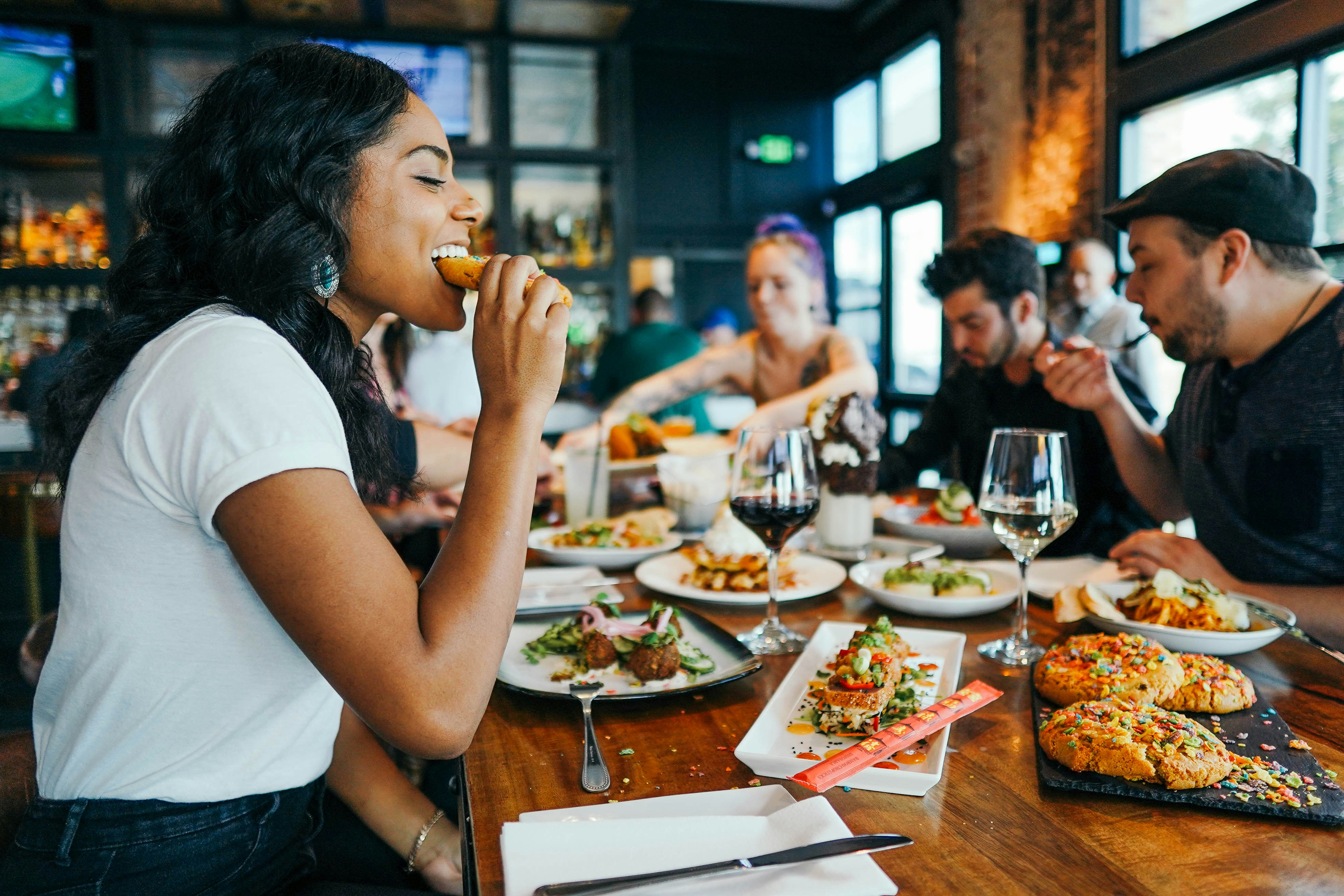
A reflective look at Habit Ranch, its immersive desert activation, and what it signals for brand loyalty and mindful, experiential dining.
May 14, 2026

Unlock Exclusive Access To Webinars, Events, And The Latest News For Free!
The pivotal role of franchisees in the restaurant sector and how they contribute to brand expansion and market growth.

Franchisees serve as the veins that spread the creative ideas of founders and chefs throughout the restaurant industry. They play a critical role in the success of the business by enabling brands to expand rapidly using external funding. Whether it's a novice owner managing a couple of franchise locations or an experienced veteran shaping the industry, franchisees make a significant impact on a business's prosperity.
Sam Batt's journey into frozen yogurt franchising began with a passion for entrepreneurship after working at a consulting firm. His decision to venture into franchising stemmed from a desire to own his own business and a love for the TCBY brand. Batt's strategic move to introduce self-serve options aligned with market trends, highlighting the importance of adapting to changing consumer preferences.
As an area developer, Sam Batt not only operates TCBY franchises but also supports other franchisees in expanding the brand within designated territories. This role involves identifying potential franchisees, guiding them through the establishment process, and providing ongoing operational and marketing assistance. By assuming the responsibility of a developer, franchisees like Batt contribute significantly to brand growth and market presence.
Sam Batt's success story with TCBY showcases the positive reception of established brands among consumers. The nostalgia associated with TCBY attracted customers to Batt's outlets, prompting him to consider large-scale expansion. Overcoming challenges such as landlord preferences for trendy brands, Batt's strategic approach led to the successful establishment of multiple TCBY locations, demonstrating the power of brand recognition and consumer loyalty.
Managing a franchise involves constant dedication, resembling the round-the-clock commitment required in parenting. Sam Batt's analogy of viewing his stores as 'children with distinct personalities' reflects the deep personal investment that franchise owners make. Despite the demanding nature of the business, the flexibility afforded by franchise ownership allows individuals to balance work commitments with personal life.
Cobranding offers franchisees opportunities to diversify their business portfolio and tap into new markets. Sam Batt's decision to combine TCBY with Mrs. Field’s in a dual-branded venture exemplifies the strategic benefits of cobranding. By leveraging seasonal demand variations and local market preferences, franchisees can maximize revenue streams and enhance brand visibility.
Sam Batt's vision for expanding the Mrs. Field’s brand underscores the long-term planning and strategic foresight typical of successful franchise operators. By identifying new franchise opportunities and nurturing potential owners, Batt aims to further strengthen the presence of Famous Brands in the market. The focus on sustainable growth and brand building reflects the entrepreneurial spirit driving franchisee initiatives.
Famous Brands' approach to allowing franchisees flexibility in operating their stores highlights the importance of personalization in the franchise model. By tailoring offerings to meet local preferences and customer demands, franchisees can create unique store identities that resonate with their target market. This customization not only enhances customer satisfaction but also fosters innovation and adaptability in the competitive food industry.