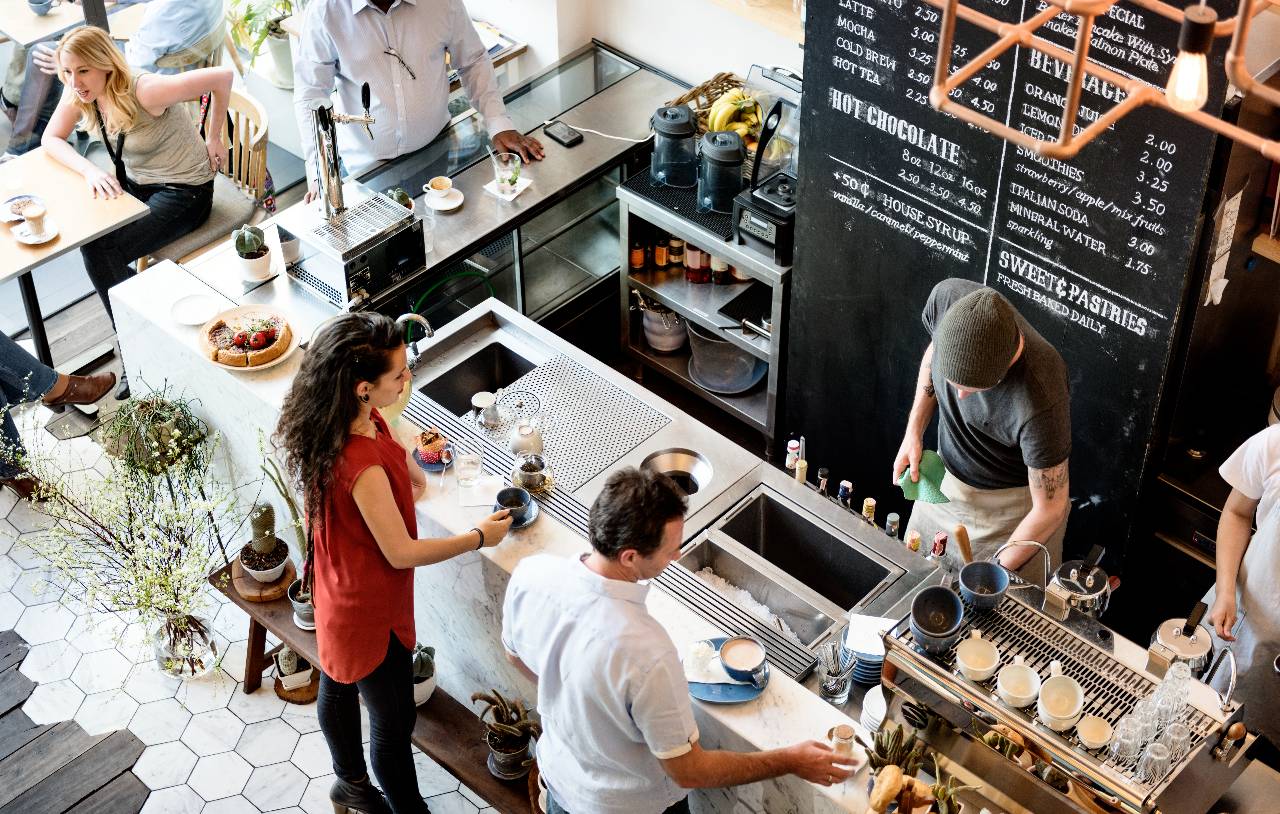
How Much Does It Cost to Open a Coffee Shop in 2026?
Opening a coffee shop in 2026 requires careful cost planning across rent, equipment, labor, technology, menu strategy, marketing, and sustainability.
operations
May 15, 2026
Opening a coffee shop in 2026 requires careful cost planning across rent, equipment, labor, technology, menu strategy, marketing, and sustainability.
May 15, 2026
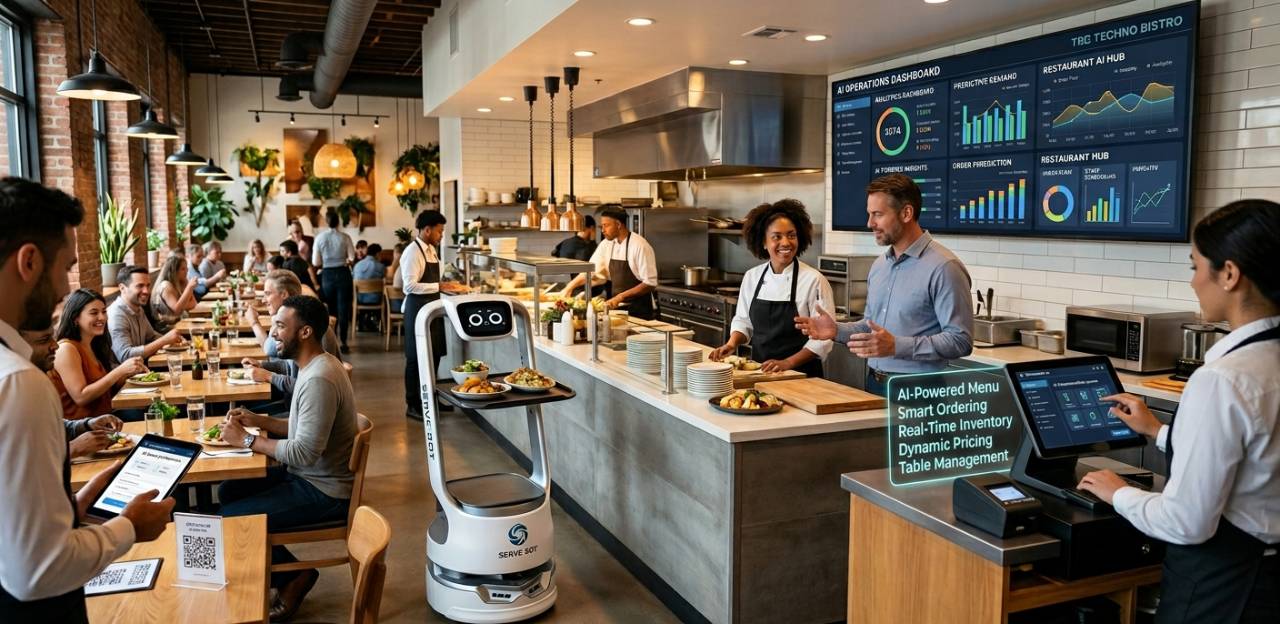
This AI playbook covers restaurant tools for voice ordering, staffing, compliance, menu pricing, inventory, marketing, ChatGPT prompts, and SEO.
May 15, 2026
Hardee’s giant Boddie-Noell inks 31-unit Scooter’s Coffee deal for NC and VA, leveraging drive-thru growth and local roots with rollout over 12–18 months.
May 15, 2026
Wingstop turns match weeks into a multi-sensory festival, aligning bold pop-ups with World Cup energy to build brand affinity and measurable momentum.
May 15, 2026
The parent company behind Dunkin', Buffalo Wild Wings, and Arby's has filed for an IPO a move that could reshape how Wall Street views the restaurant sector.
May 15, 2026

Learn how to develop a memorable restaurant brand identity that stands out in a crowded market, attracts loyal customers, and drives repeat business with actionable strategies and affordable tools.
May 15, 2026
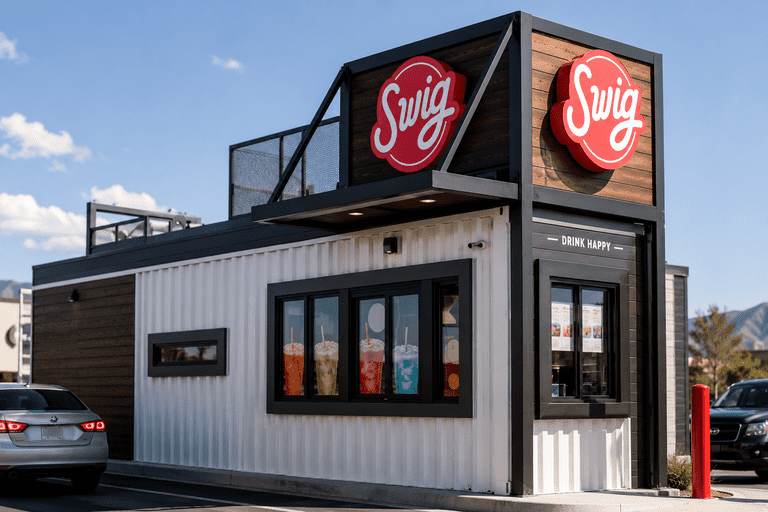
Dirty soda chain Swig is expanding into Colorado through a 10-unit franchise deal, riding a consumer beverage trend that's catching the attention of major QSR players nationwide.
May 15, 2026
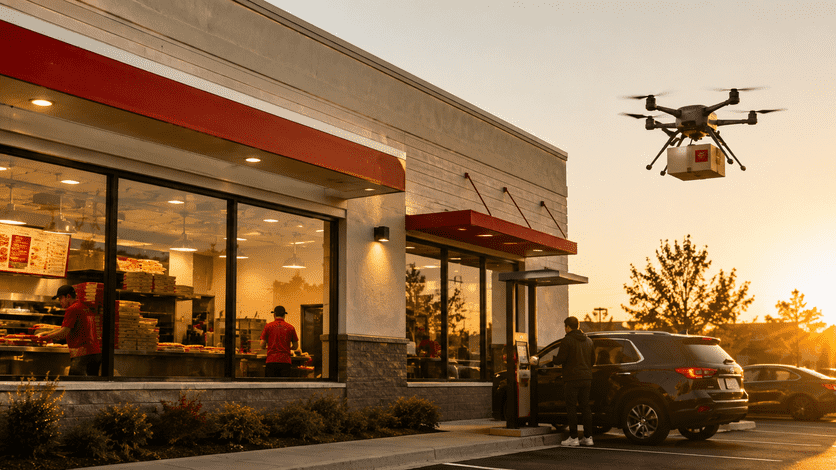
Papa Johns has teamed up with Alphabet's Wing for drone delivery of its new sandwich lineup in parts of Charlotte marking the first partnership of its kind between Wing and a national QSR brand.
May 15, 2026
A warm, expert-led look at McDonald’s Q1 results, menu makeover, and the refranchise question shaping its growth.
May 14, 2026
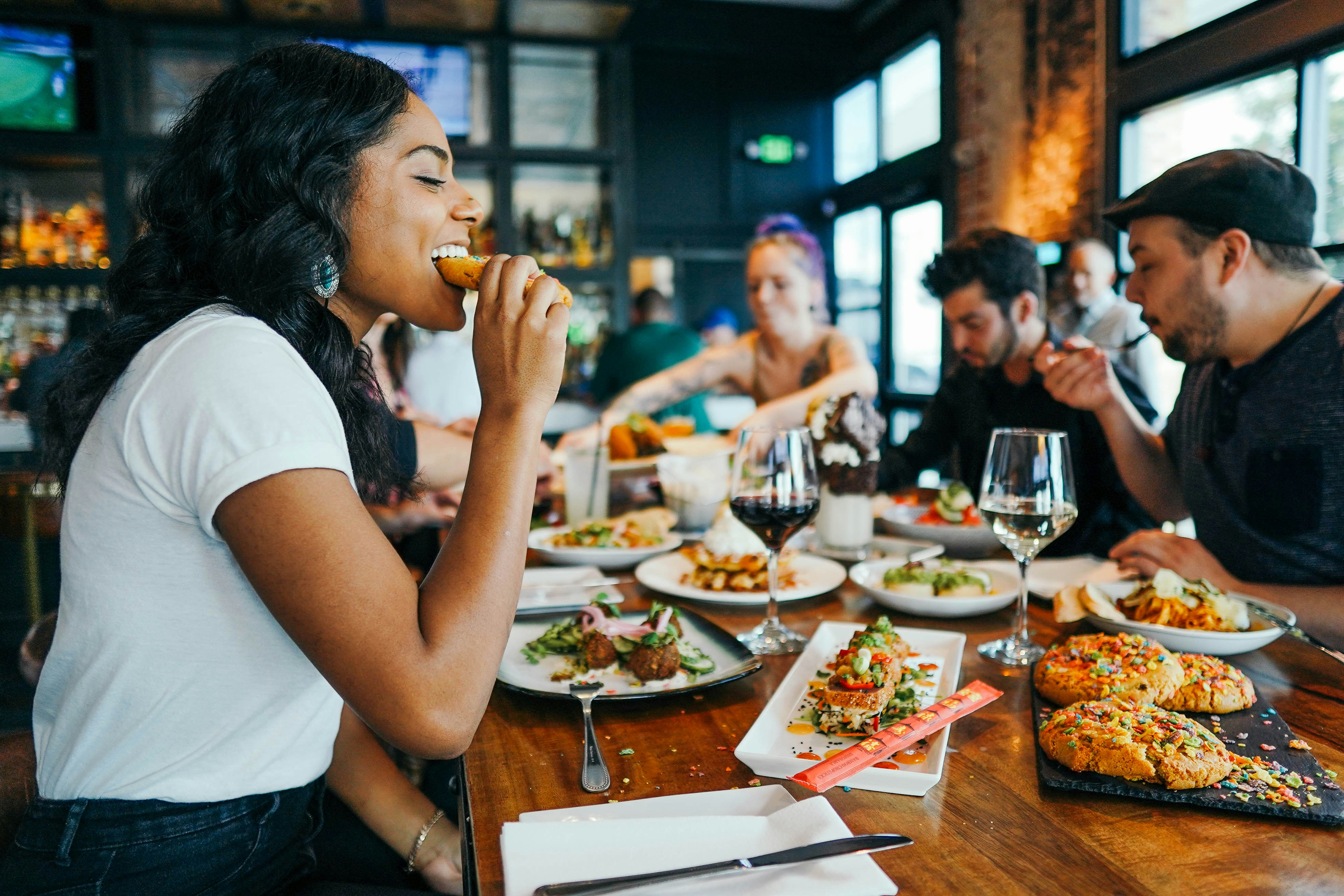
A reflective look at Habit Ranch, its immersive desert activation, and what it signals for brand loyalty and mindful, experiential dining.
May 14, 2026

Unlock Exclusive Access To Webinars, Events, And The Latest News For Free!
Explore the potential consequences of DoorDash acquiring Deliveroo and the implications for the food delivery market. Learn from past international acquisitions in the industry.
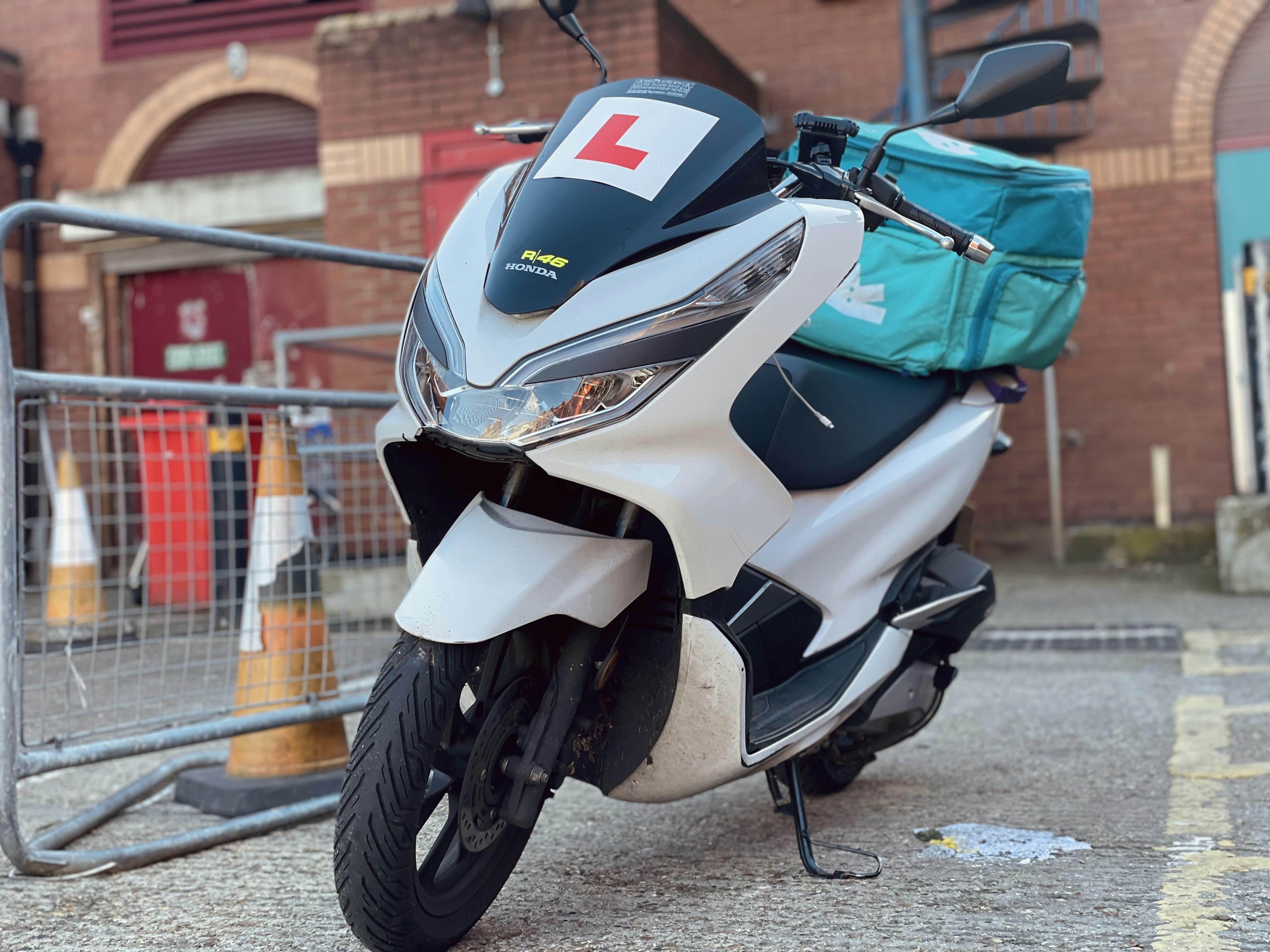
Photo by UAVWRIGHT Productions
DoorDash, a key player in the U.S. food delivery market, has been expanding its reach beyond national borders through strategic acquisitions. The potential acquisition of Deliveroo, with its significant presence in the U.K., Ireland, and other international markets, could mark a milestone in DoorDash's global expansion strategy. By leveraging Deliveroo's existing infrastructure and customer base in diversified geographies, DoorDash aims to solidify its position as a leading player in the competitive food delivery industry.

Photo by UAVWRIGHT Productions
International acquisitions in the food delivery sector have showcased a mixed record of success. Companies like Just Eat Takeaway ventured into the U.S. market through the acquisition of Grubhub, aiming for market dominance. However, the eventual sale of Grubhub for significantly less than the acquisition price highlights the challenges and risks associated with cross-border acquisitions. DoorDash's potential acquisition of Deliveroo must carefully consider these past lessons to ensure a successful integration and sustained growth in new markets.
The acquisition of Deliveroo by DoorDash would undoubtedly shake up the food delivery industry's competitive landscape. With DoorDash's proven track record in technology-driven innovations and operational efficiency coupled with Deliveroo's strong market presence in Europe and other regions, the combined entity could pose a formidable challenge to competitors globally. This move could trigger further consolidation in the industry as players strive to enhance their market positions and offerings to meet evolving consumer demands.
Entering new markets requires a deep understanding of local preferences, regulations, and business practices. DoorDash's acquisition of Deliveroo presents an opportunity to implement tailored market penetration and localization strategies across diverse regions. By adapting to local cultures, cuisines, and consumer behaviors, the merged entity can establish stronger connections with customers and create a competitive edge in each market. This localized approach is crucial for sustainable growth and customer loyalty in the highly competitive food delivery sector.