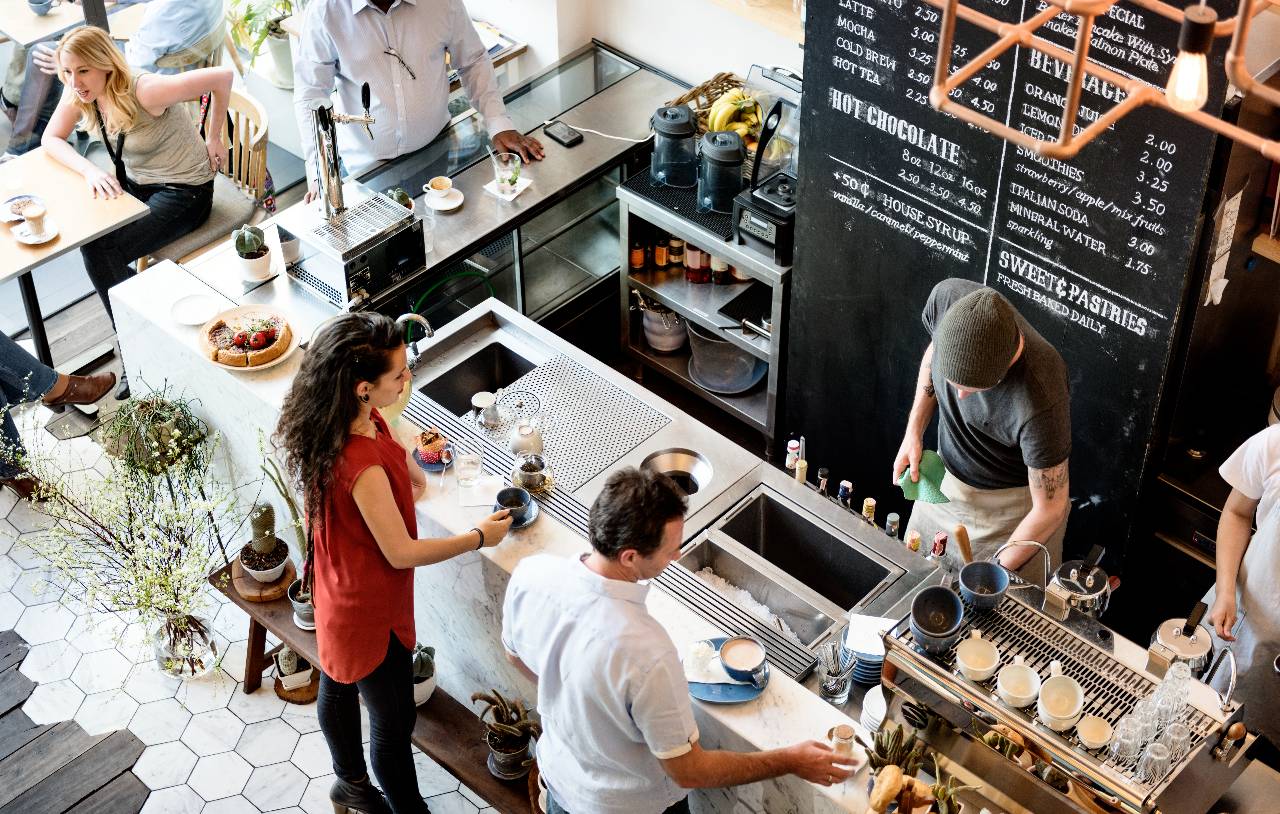
How Much Does It Cost to Open a Coffee Shop in 2026?
Opening a coffee shop in 2026 requires careful cost planning across rent, equipment, labor, technology, menu strategy, marketing, and sustainability.
operations
May 15, 2026
Opening a coffee shop in 2026 requires careful cost planning across rent, equipment, labor, technology, menu strategy, marketing, and sustainability.
May 15, 2026
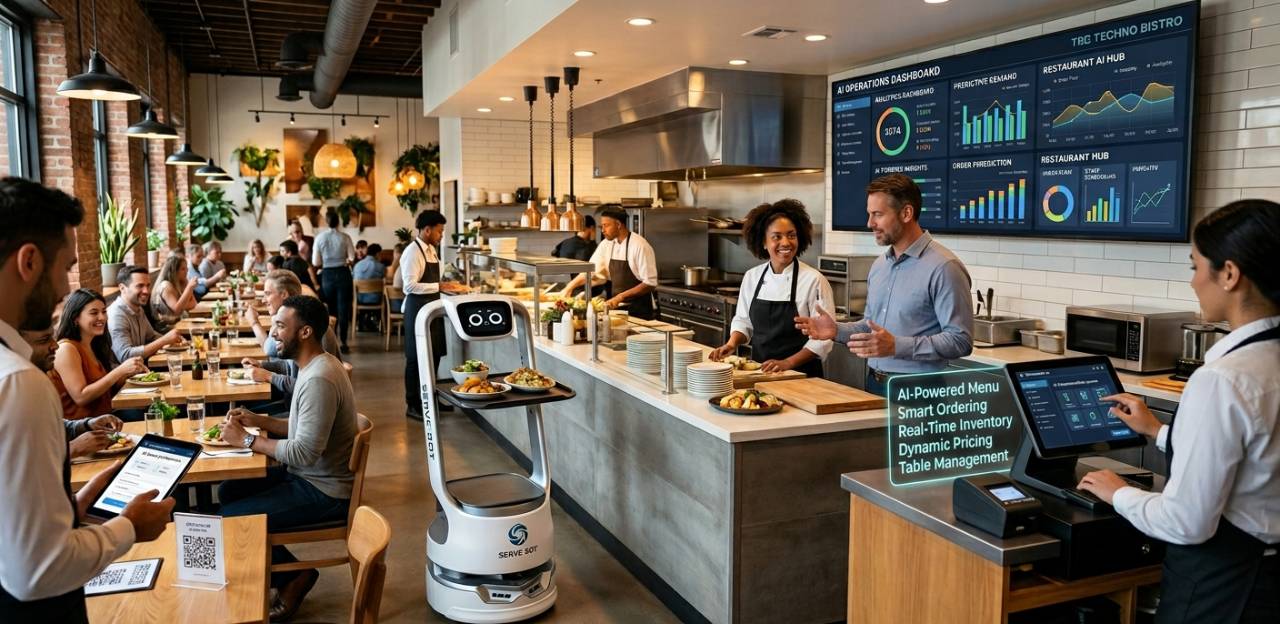
This AI playbook covers restaurant tools for voice ordering, staffing, compliance, menu pricing, inventory, marketing, ChatGPT prompts, and SEO.
May 15, 2026
Hardee’s giant Boddie-Noell inks 31-unit Scooter’s Coffee deal for NC and VA, leveraging drive-thru growth and local roots with rollout over 12–18 months.
May 15, 2026
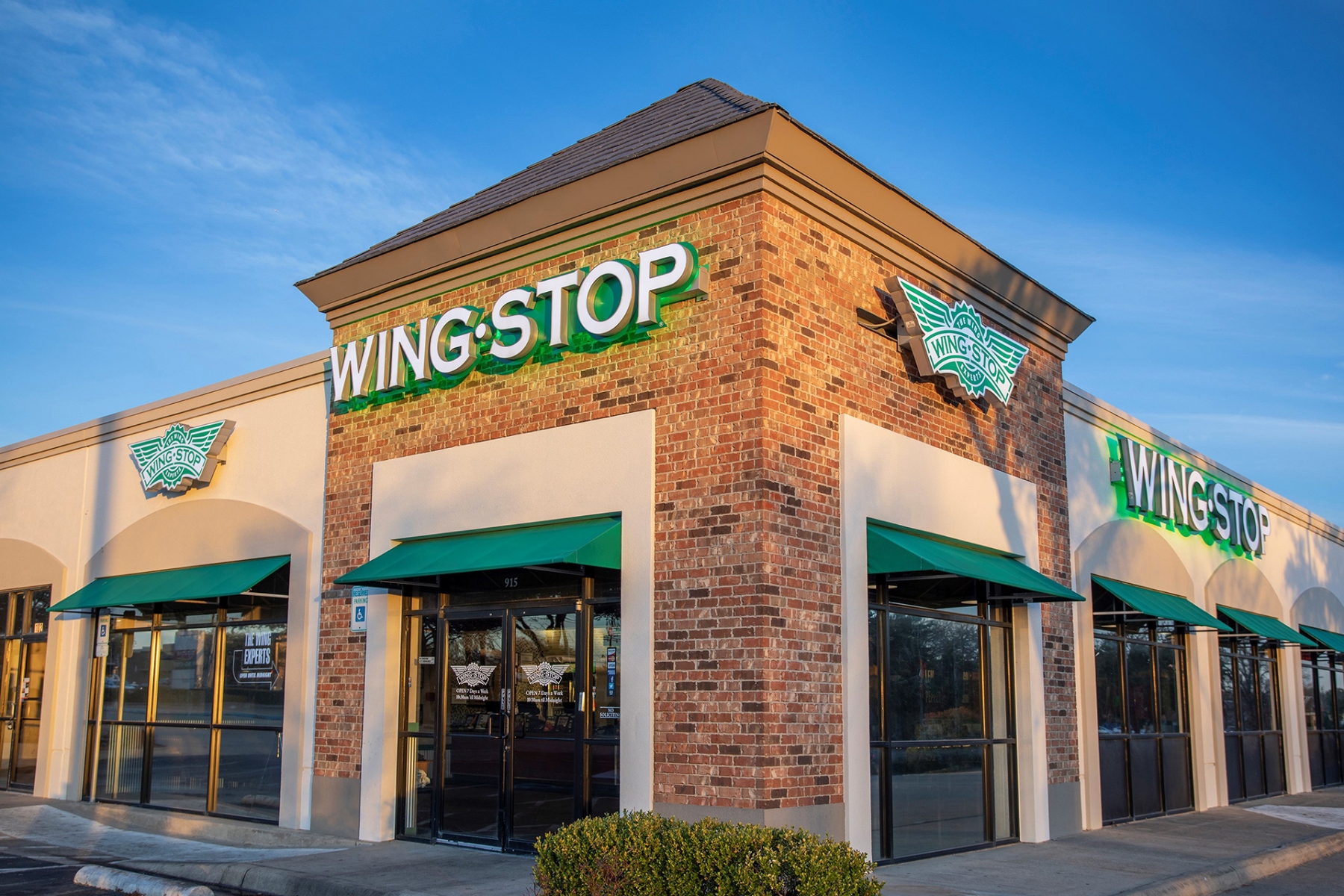
Wingstop turns match weeks into a multi-sensory festival, aligning bold pop-ups with World Cup energy to build brand affinity and measurable momentum.
May 15, 2026
The parent company behind Dunkin', Buffalo Wild Wings, and Arby's has filed for an IPO a move that could reshape how Wall Street views the restaurant sector.
May 15, 2026

Learn how to develop a memorable restaurant brand identity that stands out in a crowded market, attracts loyal customers, and drives repeat business with actionable strategies and affordable tools.
May 15, 2026
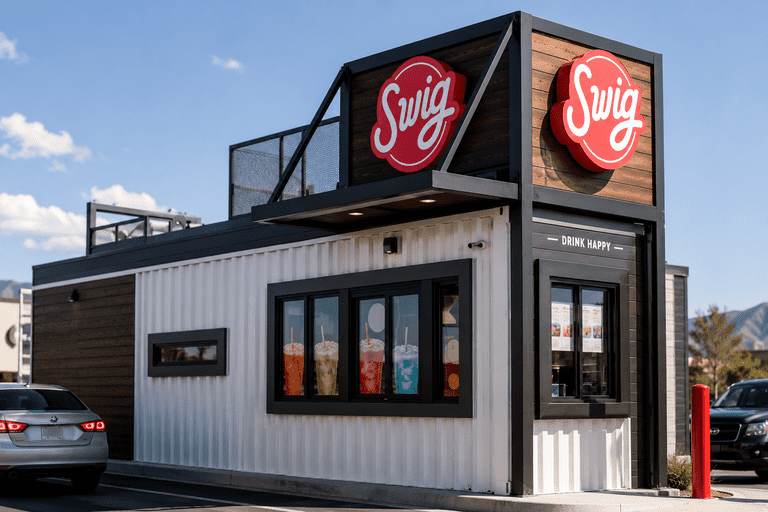
Dirty soda chain Swig is expanding into Colorado through a 10-unit franchise deal, riding a consumer beverage trend that's catching the attention of major QSR players nationwide.
May 15, 2026
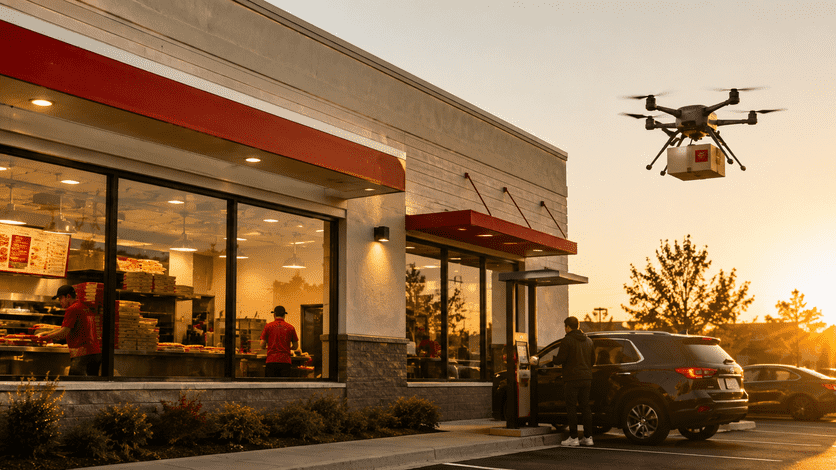
Papa Johns has teamed up with Alphabet's Wing for drone delivery of its new sandwich lineup in parts of Charlotte marking the first partnership of its kind between Wing and a national QSR brand.
May 15, 2026
A warm, expert-led look at McDonald’s Q1 results, menu makeover, and the refranchise question shaping its growth.
May 14, 2026
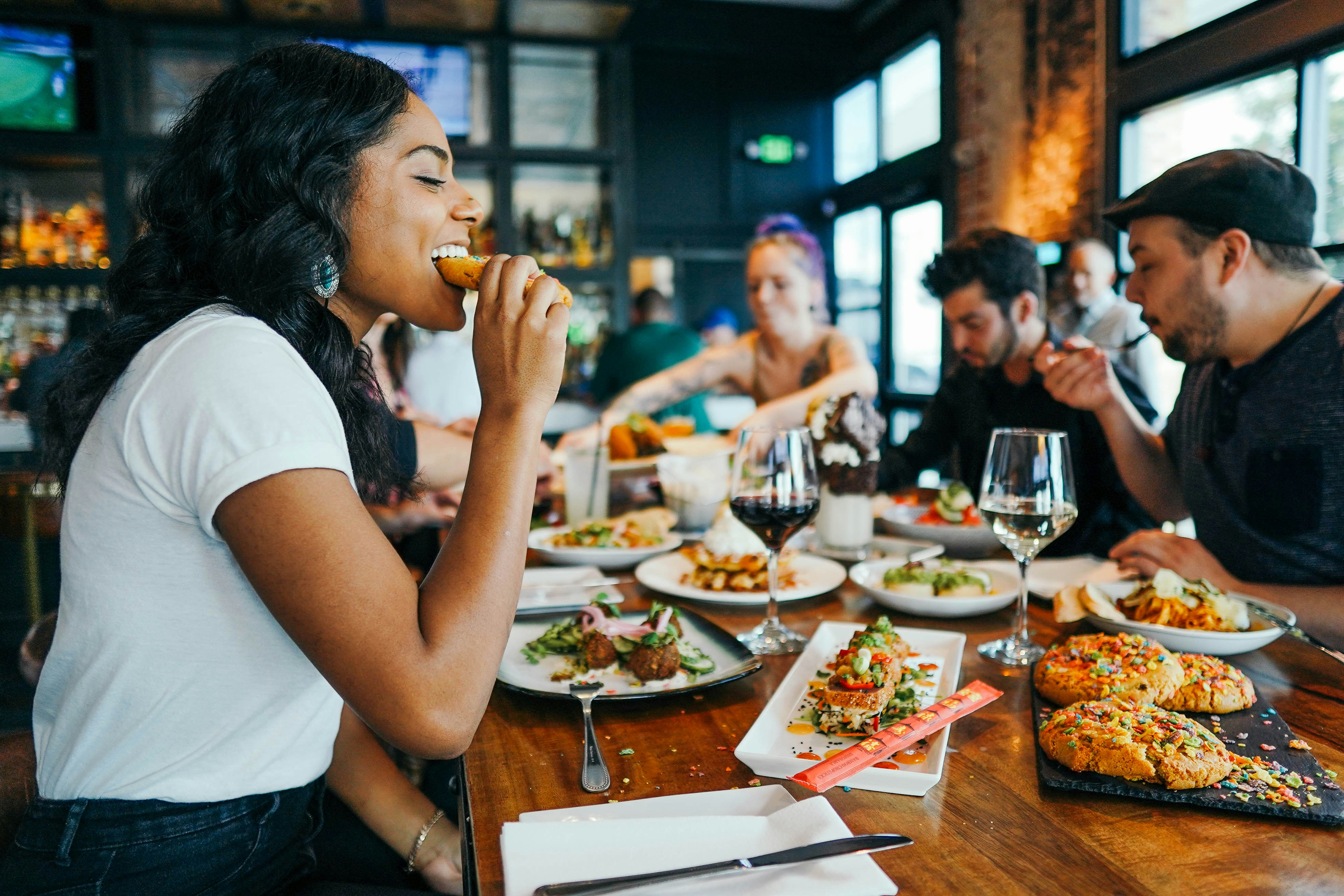
A reflective look at Habit Ranch, its immersive desert activation, and what it signals for brand loyalty and mindful, experiential dining.
May 14, 2026

Unlock Exclusive Access To Webinars, Events, And The Latest News For Free!
Fast-casual restaurants like Just Salad are targeting health-conscious consumers at dinner and adapting menu strategies to cater to evolving consumer preferences.
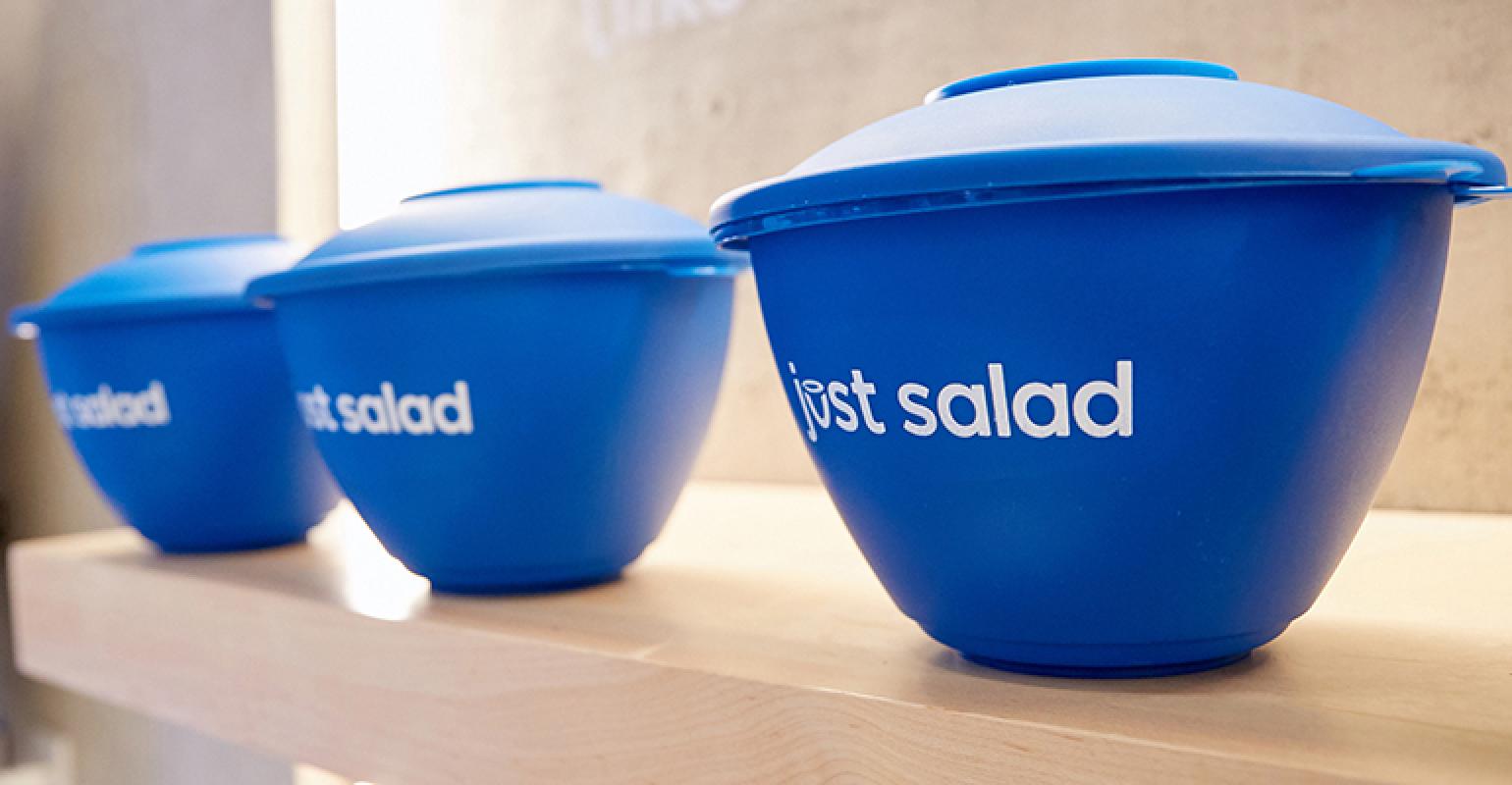
Fast-casual restaurants like Just Salad are recognizing the growing demand for healthful options among consumers, especially during dinner time. By targeting health-conscious consumers, these establishments aim to capitalize on the trend towards nutritious and protein-rich meals. This strategic shift aligns with changing consumer preferences that prioritize convenience and well-being in their dining choices. Just Salad's emphasis on plant-centric offerings resonates with the increasing number of diners seeking balance and nutrition in their meals.
The move to expand market share at dinner represents a significant growth opportunity for fast-casual salad brands traditionally associated with lunchtime offerings. By diversifying their dayparts and emphasizing dinner options, brands like Just Salad and Sweetgreen are broadening their customer base and reducing dependency on central business district consumers. This strategic expansion into suburban markets and drive-thrus reflects a shift towards catering to a more diverse range of customers and adapting to changing consumption patterns.
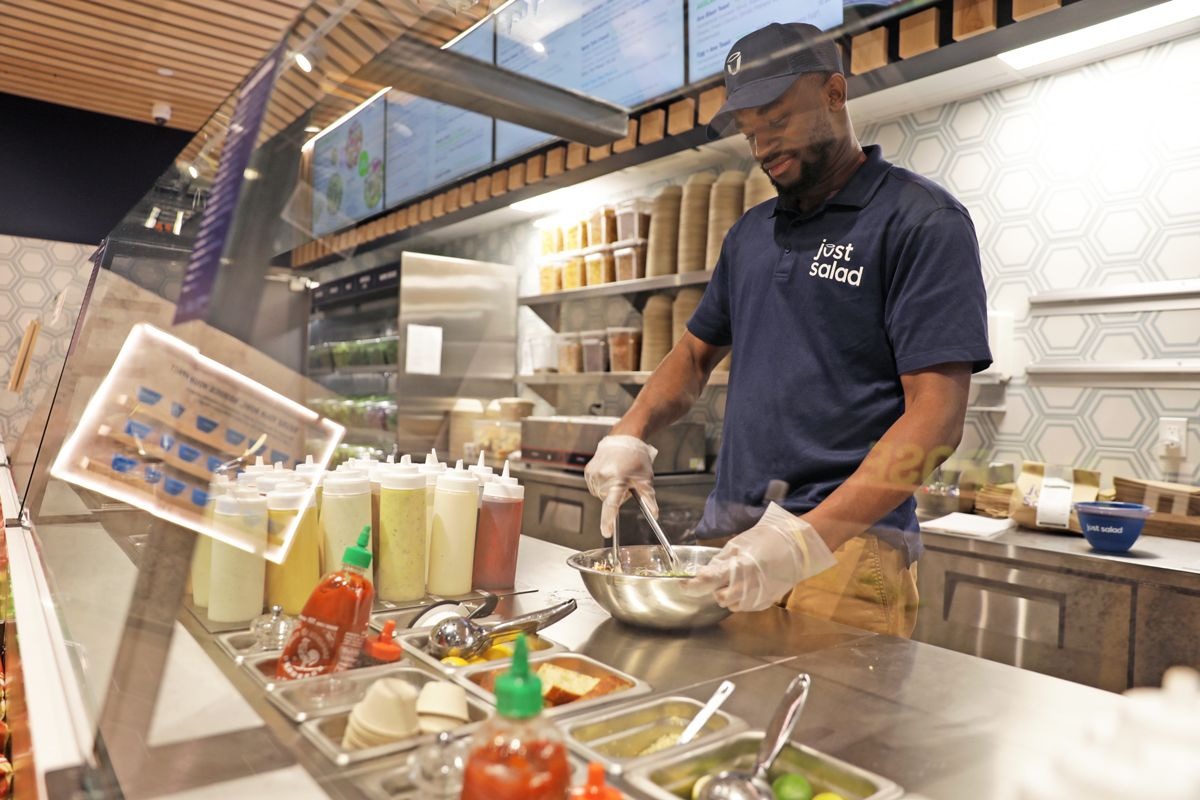
Restaurants across the industry are responding to consumer trends and increasing price sensitivity by reevaluating their menu strategies. While some brands like Just Salad and Sweetgreen are expanding their menu offerings to include more dayparts, others are streamlining their menus to focus on core competencies. This dichotomy highlights the diverse approaches taken by restaurants to attract and retain customers. By aligning their menu choices with evolving consumer preferences, restaurants can stay competitive and relevant in a crowded market.
Successful fast-casual brands are proactively adapting their brand strategies to stay ahead of changing consumer expectations. For instance, Starbucks is simplifying its menu to refocus on coffee-centric offerings, catering to its core strengths and brand identity. Similarly, Papa John’s is doubling down on its signature pizzas to reinforce its brand positioning. By staying true to their unique value propositions and understanding consumer needs, brands can maintain their competitive edge and drive growth in a dynamic industry landscape.