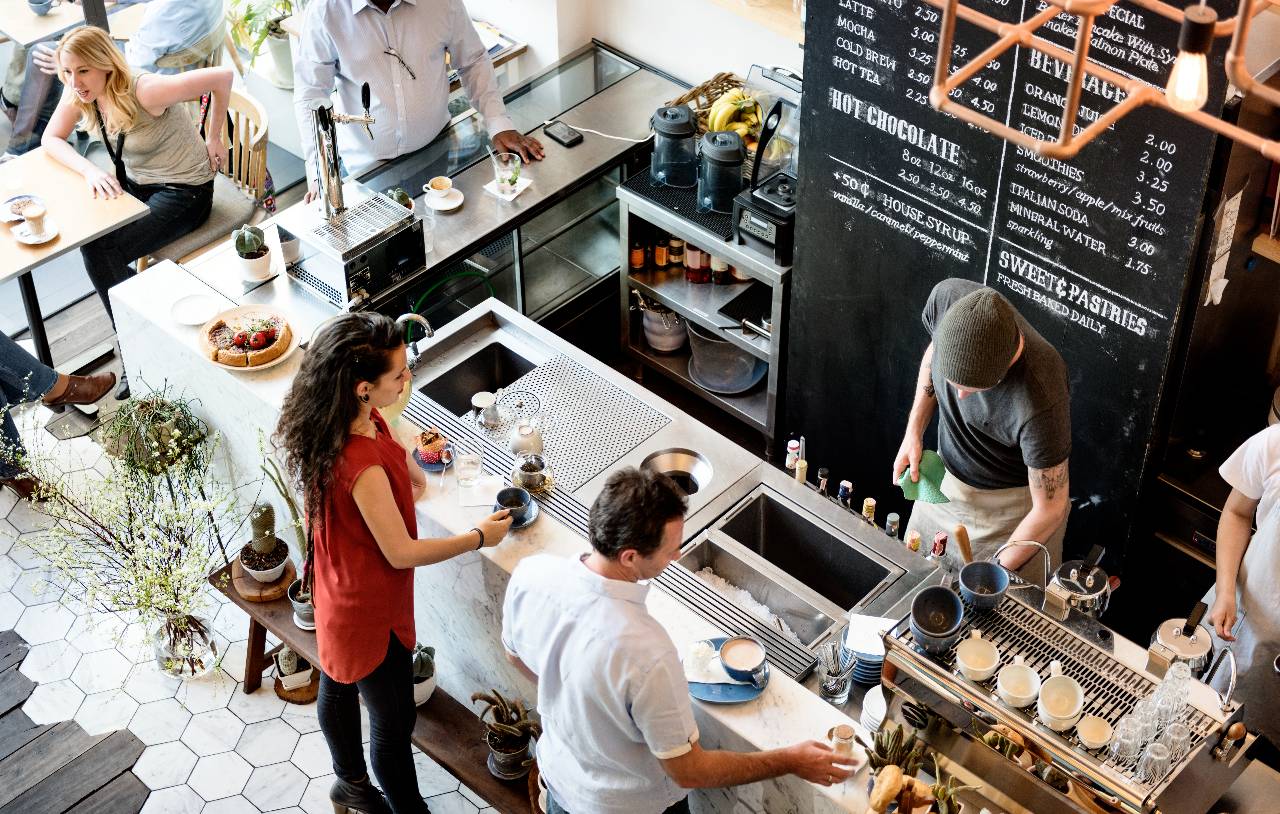
How Much Does It Cost to Open a Coffee Shop in 2026?
Opening a coffee shop in 2026 requires careful cost planning across rent, equipment, labor, technology, menu strategy, marketing, and sustainability.
operations
May 15, 2026
Opening a coffee shop in 2026 requires careful cost planning across rent, equipment, labor, technology, menu strategy, marketing, and sustainability.
May 15, 2026
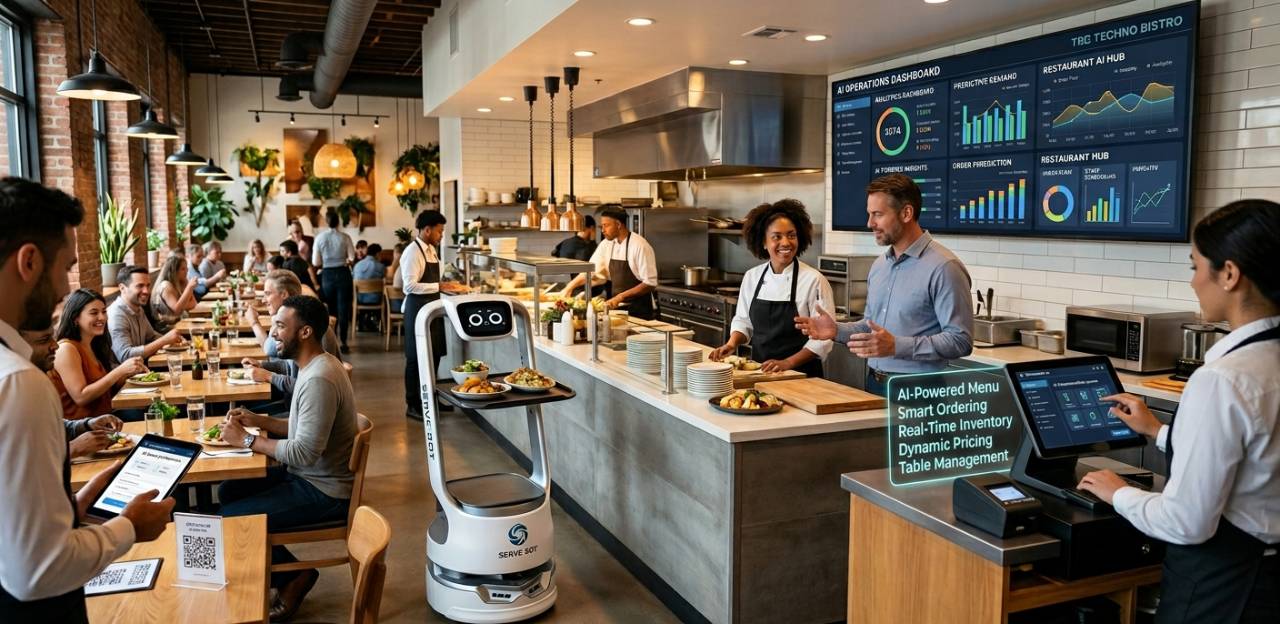
This AI playbook covers restaurant tools for voice ordering, staffing, compliance, menu pricing, inventory, marketing, ChatGPT prompts, and SEO.
May 15, 2026
Hardee’s giant Boddie-Noell inks 31-unit Scooter’s Coffee deal for NC and VA, leveraging drive-thru growth and local roots with rollout over 12–18 months.
May 15, 2026
Wingstop turns match weeks into a multi-sensory festival, aligning bold pop-ups with World Cup energy to build brand affinity and measurable momentum.
May 15, 2026
The parent company behind Dunkin', Buffalo Wild Wings, and Arby's has filed for an IPO a move that could reshape how Wall Street views the restaurant sector.
May 15, 2026
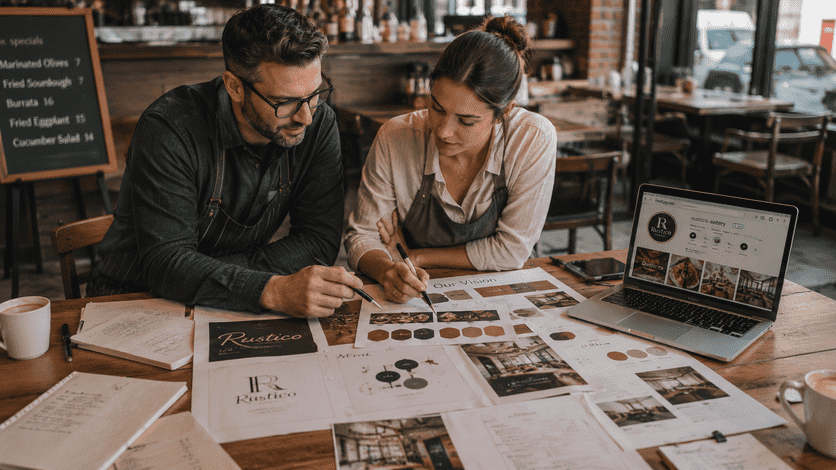
Learn how to develop a memorable restaurant brand identity that stands out in a crowded market, attracts loyal customers, and drives repeat business with actionable strategies and affordable tools.
May 15, 2026
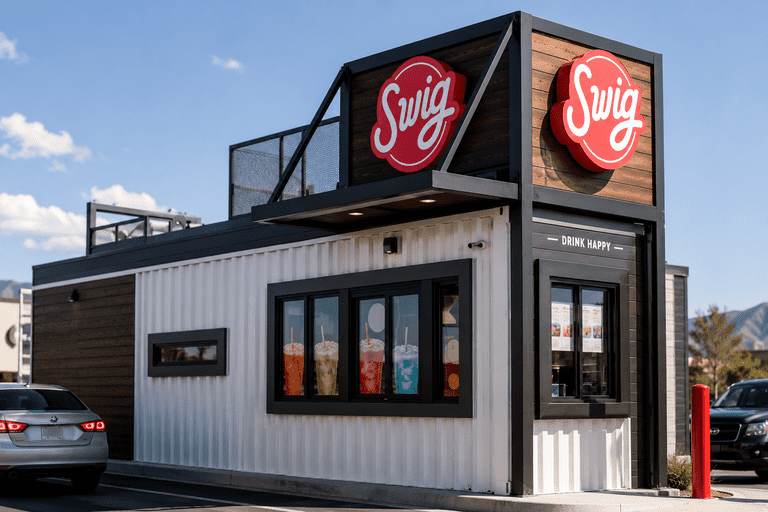
Dirty soda chain Swig is expanding into Colorado through a 10-unit franchise deal, riding a consumer beverage trend that's catching the attention of major QSR players nationwide.
May 15, 2026
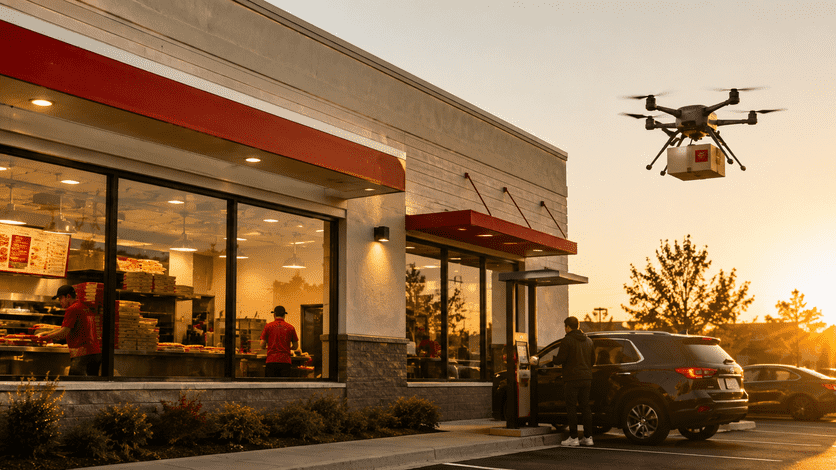
Papa Johns has teamed up with Alphabet's Wing for drone delivery of its new sandwich lineup in parts of Charlotte marking the first partnership of its kind between Wing and a national QSR brand.
May 15, 2026
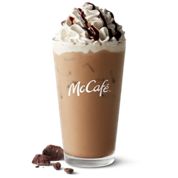
A warm, expert-led look at McDonald’s Q1 results, menu makeover, and the refranchise question shaping its growth.
May 14, 2026
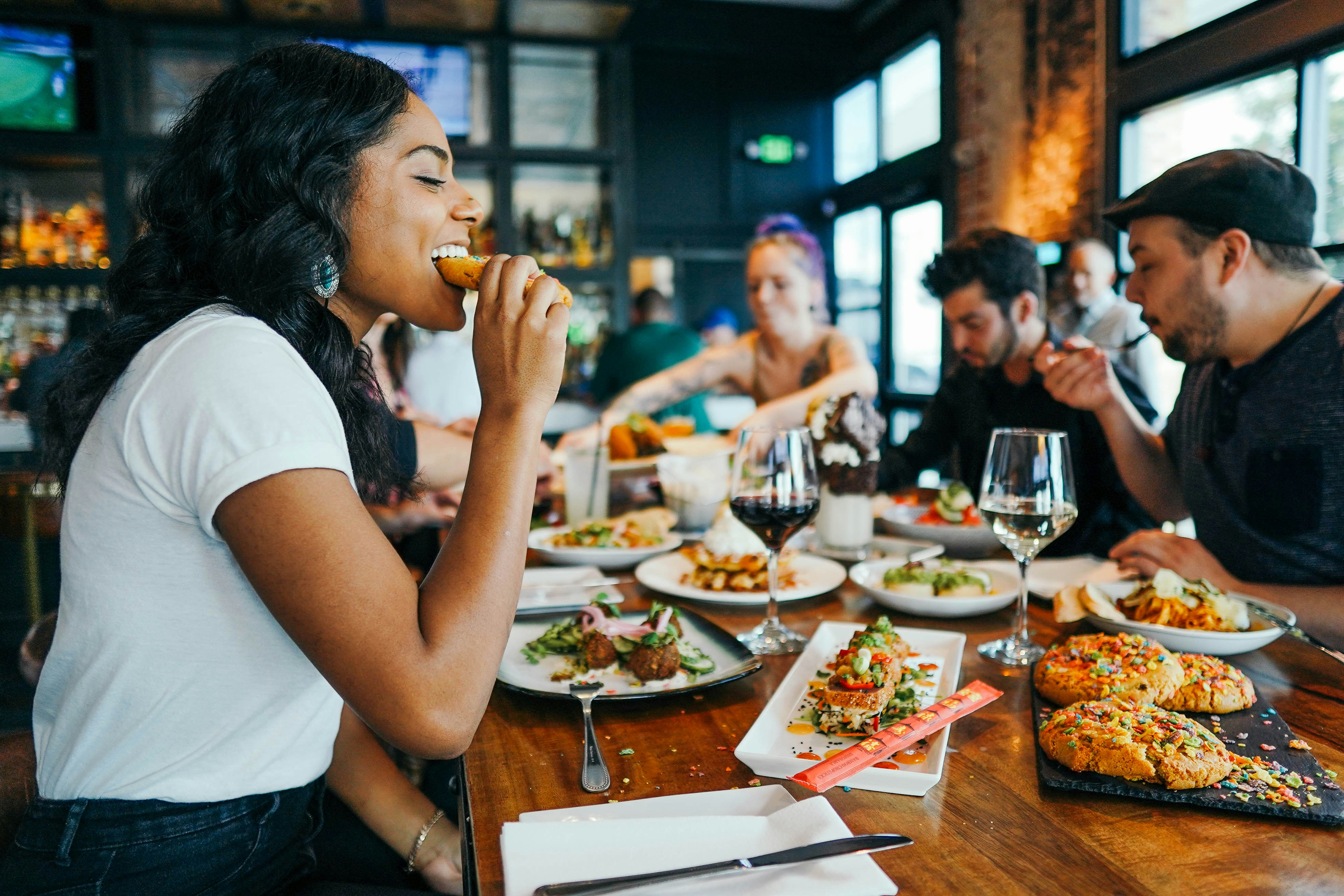
A reflective look at Habit Ranch, its immersive desert activation, and what it signals for brand loyalty and mindful, experiential dining.
May 14, 2026

Unlock Exclusive Access To Webinars, Events, And The Latest News For Free!
Explore how Kura Sushi USA Inc. leverages strategic market expansion and enhanced customer experiences for growth.
Kura Sushi USA Inc., a prominent player in the Japanese revolving service model, is strategically expanding into smaller markets to diversify its presence and test scalability. By venturing into cities like Bakersfield, Calif., the company is breaking away from its traditional focus on larger metropolitan areas. This strategic move allows Kura Sushi to assess the viability of its concept in markets with different demographic profiles and competitive landscapes.
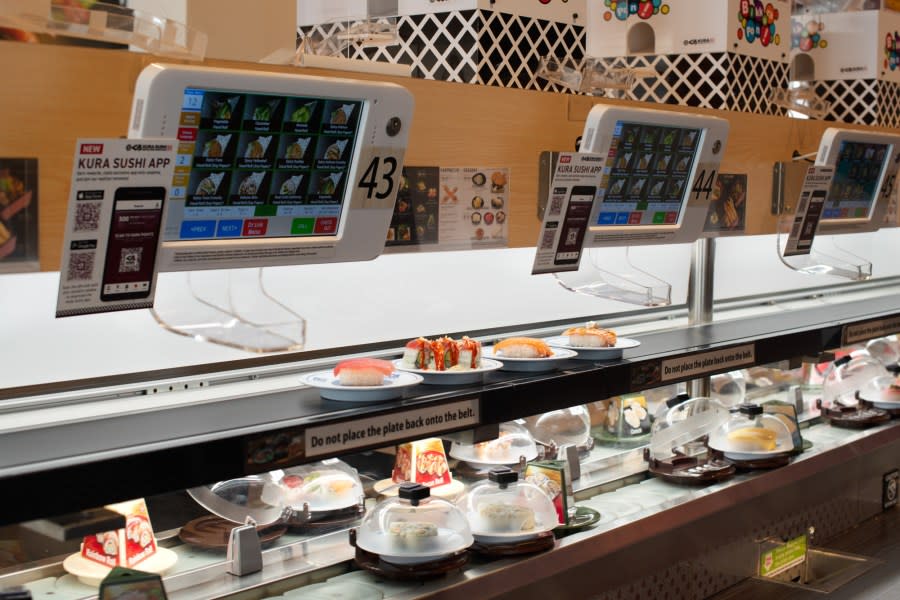
One of the key drivers behind Kura Sushi's success has been its relentless focus on enhancing the customer experience. By introducing a reservation and self-seating system, the company is addressing a critical aspect of the dining journey. This system not only improves convenience for patrons but also optimizes operational efficiency by potentially eliminating the need for dedicated hosting positions. Furthermore, the impending rollout of updated ordering panels and a redesigned Mr. Fresh 2.0 underscores Kura Sushi's commitment to modernizing its in-house processes and technologies to elevate guest satisfaction.
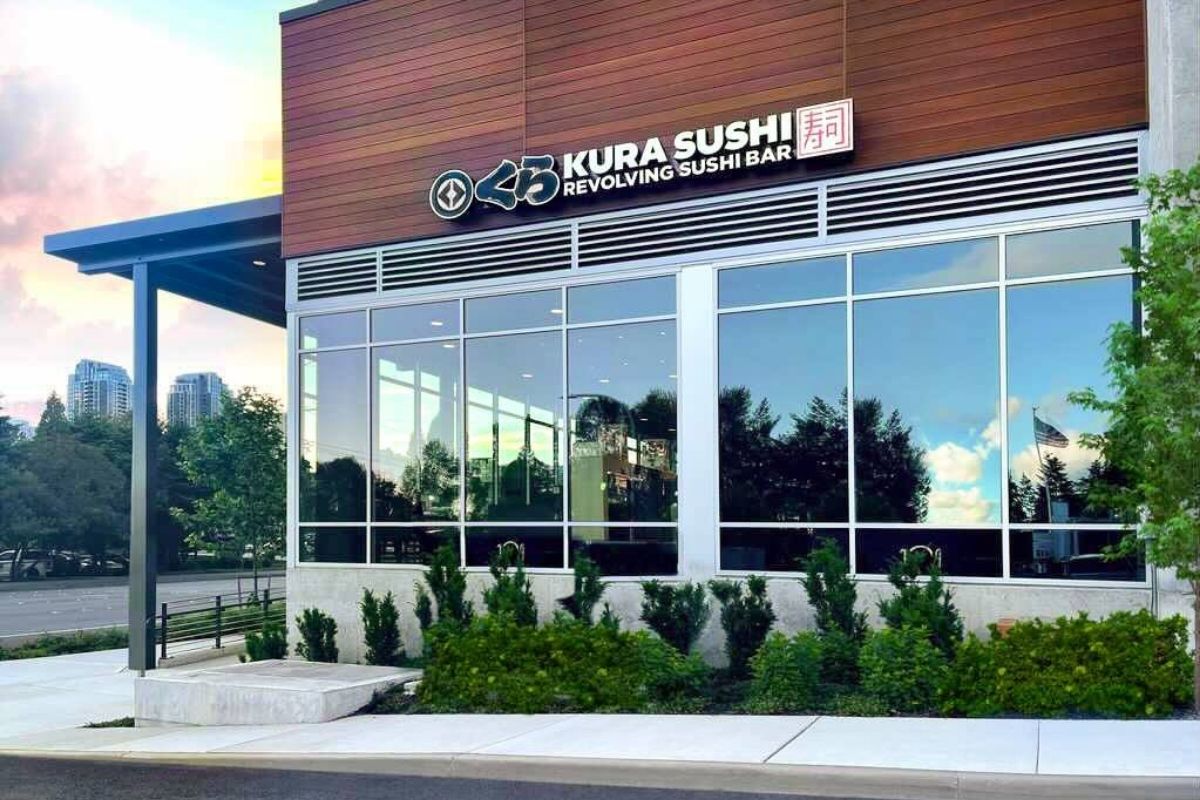
Despite experiencing a net loss in the first quarter, Kura Sushi USA remains optimistic about its growth potential. With an increase in same-store sales and a strategic expansion strategy into untapped markets, the company is poised for long-term success. The positive customer response from its Bakersfield location and the confidence gained from successful openings in other cities signal a promising trajectory for Kura Sushi's expansion plans.