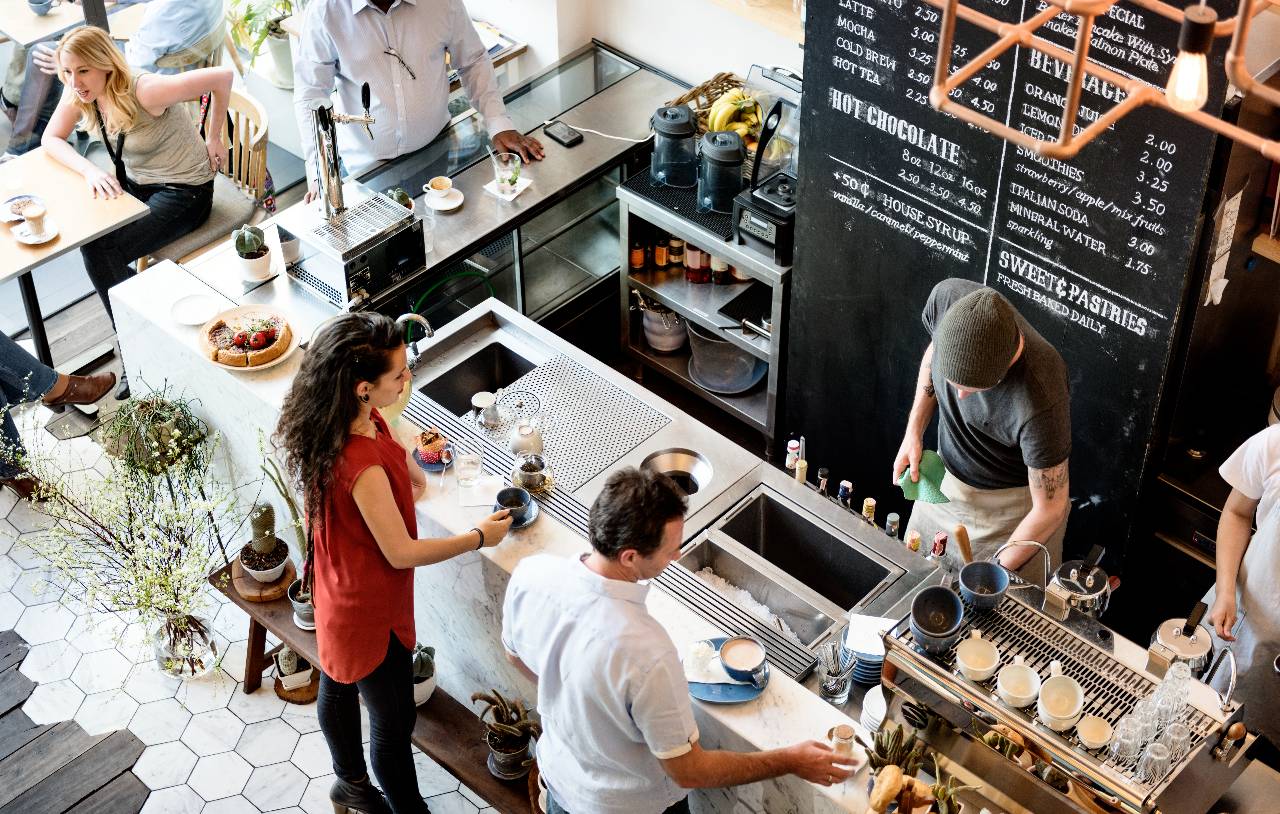
How Much Does It Cost to Open a Coffee Shop in 2026?
Opening a coffee shop in 2026 requires careful cost planning across rent, equipment, labor, technology, menu strategy, marketing, and sustainability.
operations
May 15, 2026
Opening a coffee shop in 2026 requires careful cost planning across rent, equipment, labor, technology, menu strategy, marketing, and sustainability.
May 15, 2026
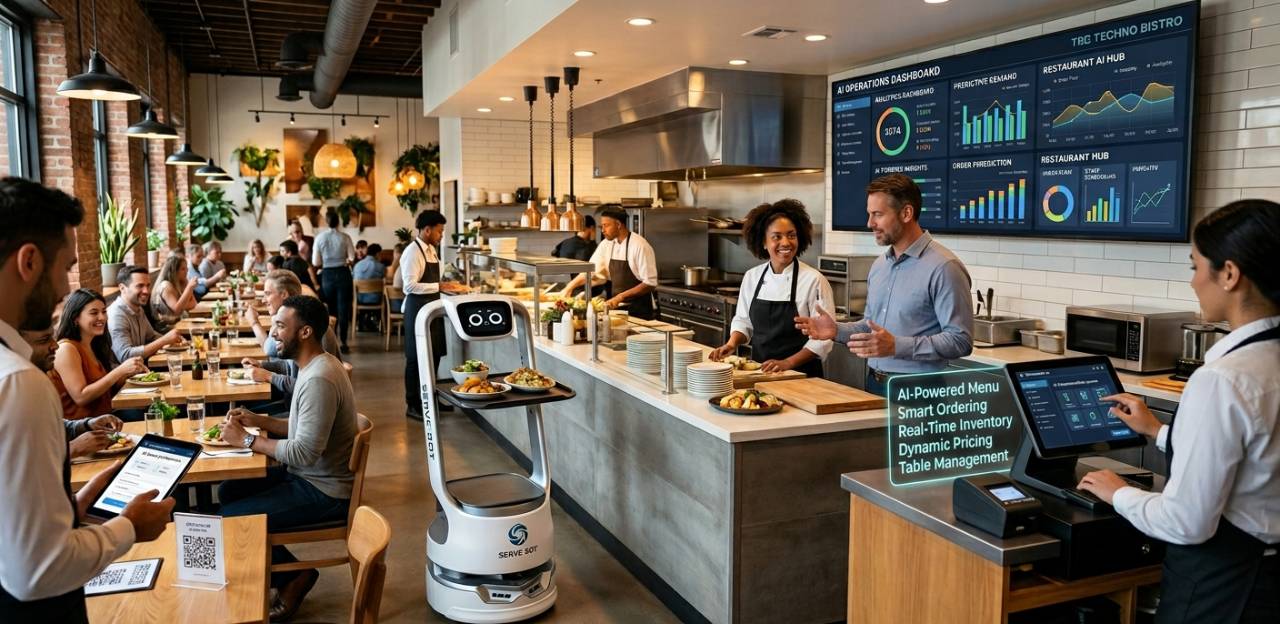
This AI playbook covers restaurant tools for voice ordering, staffing, compliance, menu pricing, inventory, marketing, ChatGPT prompts, and SEO.
May 15, 2026
Hardee’s giant Boddie-Noell inks 31-unit Scooter’s Coffee deal for NC and VA, leveraging drive-thru growth and local roots with rollout over 12–18 months.
May 15, 2026
Wingstop turns match weeks into a multi-sensory festival, aligning bold pop-ups with World Cup energy to build brand affinity and measurable momentum.
May 15, 2026
The parent company behind Dunkin', Buffalo Wild Wings, and Arby's has filed for an IPO a move that could reshape how Wall Street views the restaurant sector.
May 15, 2026

Learn how to develop a memorable restaurant brand identity that stands out in a crowded market, attracts loyal customers, and drives repeat business with actionable strategies and affordable tools.
May 15, 2026
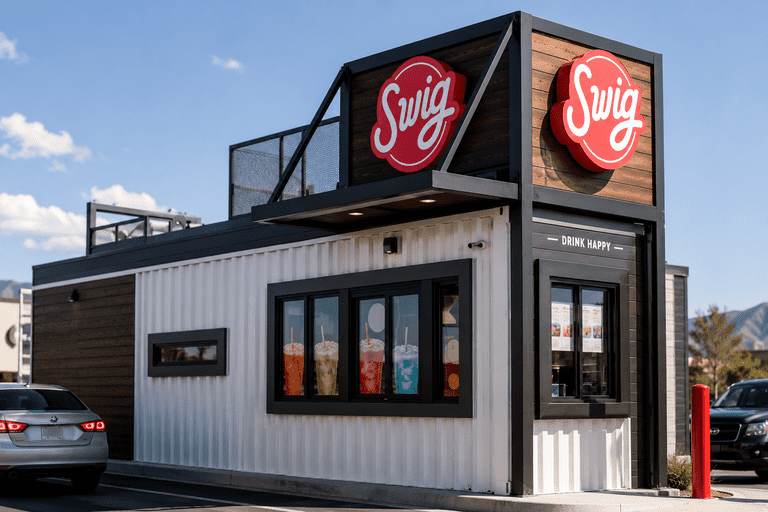
Dirty soda chain Swig is expanding into Colorado through a 10-unit franchise deal, riding a consumer beverage trend that's catching the attention of major QSR players nationwide.
May 15, 2026
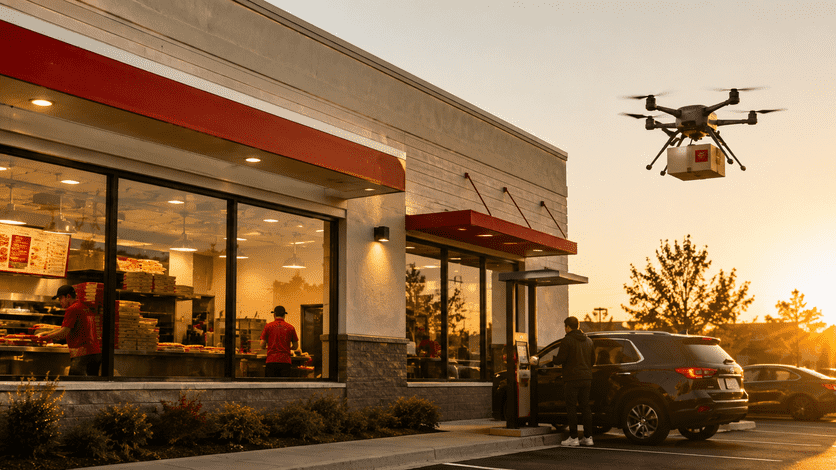
Papa Johns has teamed up with Alphabet's Wing for drone delivery of its new sandwich lineup in parts of Charlotte marking the first partnership of its kind between Wing and a national QSR brand.
May 15, 2026
A warm, expert-led look at McDonald’s Q1 results, menu makeover, and the refranchise question shaping its growth.
May 14, 2026
A reflective look at Habit Ranch, its immersive desert activation, and what it signals for brand loyalty and mindful, experiential dining.
May 14, 2026

Unlock Exclusive Access To Webinars, Events, And The Latest News For Free!
Explore how Yum's focus on technology, digital sales, and AI is reshaping the restaurant industry.

Photo by Alexis Chloe

Photo by Alexis Chloe
Yum, a global leader in the restaurant industry, has placed a significant emphasis on technological advancements to stay ahead in the ever-evolving market. With digital sales reaching a staggering $30 billion in 2024, Yum's strategic focus on technology has propelled its growth and market dominance. By leveraging digital transactions, Yum has amassed a wealth of consumer data, enabling the company to drive menu innovation and streamline operations through its integrated tech platform, Byte by Yum.
Partnering with Nvidia, a renowned artificial intelligence technology developer, Yum has embarked on a journey to integrate AI solutions into its restaurant operations. The deployment of AI technology aims to enhance operational efficiency, automate processes, and elevate the overall customer experience. By harnessing the power of AI, Yum is set to revolutionize the way restaurants interact with consumers and optimize their service delivery.

Photo by Alexis Chloe
Yum's success, particularly driven by Taco Bell in the U.S. and international growth for KFC, highlights the significance of menu innovation and strategic market expansion. Taco Bell's focus on value offers and premium proteins has resonated well with consumers, enabling the brand to set ambitious targets for future growth. This emphasis on product innovation and adapting to evolving consumer preferences underscores Yum's commitment to staying relevant and competitive in the dynamic food industry.
Despite its successes, Yum faces challenges with brands like KFC U.S. and Pizza Hut U.S. struggling to maintain same-store sales momentum. To address these issues, Yum has implemented strategic initiatives such as testing new store designs for Pizza Hut and introducing innovative concepts like KFC's Saucy to drive product evolution and enhance customer engagement. These proactive steps demonstrate Yum's dedication to overcoming obstacles and driving sustainable growth across its portfolio.
Yum's stable leadership under Gibbs and the strategic expertise of CFO Turner have been instrumental in steering the company through challenges and driving innovation. With a focus on continuity and experience, Yum has maintained a competitive edge in the industry, unlike some of its counterparts that have faced abrupt CEO changes. Yum's consistent leadership approach ensures a steady course for growth and innovation in the dynamic restaurant landscape.