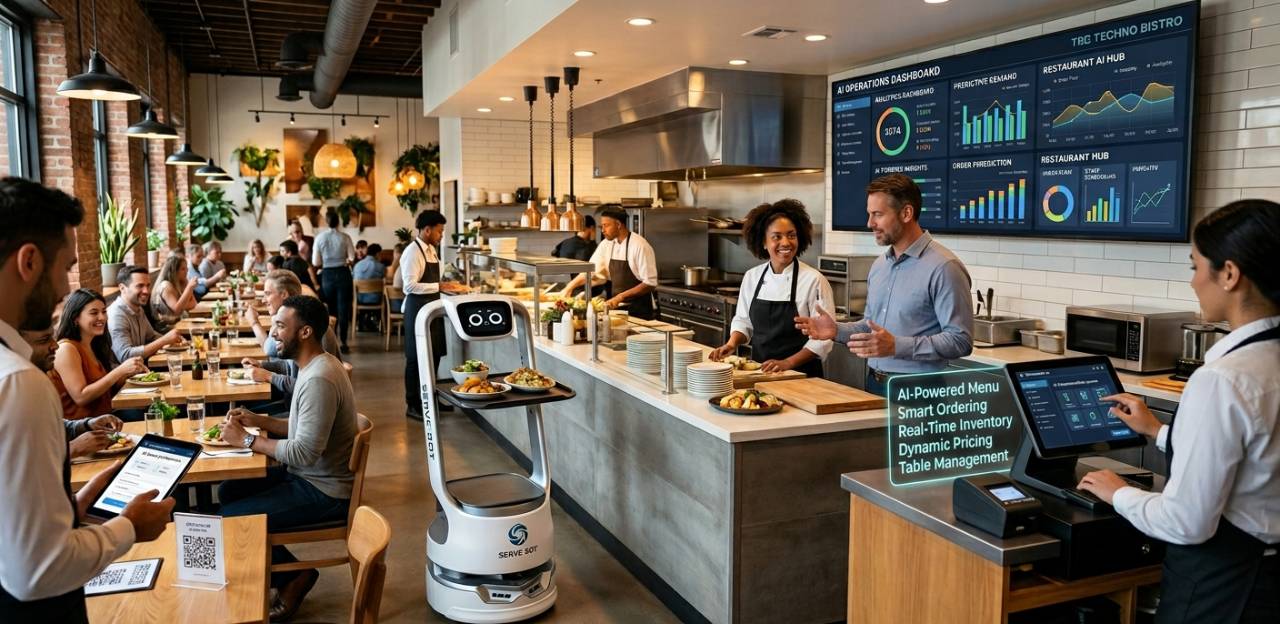
AI Playbook for Restaurant Owners
This AI playbook covers restaurant tools for voice ordering, staffing, compliance, menu pricing, inventory, marketing, ChatGPT prompts, and SEO.
tech
May 15, 2026
This AI playbook covers restaurant tools for voice ordering, staffing, compliance, menu pricing, inventory, marketing, ChatGPT prompts, and SEO.
May 15, 2026
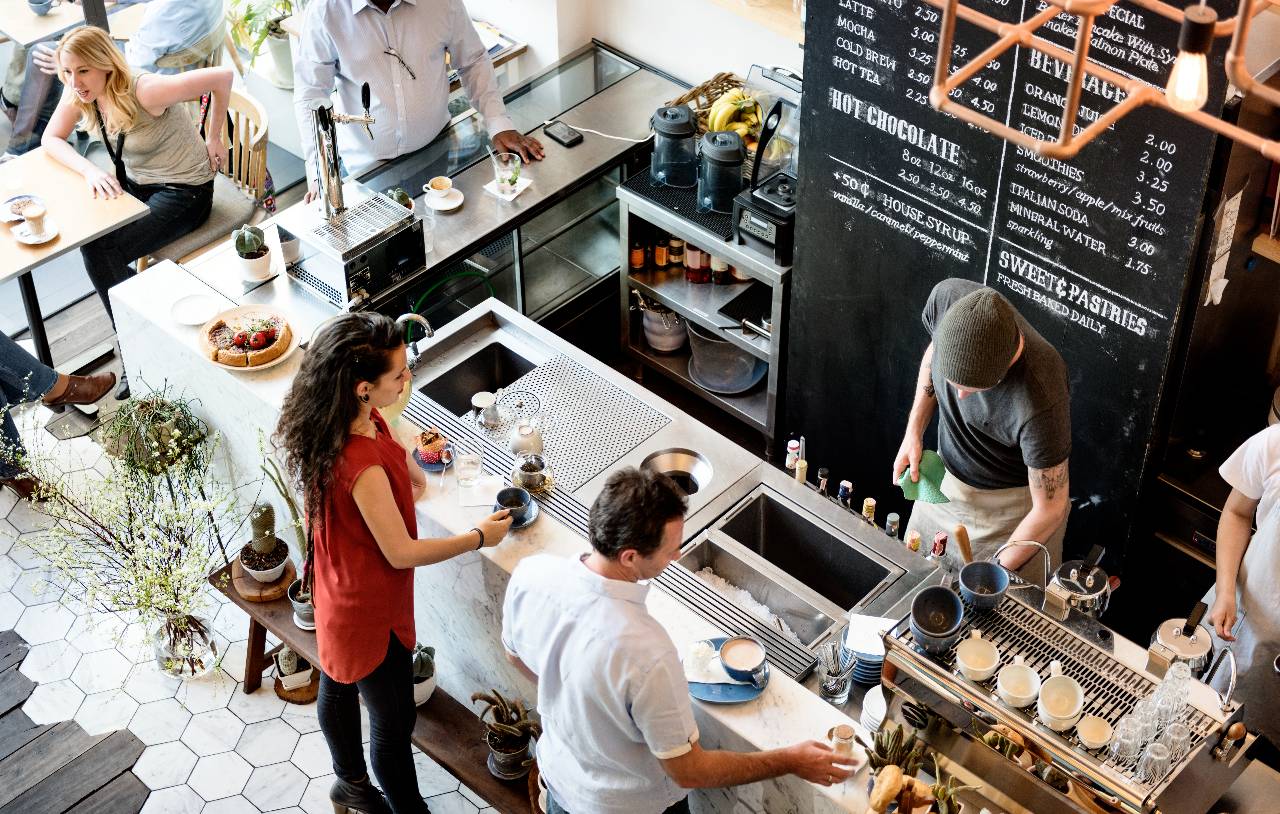
Opening a coffee shop in 2026 requires careful cost planning across rent, equipment, labor, technology, menu strategy, marketing, and sustainability.
May 15, 2026
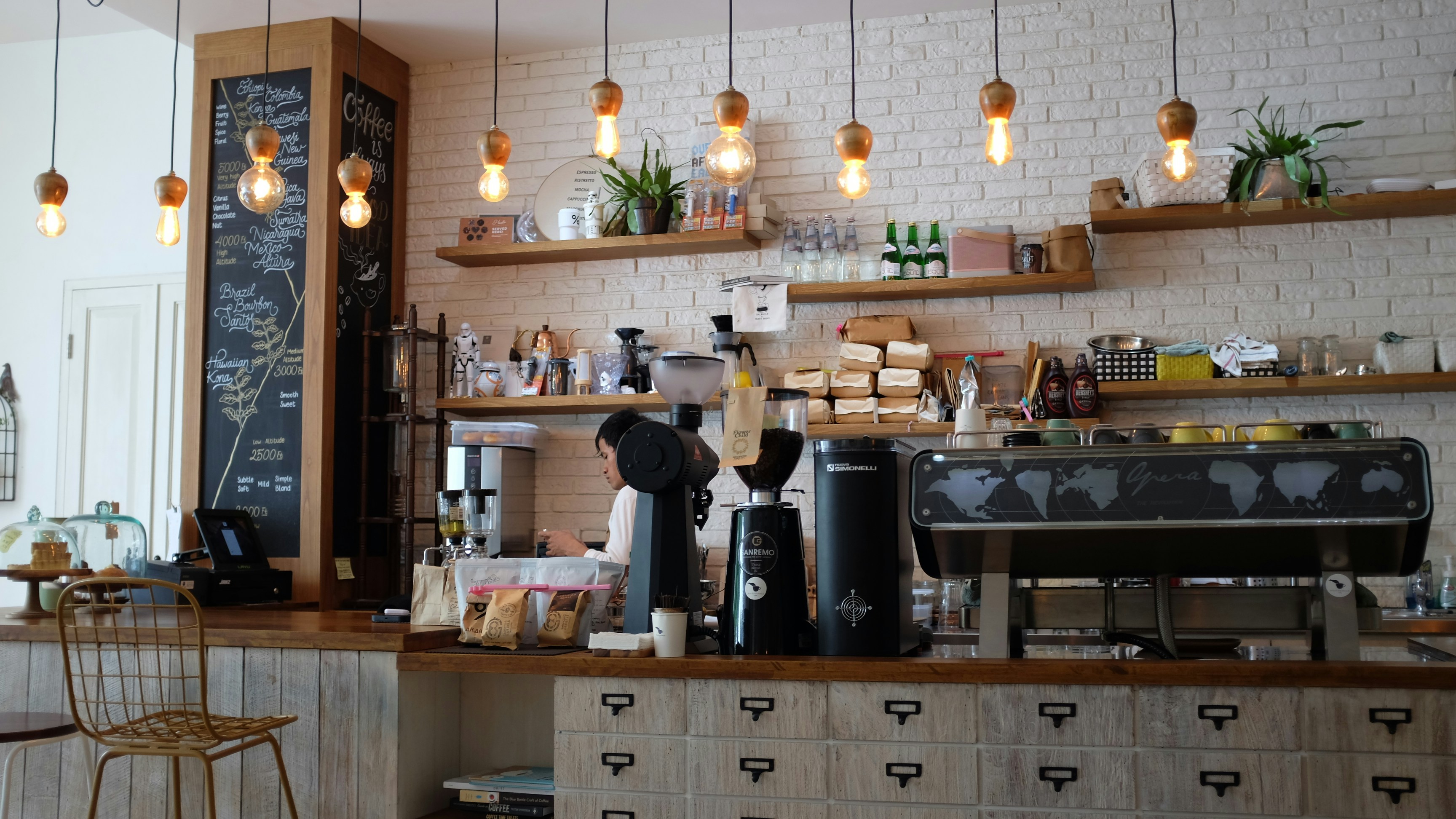
Hardee’s giant Boddie-Noell inks 31-unit Scooter’s Coffee deal for NC and VA, leveraging drive-thru growth and local roots with rollout over 12–18 months.
May 15, 2026
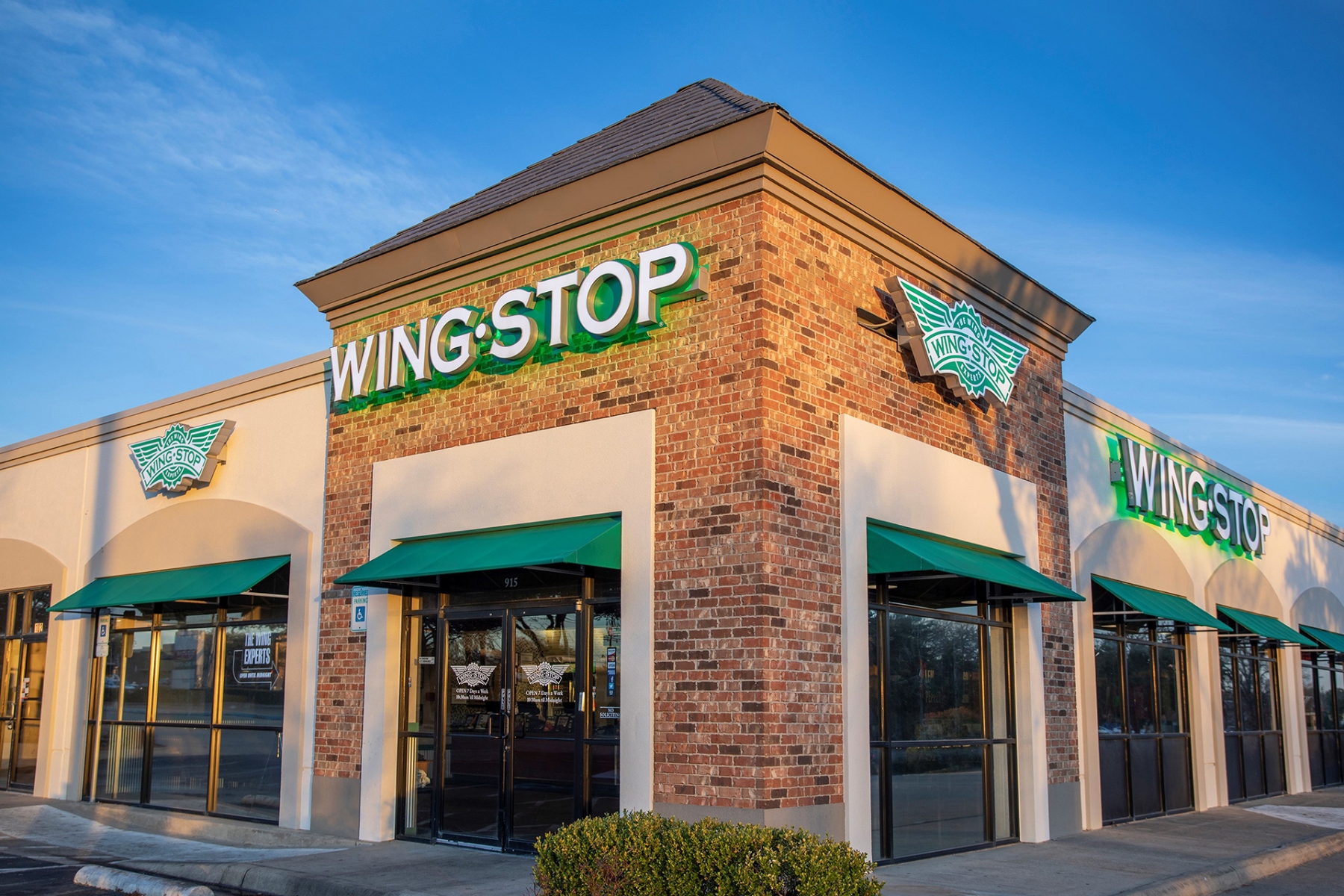
Wingstop turns match weeks into a multi-sensory festival, aligning bold pop-ups with World Cup energy to build brand affinity and measurable momentum.
May 15, 2026
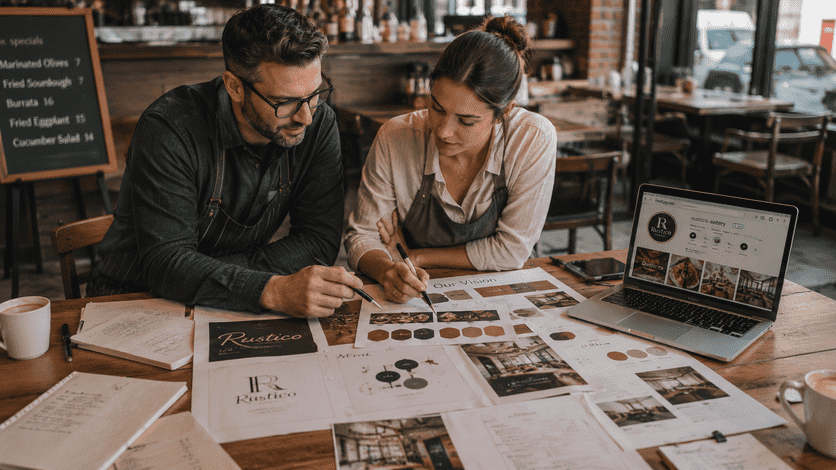
Learn how to develop a memorable restaurant brand identity that stands out in a crowded market, attracts loyal customers, and drives repeat business with actionable strategies and affordable tools.
May 15, 2026
The parent company behind Dunkin', Buffalo Wild Wings, and Arby's has filed for an IPO a move that could reshape how Wall Street views the restaurant sector.
May 15, 2026
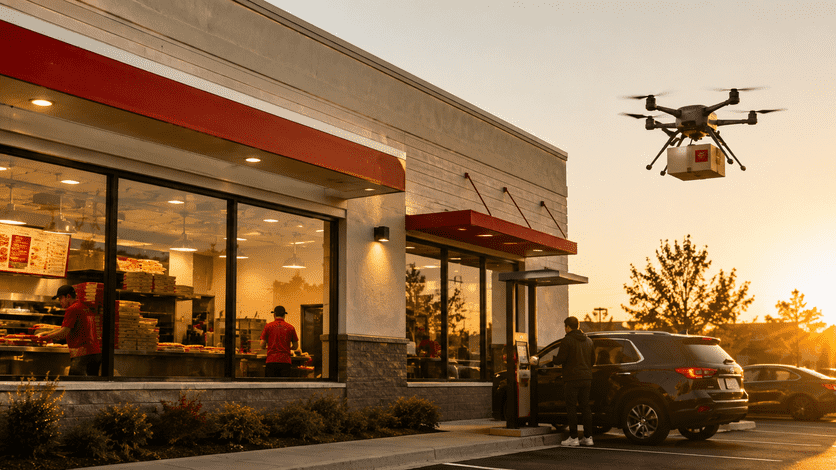
Papa Johns has teamed up with Alphabet's Wing for drone delivery of its new sandwich lineup in parts of Charlotte marking the first partnership of its kind between Wing and a national QSR brand.
May 15, 2026
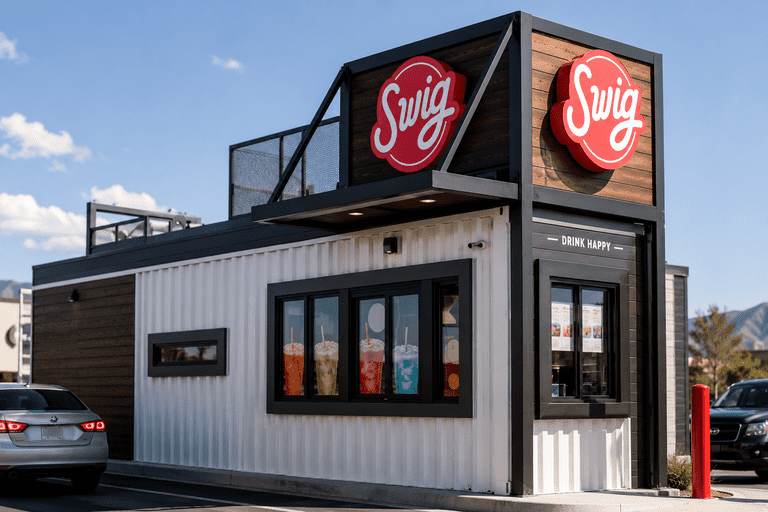
Dirty soda chain Swig is expanding into Colorado through a 10-unit franchise deal, riding a consumer beverage trend that's catching the attention of major QSR players nationwide.
May 15, 2026
A warm, expert-led look at McDonald’s Q1 results, menu makeover, and the refranchise question shaping its growth.
May 14, 2026
A reflective look at Habit Ranch, its immersive desert activation, and what it signals for brand loyalty and mindful, experiential dining.
May 14, 2026

Unlock Exclusive Access To Webinars, Events, And The Latest News For Free!
Explore how late-night delivery is reshaping the restaurant industry and how major brands are adapting to meet customer demands.
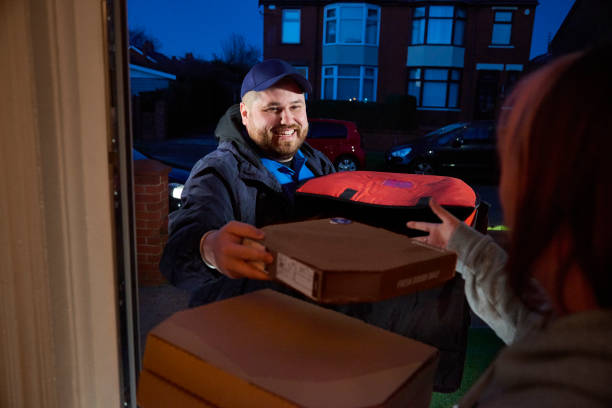
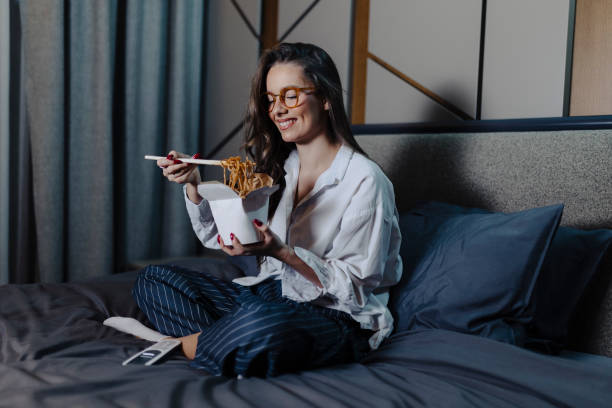
Late-night delivery services have seen a significant uptick in demand within the restaurant industry. As the lifestyle patterns of consumers continue to evolve, there has been a noticeable shift towards ordering food during unconventional hours. Delivery platforms like DoorDash have reported a substantial increase in orders between midnight and 5 a.m., indicating a changing trend in consumer behavior.
Consumer pullback and the need for brands to explore new customer acquisition channels have led to a reevaluation of traditional operating models within the restaurant sector. Major players like Domino’s and Darden have embraced third-party ordering and delivery services to cater to evolving customer preferences. Waffle House's strategic decision to control its ordering channels through the Olo deal showcases a unique approach to retaining brand autonomy in a landscape dominated by third-party aggregators.
The integration of late-night delivery options into brand strategies has become a key focus for many leading restaurant chains. Starbucks, for instance, has experimented with offsite preparation of late-night orders for third-party delivery services. Similarly, Pizza Hut's initiative to extend operating hours until midnight reflects a proactive response to consumer traffic patterns. These adaptations underline the importance of innovation in delivery strategies to stay competitive in a rapidly evolving market.
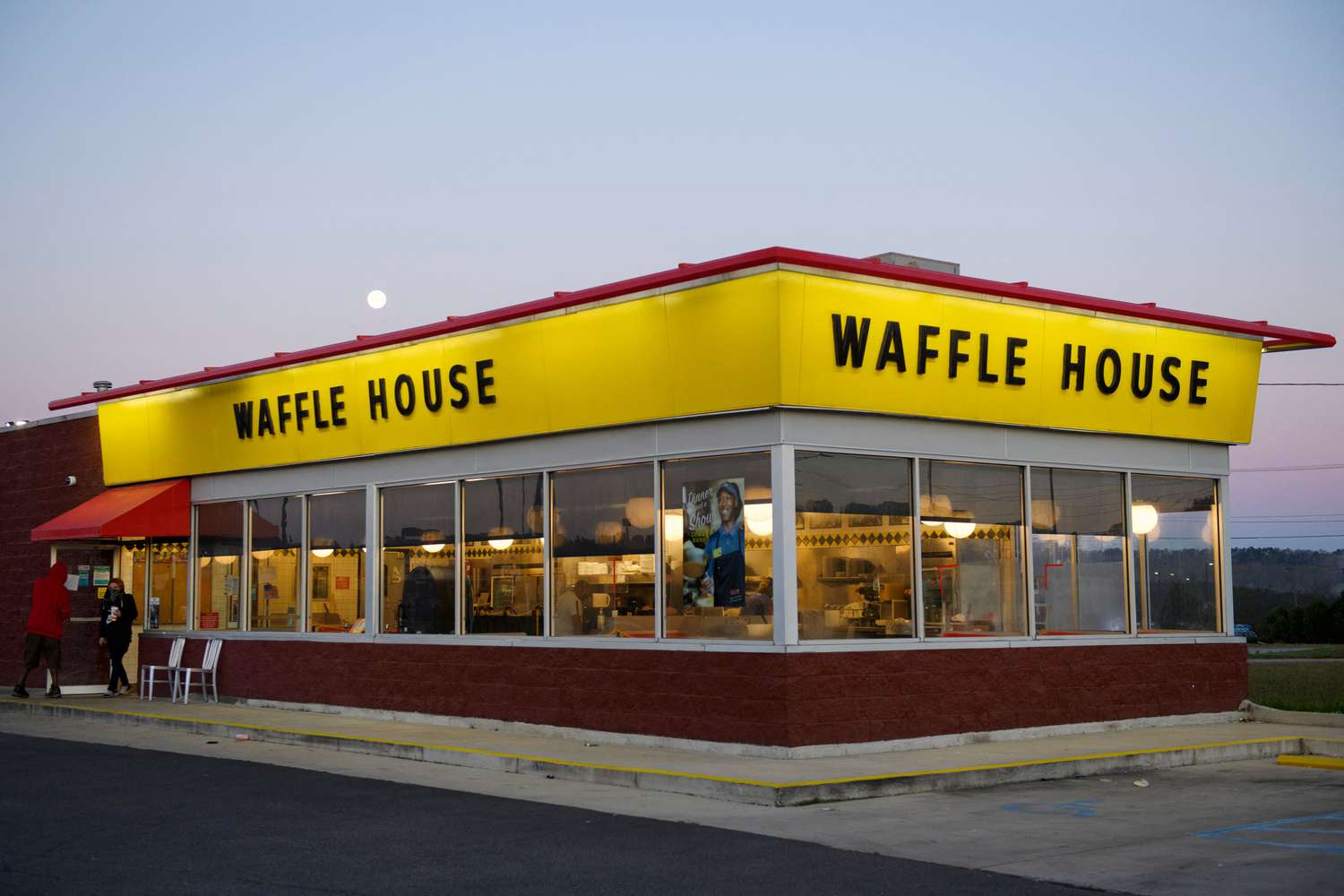
For Waffle House, known for its round-the-clock service, introducing late-night delivery aligns with its brand essence of convenience and accessibility. By offering delivery services during non-traditional hours, Waffle House enhances its customer reach without the need for extended operational hours. This strategic move not only caters to changing consumer demands but also reinforces the brand's commitment to providing quality service at all times.