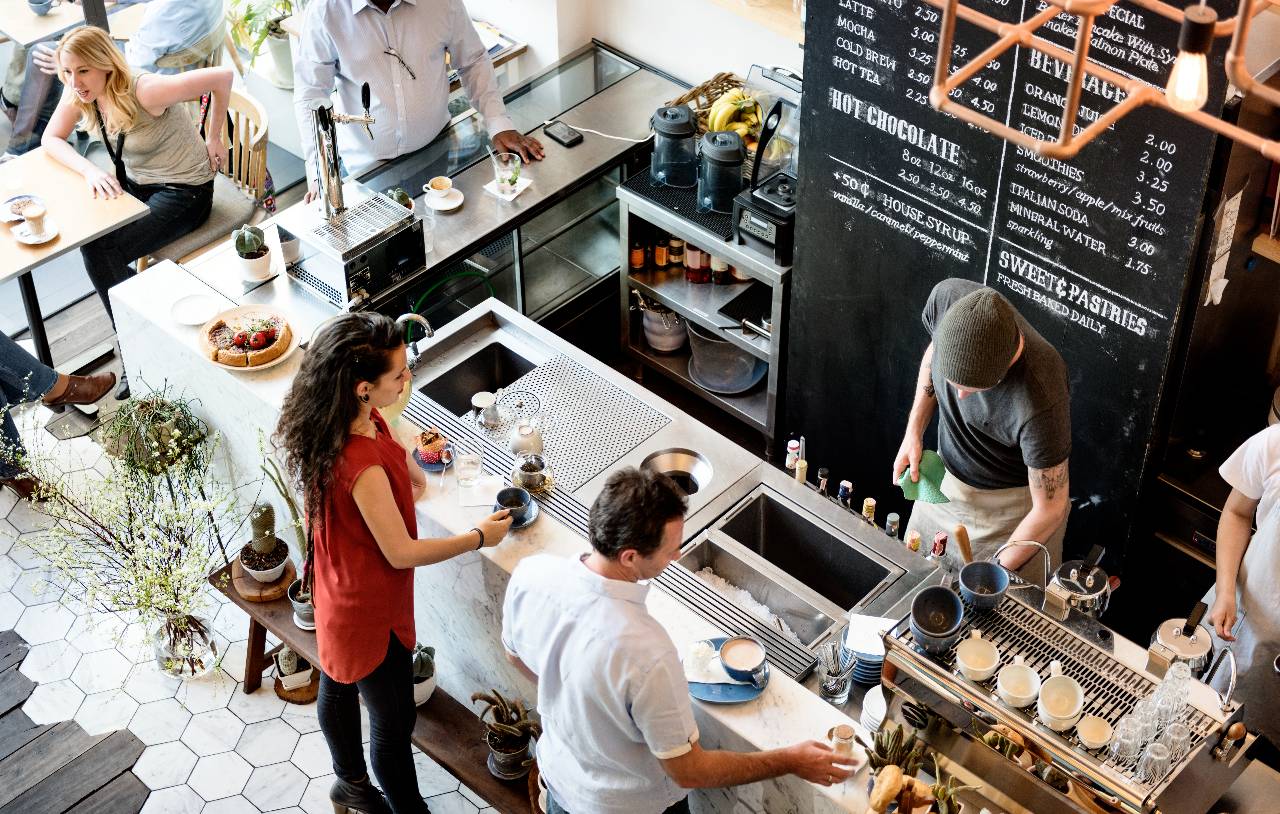
How Much Does It Cost to Open a Coffee Shop in 2026?
Opening a coffee shop in 2026 requires careful cost planning across rent, equipment, labor, technology, menu strategy, marketing, and sustainability.
operations
May 15, 2026
Opening a coffee shop in 2026 requires careful cost planning across rent, equipment, labor, technology, menu strategy, marketing, and sustainability.
May 15, 2026
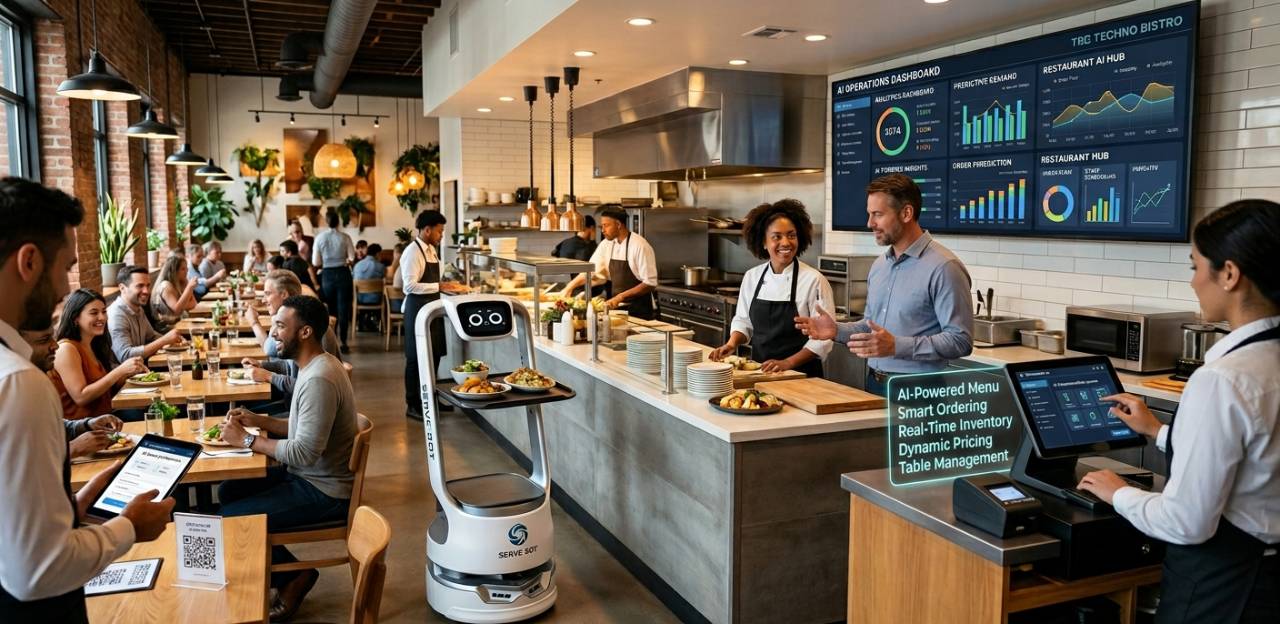
This AI playbook covers restaurant tools for voice ordering, staffing, compliance, menu pricing, inventory, marketing, ChatGPT prompts, and SEO.
May 15, 2026
Hardee’s giant Boddie-Noell inks 31-unit Scooter’s Coffee deal for NC and VA, leveraging drive-thru growth and local roots with rollout over 12–18 months.
May 15, 2026
Wingstop turns match weeks into a multi-sensory festival, aligning bold pop-ups with World Cup energy to build brand affinity and measurable momentum.
May 15, 2026
The parent company behind Dunkin', Buffalo Wild Wings, and Arby's has filed for an IPO a move that could reshape how Wall Street views the restaurant sector.
May 15, 2026
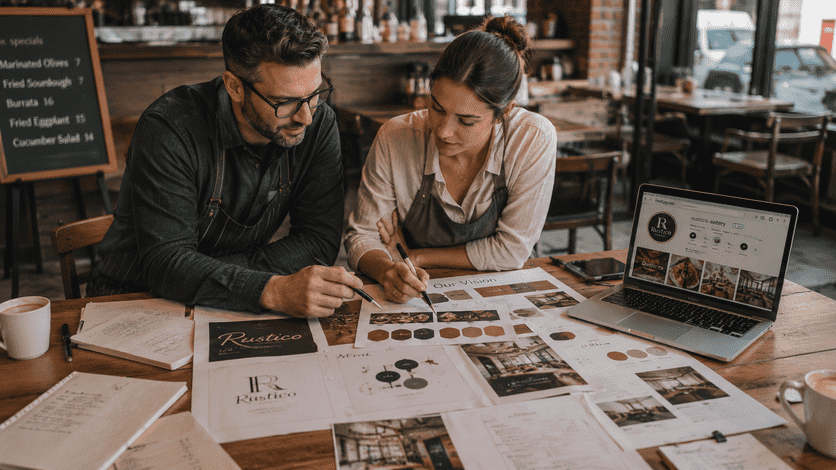
Learn how to develop a memorable restaurant brand identity that stands out in a crowded market, attracts loyal customers, and drives repeat business with actionable strategies and affordable tools.
May 15, 2026
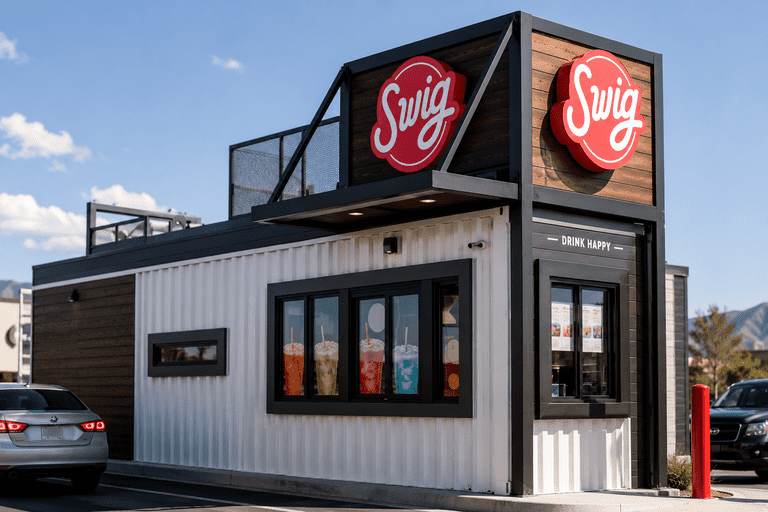
Dirty soda chain Swig is expanding into Colorado through a 10-unit franchise deal, riding a consumer beverage trend that's catching the attention of major QSR players nationwide.
May 15, 2026
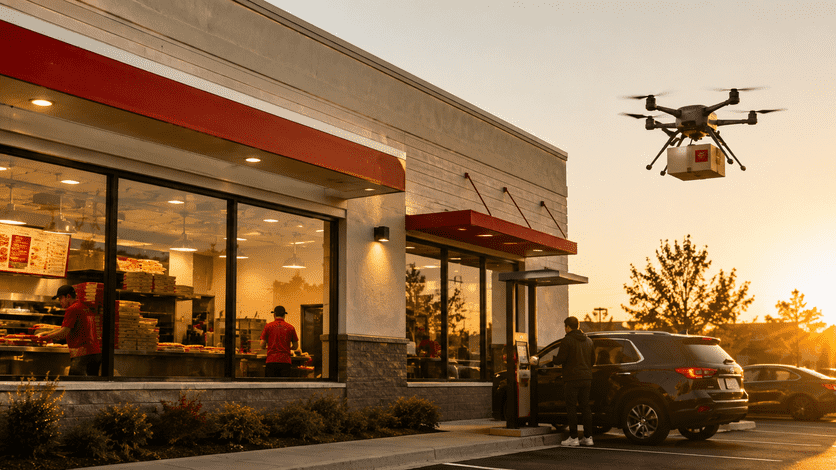
Papa Johns has teamed up with Alphabet's Wing for drone delivery of its new sandwich lineup in parts of Charlotte marking the first partnership of its kind between Wing and a national QSR brand.
May 15, 2026
A warm, expert-led look at McDonald’s Q1 results, menu makeover, and the refranchise question shaping its growth.
May 14, 2026
A reflective look at Habit Ranch, its immersive desert activation, and what it signals for brand loyalty and mindful, experiential dining.
May 14, 2026

Unlock Exclusive Access To Webinars, Events, And The Latest News For Free!
Explore the operational challenges and digital innovations faced by Yum Brands in the competitive restaurant industry landscape.
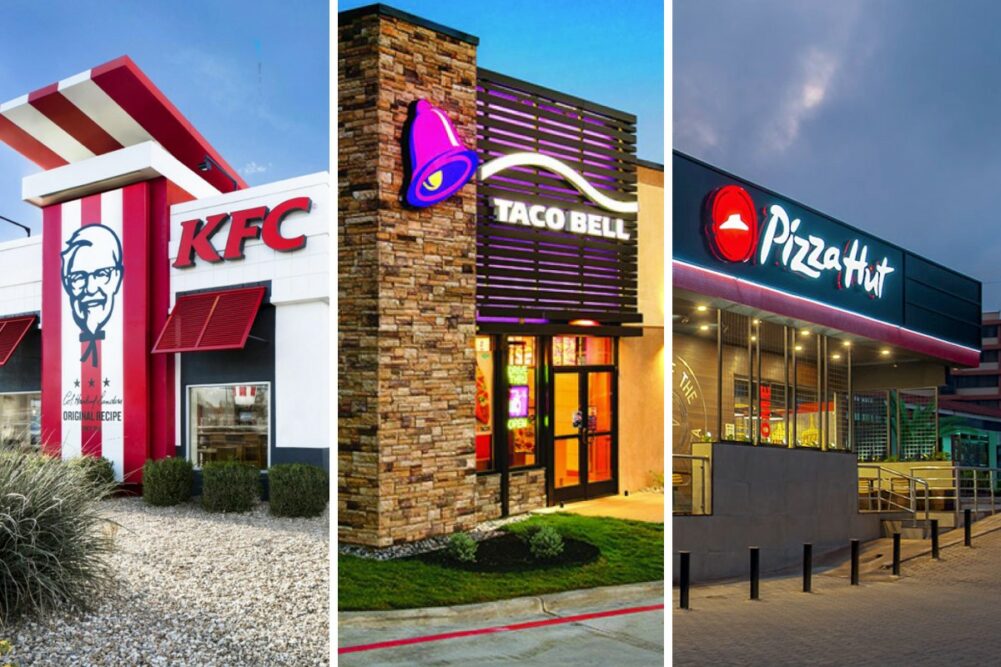
Yum Brands, under the leadership of Gibbs, has embraced digital transformation to enhance its operational efficiency and customer engagement. With a significant investment in digital technologies, Yum Brands has witnessed a substantial increase in sales through digital channels, reaching an impressive $30 billion in 2024. The introduction of the integrated tech ecosystem, Byte, signifies the company's commitment to streamlining digital solutions into a unified platform.
The strategic acquisition of The Habit Burger & Grill for $375 million in 2020 marked Yum's expansion into the burger segment, diversifying its portfolio beyond pizza, Mexican food, and fried chicken. This move was pivotal in positioning Yum Brands at the core of the American Quick-Service Restaurant (QSR) sector. The company's foray into burgers showcases its agility in adapting to evolving consumer preferences and market trends.
![https://d3n2401vhvcfv5.cloudfront.net/_images/company/Yum!/1742488044433-packaging_collage_720x400[1].jpg](https://d3n2401vhvcfv5.cloudfront.net/_images/company/Yum!/1742488044433-packaging_collage_720x400[1].jpg)
Yum Brands faces operational challenges, with a significant portion of its divisional operating profit heavily reliant on two major brands, Taco Bell and KFC. The concentration of profits from these brands highlights the need for diversification and growth in other segments to mitigate risks associated with dependency. While Taco Bell demonstrates consistent same-store sales growth, Pizza Hut and certain KFC segments have experienced stagnation, posing challenges for the company's overall profitability.
Yum Brands' reliance on international markets, particularly in China, introduces strategic risks amid geopolitical tensions. With a substantial percentage of sales originating from China, any disruptions in U.S.–China relations could impact the company's foothold in mainland China. The successor to Gibbs will need to navigate this delicate balance between overseas success and geopolitical challenges, ensuring the resilience and longevity of Yum Brands in the global restaurant landscape.