AI Playbook for Restaurant Owners
This AI playbook covers restaurant tools for voice ordering, staffing, compliance, menu pricing, inventory, marketing, ChatGPT prompts, and SEO.
tech
May 15, 2026
This AI playbook covers restaurant tools for voice ordering, staffing, compliance, menu pricing, inventory, marketing, ChatGPT prompts, and SEO.
May 15, 2026

Opening a coffee shop in 2026 requires careful cost planning across rent, equipment, labor, technology, menu strategy, marketing, and sustainability.
May 15, 2026

Hardee’s giant Boddie-Noell inks 31-unit Scooter’s Coffee deal for NC and VA, leveraging drive-thru growth and local roots with rollout over 12–18 months.
May 15, 2026

Wingstop turns match weeks into a multi-sensory festival, aligning bold pop-ups with World Cup energy to build brand affinity and measurable momentum.
May 15, 2026

Learn how to develop a memorable restaurant brand identity that stands out in a crowded market, attracts loyal customers, and drives repeat business with actionable strategies and affordable tools.
May 15, 2026

The parent company behind Dunkin', Buffalo Wild Wings, and Arby's has filed for an IPO a move that could reshape how Wall Street views the restaurant sector.
May 15, 2026

Papa Johns has teamed up with Alphabet's Wing for drone delivery of its new sandwich lineup in parts of Charlotte marking the first partnership of its kind between Wing and a national QSR brand.
May 15, 2026

Dirty soda chain Swig is expanding into Colorado through a 10-unit franchise deal, riding a consumer beverage trend that's catching the attention of major QSR players nationwide.
May 15, 2026

A warm, expert-led look at McDonald’s Q1 results, menu makeover, and the refranchise question shaping its growth.
May 14, 2026

A reflective look at Habit Ranch, its immersive desert activation, and what it signals for brand loyalty and mindful, experiential dining.
May 14, 2026

Unlock Exclusive Access To Webinars, Events, And The Latest News For Free!
Explore the recent changes in Starbucks' remote work policy, implications for employees, and the shift towards in-office culture.
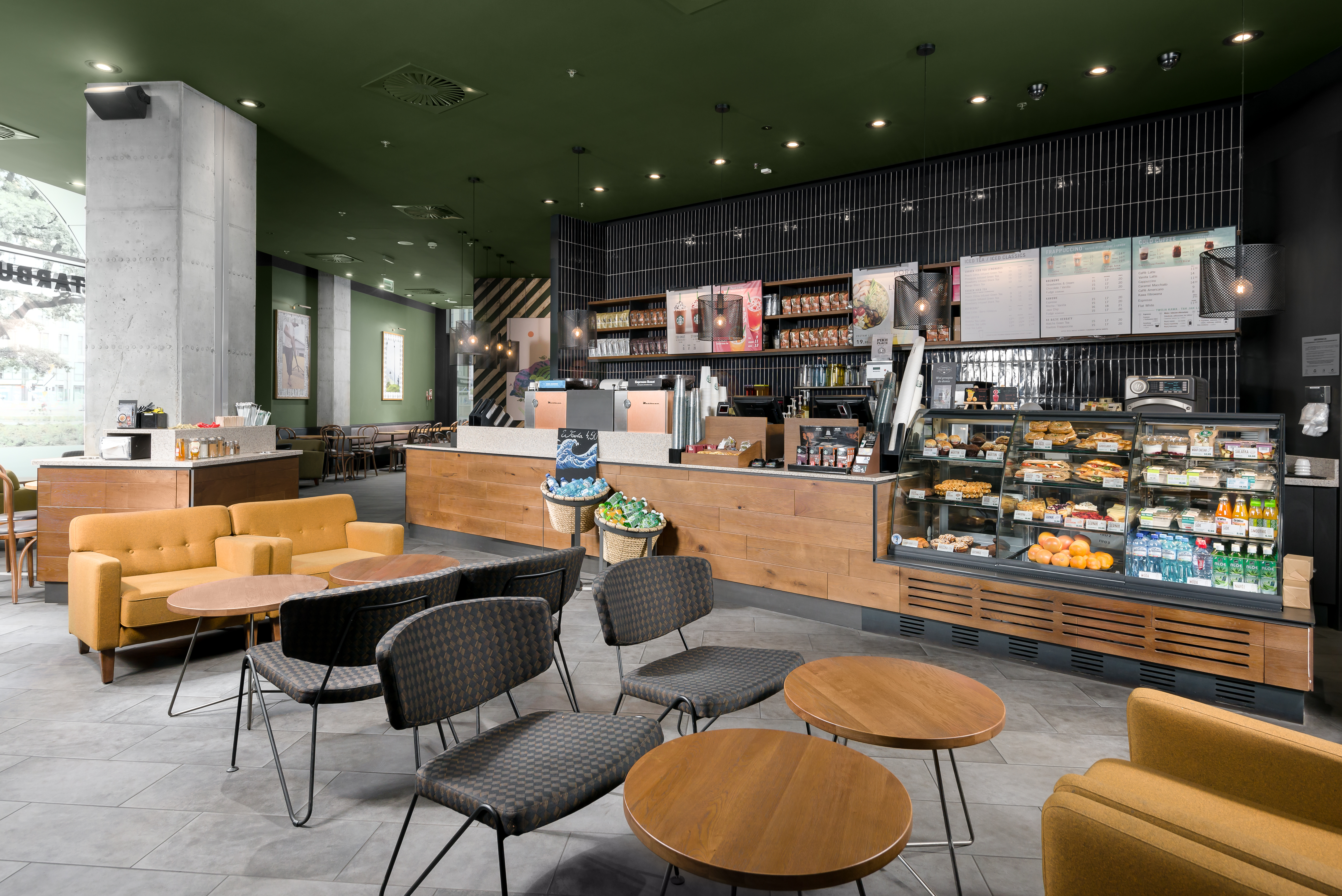
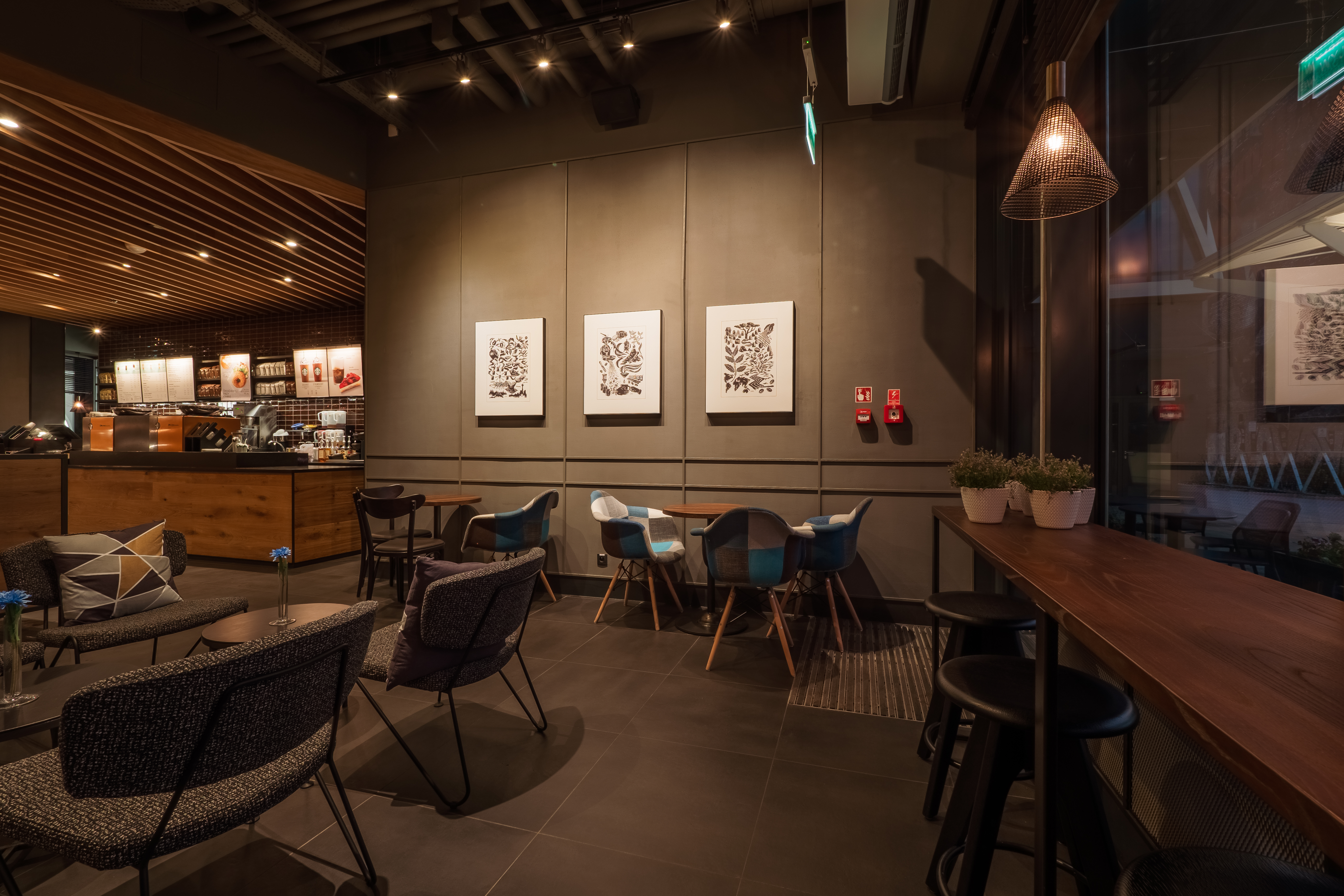
Starbucks recently announced significant updates to its remote work policy, marking a shift back to in-office roles for corporate employees. This decision follows a two-year period during which Starbucks started bringing employees back to physical office locations. Initially, this move sparked some resistance among corporate workers, leading to appeals to Starbucks to reconsider its Return to Office (RTO) policies.
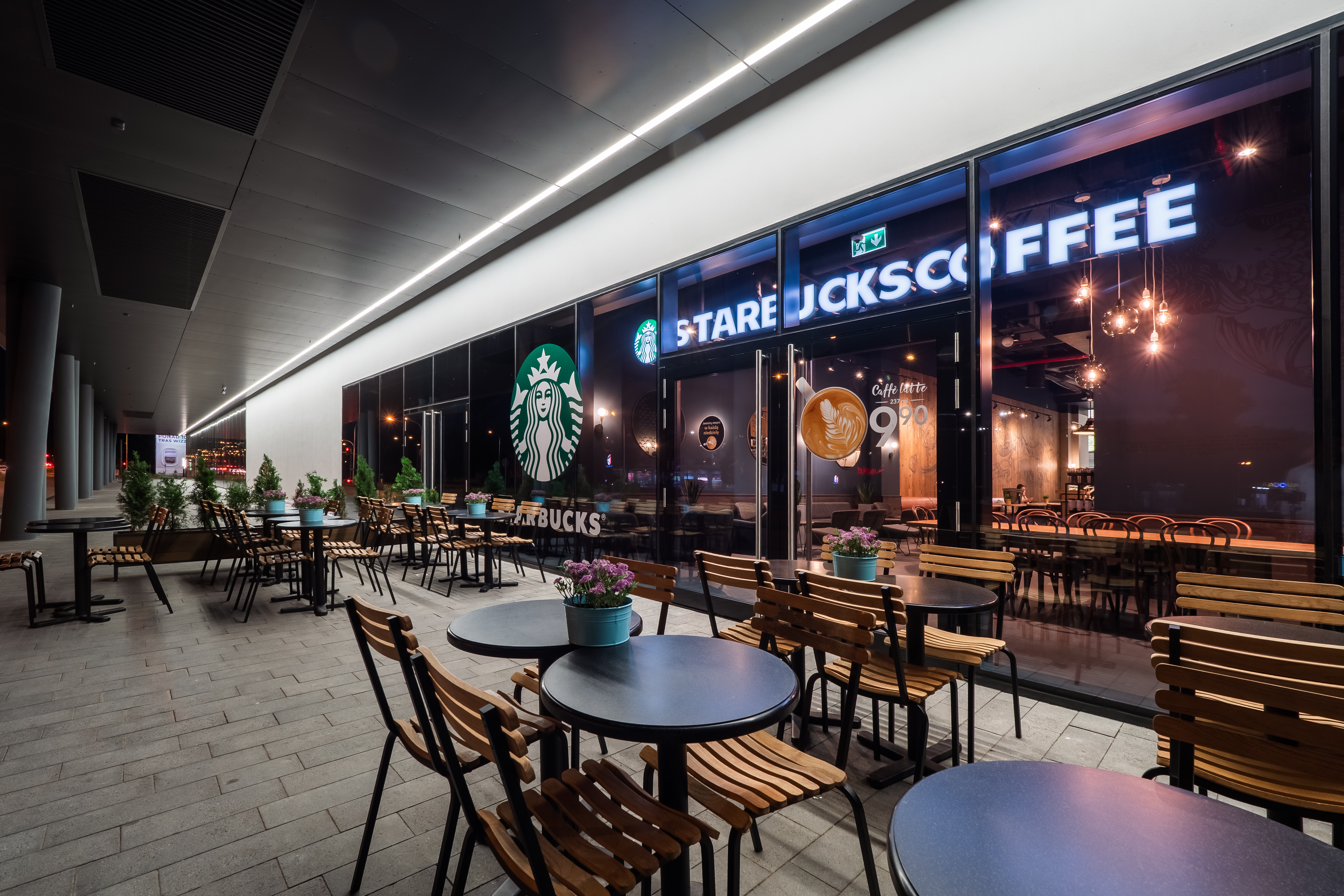
The latest policy iteration states that Starbucks will maintain certain corporate roles in local markets and won't mandate relocation for individual contributors. However, all future hiring for corporate positions and lateral transfers within the company must now be based in either Seattle or Toronto. This move emphasizes the company's aim to nurture an in-office culture, believing that the best work outcomes are achieved through collaborative in-person interactions.

In articulating the rationale behind the increased in-office requirements, executives highlighted the importance of fostering an office environment conducive to effective teamwork and innovation. Despite this, Starbucks acknowledges the need for flexibility, recognizing that tasks often require employees to be outside the office premises, engaging with various stakeholders or traveling for business purposes.
To support employees through this transition, Starbucks is offering a one-time cash payment to those who opt to leave the company instead of returning to the office. This voluntary departure package aims to provide individuals with an alternative in alignment with their preferences. Notably, the company leadership plans to provide further details on this initiative to employees in the near future.
When examining the leadership's approach to the policy, it's interesting to note that upon his appointment, the current executive was not required to relocate to Seattle, indicating an acknowledgment of the changing dynamics in work arrangements. This reflects a degree of adaptability in decision-making at the higher echelons of the organization.