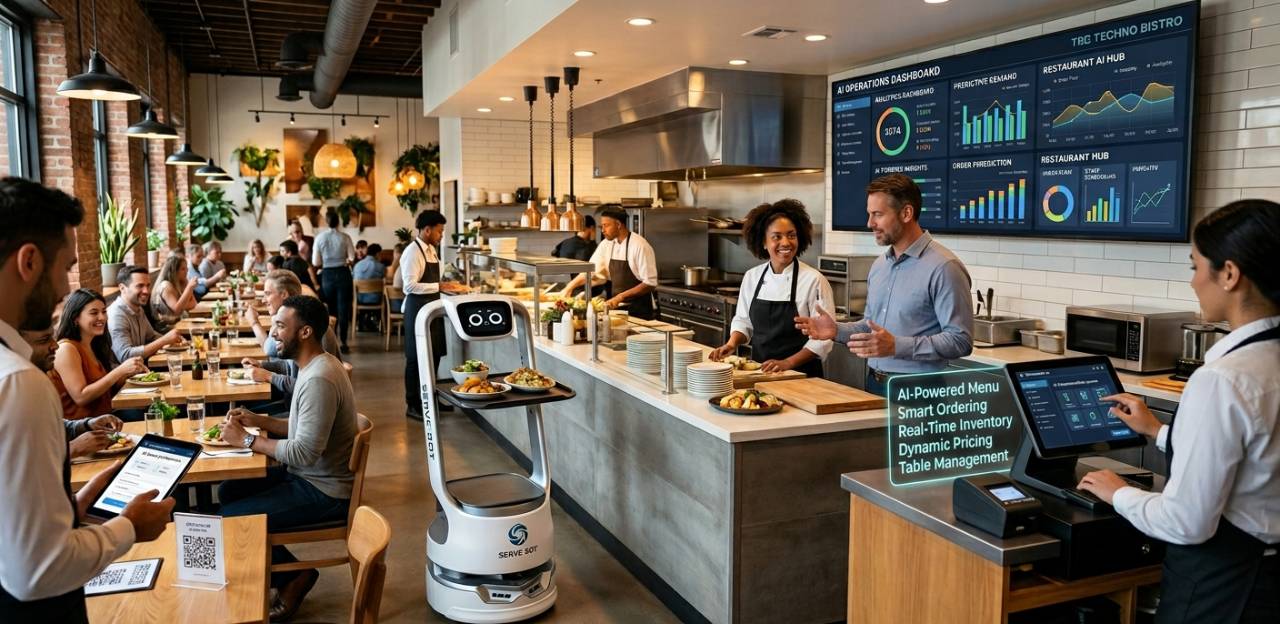
AI Playbook for Restaurant Owners
This AI playbook covers restaurant tools for voice ordering, staffing, compliance, menu pricing, inventory, marketing, ChatGPT prompts, and SEO.
tech
May 15, 2026
This AI playbook covers restaurant tools for voice ordering, staffing, compliance, menu pricing, inventory, marketing, ChatGPT prompts, and SEO.
May 15, 2026
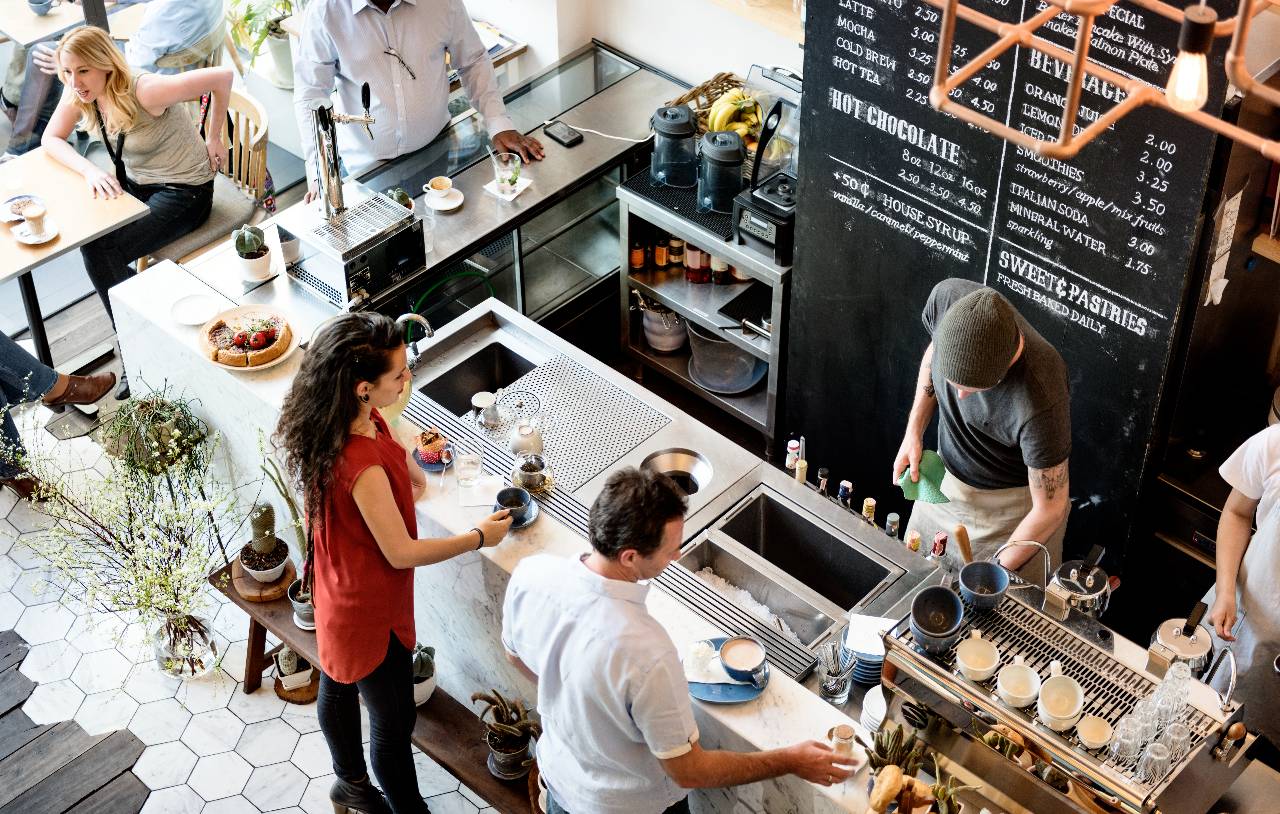
Opening a coffee shop in 2026 requires careful cost planning across rent, equipment, labor, technology, menu strategy, marketing, and sustainability.
May 15, 2026
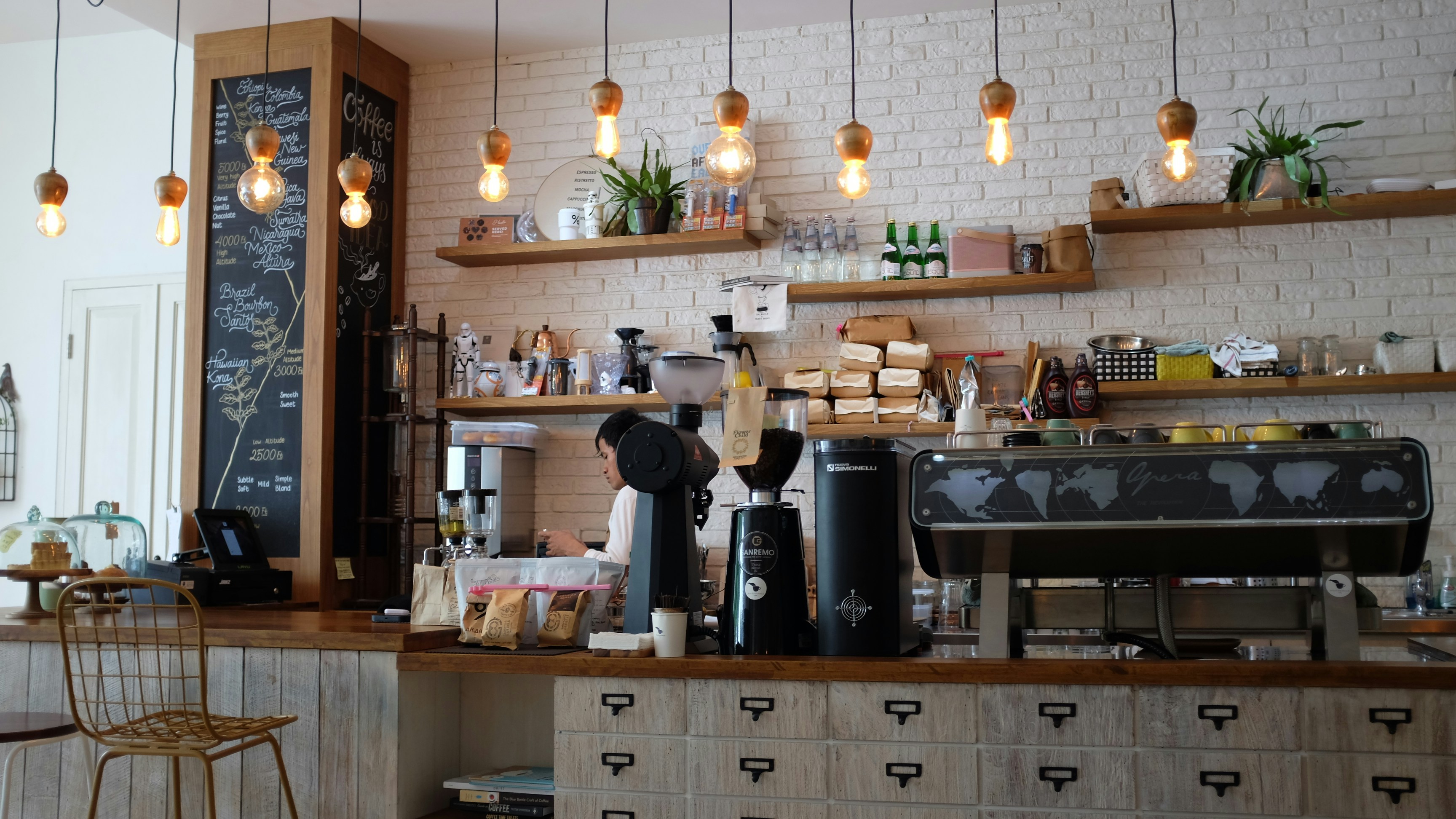
Hardee’s giant Boddie-Noell inks 31-unit Scooter’s Coffee deal for NC and VA, leveraging drive-thru growth and local roots with rollout over 12–18 months.
May 15, 2026
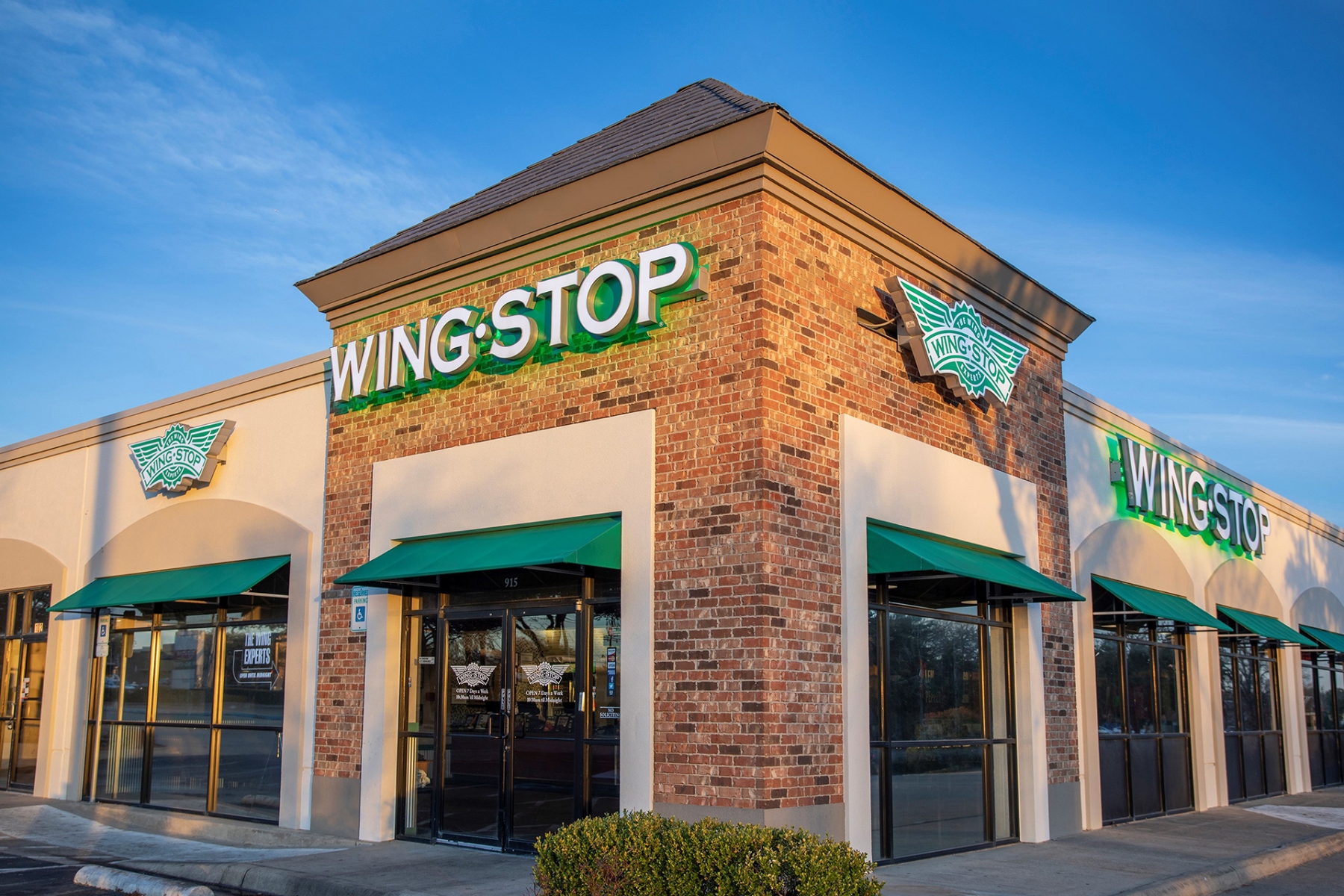
Wingstop turns match weeks into a multi-sensory festival, aligning bold pop-ups with World Cup energy to build brand affinity and measurable momentum.
May 15, 2026

Learn how to develop a memorable restaurant brand identity that stands out in a crowded market, attracts loyal customers, and drives repeat business with actionable strategies and affordable tools.
May 15, 2026
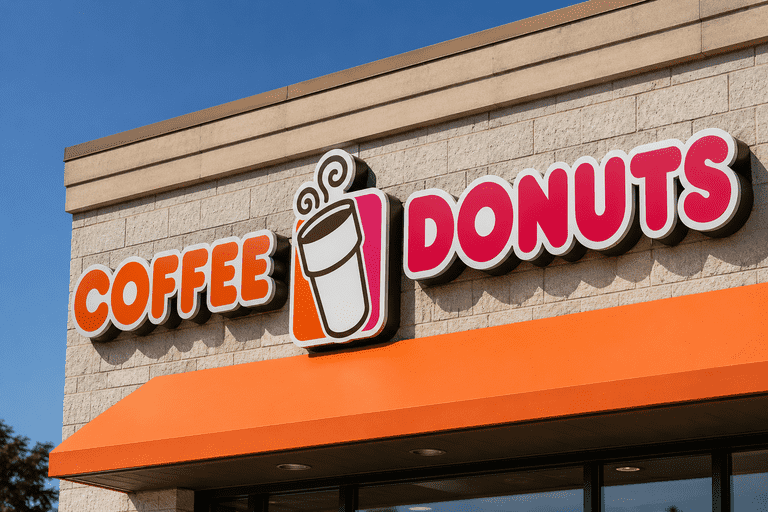
The parent company behind Dunkin', Buffalo Wild Wings, and Arby's has filed for an IPO a move that could reshape how Wall Street views the restaurant sector.
May 15, 2026
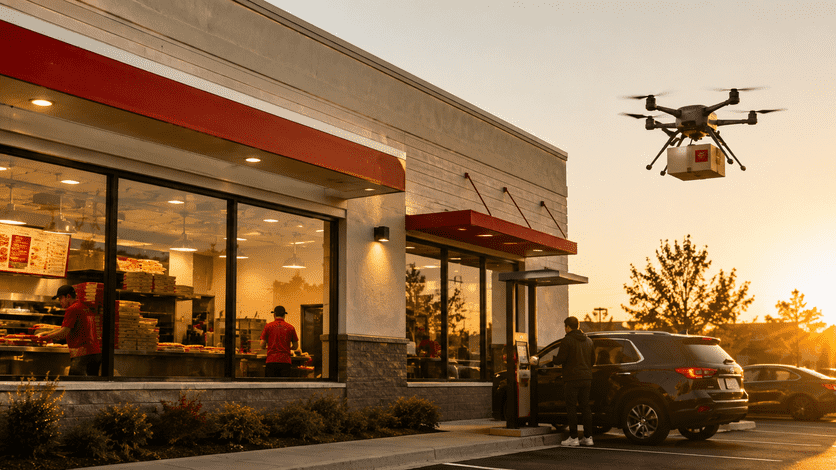
Papa Johns has teamed up with Alphabet's Wing for drone delivery of its new sandwich lineup in parts of Charlotte marking the first partnership of its kind between Wing and a national QSR brand.
May 15, 2026
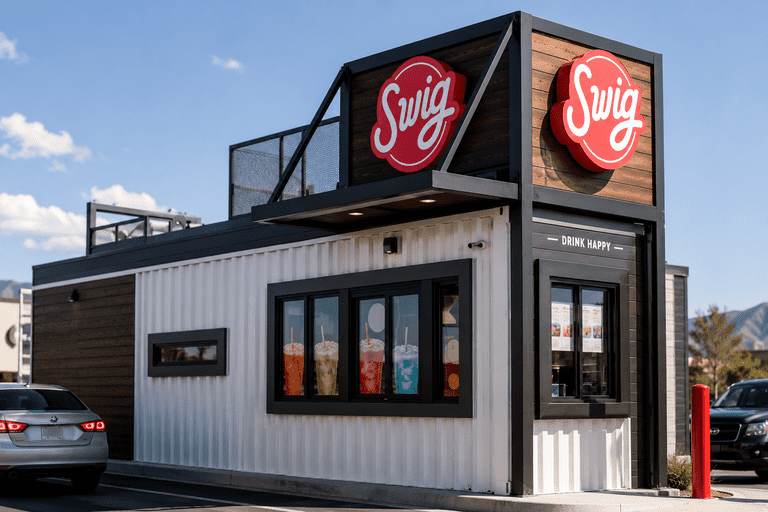
Dirty soda chain Swig is expanding into Colorado through a 10-unit franchise deal, riding a consumer beverage trend that's catching the attention of major QSR players nationwide.
May 15, 2026
A warm, expert-led look at McDonald’s Q1 results, menu makeover, and the refranchise question shaping its growth.
May 14, 2026
A reflective look at Habit Ranch, its immersive desert activation, and what it signals for brand loyalty and mindful, experiential dining.
May 14, 2026

Unlock Exclusive Access To Webinars, Events, And The Latest News For Free!
Explore the operational challenges faced by Planta and other restaurants post-COVID-19 and the impact on their financial stability.

Photo by Gerard Albanell

Photo by Gerard Albanell
Planta, a restaurant chain that rapidly expanded with 12 locations within three years, exemplified the challenges many dining establishments faced during the COVID-19 era. Despite a remarkable revenue surge from $3.5 million in 2016 to over $46 million in recent years, the company grappled with a shifting cost structure and industry landscape that impacted its profitability.

Photo by Gerard Albanell
Increased labor and food costs coupled with pricing strategies aimed at offsetting rising input expenses became significant hurdles for Planta, affecting consumer foot traffic and bottom-line results. The company's experience highlights the delicate balance needed in managing costs and pricing to sustain profitability in the competitive restaurant sector.
The proliferation of third-party delivery platforms posed additional challenges for Planta and other restaurant brands, altering cost structures and profitability. The reliance on external delivery services reshaped operational dynamics, emphasizing the need for strategic adaptations to optimize efficiency and mitigate financial strain.

Photo by Gerard Albanell
Planta's bankruptcy filing revealed debts ranging from $10 million to $50 million, shedding light on the financial strain faced by the company. The reliance on convertible notes and negotiations with landlords underscored the challenging financial environment post-COVID-19, where securing capital and managing liabilities became pivotal for operational sustainability.
The narrative of Planta echoes a broader trend in the restaurant industry post-pandemic, where economic shifts led to bankruptcies across various dining segments. From large franchise operations to niche dining concepts, operational challenges such as altered cost structures and external influences like third-party delivery fees have emerged as common themes shaping the industry landscape.

Photo by Gerard Albanell
The experiences of Planta and other restaurant brands offer valuable insights for industry players looking to enhance operational resilience in turbulent times. Adapting cost structures, leveraging technology to optimize delivery operations, and adopting agile financial strategies can help restaurants navigate uncertainties and build a sustainable operational framework in a dynamic market environment.