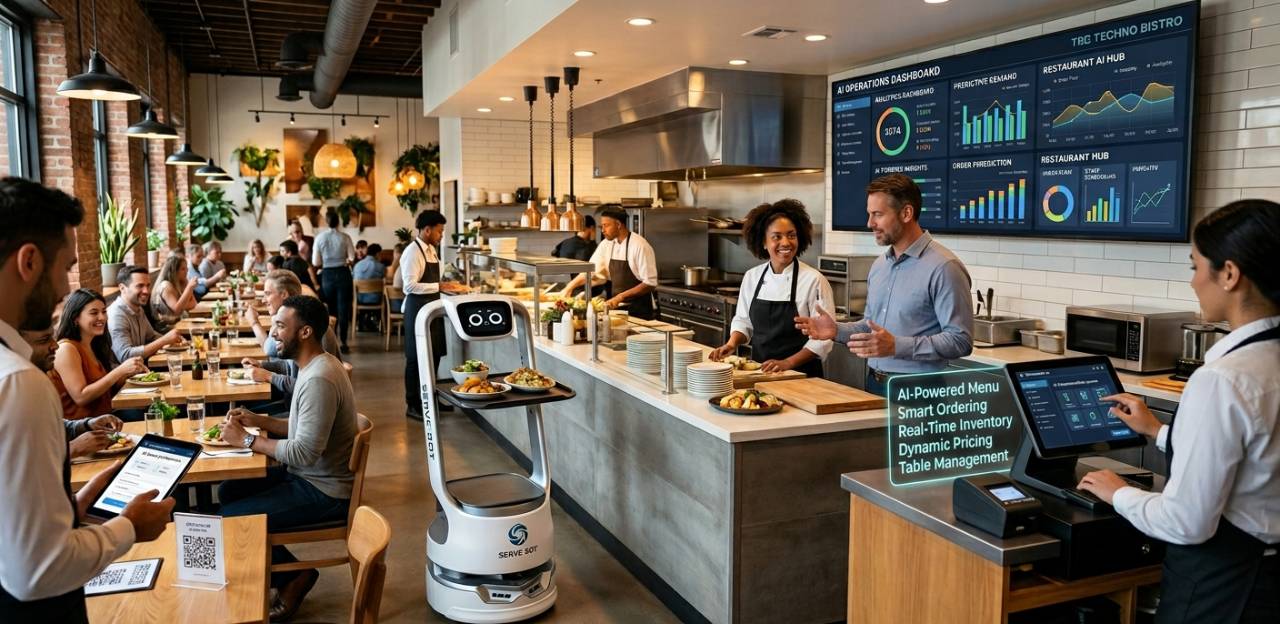
AI Playbook for Restaurant Owners
This AI playbook covers restaurant tools for voice ordering, staffing, compliance, menu pricing, inventory, marketing, ChatGPT prompts, and SEO.
tech
May 15, 2026
This AI playbook covers restaurant tools for voice ordering, staffing, compliance, menu pricing, inventory, marketing, ChatGPT prompts, and SEO.
May 15, 2026
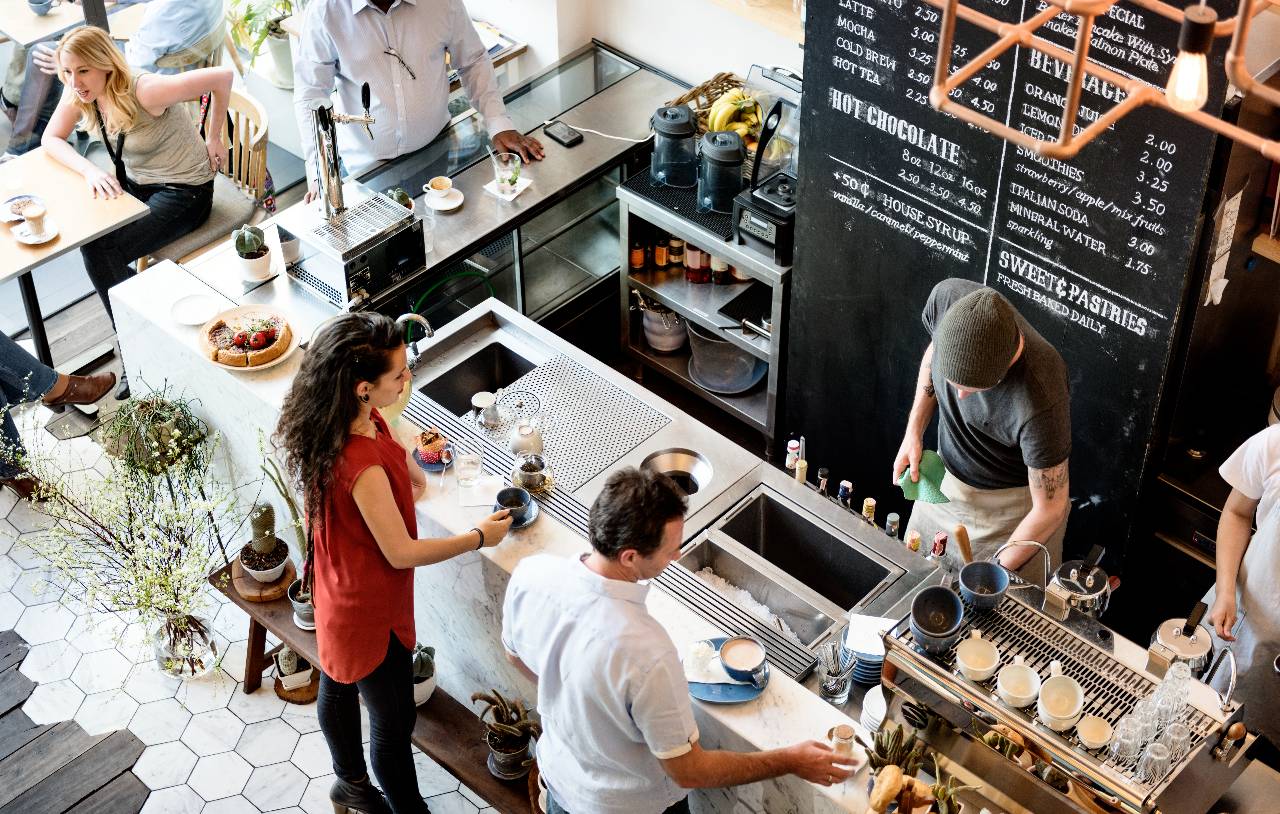
Opening a coffee shop in 2026 requires careful cost planning across rent, equipment, labor, technology, menu strategy, marketing, and sustainability.
May 15, 2026
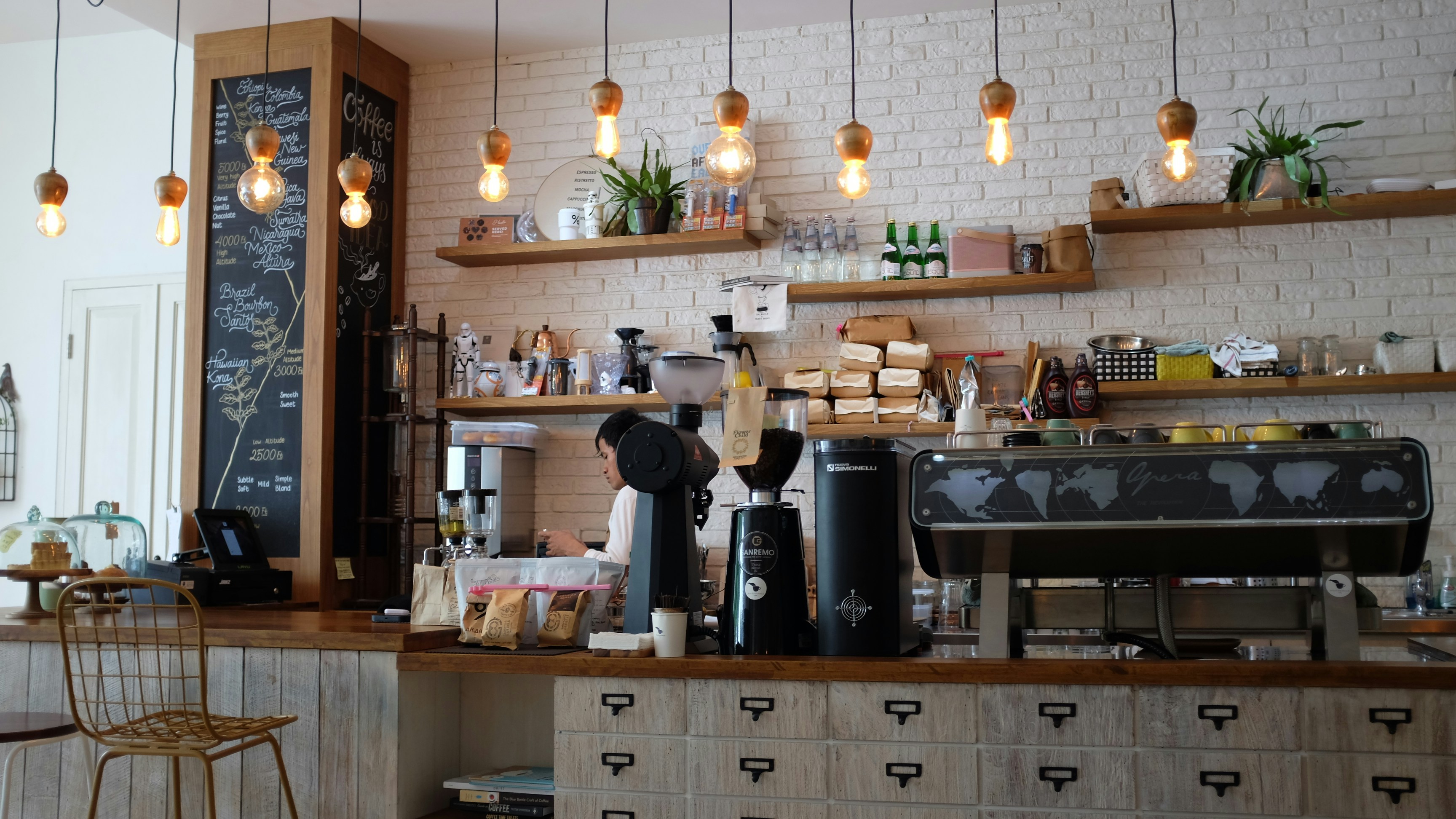
Hardee’s giant Boddie-Noell inks 31-unit Scooter’s Coffee deal for NC and VA, leveraging drive-thru growth and local roots with rollout over 12–18 months.
May 15, 2026
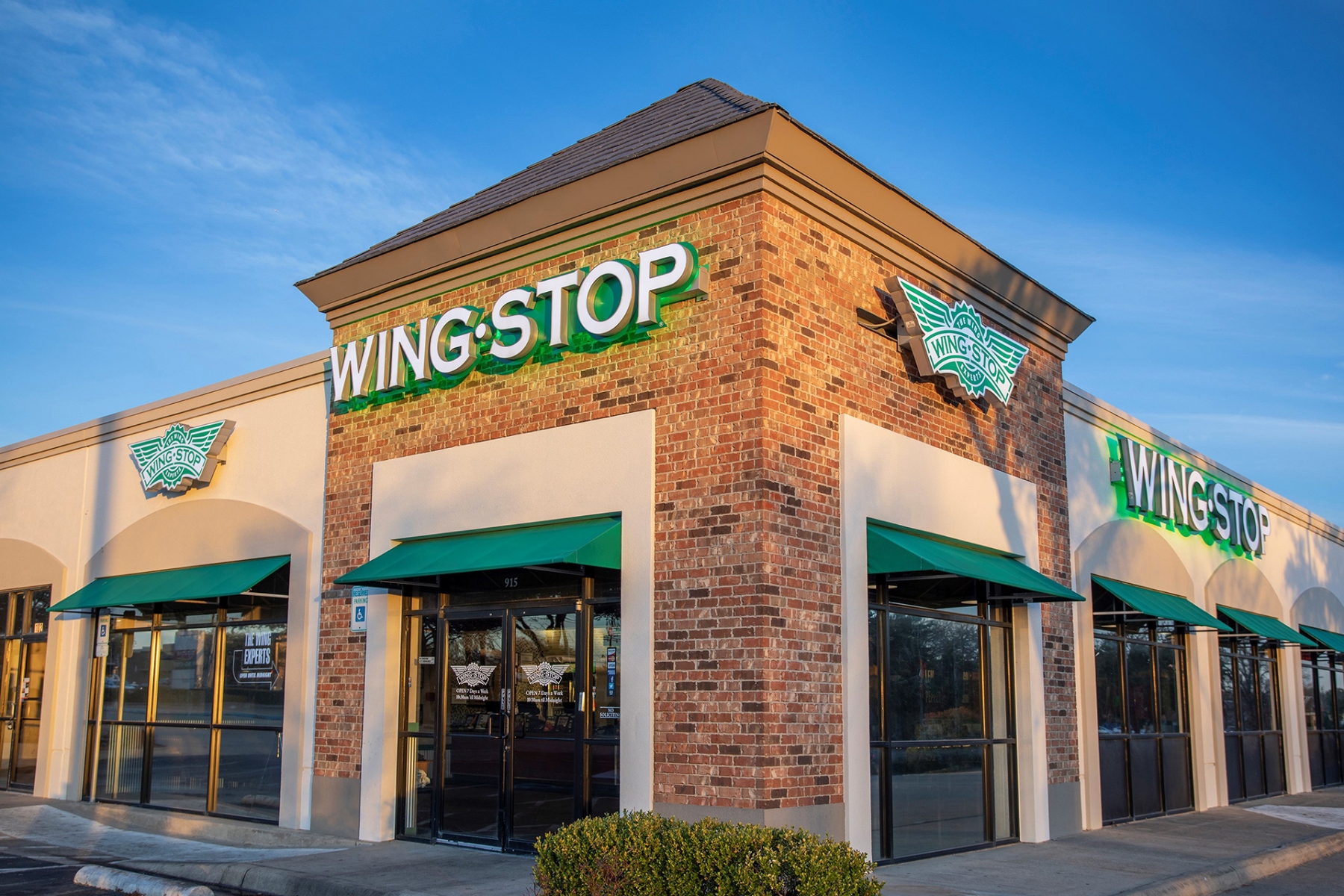
Wingstop turns match weeks into a multi-sensory festival, aligning bold pop-ups with World Cup energy to build brand affinity and measurable momentum.
May 15, 2026
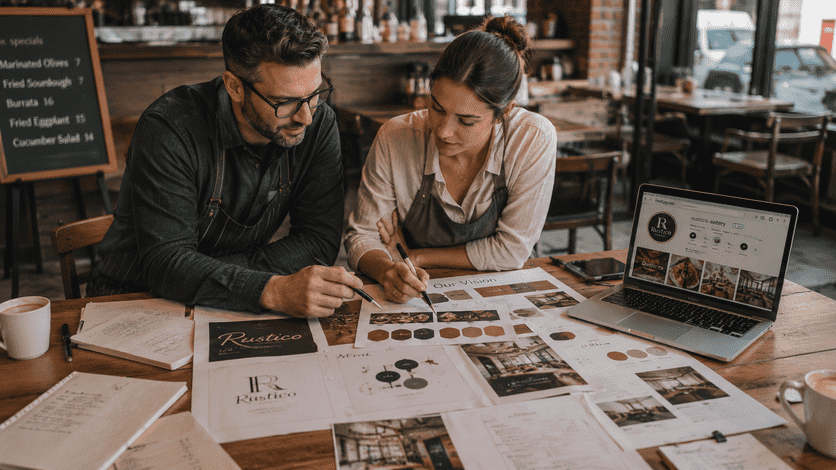
Learn how to develop a memorable restaurant brand identity that stands out in a crowded market, attracts loyal customers, and drives repeat business with actionable strategies and affordable tools.
May 15, 2026
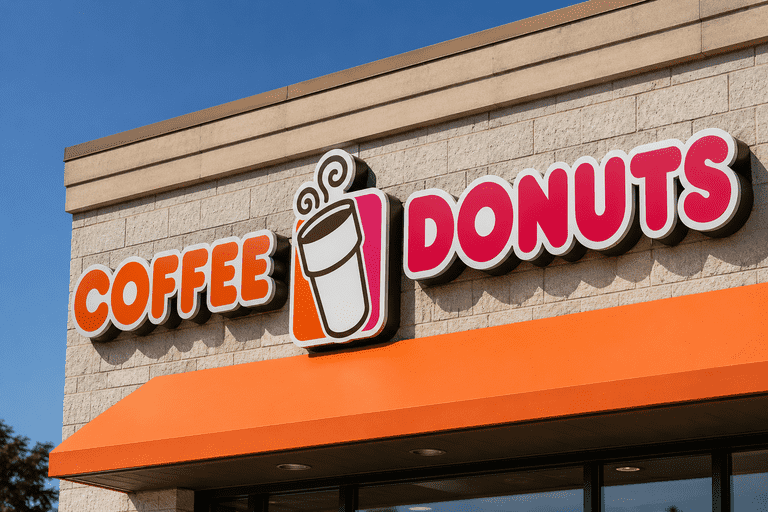
The parent company behind Dunkin', Buffalo Wild Wings, and Arby's has filed for an IPO a move that could reshape how Wall Street views the restaurant sector.
May 15, 2026
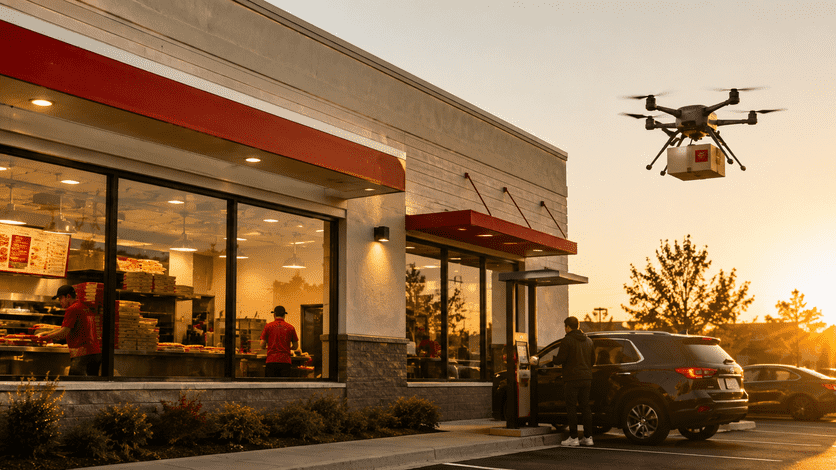
Papa Johns has teamed up with Alphabet's Wing for drone delivery of its new sandwich lineup in parts of Charlotte marking the first partnership of its kind between Wing and a national QSR brand.
May 15, 2026
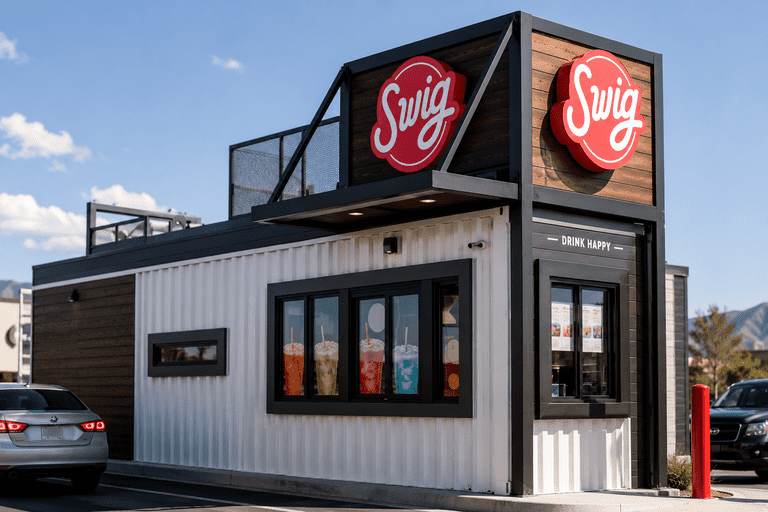
Dirty soda chain Swig is expanding into Colorado through a 10-unit franchise deal, riding a consumer beverage trend that's catching the attention of major QSR players nationwide.
May 15, 2026
A warm, expert-led look at McDonald’s Q1 results, menu makeover, and the refranchise question shaping its growth.
May 14, 2026
A reflective look at Habit Ranch, its immersive desert activation, and what it signals for brand loyalty and mindful, experiential dining.
May 14, 2026

Unlock Exclusive Access To Webinars, Events, And The Latest News For Free!
Explore the impact of corporate layoffs and the shift towards in-person work using Starbucks as a case study. Understand the changing dynamics of corporate structures and remote work policies.
.jpg)
Starbucks recently announced a significant reduction in its non-retail workforce, impacting at least 6.9% of its global employees in corporate support functions. The move is part of a strategic effort to streamline operations, enhance accountability, and foster agility within the organization. By eliminating layers and duplication, Starbucks aims to create smaller, more efficient teams that can adapt swiftly to market demands.
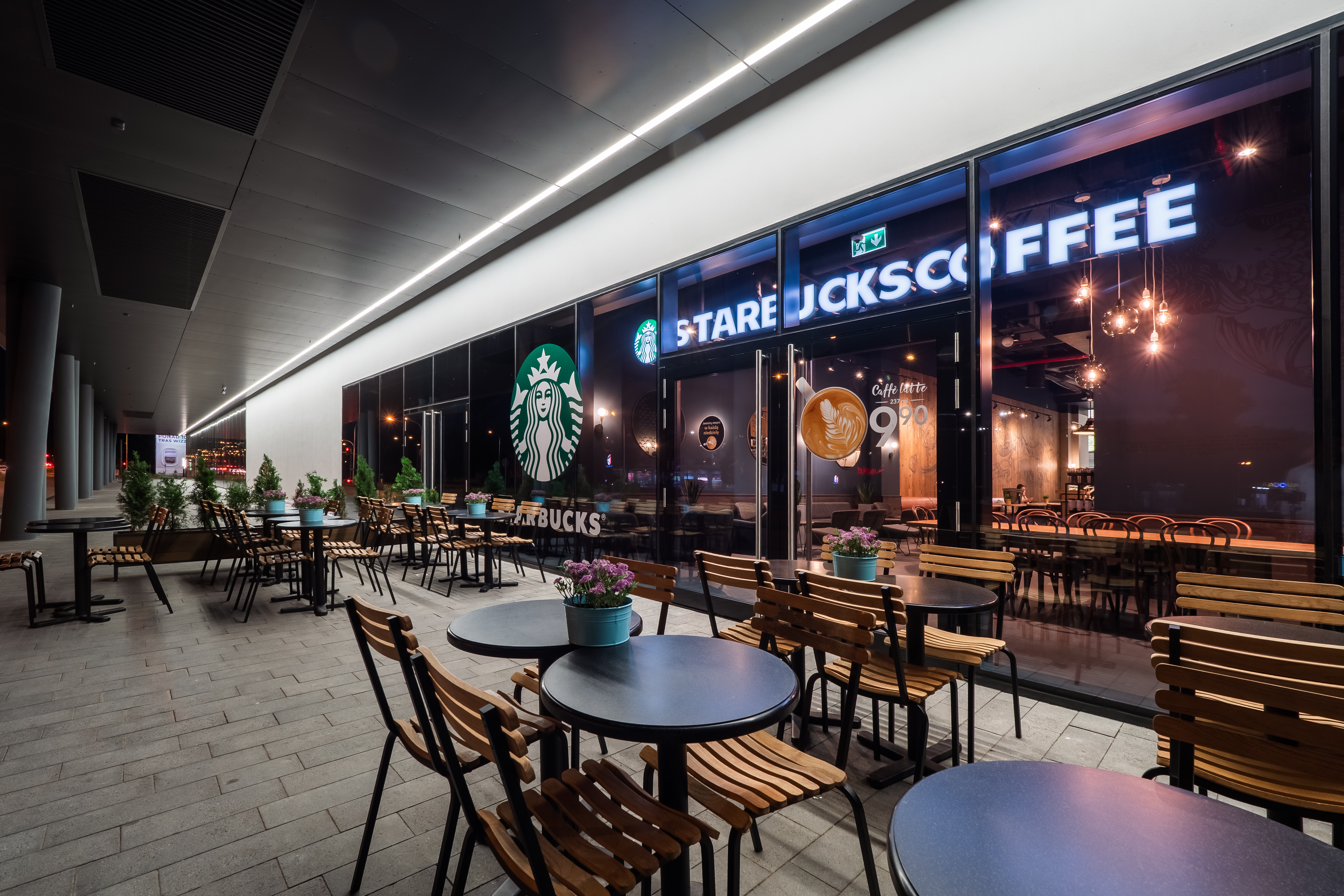
While the exact breakdown of how many corporate support employees are affected remains undisclosed, it is evident that a sizable portion of Starbucks' non-retail workforce is experiencing these job cuts. Fortunately, the approximately 345,000 hourly retail workers worldwide have been spared from these layoffs, emphasizing the company's commitment to maintaining its frontline staff. This strategic move aims to realign resources to prioritize essential roles that align with Starbucks' revised support structure.
In a notable shift towards in-person work, Starbucks has mandated that North American executives at the vice president level or higher must be physically present in the office in Seattle or Toronto at least three times a week. This requirement, while not altering the existing remote work policies for other staff levels, signifies a renewed emphasis on personal interaction and collaboration within leadership ranks. Starbucks' decision reflects a broader trend in the industry towards reestablishing physical office presence and fostering direct communication channels.

Amidst the current climate of remote work adaptations, Starbucks' approach to balancing in-person and remote work serves as a case study for other organizations. By emphasizing the significance of face-to-face interactions for key leadership roles, Starbucks aims to strike a balance that optimizes operational efficiency and team dynamics. The increased focus on in-person work for certain positions underscores the evolving nature of workplace dynamics and the importance of personal connections in driving organizational success.
Starbucks' restructuring efforts and the move towards in-person work come at a time when multiple companies in the restaurant industry are restructuring and reevaluating their remote work policies. Brands like Bloomin' Brands, Denny’s, Dine Brands, and Yum Brands have all experienced layoffs or office relocations, signaling a broader trend away from remote work and towards increased in-person collaboration. These shifts highlight the delicate balance between remote flexibility and the benefits of in-person engagement in achieving organizational goals.