AI Playbook for Restaurant Owners
This AI playbook covers restaurant tools for voice ordering, staffing, compliance, menu pricing, inventory, marketing, ChatGPT prompts, and SEO.
tech
May 15, 2026
This AI playbook covers restaurant tools for voice ordering, staffing, compliance, menu pricing, inventory, marketing, ChatGPT prompts, and SEO.
May 15, 2026

Opening a coffee shop in 2026 requires careful cost planning across rent, equipment, labor, technology, menu strategy, marketing, and sustainability.
May 15, 2026

Hardee’s giant Boddie-Noell inks 31-unit Scooter’s Coffee deal for NC and VA, leveraging drive-thru growth and local roots with rollout over 12–18 months.
May 15, 2026

Wingstop turns match weeks into a multi-sensory festival, aligning bold pop-ups with World Cup energy to build brand affinity and measurable momentum.
May 15, 2026

Learn how to develop a memorable restaurant brand identity that stands out in a crowded market, attracts loyal customers, and drives repeat business with actionable strategies and affordable tools.
May 15, 2026

The parent company behind Dunkin', Buffalo Wild Wings, and Arby's has filed for an IPO a move that could reshape how Wall Street views the restaurant sector.
May 15, 2026

Papa Johns has teamed up with Alphabet's Wing for drone delivery of its new sandwich lineup in parts of Charlotte marking the first partnership of its kind between Wing and a national QSR brand.
May 15, 2026

Dirty soda chain Swig is expanding into Colorado through a 10-unit franchise deal, riding a consumer beverage trend that's catching the attention of major QSR players nationwide.
May 15, 2026

A warm, expert-led look at McDonald’s Q1 results, menu makeover, and the refranchise question shaping its growth.
May 14, 2026

A reflective look at Habit Ranch, its immersive desert activation, and what it signals for brand loyalty and mindful, experiential dining.
May 14, 2026

Unlock Exclusive Access To Webinars, Events, And The Latest News For Free!
Explore the complex challenges impacting restaurants from both supply and demand sides. Learn about the effects of tariffs, labor costs, and consumer behavior on the industry.
Photo by Austin Distel
Photo by Austin Distel
Restaurants are currently grappling with a multitude of challenges on the supply side, with tariffs playing a significant role in cost pressures. The impact of tariffs varies, particularly as trade policies evolve on a country-by-country basis. Full-service operators are particularly vulnerable to the effects of trade barriers, affecting their overall operations and profitability.
Photo by Austin Distel
The imposition of tariffs poses a direct threat to restaurants, influencing their supply chain and pricing strategies. The fluctuating nature of tariffs under changing governmental policies adds another layer of uncertainty for business owners. The ultimate consequence of tariffs depends on each restaurant's food basket exposure and the composition of their workforce.
Apart from tariffs, labor costs emerge as another critical supply-side pressure for restaurants. Recent reports highlight that deportations and immigration restrictions could lead to worker shortages, production delays, and increased wage inflation. These factors not only hinder revenue growth but also impact profitability and return on investment for restaurant businesses.
In the restaurant industry, food and labor costs collectively make up a substantial portion of overall expenses, each accounting for roughly a third of total costs. The simultaneous inflationary pressures on both these fronts, coupled with economic challenges and slowing consumer spending, present a significant risk to the sector. This delicate balance is crucial for sustainable operations.
Photo by Austin Distel
Despite the cost pressures faced by restaurants, they have limited flexibility in adjusting pricing to counter input cost shocks. High consumer price sensitivity and intense market competition restrict the ability to pass on increased costs to customers easily. This situation compels restaurants to strategize and innovate to maintain profitability.
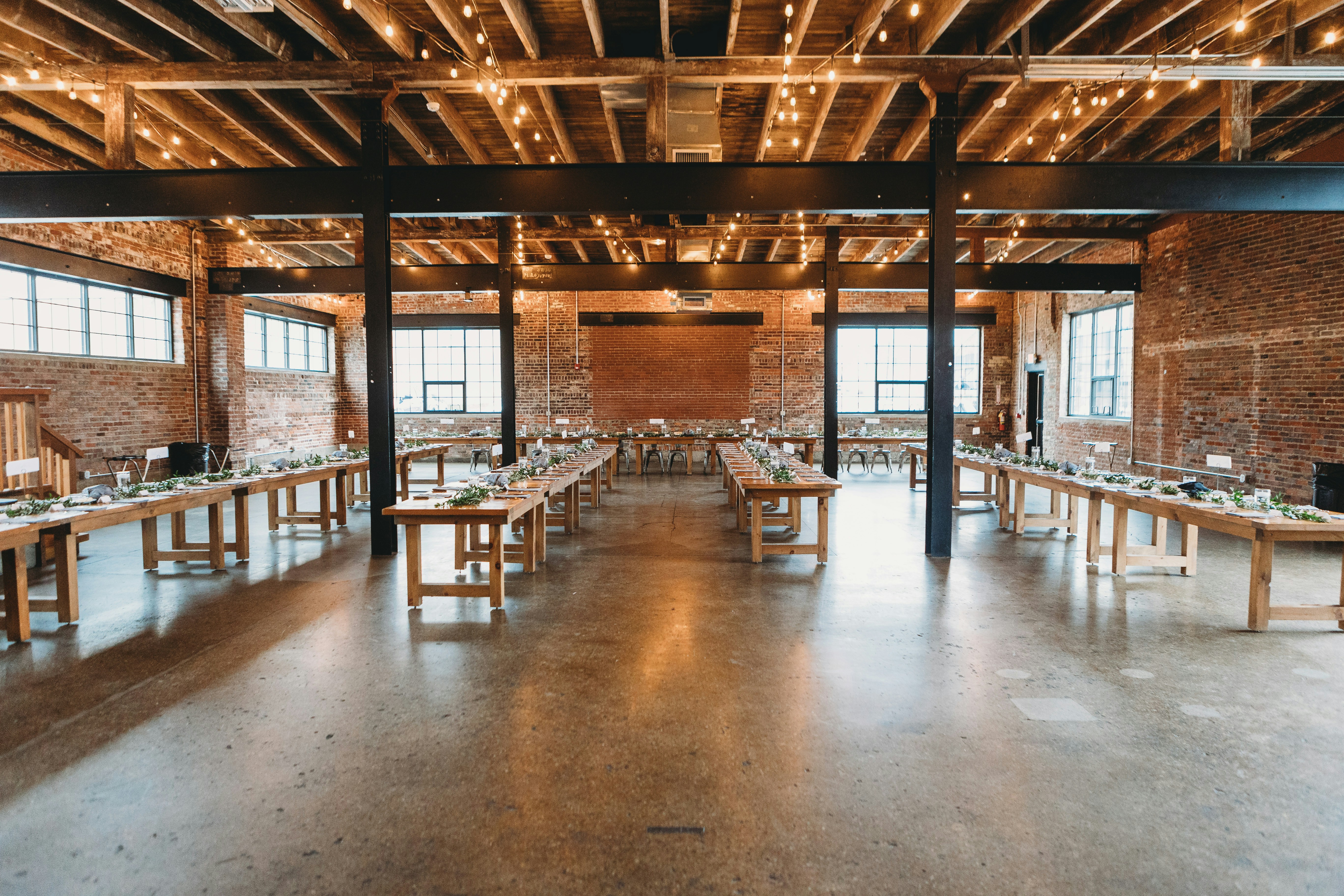
Photo by Austin Distel
On the demand side, restaurants are confronting challenges stemming from weakening consumer confidence and reduced discretionary spending. The shift in consumer behavior towards more cautious spending habits directly impacts restaurant revenue and foot traffic. Navigating these demand-side pressures requires adaptability and tailored approaches to meet evolving consumer needs.
Photo by Austin Distel
Industry forecasts align with the current market trends, as evidenced by the performance of key brands such as McDonald’s, Sweetgreen, Dine Brands, and Wendy's. Research conducted by organizations like KPMG indicates a projected decrease in consumer spending at restaurants compared to previous periods. Understanding these forecasts is essential for restaurants to proactively address challenges and seize opportunities in the market.