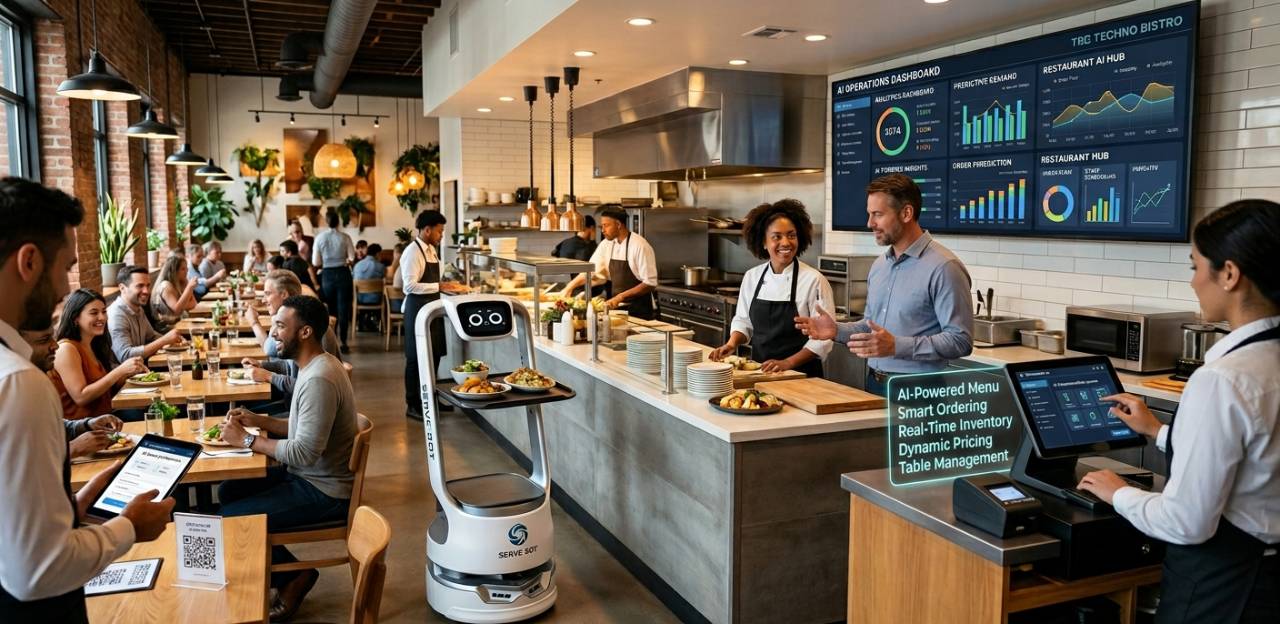
AI Playbook for Restaurant Owners
This AI playbook covers restaurant tools for voice ordering, staffing, compliance, menu pricing, inventory, marketing, ChatGPT prompts, and SEO.
tech
May 15, 2026
This AI playbook covers restaurant tools for voice ordering, staffing, compliance, menu pricing, inventory, marketing, ChatGPT prompts, and SEO.
May 15, 2026
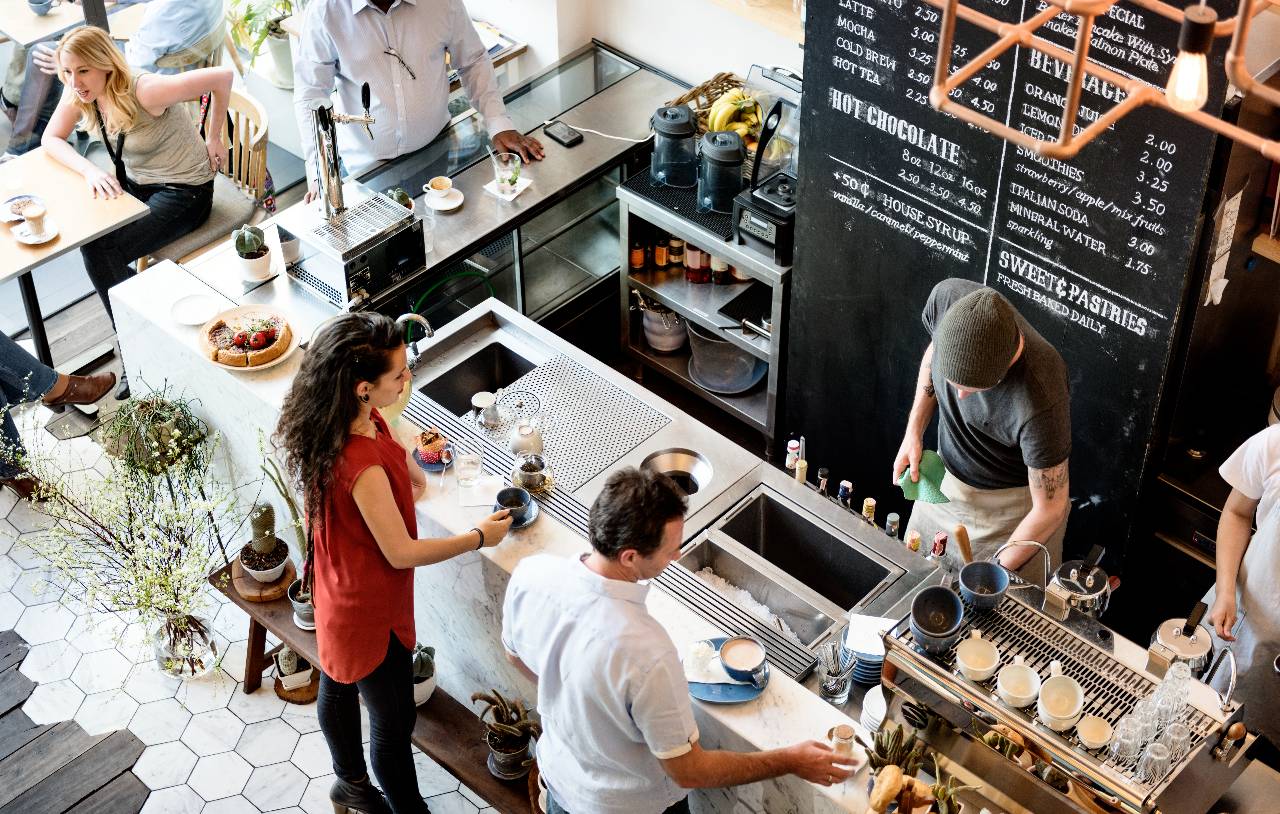
Opening a coffee shop in 2026 requires careful cost planning across rent, equipment, labor, technology, menu strategy, marketing, and sustainability.
May 15, 2026
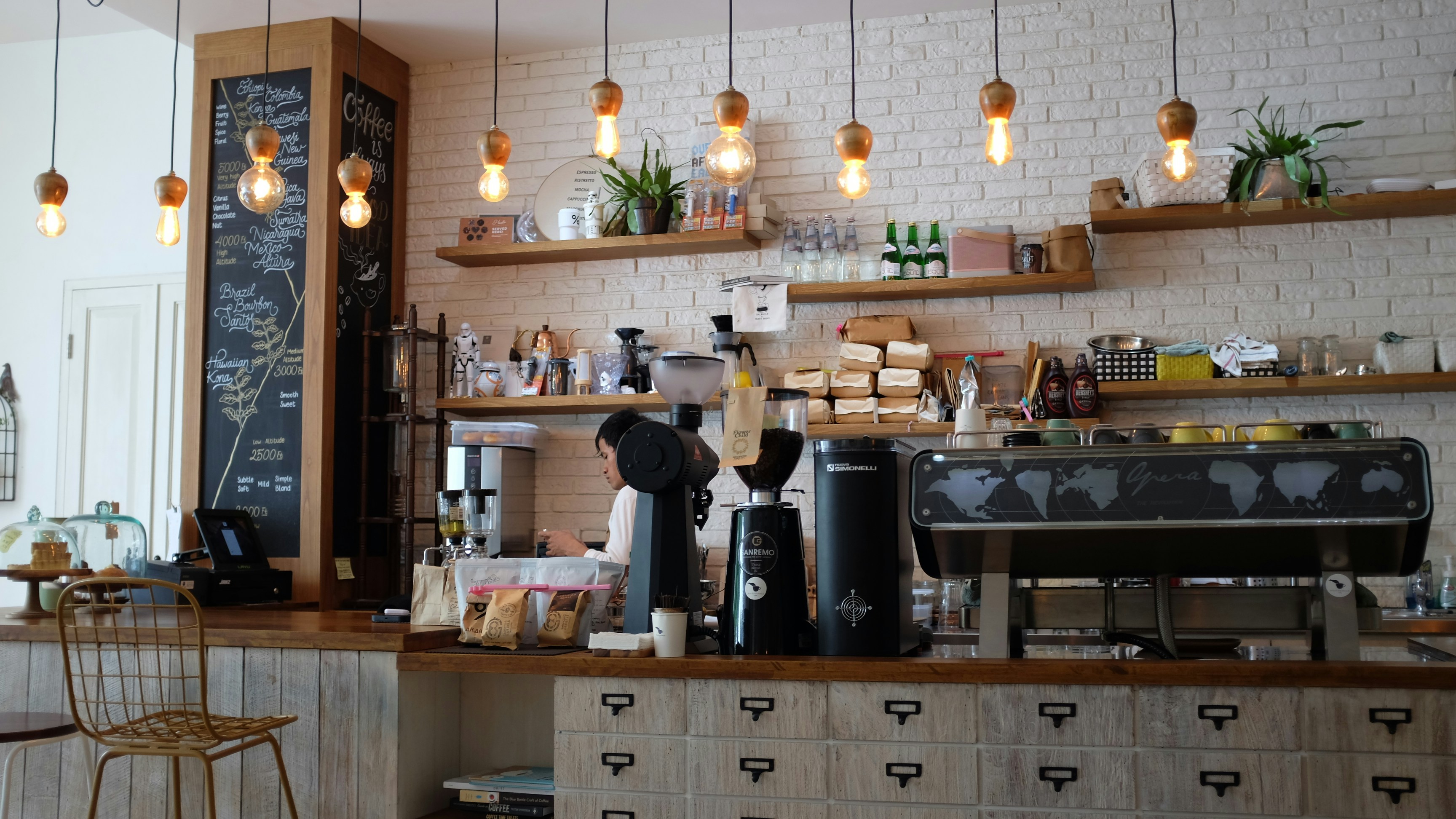
Hardee’s giant Boddie-Noell inks 31-unit Scooter’s Coffee deal for NC and VA, leveraging drive-thru growth and local roots with rollout over 12–18 months.
May 15, 2026
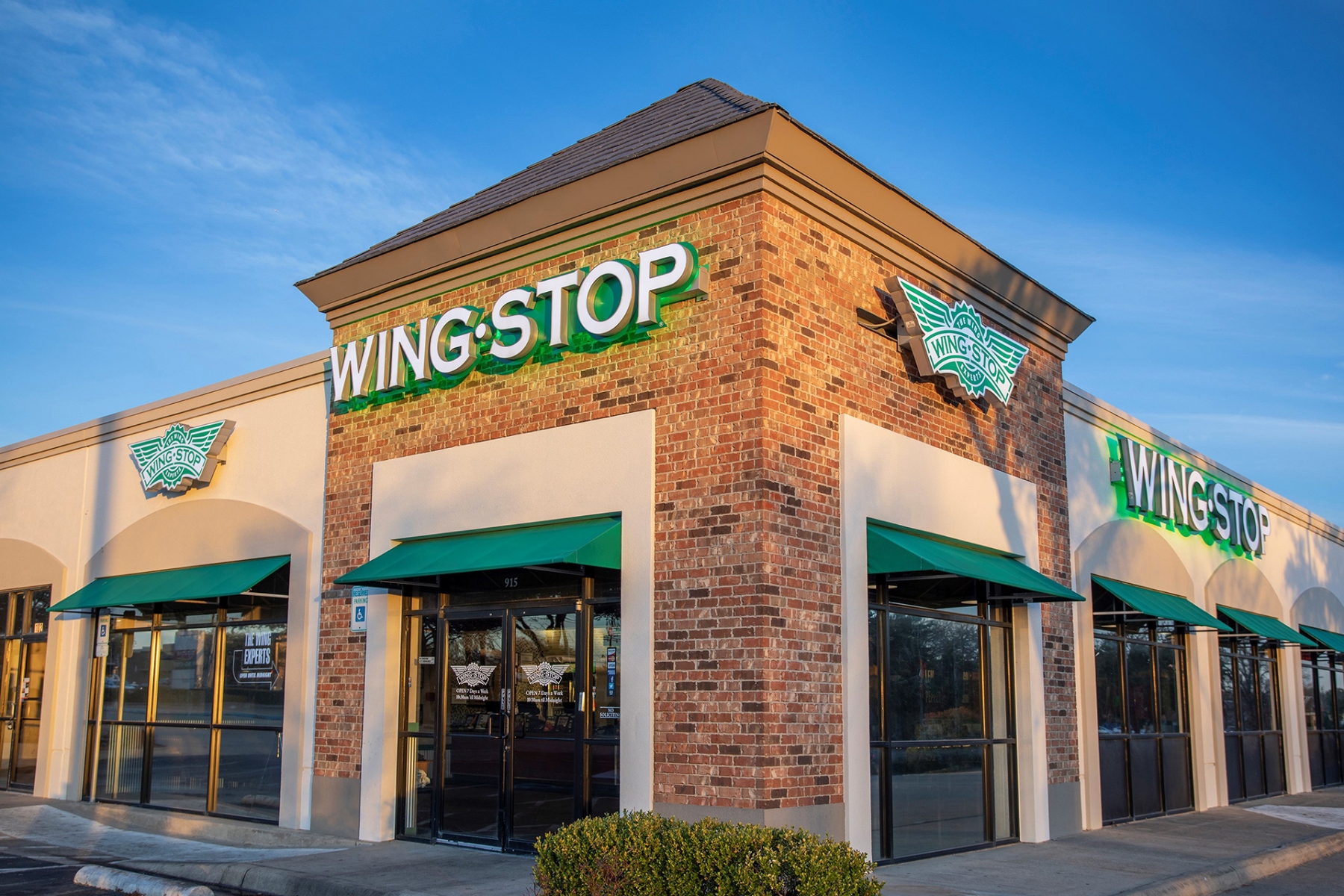
Wingstop turns match weeks into a multi-sensory festival, aligning bold pop-ups with World Cup energy to build brand affinity and measurable momentum.
May 15, 2026
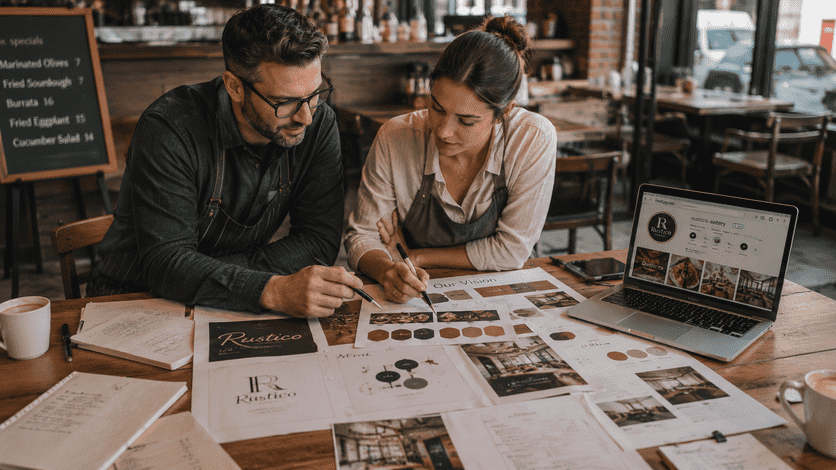
Learn how to develop a memorable restaurant brand identity that stands out in a crowded market, attracts loyal customers, and drives repeat business with actionable strategies and affordable tools.
May 15, 2026
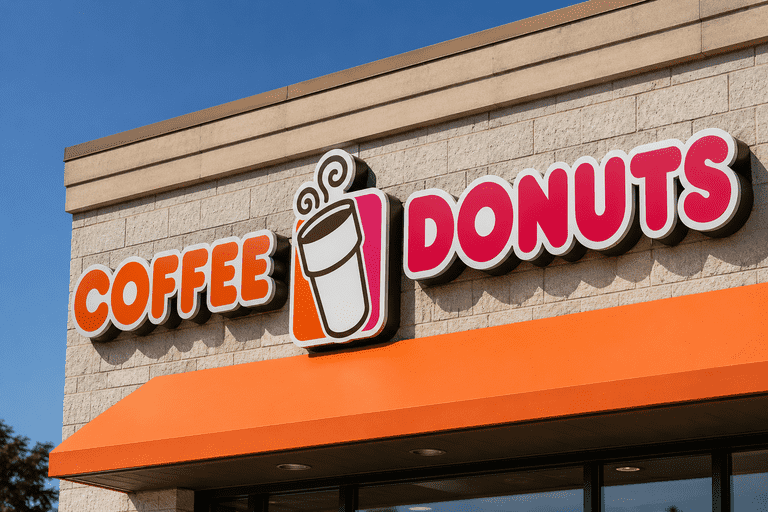
The parent company behind Dunkin', Buffalo Wild Wings, and Arby's has filed for an IPO a move that could reshape how Wall Street views the restaurant sector.
May 15, 2026
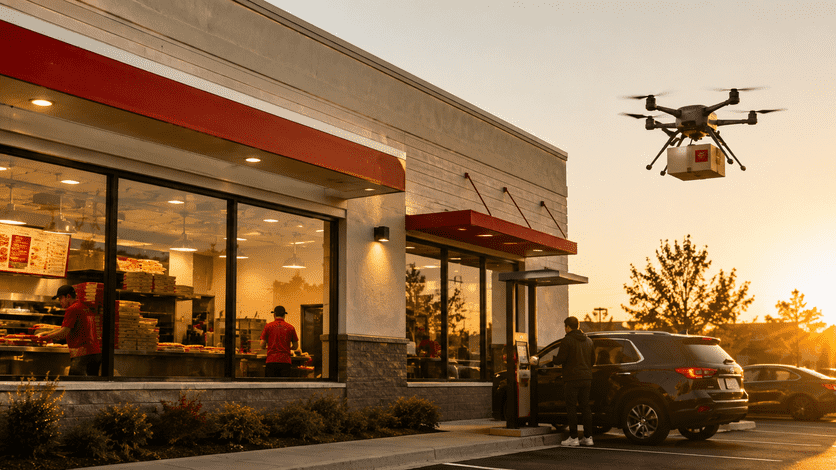
Papa Johns has teamed up with Alphabet's Wing for drone delivery of its new sandwich lineup in parts of Charlotte marking the first partnership of its kind between Wing and a national QSR brand.
May 15, 2026
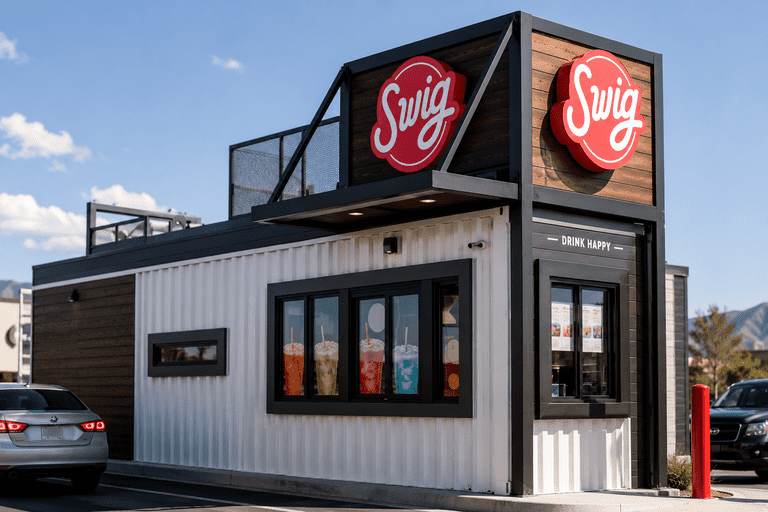
Dirty soda chain Swig is expanding into Colorado through a 10-unit franchise deal, riding a consumer beverage trend that's catching the attention of major QSR players nationwide.
May 15, 2026
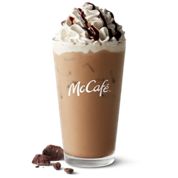
A warm, expert-led look at McDonald’s Q1 results, menu makeover, and the refranchise question shaping its growth.
May 14, 2026
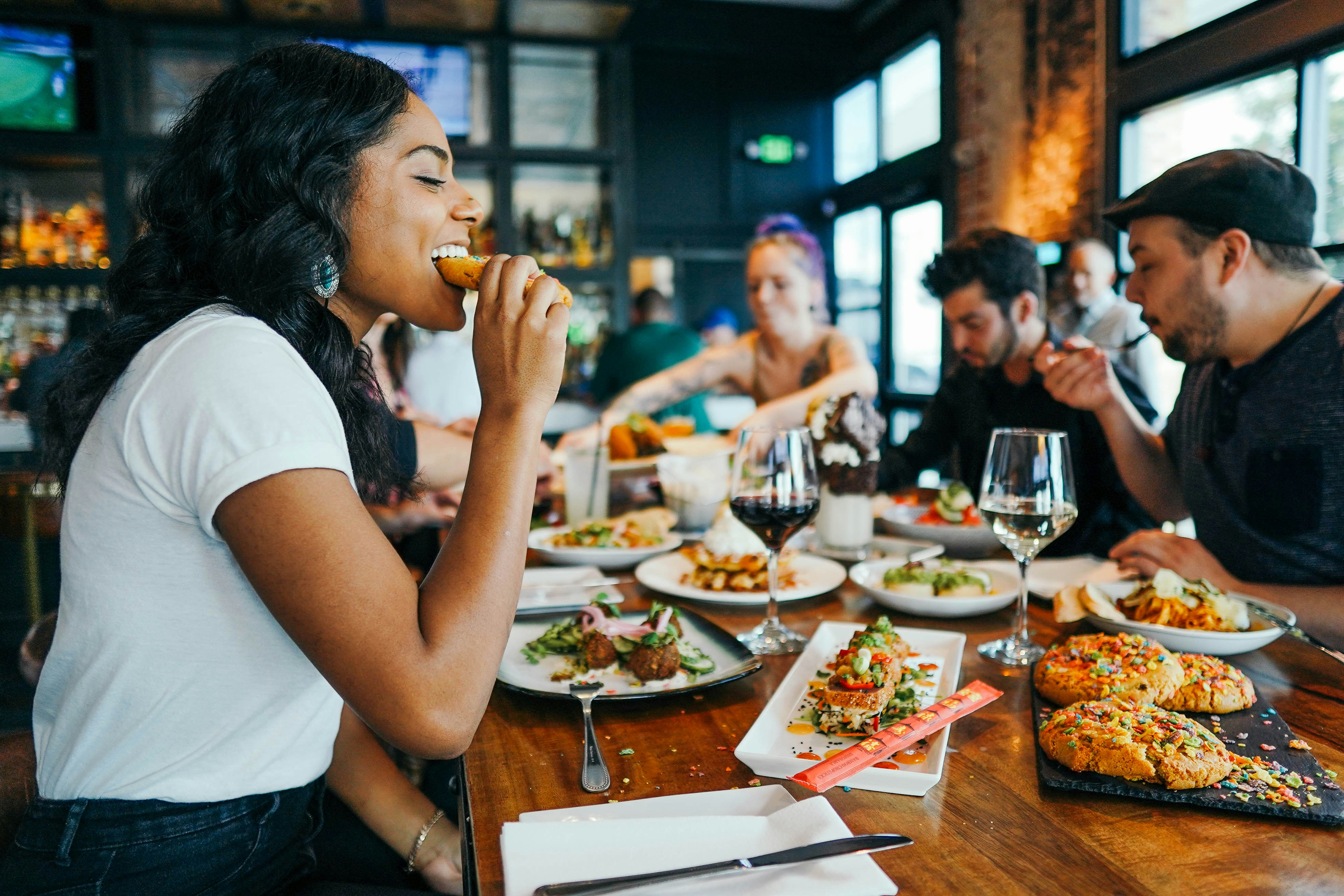
A reflective look at Habit Ranch, its immersive desert activation, and what it signals for brand loyalty and mindful, experiential dining.
May 14, 2026

Unlock Exclusive Access To Webinars, Events, And The Latest News For Free!
Explore how Starbucks is enhancing its operational strategies, addressing employee concerns, and adapting to changing customer preferences.
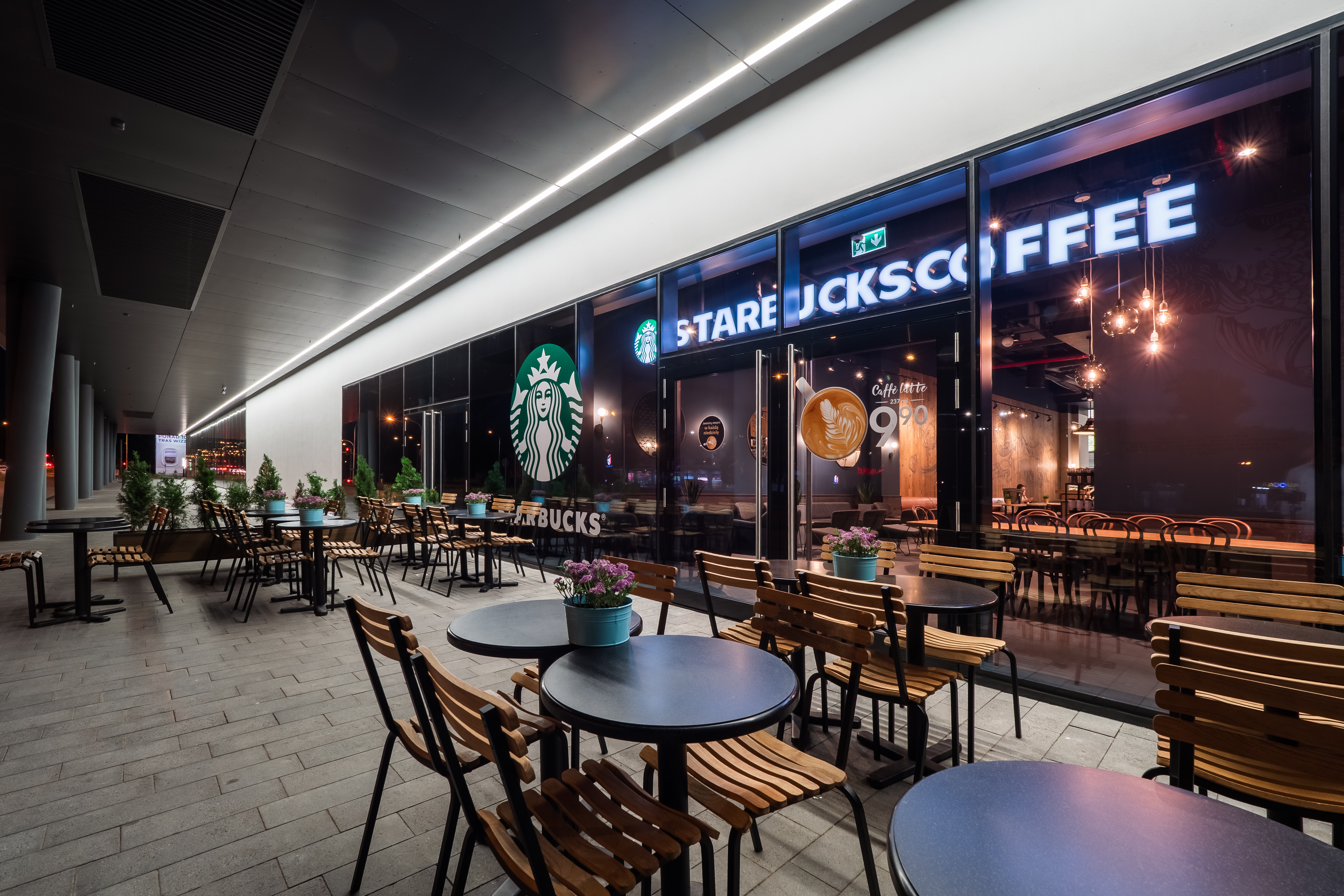
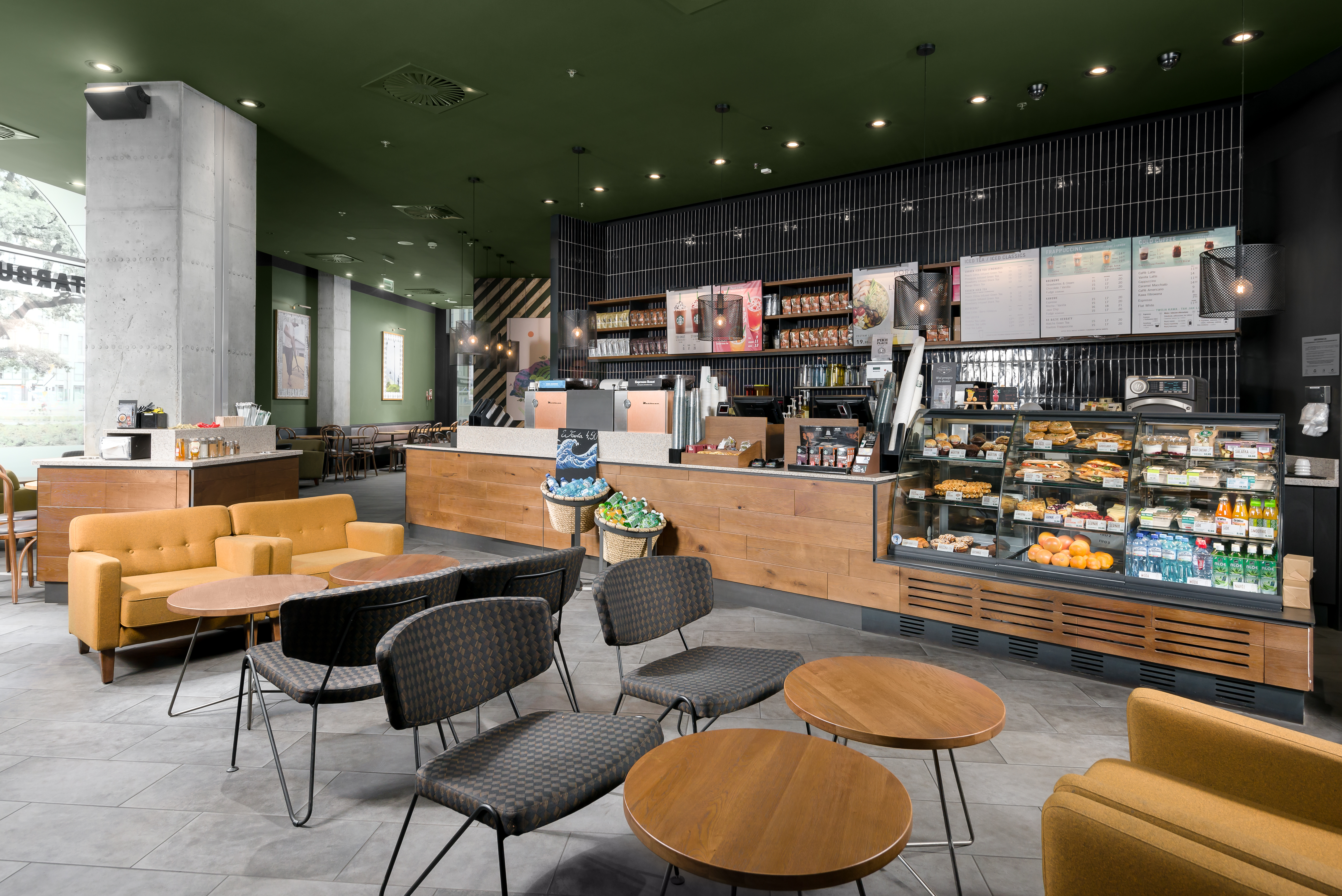
Starbucks, under the leadership of CEO Brian Niccol, is undergoing a significant operational transformation aimed at reviving its brand's coffeehouse image. With a focus on enhancing the in-store experience, Starbucks is introducing innovative changes to its coffeehouses. These enhancements include expanded seating options, power outlets, abundant food displays, and dedicated pickup shelves to streamline customer interactions.
Acknowledging the importance of its employees, Starbucks has implemented several initiatives to improve staff welfare. This includes doubling parental leave, increasing working hours at select cafes, and emphasizing internal promotions for managers. Despite these efforts, concerns have been raised regarding the disparity in compensation between top executives and frontline staff.
.jpg)
The emergence of unionization efforts, exemplified by Starbucks Workers United, sheds light on the intersecting issues of worker representation and brand revival. Jasmine Leli's insights from a unionized store in Buffalo highlight operational challenges faced by employees. Staff concerns, such as understaffing during peak hours, underscore the need for a balanced approach to workforce management.
As Starbucks refines its menu offerings and operational procedures, challenges arise from evolving customer preferences and social media trends. The elimination of certain drinks to make room for new innovations like the Cortado has inadvertently led to complex order customizations, impacting operational efficiency and customer experience.
The disparity in compensation between executives and frontline workers at Starbucks has sparked conversations about fair labor practices. With CEO compensation exceeding thousands of times that of the median worker, there is a growing call for equitable wages and enhanced investment in the workforce to align with the company's values.

As Starbucks navigates its turnaround program and strives for sustainable growth, the harmonization of operational excellence with employee welfare remains pivotal. Bridging the gap between management decisions, workforce concerns, and customer expectations is crucial for Starbucks to maintain its position as a leader in the coffee industry.