Photo by Joshua Rodriguez on Unsplash
Starbucks Expands Clean-Energy Push
Starbucks accelerates sustainability with cups, EV chargers, and Illinois solar projects, weaving renewables into daily operations and community life.
News
Apr 19, 2026
Photo by Joshua Rodriguez on Unsplash
Starbucks accelerates sustainability with cups, EV chargers, and Illinois solar projects, weaving renewables into daily operations and community life.
Apr 19, 2026
A profile of Angry Chickz’s bold heat, culture-led growth, and disciplined franchise model expanding from California to Texas and Arizona.
Apr 18, 2026

Photo by Maria Orlova on Unsplash
NRN's Investment Summit connects emerging restaurant brands with investors in Nashville, blending education, pitches, and deal-making to accelerate growth.
Apr 18, 2026

RaceTrac acquires Potbelly to accelerate a franchising-led expansion, backed by new leadership and an expanded development playbook.
Apr 18, 2026

Photo by Adrien Olichon on Unsplash
Chili’s brings back Ziosk for pay-at-table, loyalty, and AI insights across 1,100+ locations, signaling a thoughtful, guest-focused digital restart.
Apr 18, 2026
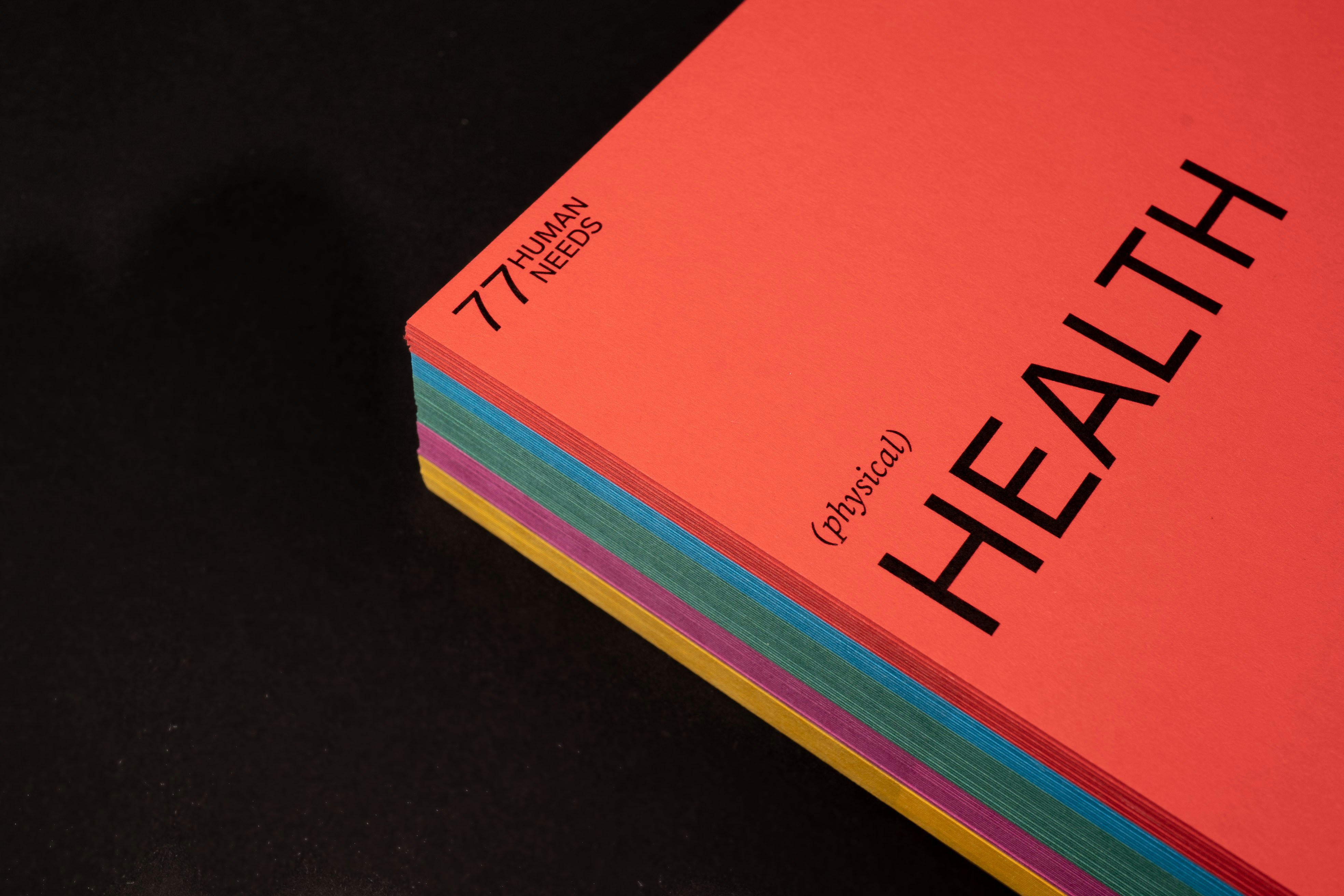
Photo by The 77 Human Needs System on Unsplash
Scottsdale welcomes a compact, all-day market from True Food Kitchen blending wellness-forward meals with grab-and-go convenience, signaling broader growth into market formats.
Apr 18, 2026
The Melting Pot blends modernization with conversions to grow, inviting brighter guest experiences while honoring its fondue heritage.
Apr 18, 2026

Photo by Matt Benson on Unsplash
South Block grows along the East Coast with Savory Fund, preserving neighborhood-first ethos and people-on-the-block philosophy.
Apr 18, 2026

Photo by Julian Myles on Unsplash
California's 2024 PAGA reforms curb abuse and streamline workplace claims, balancing worker protections with clearer compliance guardrails for employers.
Apr 18, 2026
A thoughtful look at how fast-service restaurants are embedding safety into infrastructure through cameras, lighting, guards, and real-time communications.
Apr 17, 2026
Every year, more than 1.3 billion tons of food is wasted by consumers and the food industry. This means that 1/6 of all food produced for human consumption never makes it to a consumer's plate. As the world population increases, food scarcity is becoming more and more common as well. So how can we eliminate this waste? Here are some ideas for how to reduce your own contribution to food waste as well as how to fight against it on a global scale.
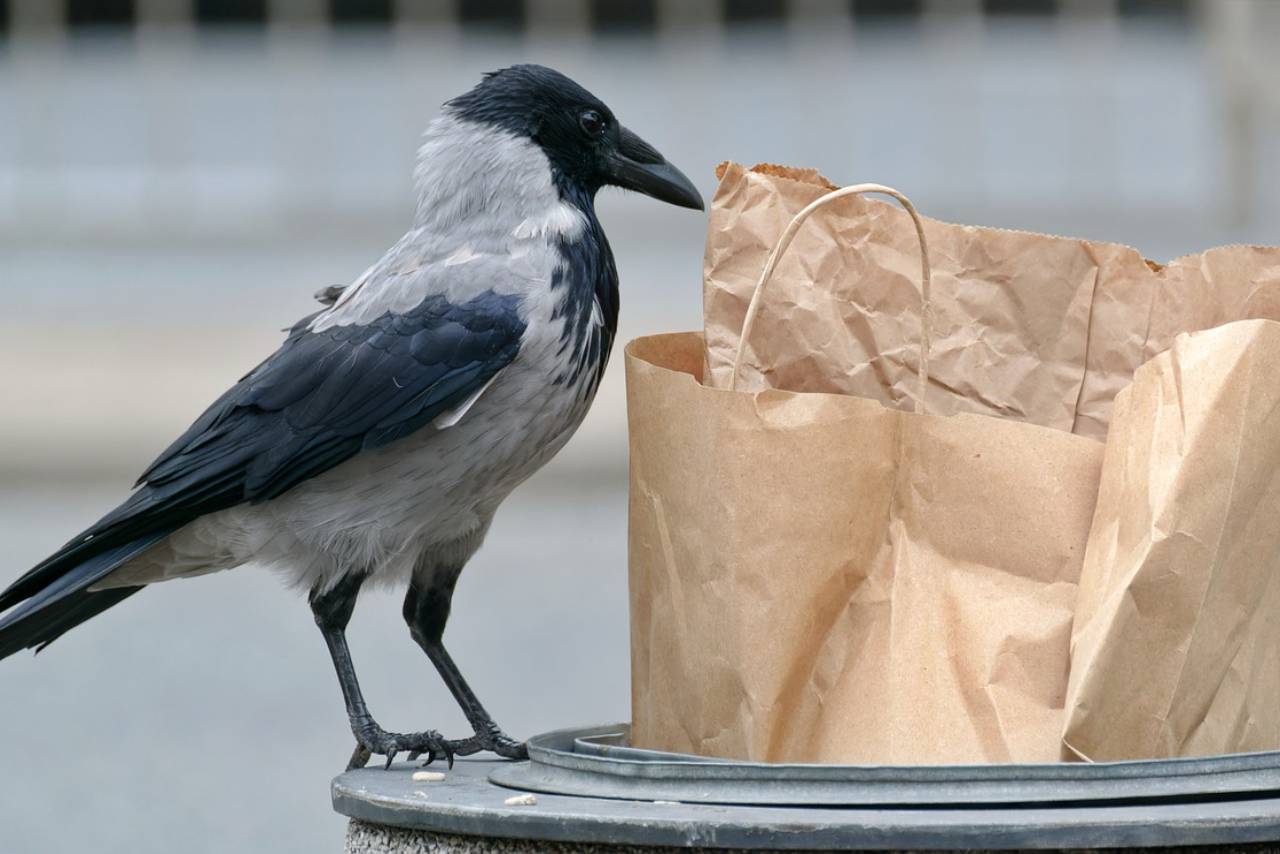
There are many causes of food waste. One of the most common is over-ordering, which happens when restaurants or other establishments over-produce and end up throwing away the excess. It's important for businesses to be mindful about how much food they order so that they don't end up wasting it. Another way that businesses contribute to food waste is by ordering more than what their customers can finish in one sitting. This often happens when you order an appetizer, like a bowl of soup, but only want a small amount - but there's no option for ordering less than what's recommended.
No matter how much you try to be conscious about your food consumption, there are always some sources of food waste. The first and most important step is to identify the sources of your food waste. Once you know where it comes from, you can take steps to eliminate that specific source.
to Fight Food Waste In 2015, the United Nations General Assembly committed to the Sustainable Development Goals (SDGs) for the year 2030. One of those goals is to reduce food waste by 50 percent by 2030. Although that goal is a long way away, there are some steps you can take today to start reducing your contribution to food waste.
The world wastes 1.3 billion tonnes of food a year. This means that, on average, each person in the world throws away a quarter of their food. This volume of waste is not only morally wrong, but it also has a huge environmental impact. The amount of energy, water and land used to produce this food is all wasted. Can you imagine all the hungry people in the world who could be fed if we didn't waste so much food? The good news is that there are things we can all do to help. And the first step is to understand how and why food gets wasted in the first place.