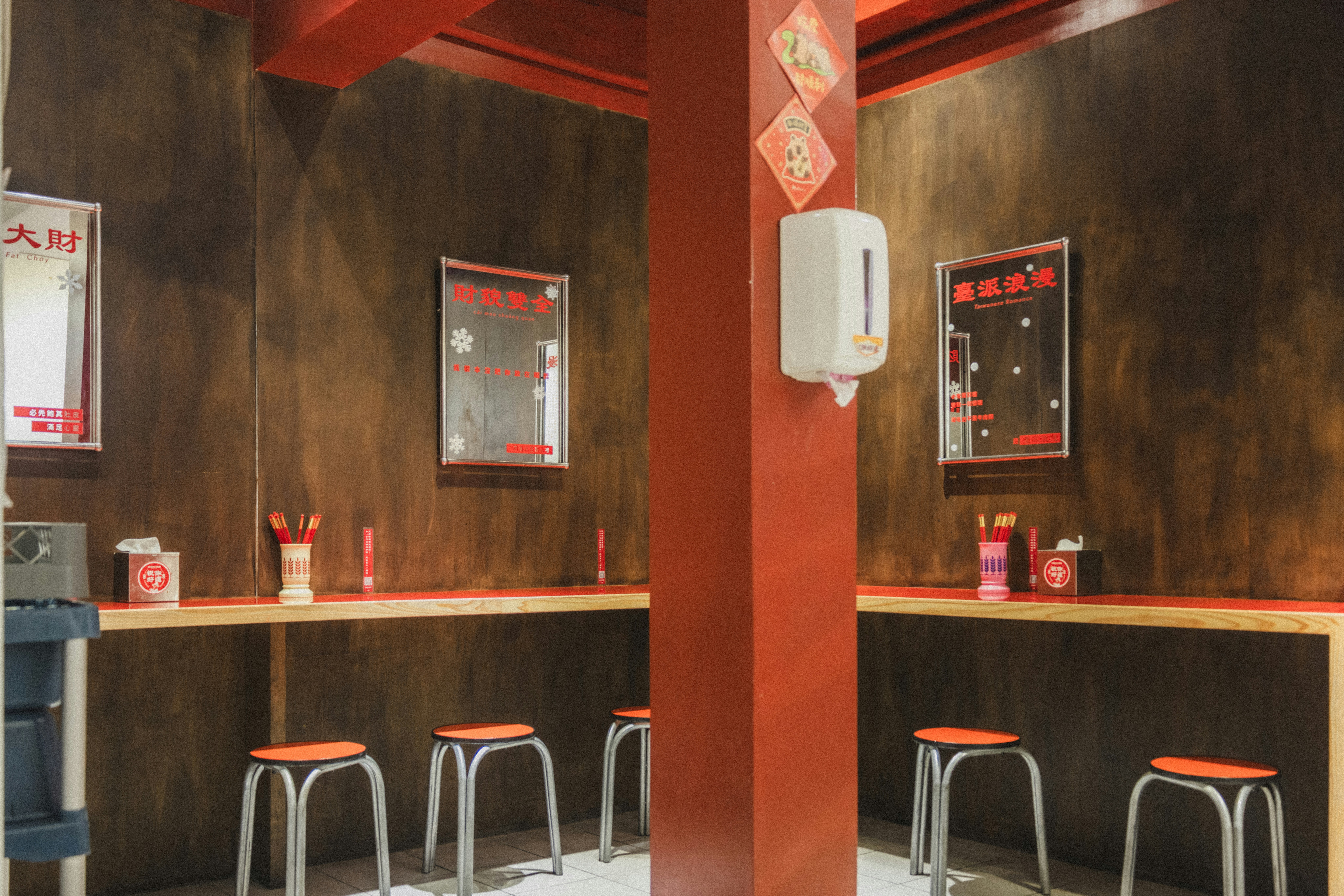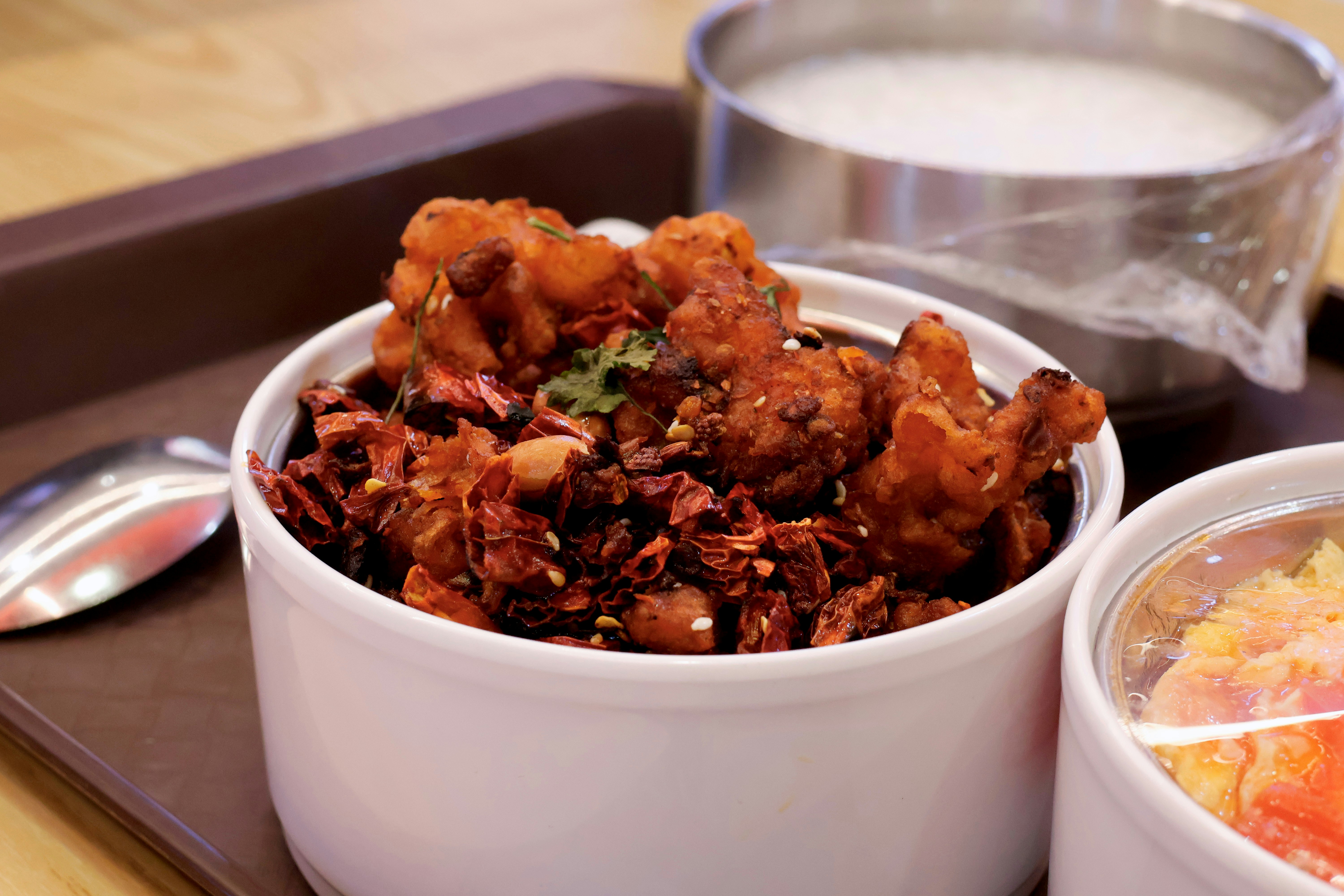
Heat-Driven Expansion: Angry Chickz
A profile of Angry Chickz’s bold heat, culture-led growth, and disciplined franchise model expanding from California to Texas and Arizona.
Franchising
Apr 18, 2026
A profile of Angry Chickz’s bold heat, culture-led growth, and disciplined franchise model expanding from California to Texas and Arizona.
Apr 18, 2026
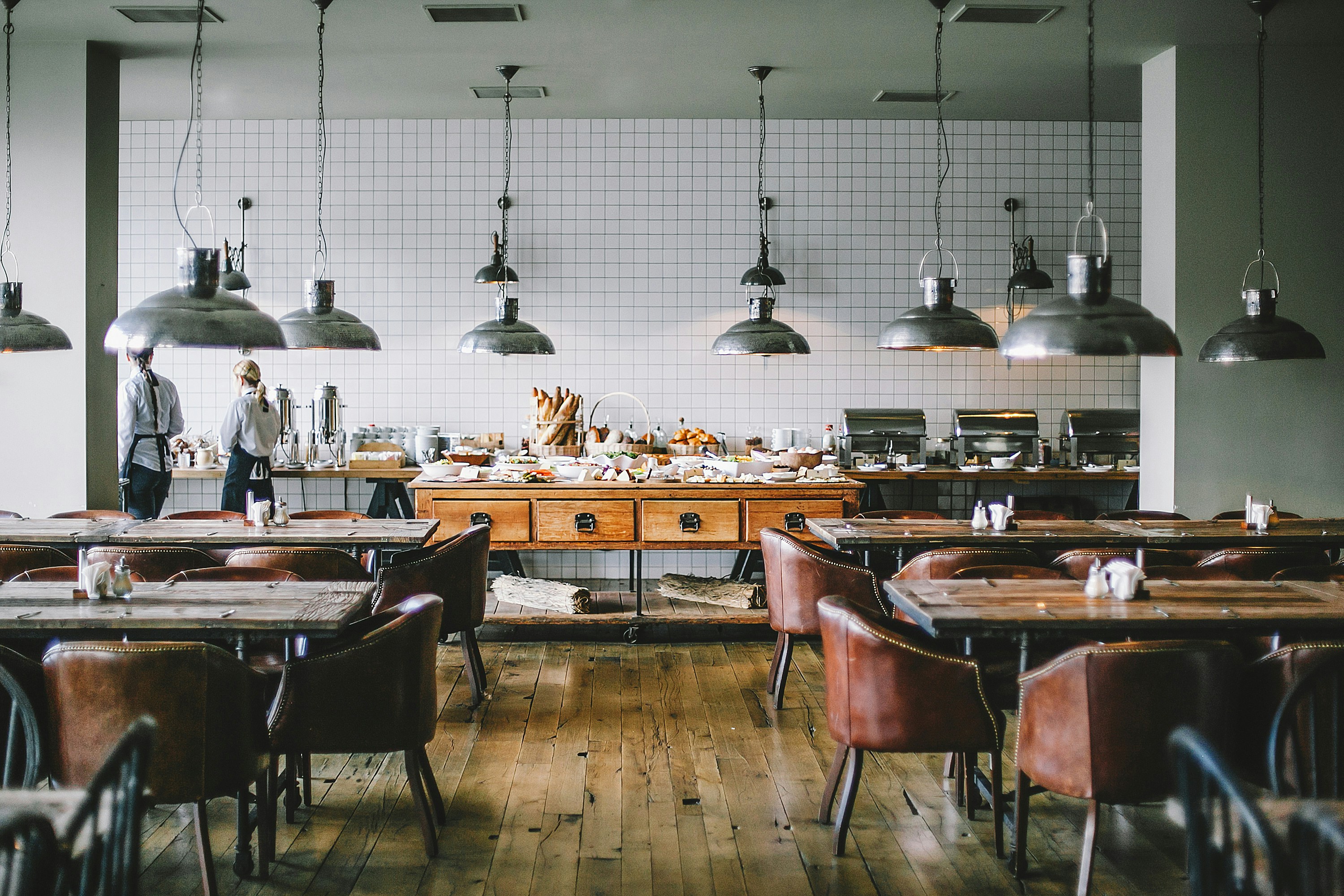
Photo by Maria Orlova on Unsplash
NRN's Investment Summit connects emerging restaurant brands with investors in Nashville, blending education, pitches, and deal-making to accelerate growth.
Apr 18, 2026
RaceTrac acquires Potbelly to accelerate a franchising-led expansion, backed by new leadership and an expanded development playbook.
Apr 18, 2026
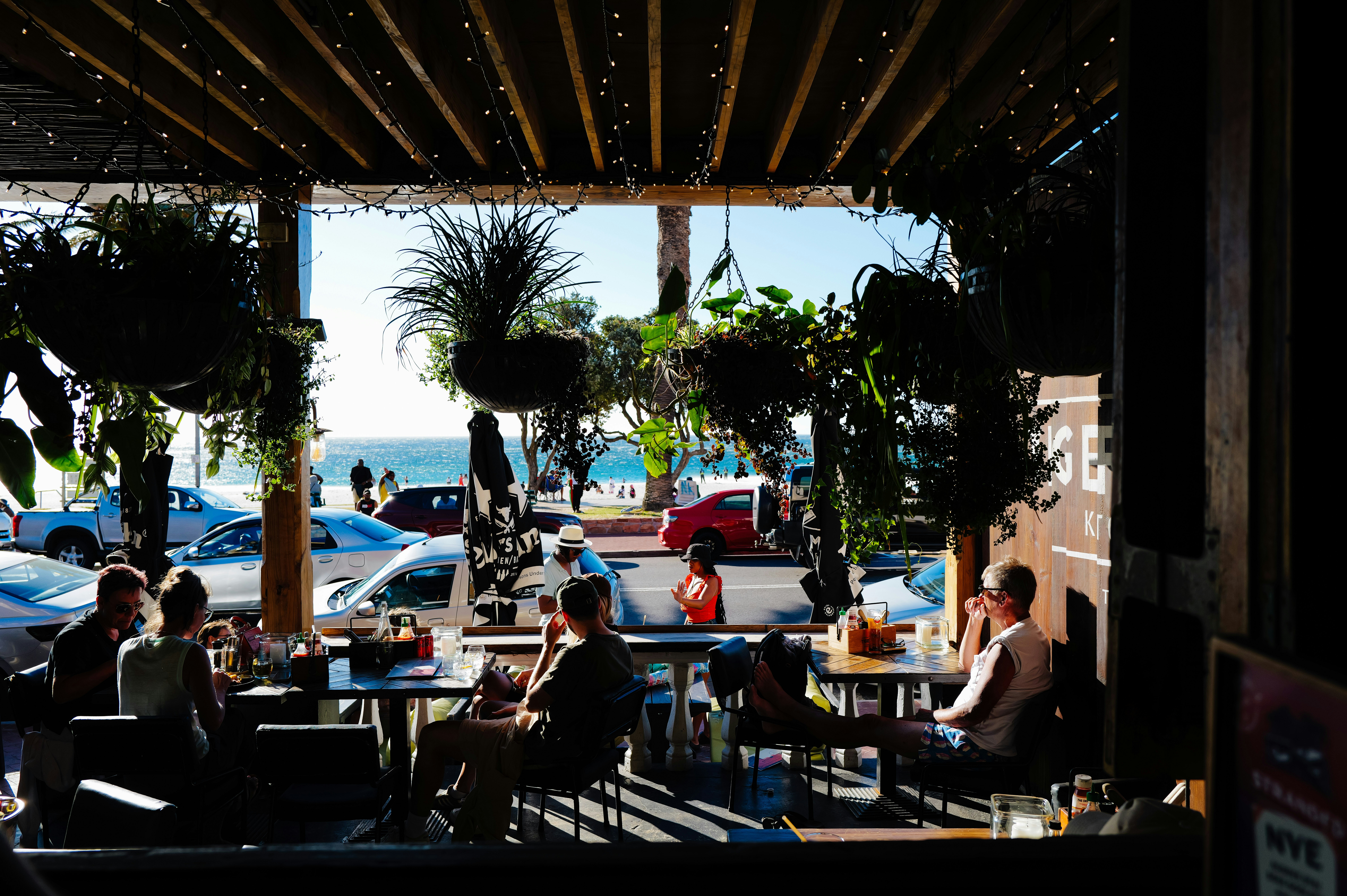
Photo by Adrien Olichon on Unsplash
Chili’s brings back Ziosk for pay-at-table, loyalty, and AI insights across 1,100+ locations, signaling a thoughtful, guest-focused digital restart.
Apr 18, 2026

Photo by The 77 Human Needs System on Unsplash
Scottsdale welcomes a compact, all-day market from True Food Kitchen blending wellness-forward meals with grab-and-go convenience, signaling broader growth into market formats.
Apr 18, 2026
The Melting Pot blends modernization with conversions to grow, inviting brighter guest experiences while honoring its fondue heritage.
Apr 18, 2026
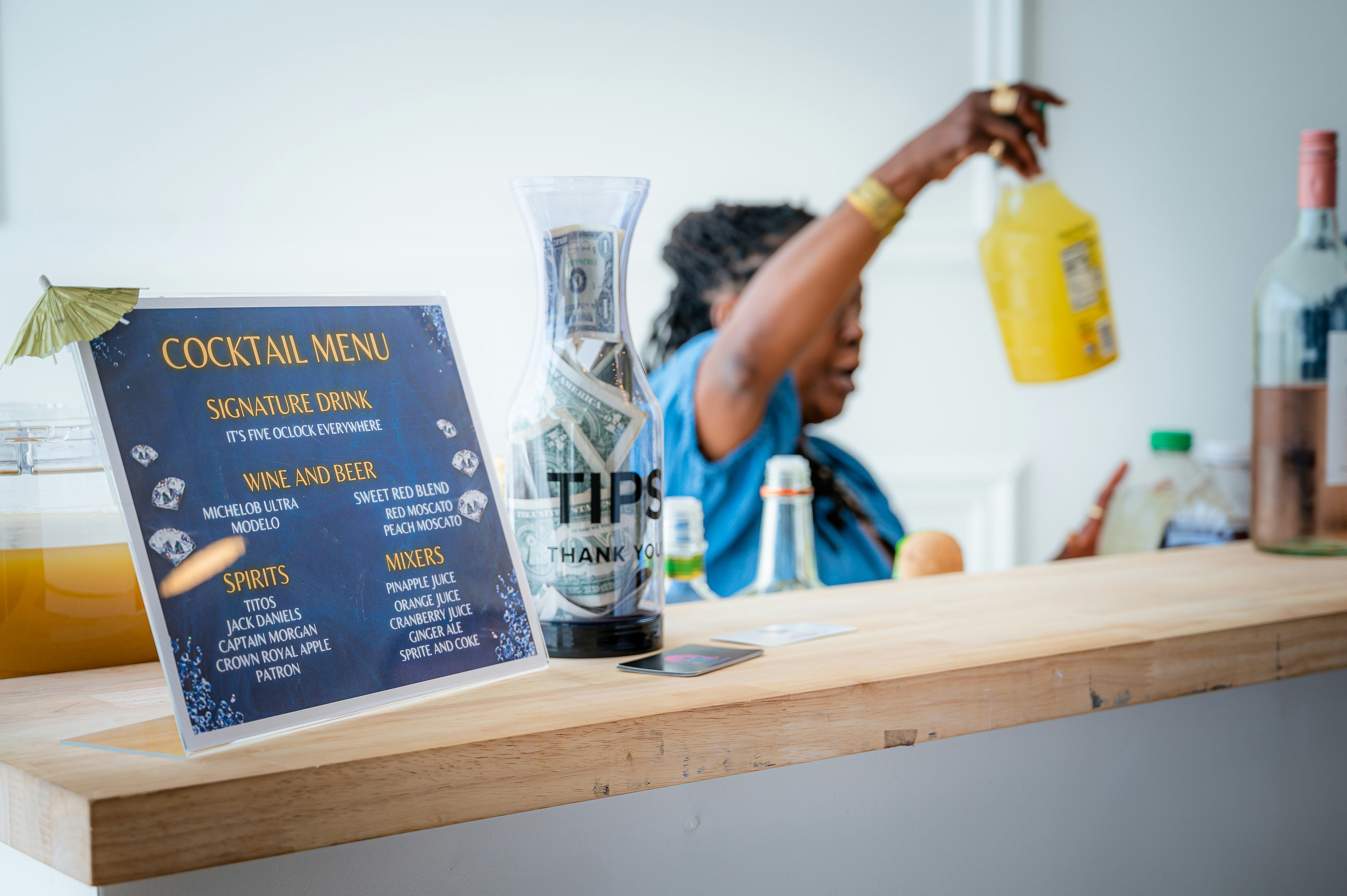
Photo by Matt Benson on Unsplash
South Block grows along the East Coast with Savory Fund, preserving neighborhood-first ethos and people-on-the-block philosophy.
Apr 18, 2026

Photo by Julian Myles on Unsplash
California's 2024 PAGA reforms curb abuse and streamline workplace claims, balancing worker protections with clearer compliance guardrails for employers.
Apr 18, 2026
A thoughtful look at how fast-service restaurants are embedding safety into infrastructure through cameras, lighting, guards, and real-time communications.
Apr 17, 2026
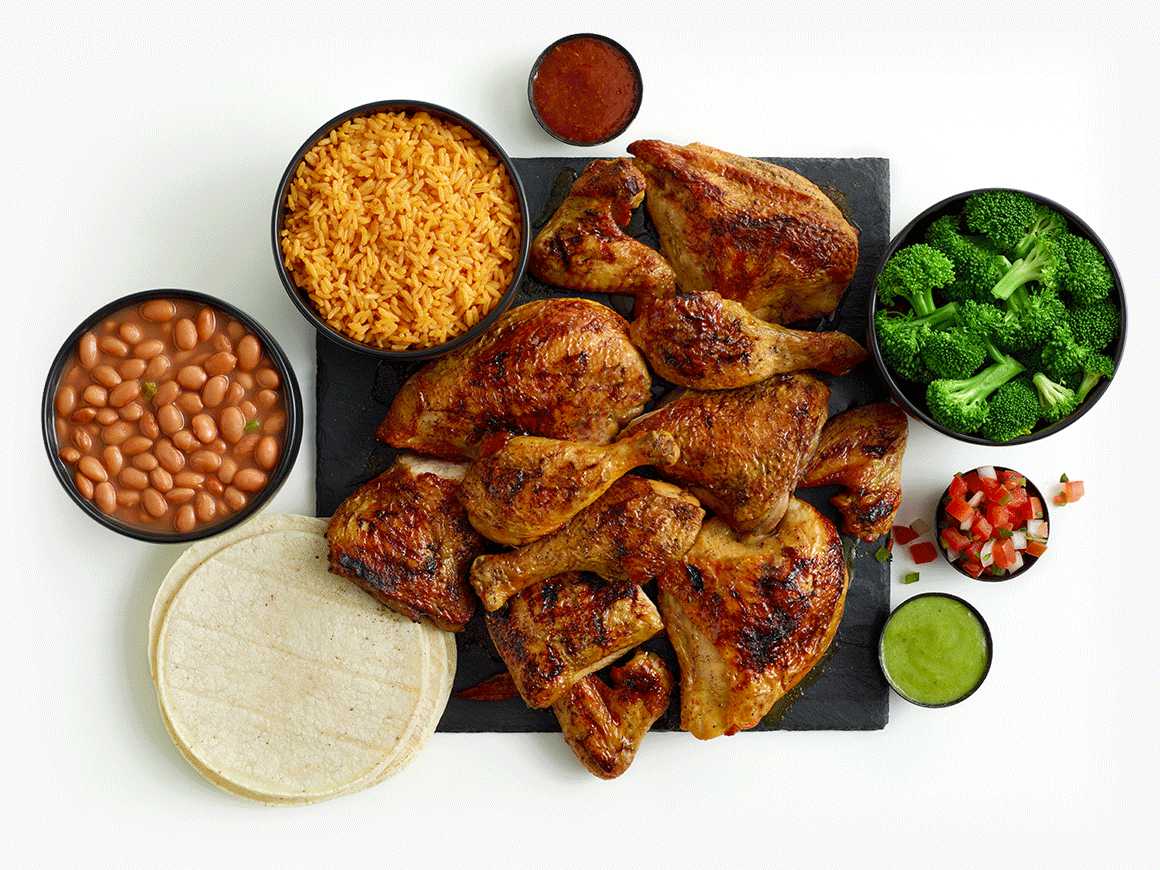
Four leaders map growth through core offerings, culture, and authentic marketing, outlining Swig, L&L Hawaiian Barbecue, Firebirds, and El Pollo Loco.
Apr 17, 2026
It's no secret that restaurants are at the epicenter of chemical exposure. Here's how to make sure you're helping yourself and your family by choosing the right restaurant chemical suppliers.
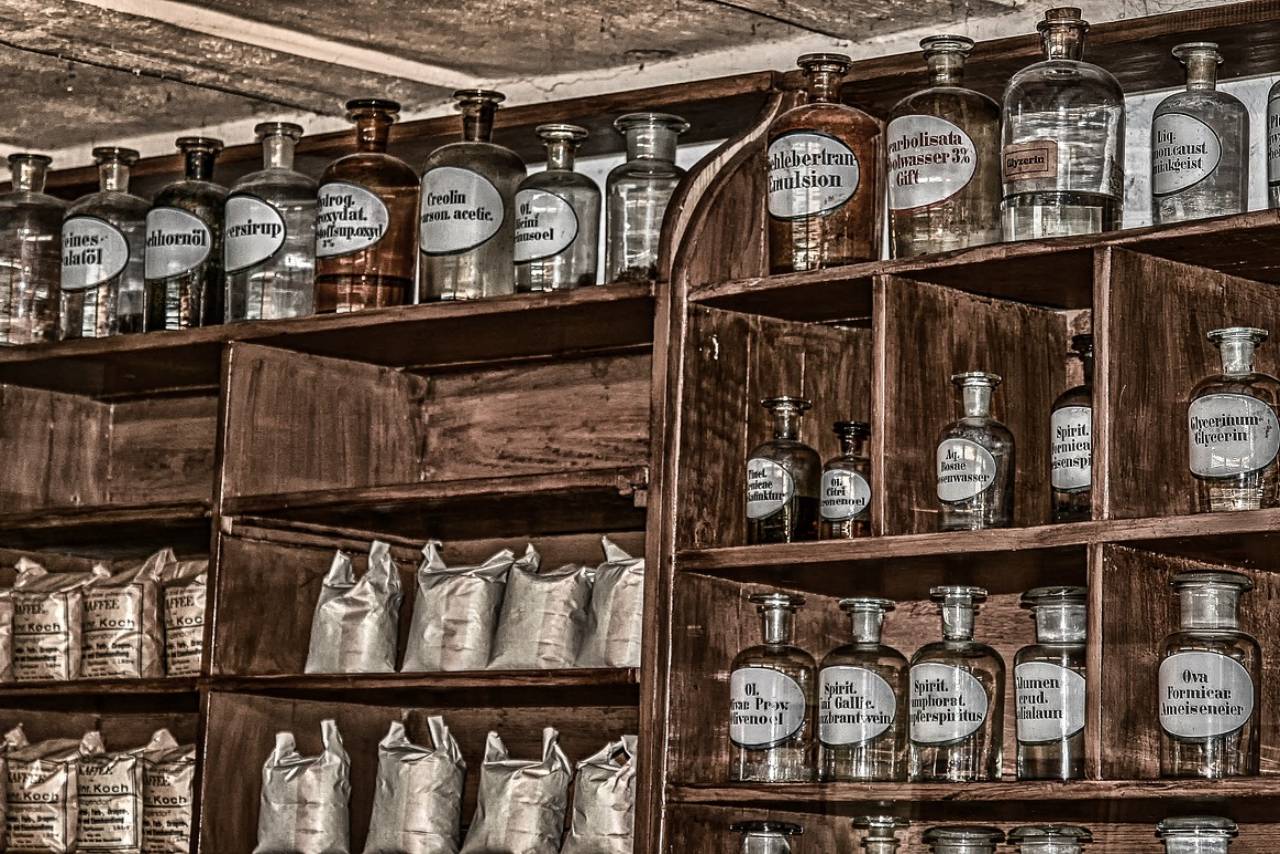
When deciding on a restaurant chemical supplier, there are many factors to consider. Customer service and turnaround time are two of the most important things to think about before choosing a restaurant chemical supply company. You should also keep in mind is whether or not the company will be able to provide chemicals in time to meet your business needs.
Another important factor to look at when choosing a restaurant chemical supplier is their pricing structure. Some companies charge per pound while others charge by the ounce or by the liter. No matter what price point your company decides on, make sure that they have the experience and expertise necessary to handle all of your needs.
When searching for restaurant chemical suppliers, there are some important things to consider. First, it's important to know what types of chemicals you need. Once you know what type of chemicals you need, then it's time to research how those supplies will be used and regulated in your restaurant.
With this knowledge, you'll be better able to find chemical suppliers who have the materials you need in stock and ready to ship. Doing a little research online or speaking with experts in the field is a good place to start. It's important to get a supplier who isn't using ingredients that may pose health risks such as BPA, phthalates, lead, cadmium, mercury and benzene.
Here are some other things that will help when searching for a supplier-

It can be difficult to find the best restaurant chemical suppliers in town. There are many companies out there that don't provide quality food chemicals, or cleaning agents, so it can be hard to find a supplier who meets your businesses needs.
To avoid purchasing poor-quality restaurant chemicals, first ask these questions about the supplier-

Eating out is one of the most popular ways to dine, especially when you are on a tight budget. Restaurants nowadays have excellent food and restaurant operators know how to market their menus and ambiance to attract customers.
However, many people overlook the fact that restaurants also use chemicals in their kitchen. These chemicals may be used for flavor enhancement or cleaning purposes. These chemicals may not only be harmful to your health, but also lead you to unknowingly eating foods that are potentially bad for your health.
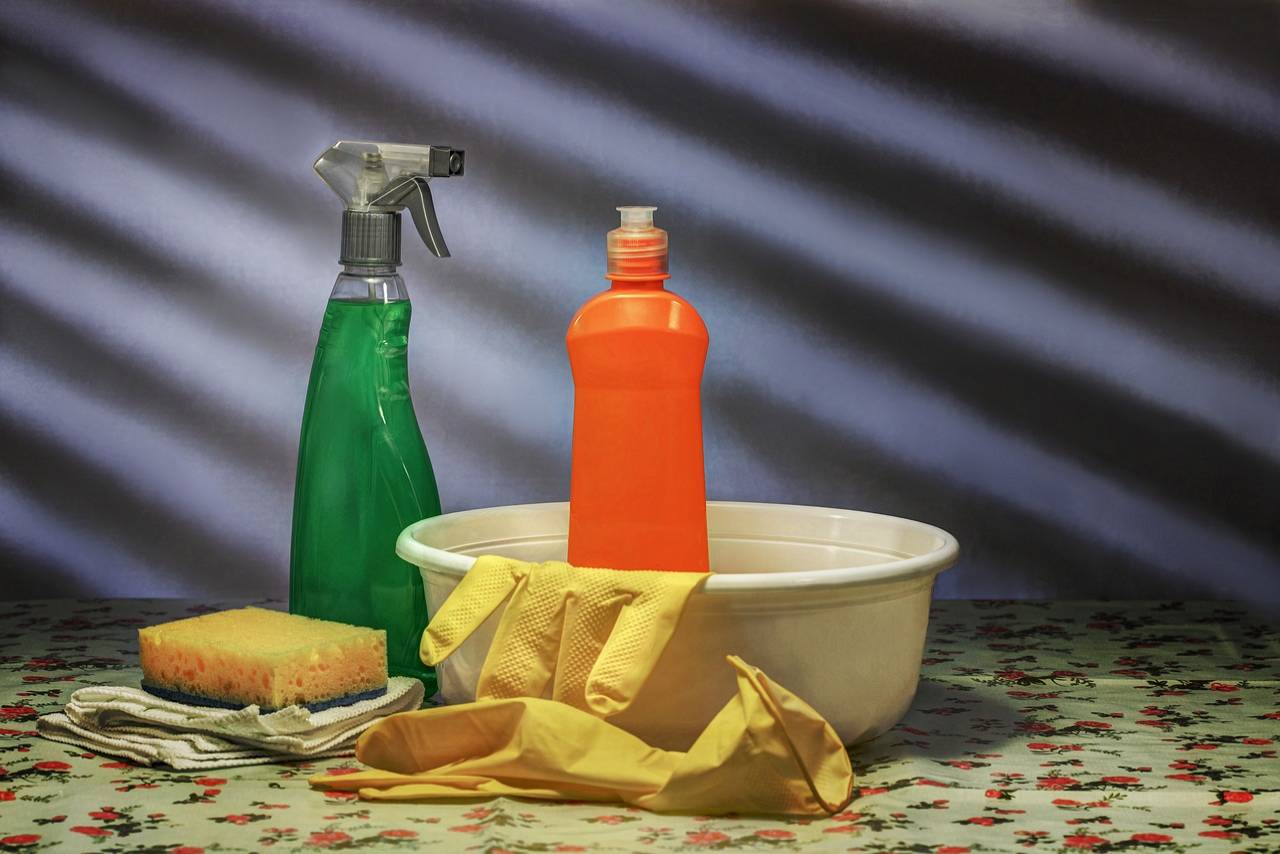
When you go to a restaurant, often the food is healthy and delicious, but you may be wondering about all the chemicals that have been used in order to make it.
Here are some of the substances found in restaurants-
A new study from the Environmental Working Group (EWG) has revealed that the most common chemicals in restaurants are not only found to be toxic but there is a high risk of exposure.
These chemicals include acrylamide, tetrachloroethylene (perchloroethylene), and polybrominated diphenyl ethers (PBDEs). These chemicals release gases which cause cancer, birth defects, organ damage, neurological disorders, and more. The EWG also found that while these chemicals appear more frequently in non-organic food, they are most concentrated in foods served by restaurants.

The chemical industry is a worldwide business that can make a huge impact on the health of workers, consumers and the environment. Many chemicals are toxic to humans and animals, while others can contaminate our water supply.
Chemicals are often used in manufacturing processes like cleaning products and food processing. While the benefits of chemicals may outweigh the risks, they should still be carefully controlled to benefit society as a whole.