How Much Does It Cost to Open a Coffee Shop in 2026?
Opening a coffee shop in 2026 requires careful cost planning across rent, equipment, labor, technology, menu strategy, marketing, and sustainability.
operations
May 15, 2026
Opening a coffee shop in 2026 requires careful cost planning across rent, equipment, labor, technology, menu strategy, marketing, and sustainability.
May 15, 2026

This AI playbook covers restaurant tools for voice ordering, staffing, compliance, menu pricing, inventory, marketing, ChatGPT prompts, and SEO.
May 15, 2026

Hardee’s giant Boddie-Noell inks 31-unit Scooter’s Coffee deal for NC and VA, leveraging drive-thru growth and local roots with rollout over 12–18 months.
May 15, 2026

Wingstop turns match weeks into a multi-sensory festival, aligning bold pop-ups with World Cup energy to build brand affinity and measurable momentum.
May 15, 2026

The parent company behind Dunkin', Buffalo Wild Wings, and Arby's has filed for an IPO a move that could reshape how Wall Street views the restaurant sector.
May 15, 2026

Learn how to develop a memorable restaurant brand identity that stands out in a crowded market, attracts loyal customers, and drives repeat business with actionable strategies and affordable tools.
May 15, 2026

Dirty soda chain Swig is expanding into Colorado through a 10-unit franchise deal, riding a consumer beverage trend that's catching the attention of major QSR players nationwide.
May 15, 2026

Papa Johns has teamed up with Alphabet's Wing for drone delivery of its new sandwich lineup in parts of Charlotte marking the first partnership of its kind between Wing and a national QSR brand.
May 15, 2026

A warm, expert-led look at McDonald’s Q1 results, menu makeover, and the refranchise question shaping its growth.
May 14, 2026

A reflective look at Habit Ranch, its immersive desert activation, and what it signals for brand loyalty and mindful, experiential dining.
May 14, 2026

Unlock Exclusive Access To Webinars, Events, And The Latest News For Free!
Discover the trend of legacy brands experimenting with spinoff concepts in the restaurant industry. Learn how spinoff brands generate consumer insights and drive innovation.
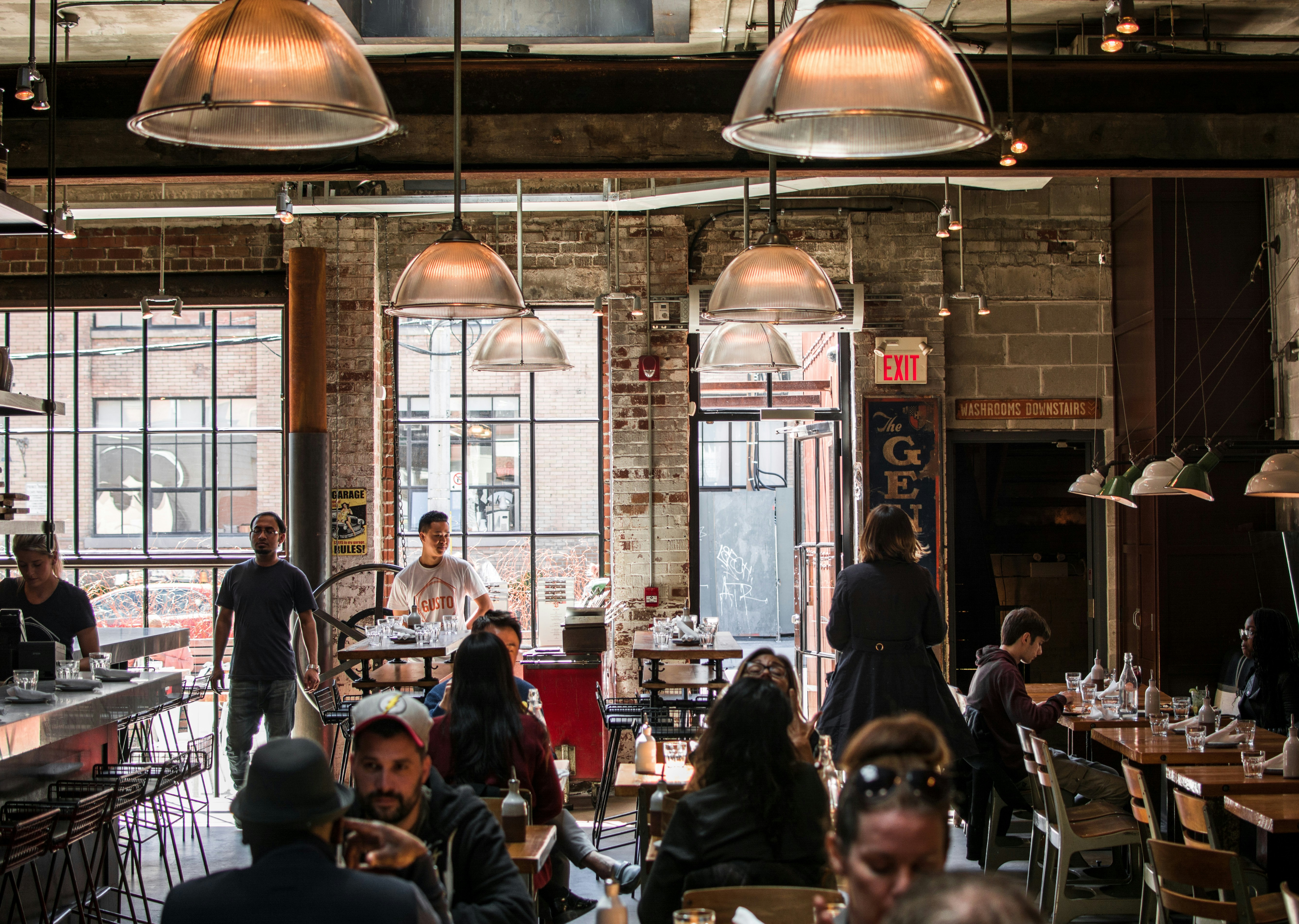
Photo by Nick Hillier
The emergence of spinoff brands within the restaurant landscape reflects a dynamic shift in how legacy brands adapt to changing consumer preferences and market demands. These spinoff ventures, such as KFC's Saucy and Taco Bell's Live Más Café, are designed to offer unique dining experiences that deviate from the traditional expectations associated with their parent companies. By exploring new flavors, beverages, and atmospheres, these brands aim to capture evolving consumer tastes and capture a fresh audience segment.
The strategy behind spinoff concepts goes beyond mere novelty; it serves as a strategic mechanism for innovation and market testing. By launching spinoff brands, legacy companies can experiment with new menu items, branding elements, and operational models in a controlled environment. This allows them to gather crucial consumer insights, understand emerging trends, and evaluate the viability of potential changes to their core brand offerings.
Established spinoff success stories like Bubba’s 33, Aussie Grill by Outback, and Buffalo Wild Wings Go demonstrate the potential for spinoff brands to thrive and complement their parent companies. These ventures often serve as testbeds for new concepts, introducing diverse culinary experiences and capturing niche market segments that may not align with the main brand's identity. By learning from past successes and failures, restaurants can refine their spinoff strategies for optimal results.
While venturing into spinoff brands presents opportunities for growth and innovation, it also comes with inherent risks. Brands must navigate the delicate balance between leveraging trends and maintaining brand coherence. Taking attention away from the core business can pose challenges, but the calculated risks associated with spinoff ventures can yield valuable insights and contribute to long-term sustainability. By carefully monitoring consumer responses and market dynamics, restaurants can mitigate risks and capitalize on the rewards of spinoff initiatives.