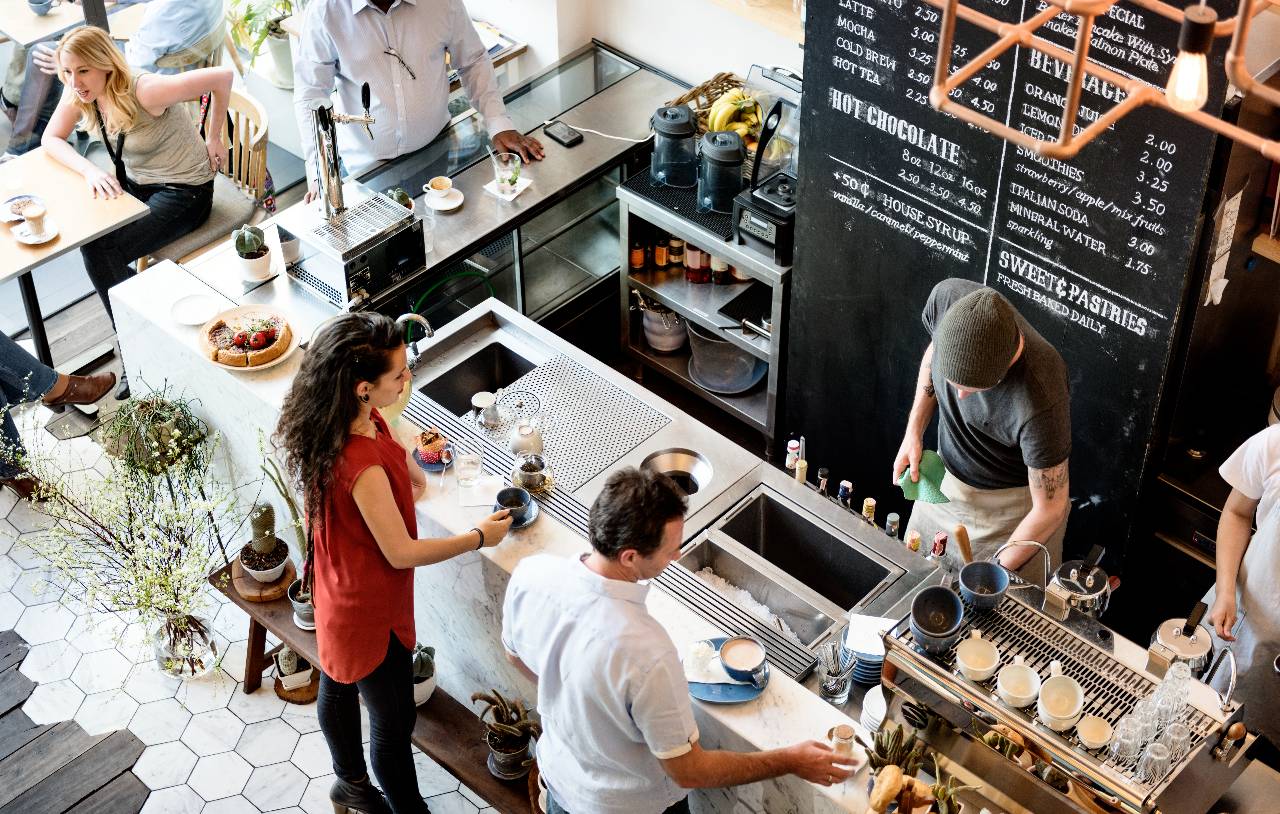
How Much Does It Cost to Open a Coffee Shop in 2026?
Opening a coffee shop in 2026 requires careful cost planning across rent, equipment, labor, technology, menu strategy, marketing, and sustainability.
operations
May 15, 2026
Opening a coffee shop in 2026 requires careful cost planning across rent, equipment, labor, technology, menu strategy, marketing, and sustainability.
May 15, 2026
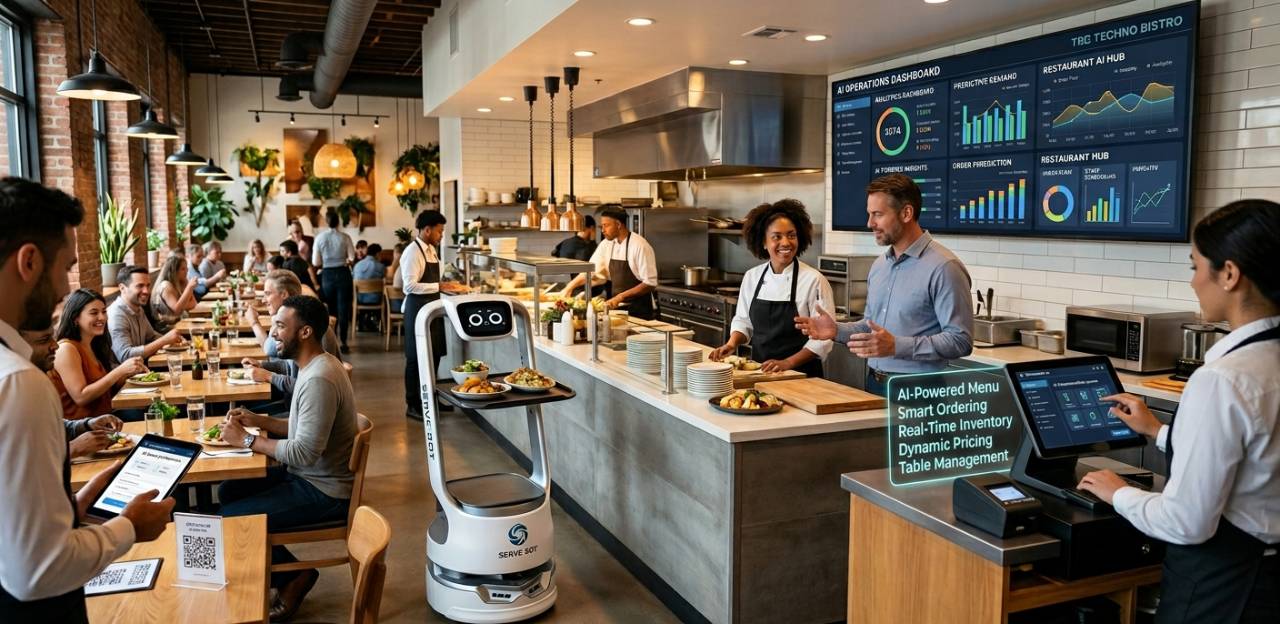
This AI playbook covers restaurant tools for voice ordering, staffing, compliance, menu pricing, inventory, marketing, ChatGPT prompts, and SEO.
May 15, 2026
Hardee’s giant Boddie-Noell inks 31-unit Scooter’s Coffee deal for NC and VA, leveraging drive-thru growth and local roots with rollout over 12–18 months.
May 15, 2026
Wingstop turns match weeks into a multi-sensory festival, aligning bold pop-ups with World Cup energy to build brand affinity and measurable momentum.
May 15, 2026
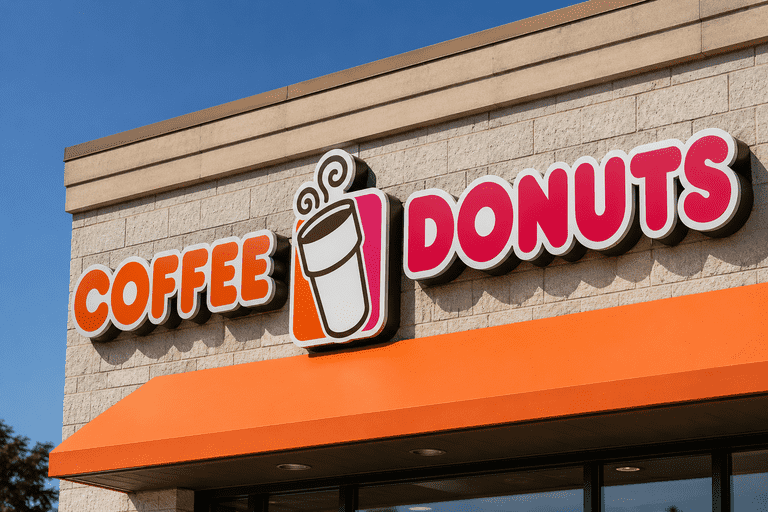
The parent company behind Dunkin', Buffalo Wild Wings, and Arby's has filed for an IPO a move that could reshape how Wall Street views the restaurant sector.
May 15, 2026

Learn how to develop a memorable restaurant brand identity that stands out in a crowded market, attracts loyal customers, and drives repeat business with actionable strategies and affordable tools.
May 15, 2026
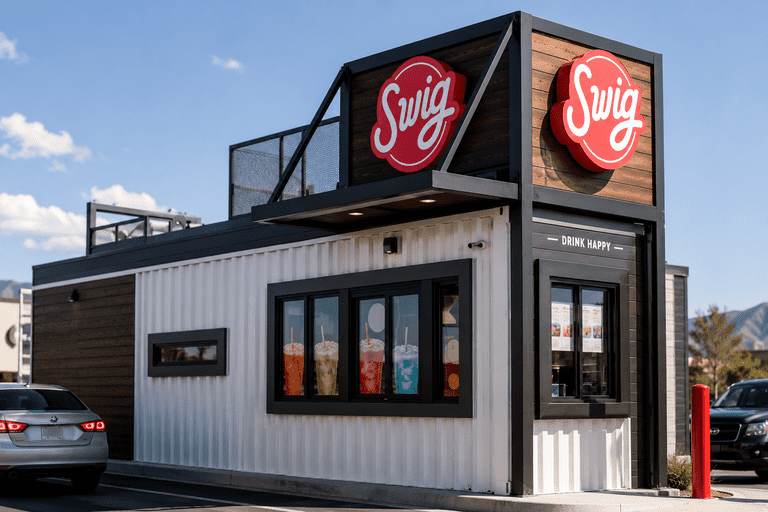
Dirty soda chain Swig is expanding into Colorado through a 10-unit franchise deal, riding a consumer beverage trend that's catching the attention of major QSR players nationwide.
May 15, 2026
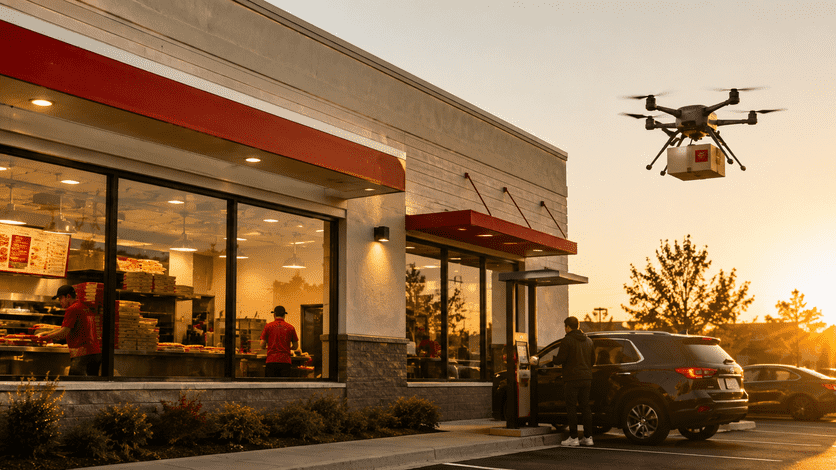
Papa Johns has teamed up with Alphabet's Wing for drone delivery of its new sandwich lineup in parts of Charlotte marking the first partnership of its kind between Wing and a national QSR brand.
May 15, 2026

A warm, expert-led look at McDonald’s Q1 results, menu makeover, and the refranchise question shaping its growth.
May 14, 2026
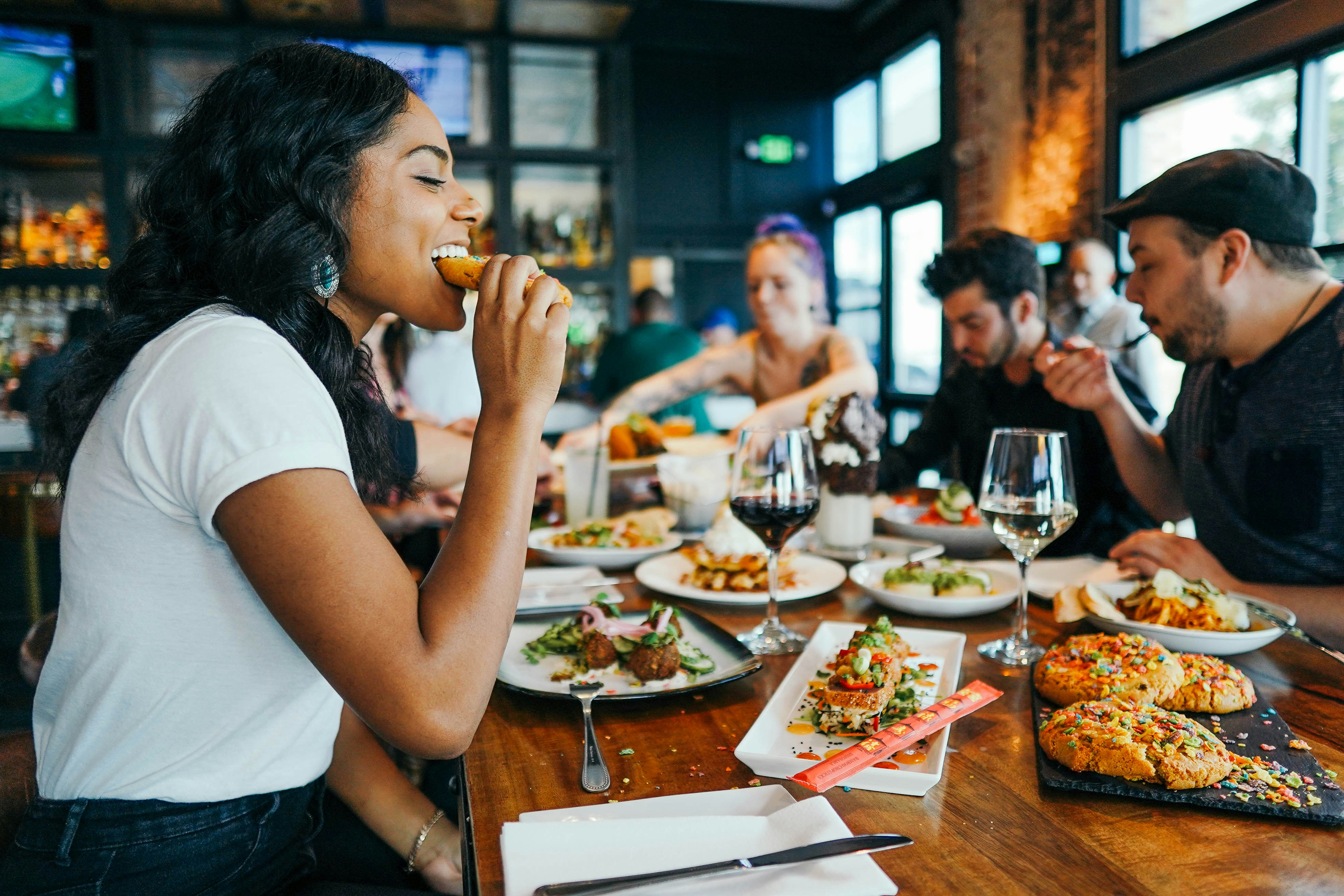
A reflective look at Habit Ranch, its immersive desert activation, and what it signals for brand loyalty and mindful, experiential dining.
May 14, 2026

Unlock Exclusive Access To Webinars, Events, And The Latest News For Free!
Explore how modern prevention tools can protect restaurants and the public from foodborne illnesses like E. coli outbreaks. Learn about the importance of technology in food safety measures.

Photo by Yevgeniya Tyumina
Foodborne pathogens, exemplified by incidents like E. coli outbreaks, can rapidly propagate across the foodservice industry, posing severe risks to consumers and brand reputation. Understanding the mechanism of spread is crucial to implementing effective prevention strategies. E. coli contamination typically initiates with a single tainted food product entering a facility but can persist on surfaces, leading to cross-contamination.
Inadequate detection methods and hygiene practices can unwittingly facilitate the transmission of pathogens like E. coli within a restaurant. Contaminated surfaces, equipment, and human contact can disseminate bacteria to various food items, prep areas, and utensils, amplifying the contamination's scope. This underscores the need for advanced technology and protocols to curb the spread of pathogens effectively.
Modern prevention tools are pivotal in mitigating foodborne illness risks in restaurants. Technologies like real-time contamination detection systems on employees' hands, temperature monitoring for food safety, and automated labeling streamline operations while enhancing safety measures. By integrating these tools into daily practices, restaurants bolster their defense against pathogens and improve overall hygiene standards.

Photo by Yevgeniya Tyumina
Establishing a 'Culture of Cleanliness' through technology integration motivates employees to prioritize hygiene and food safety. Immediate feedback, alerts, and recognition for adherence to safety protocols empower staff to maintain high cleanliness standards consistently. This proactive approach not only safeguards customers but also instills a sense of responsibility and pride among employees.
The recent E. coli outbreak serves as a poignant reminder of the persistent threat posed by foodborne pathogens. However, it presents an opportunity for the industry to rethink its food safety approach. By embracing digital innovation to safeguard customers and staff, restaurants can uphold their reputation and contribute to a safer dining environment for all.