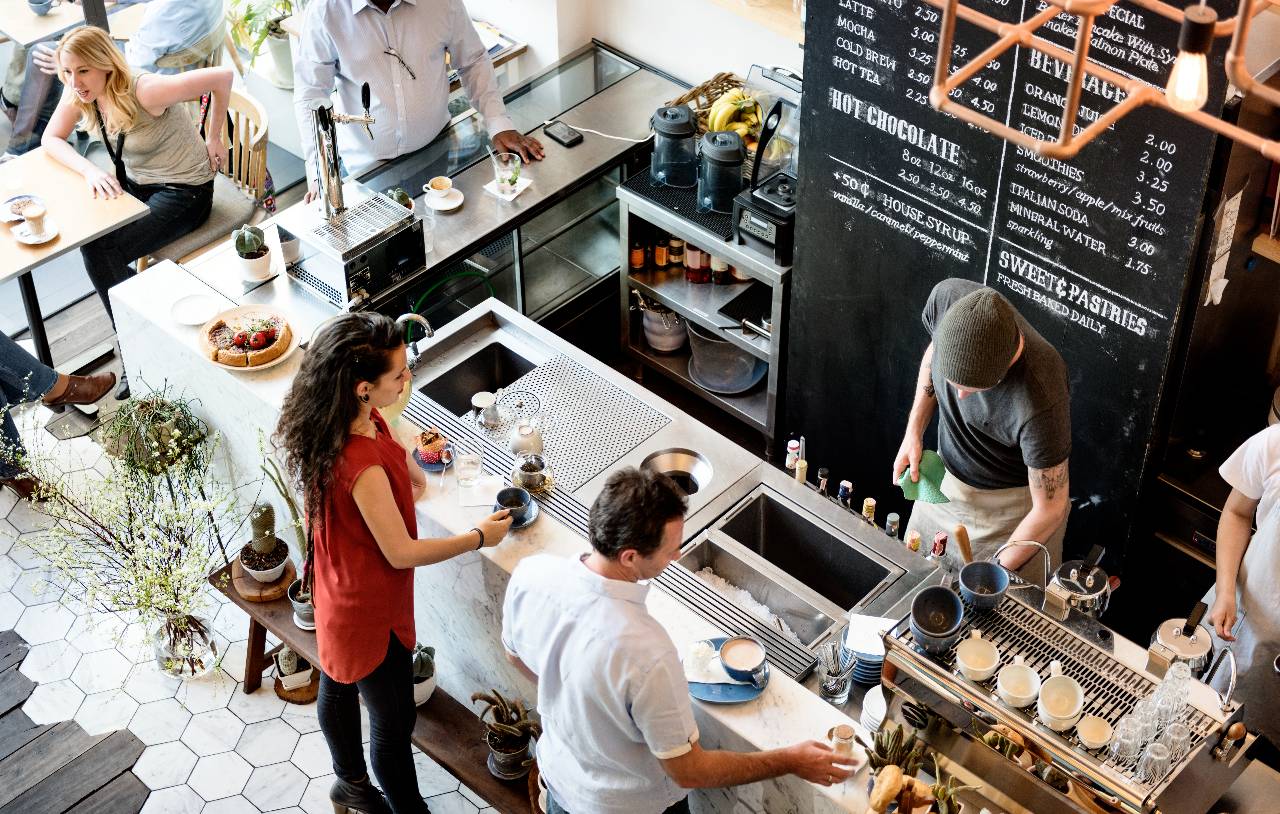
How Much Does It Cost to Open a Coffee Shop in 2026?
Opening a coffee shop in 2026 requires careful cost planning across rent, equipment, labor, technology, menu strategy, marketing, and sustainability.
operations
May 15, 2026
Opening a coffee shop in 2026 requires careful cost planning across rent, equipment, labor, technology, menu strategy, marketing, and sustainability.
May 15, 2026
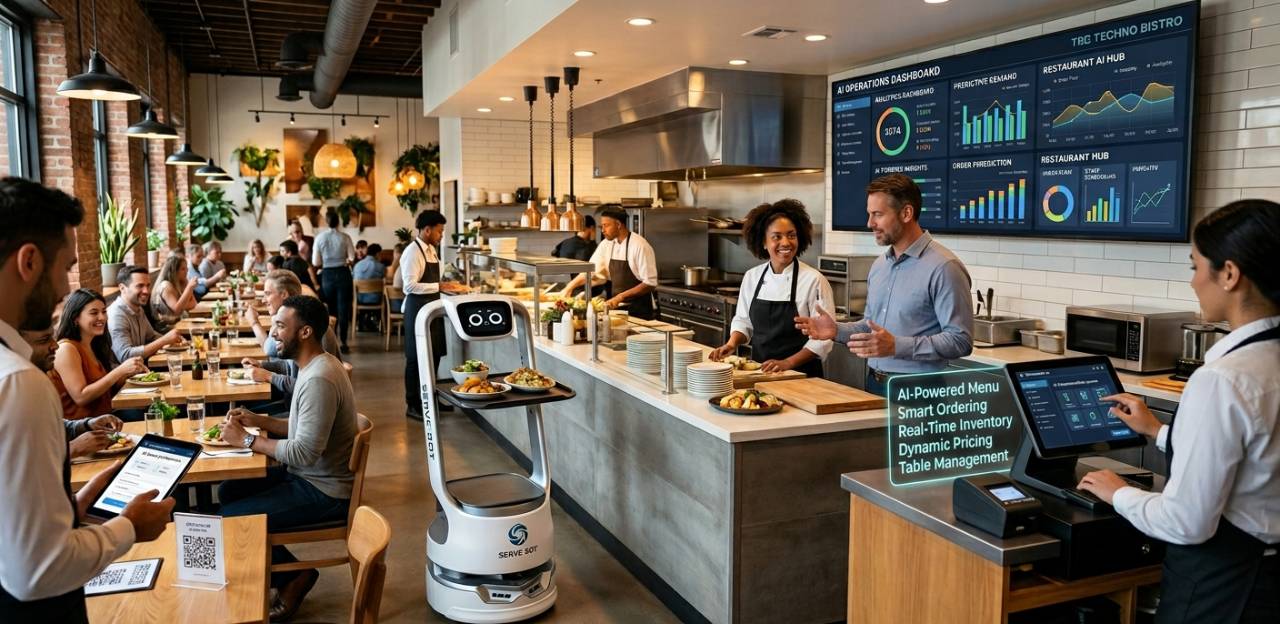
This AI playbook covers restaurant tools for voice ordering, staffing, compliance, menu pricing, inventory, marketing, ChatGPT prompts, and SEO.
May 15, 2026
Hardee’s giant Boddie-Noell inks 31-unit Scooter’s Coffee deal for NC and VA, leveraging drive-thru growth and local roots with rollout over 12–18 months.
May 15, 2026
Wingstop turns match weeks into a multi-sensory festival, aligning bold pop-ups with World Cup energy to build brand affinity and measurable momentum.
May 15, 2026
The parent company behind Dunkin', Buffalo Wild Wings, and Arby's has filed for an IPO a move that could reshape how Wall Street views the restaurant sector.
May 15, 2026

Learn how to develop a memorable restaurant brand identity that stands out in a crowded market, attracts loyal customers, and drives repeat business with actionable strategies and affordable tools.
May 15, 2026
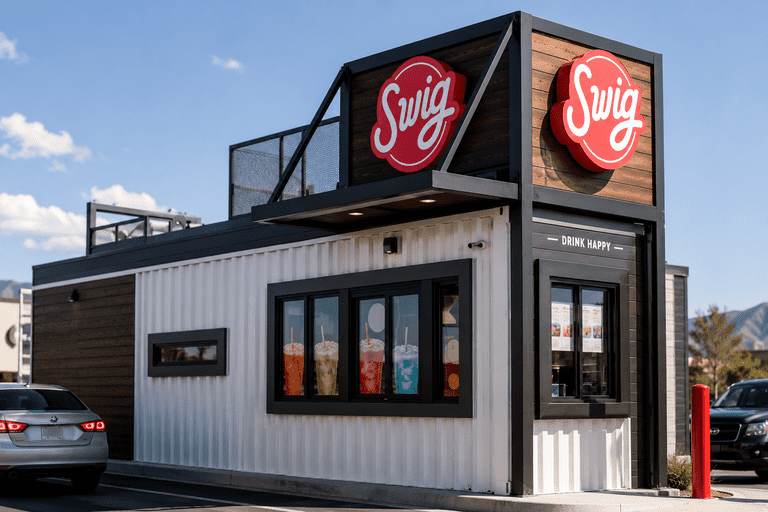
Dirty soda chain Swig is expanding into Colorado through a 10-unit franchise deal, riding a consumer beverage trend that's catching the attention of major QSR players nationwide.
May 15, 2026
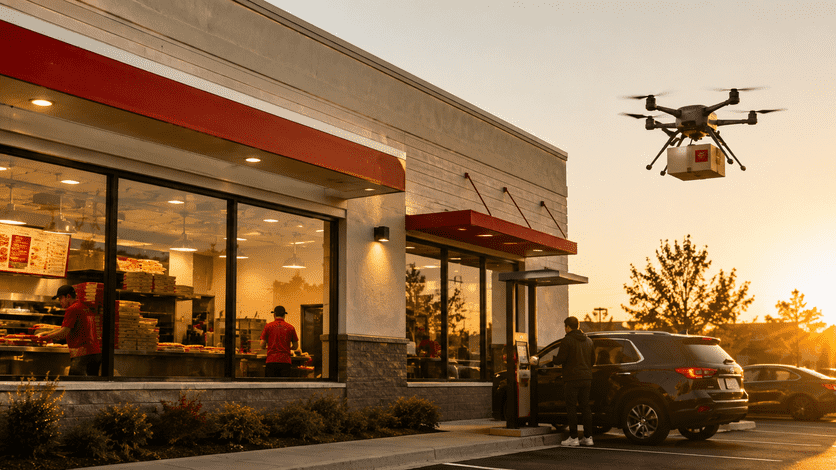
Papa Johns has teamed up with Alphabet's Wing for drone delivery of its new sandwich lineup in parts of Charlotte marking the first partnership of its kind between Wing and a national QSR brand.
May 15, 2026
A warm, expert-led look at McDonald’s Q1 results, menu makeover, and the refranchise question shaping its growth.
May 14, 2026
A reflective look at Habit Ranch, its immersive desert activation, and what it signals for brand loyalty and mindful, experiential dining.
May 14, 2026

Unlock Exclusive Access To Webinars, Events, And The Latest News For Free!
Discover why raising food safety standards is paramount for the success of restaurants. Learn how negligence in food safety can lead to financial losses and reputation damage.
Photo by Shawn
Photo by Shawn
The restaurant industry is facing grave challenges, with a significant portion of establishments failing within their first five years of operation. Amid economic uncertainties and evolving consumer preferences, maintaining high food safety standards emerges as a paramount factor for restaurants to safeguard themselves from substantial financial setbacks. Despite the persistent health and financial risks posed by foodborne illnesses, statistics indicate a stagnant trend in the number of outbreaks stemming from retail foodservice providers in recent years.
Recent data from the Centers for Disease Control and Prevention underscores the severity of the situation, revealing that in 2023 alone, retail foodservice establishments in the U.S. were responsible for 307 outbreaks, causing 4,429 illnesses and seven fatalities. These numbers signify a significant portion of the total foodborne disease outbreaks across the country. The lack of improvement in these figures over the past decade has intensified the onus on foodservice operators to enhance their food safety protocols.
Photo by Shawn
As governmental health agencies face budget cuts and staff shortages, the responsibility for ensuring food safety in the industry falls increasingly on the shoulders of restaurant owners and operators. By focusing on governance to minimize food safety risks, the sector can actively work towards reducing the frequency of outbreaks and associated illnesses. Strengthening hygiene standards and operational practices is pivotal to combating the prevalence of foodborne diseases.
Photo by Shawn
Norovirus stands out as a primary culprit behind foodborne illnesses, predominantly transmitted through infected food handlers handling ready-to-eat foods in restaurants and similar settings. These environments offer a critical juncture for enhancing control measures to curb the spread of pathogens. Maintaining stringent hygiene standards not only mitigates health hazards but also enhances customer trust and loyalty.
In light of recent food safety incidents and customer demands for cleanliness, restaurant operators must cultivate a culture of accountability and leadership in upholding hygiene standards. Neglecting these expectations poses significant risks, both in terms of public health implications and negative business outcomes. Embracing the imperative of clean operations is no longer a choice; it is a fundamental necessity for sustainable success in the industry.
With regulatory frameworks becoming more strained, restaurant operators are urged to not just meet basic compliance requirements but to proactively lead in public health initiatives. Recognizing that a single incident can have far-reaching consequences, prioritizing pristine operations is no longer a nicety but a critical mandate. The industry is on the brink of a new era of food safety, emphasizing the significance of vigilance at the point of service.