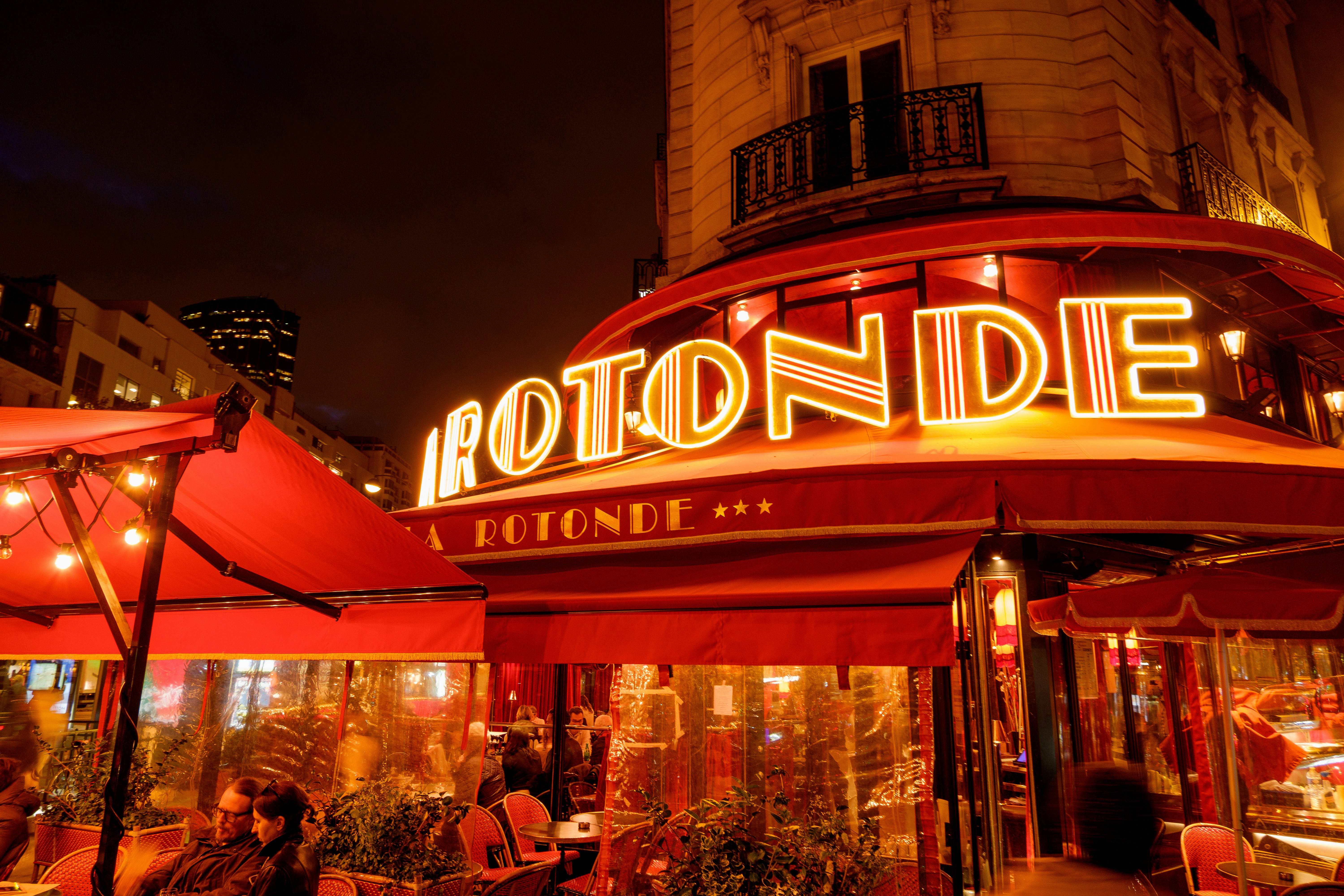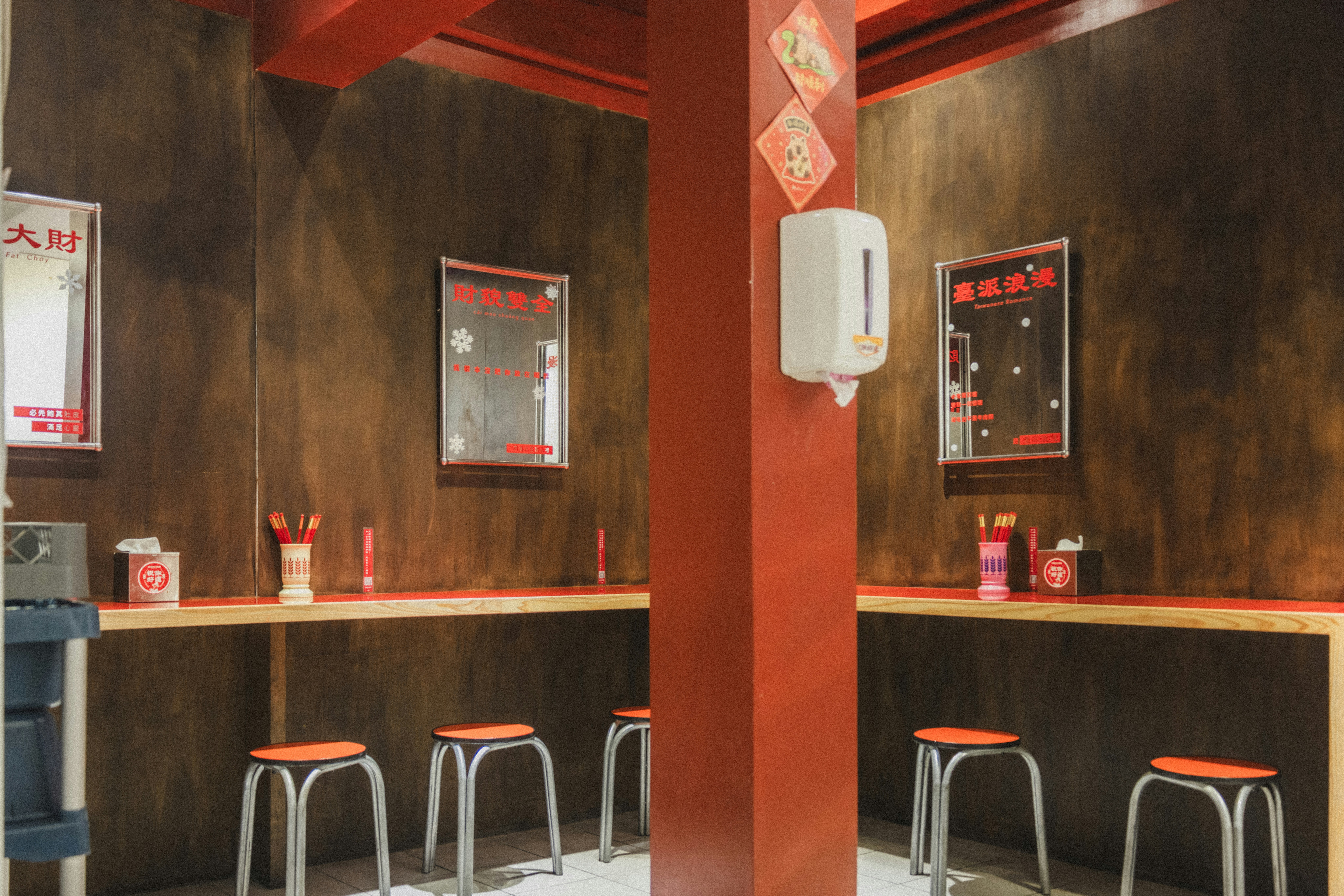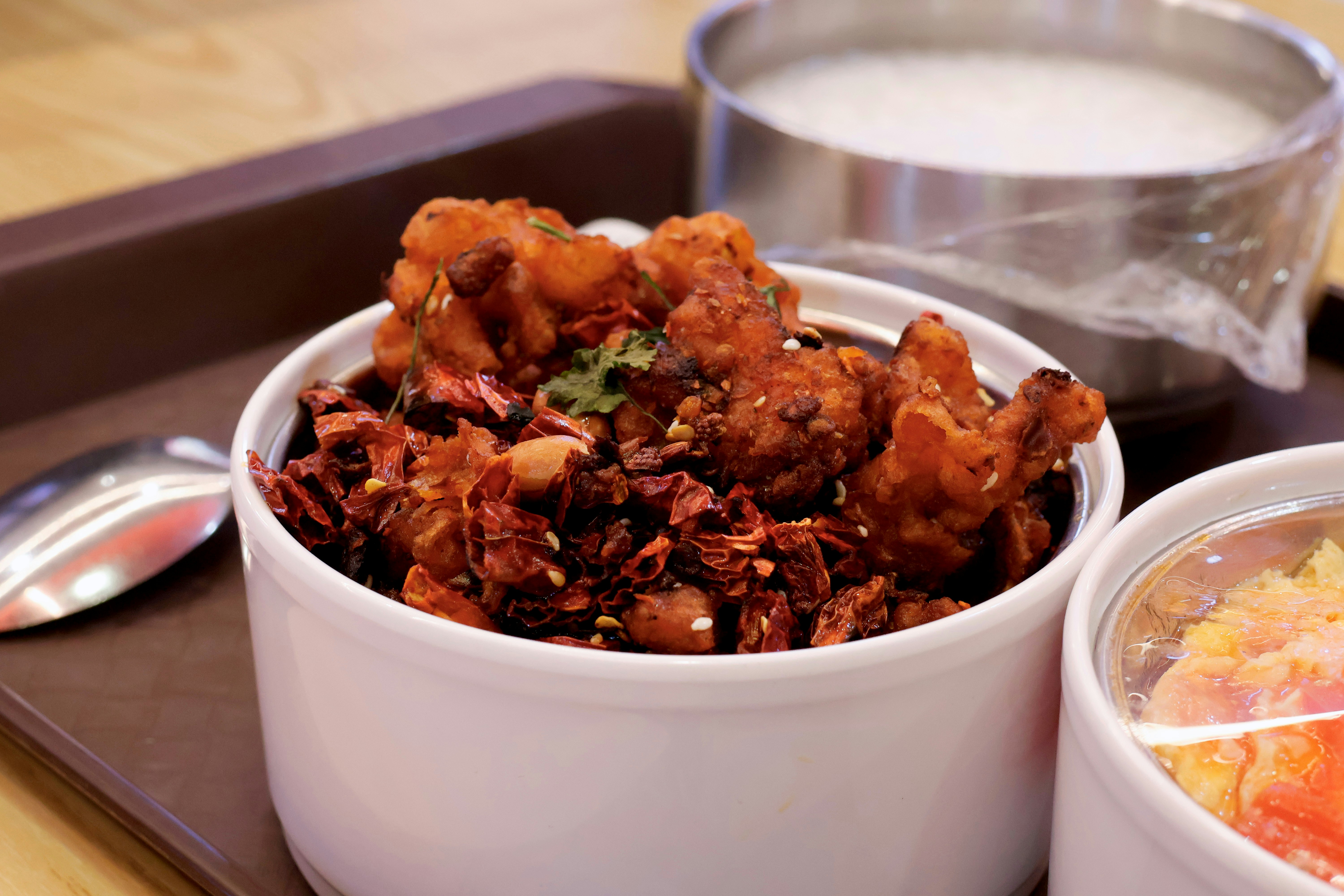
Heat-Driven Expansion: Angry Chickz
A profile of Angry Chickz’s bold heat, culture-led growth, and disciplined franchise model expanding from California to Texas and Arizona.
Franchising
Apr 18, 2026
A profile of Angry Chickz’s bold heat, culture-led growth, and disciplined franchise model expanding from California to Texas and Arizona.
Apr 18, 2026
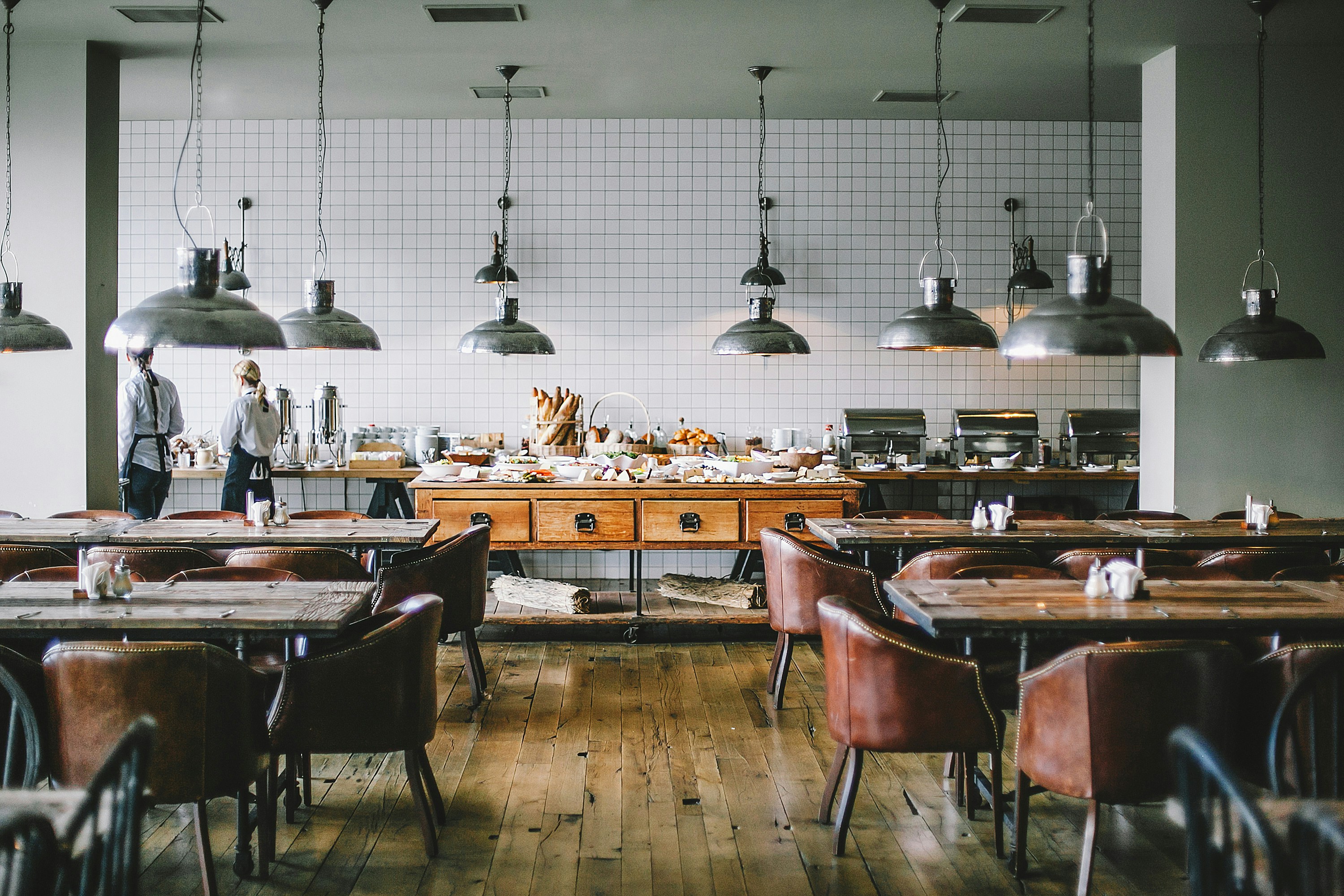
Photo by Maria Orlova on Unsplash
NRN's Investment Summit connects emerging restaurant brands with investors in Nashville, blending education, pitches, and deal-making to accelerate growth.
Apr 18, 2026
RaceTrac acquires Potbelly to accelerate a franchising-led expansion, backed by new leadership and an expanded development playbook.
Apr 18, 2026
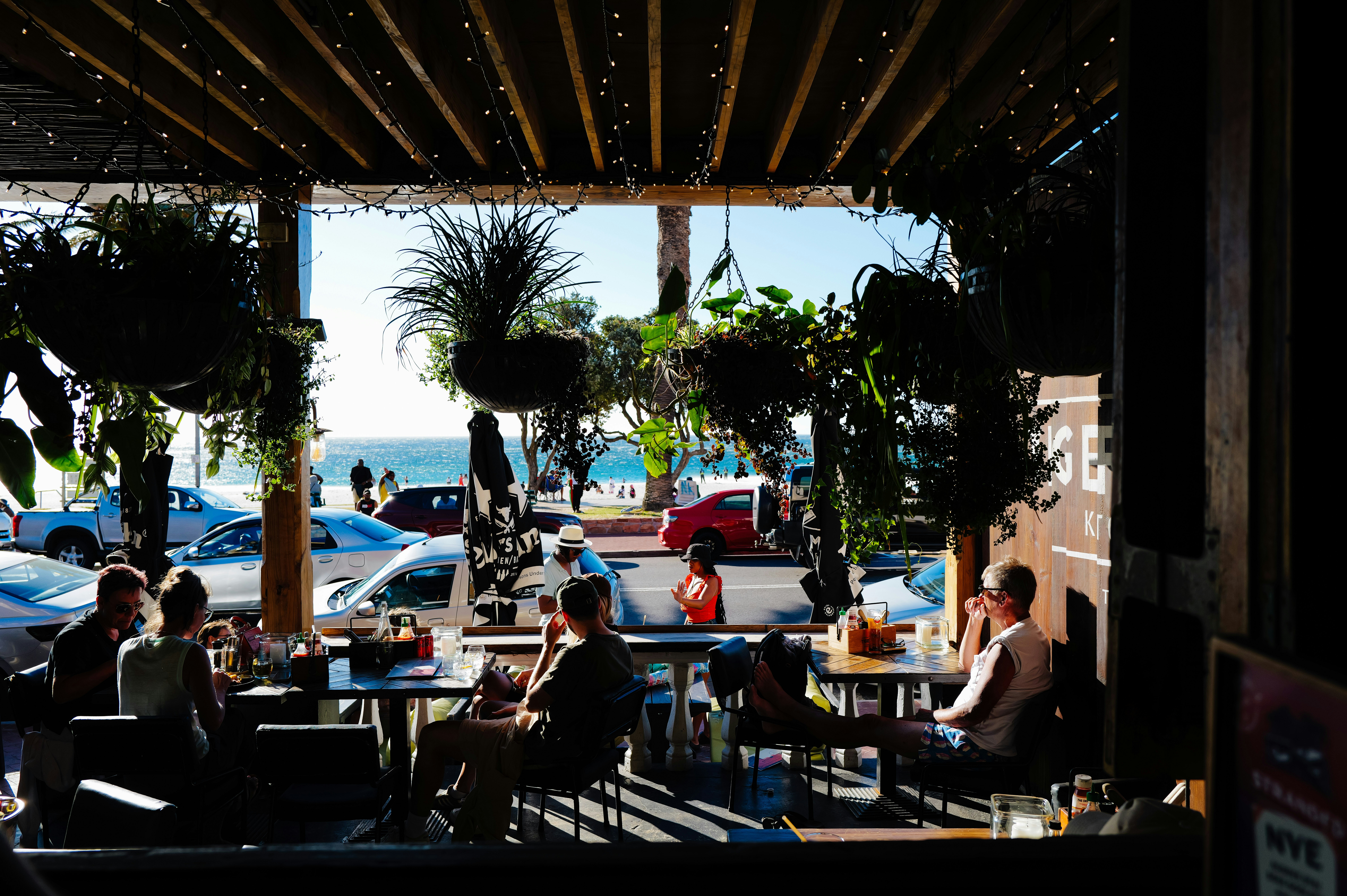
Photo by Adrien Olichon on Unsplash
Chili’s brings back Ziosk for pay-at-table, loyalty, and AI insights across 1,100+ locations, signaling a thoughtful, guest-focused digital restart.
Apr 18, 2026
Photo by The 77 Human Needs System on Unsplash
Scottsdale welcomes a compact, all-day market from True Food Kitchen blending wellness-forward meals with grab-and-go convenience, signaling broader growth into market formats.
Apr 18, 2026
The Melting Pot blends modernization with conversions to grow, inviting brighter guest experiences while honoring its fondue heritage.
Apr 18, 2026
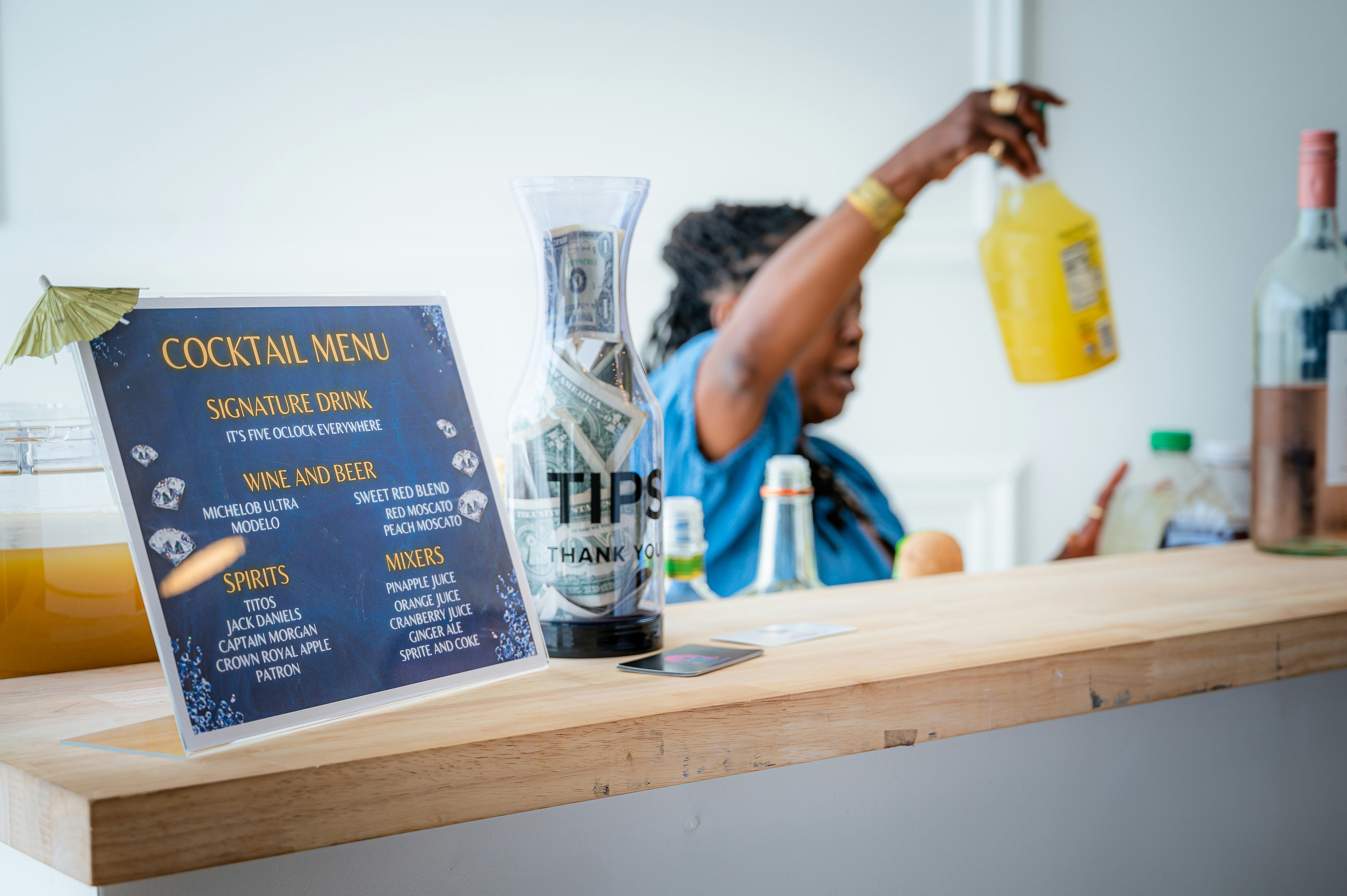
Photo by Matt Benson on Unsplash
South Block grows along the East Coast with Savory Fund, preserving neighborhood-first ethos and people-on-the-block philosophy.
Apr 18, 2026

Photo by Julian Myles on Unsplash
California's 2024 PAGA reforms curb abuse and streamline workplace claims, balancing worker protections with clearer compliance guardrails for employers.
Apr 18, 2026
A thoughtful look at how fast-service restaurants are embedding safety into infrastructure through cameras, lighting, guards, and real-time communications.
Apr 17, 2026
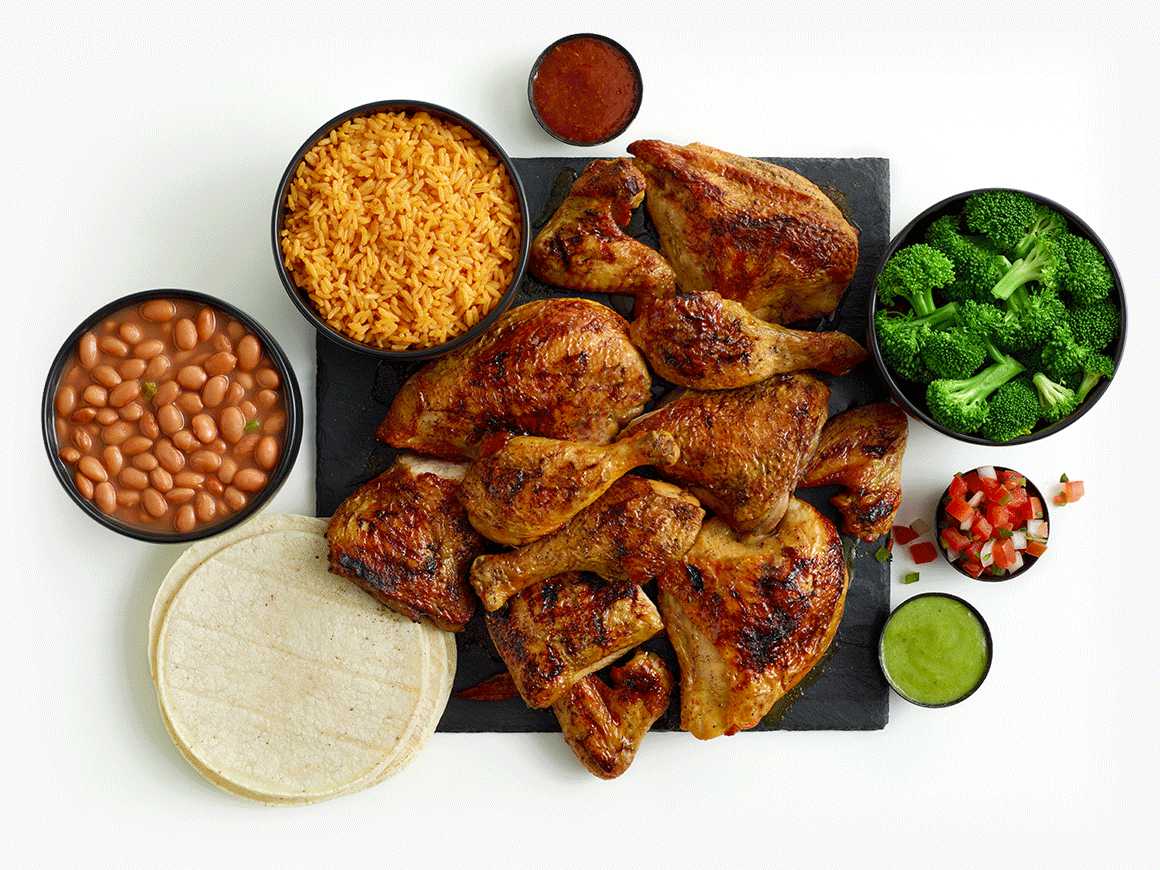
Four leaders map growth through core offerings, culture, and authentic marketing, outlining Swig, L&L Hawaiian Barbecue, Firebirds, and El Pollo Loco.
Apr 17, 2026
There is definitely a danger zone food safety that exists in regards to cooking at a restaurant or at home. Many cooks don't know or are not aware of this but after this article, they will be.
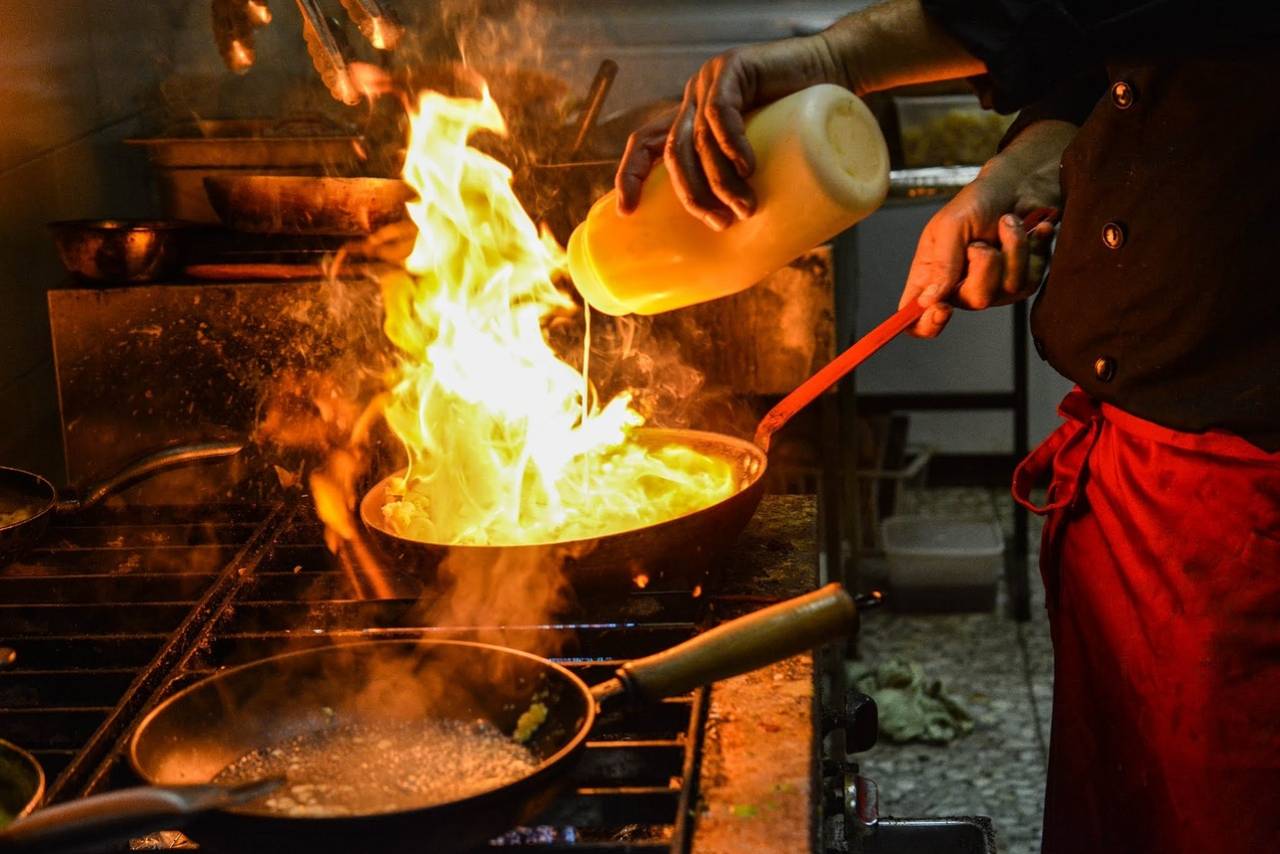
Apart from fragrant spices and correct technique, time and temperature are the two secret ingredients behind your favorite dish! Temperature range can determine the taste and texture of your food. Consuming partially cooked food can cause you food poisoning and other foodborne illness .
Storing food at the safe temperature is equally important. The Centres for Disease Control and Prevention has specified temperature range between 40 to 140Faahrenheit as the temperature danger zone .
Storing food in the danger zone can spoil your food. Bacteria like Salmonella, E-coli and Listeria starts growing on your food, when stored between 40 to 140 Fahrenheit. In fact, bacterial growth doubles in as little as 20 minutes in this temperature range , warn experts. And the longer the food stays in the danger zone, the harmful amount of bacteria it attracts.
Food safety agencies of United States such as Centres for Disease Control and Prevention , Food Safety and Inspection Services (FSIS) started using temperature danger zone ' in their advisories. They listed safe temperature for cooking variety of meats and seafood , in addition to ideal storage temperature .
These food safety organizations specifically warned to not consume food if it is left for more than two hours in this danger zone .
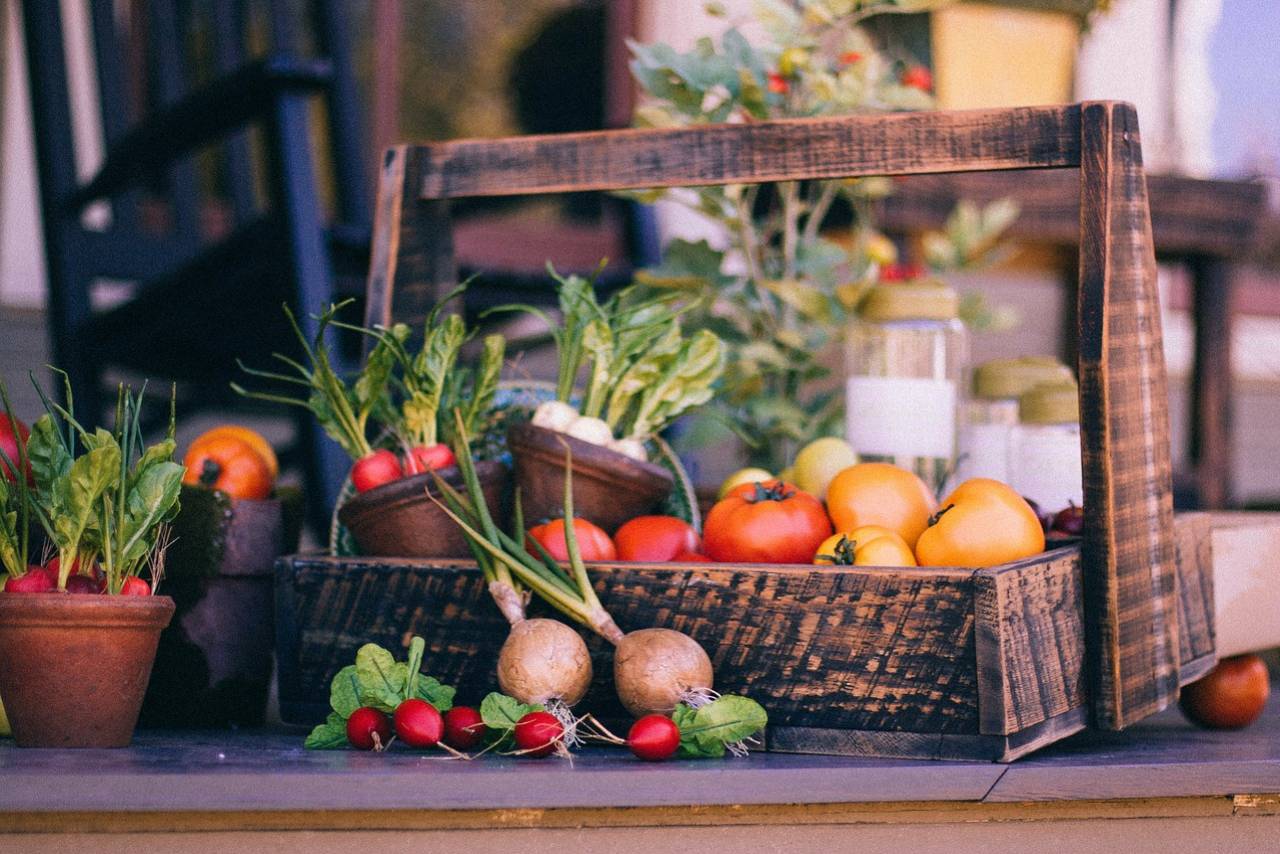
There are foods which either have low acidity or high moisture content and due to which they are more susceptible to bacterial growth , especially when kept at room temperature. These are called Time temperature control safety foods or TCS food. Since they are more prone to bacterial growth , they are treated differently than the non-TCS foods-- foods which have enough acidic content or low moisture to protect themselves.
These foods should not be left at temperature danger zone for more than a certain period of time, otherwise they will turn bad. And by chance, if consumed, these can cause foodborne illness .
Following are the high risk Time temperature control safety foods (TCS foods) that need close monitoring-
Milk and dairy products
Meat and poultry
Fish, shellfish, and crustaceans
Shell eggs
Baked potatoes
Cooked rice, beans, and vegetables
Tofu, soy protein, or other plant-based meat alternatives
Sprouts and sprout seeds
Cut tomatoes, melons, and leafy greens
Untreated garlic and oil mixtures
In case of hot foods , once the food is cooked to the ideal internal temperaturewhich can vary from dish to dish, it is important to maintain its hot holding temperature .
To keep food safe , experts suggests 140 Fahrenheit as the appropriate hot holding temperature .
Experts suggest not to use hot holding equipment to heat food. Heat food to the safe temperature before holding as hot holding equipment is designed to maintain the internal temperature of the hot food and not heat them.
Get rid of any hot food that has been stored below 140 Fahrenheit for more than four hours.
Similarly, the cold holding temperature is 40Farenheit or below. This means once your cold foods are chilled to the safe internal temperature , make sure to store them 40Farenheit or below to prevent bacterial growth .
Make sure that the cold holding temperature of your cold foods equipment is not more than 40 or more or else it will become unfit for consumption. Any cold food refrigerated at or below 40 Fahrenheit remains fresh for 6 hours from the time it was taken out.
It is suggested to check the temperature range of cold foods every two hours. In case, the temperature of the cold food rises to or above 70 Fahrenheit, discard it immediately. Consumption of such food can lead to foodborne illness and food poisoning .
Food experts advise that salad bars and refrigerator should maintain a safe temperature of 40 Fahrenheit or lower to keep Food Safe .