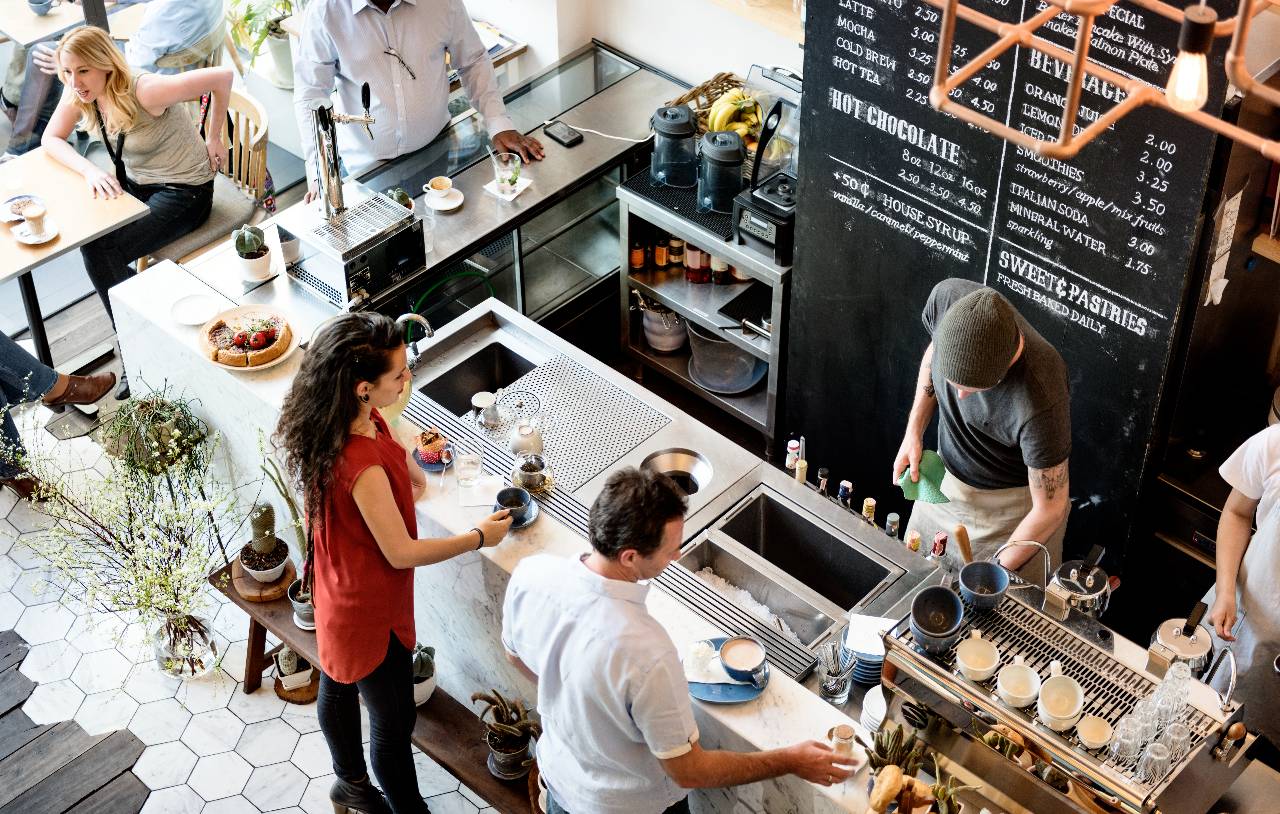
How Much Does It Cost to Open a Coffee Shop in 2026?
Opening a coffee shop in 2026 requires careful cost planning across rent, equipment, labor, technology, menu strategy, marketing, and sustainability.
operations
May 15, 2026
Opening a coffee shop in 2026 requires careful cost planning across rent, equipment, labor, technology, menu strategy, marketing, and sustainability.
May 15, 2026
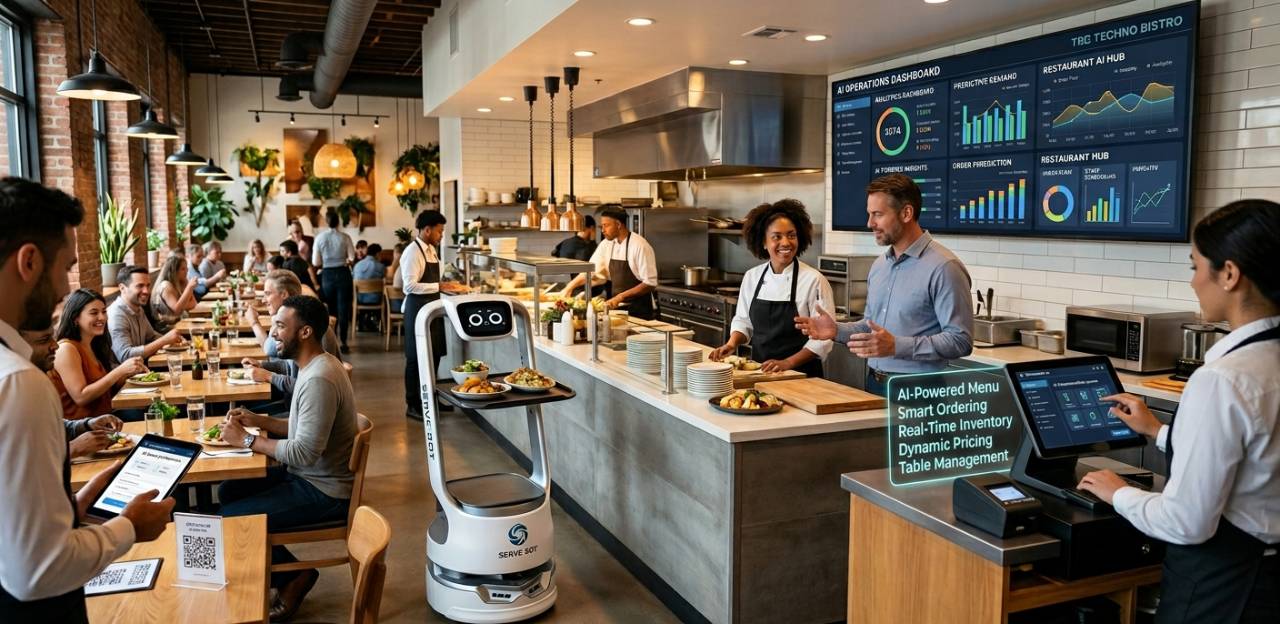
This AI playbook covers restaurant tools for voice ordering, staffing, compliance, menu pricing, inventory, marketing, ChatGPT prompts, and SEO.
May 15, 2026
Hardee’s giant Boddie-Noell inks 31-unit Scooter’s Coffee deal for NC and VA, leveraging drive-thru growth and local roots with rollout over 12–18 months.
May 15, 2026
Wingstop turns match weeks into a multi-sensory festival, aligning bold pop-ups with World Cup energy to build brand affinity and measurable momentum.
May 15, 2026
The parent company behind Dunkin', Buffalo Wild Wings, and Arby's has filed for an IPO a move that could reshape how Wall Street views the restaurant sector.
May 15, 2026
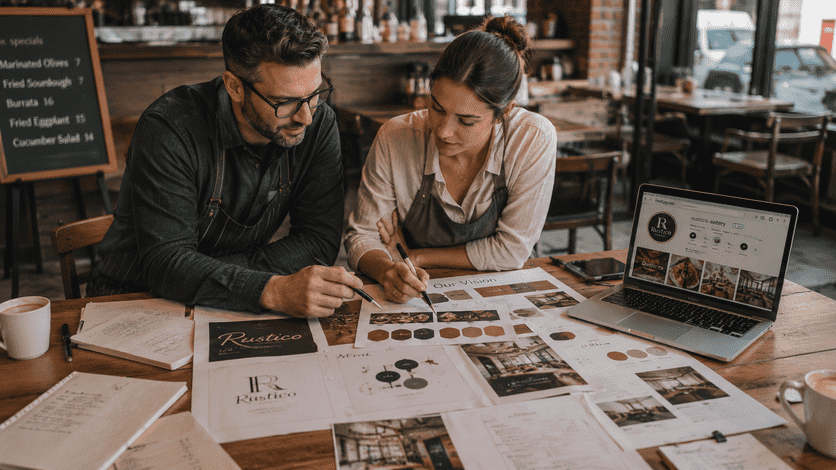
Learn how to develop a memorable restaurant brand identity that stands out in a crowded market, attracts loyal customers, and drives repeat business with actionable strategies and affordable tools.
May 15, 2026
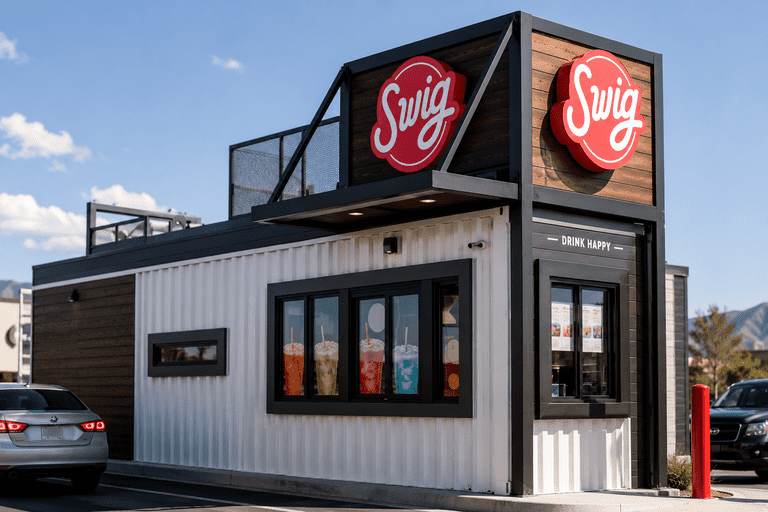
Dirty soda chain Swig is expanding into Colorado through a 10-unit franchise deal, riding a consumer beverage trend that's catching the attention of major QSR players nationwide.
May 15, 2026
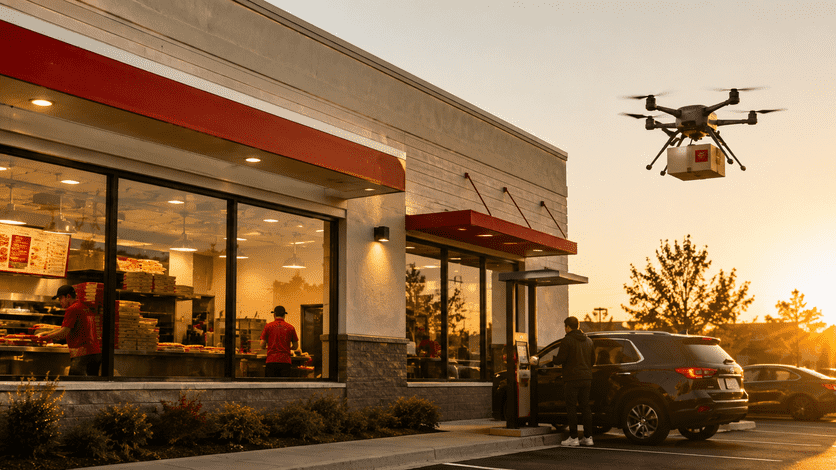
Papa Johns has teamed up with Alphabet's Wing for drone delivery of its new sandwich lineup in parts of Charlotte marking the first partnership of its kind between Wing and a national QSR brand.
May 15, 2026
A warm, expert-led look at McDonald’s Q1 results, menu makeover, and the refranchise question shaping its growth.
May 14, 2026
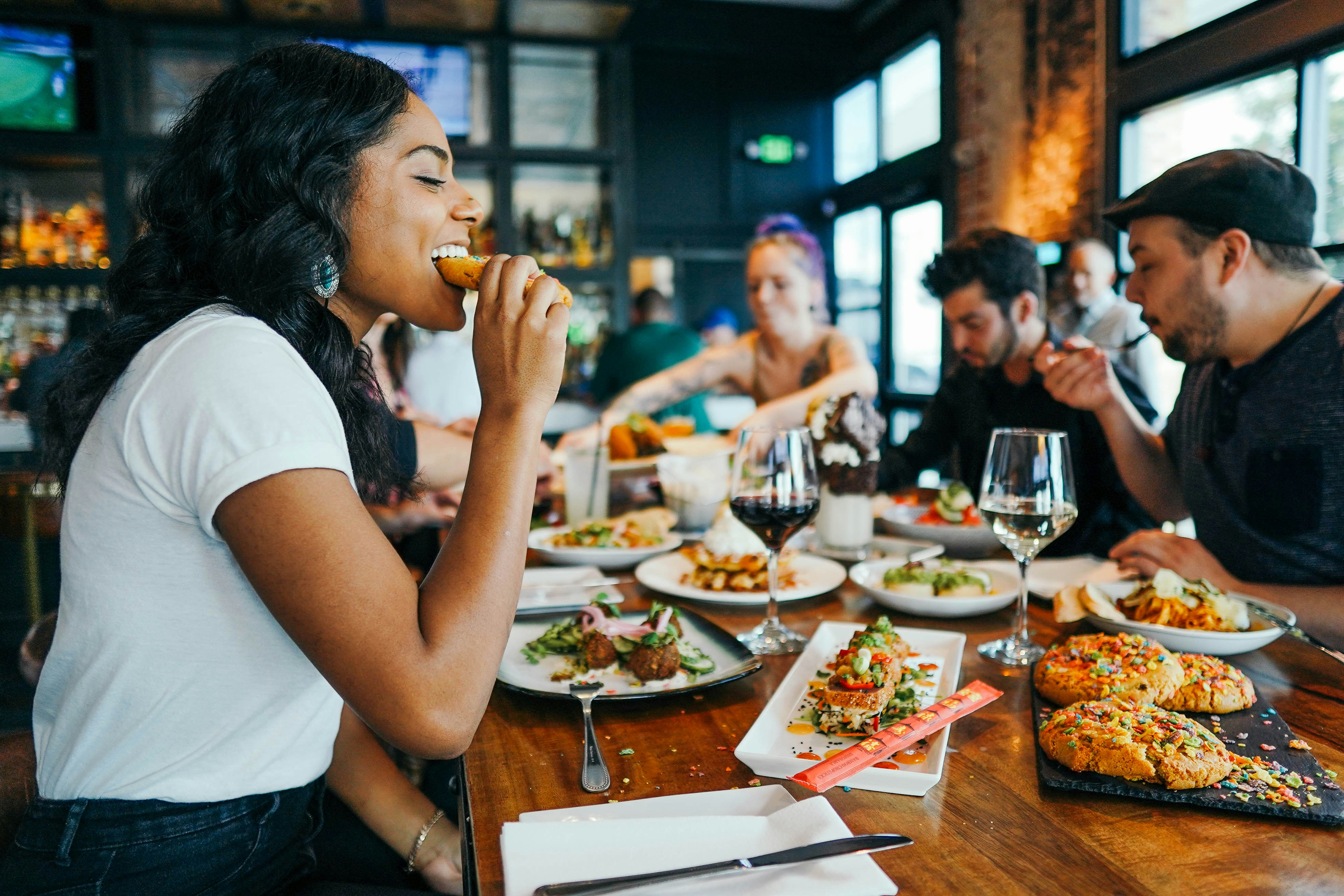
A reflective look at Habit Ranch, its immersive desert activation, and what it signals for brand loyalty and mindful, experiential dining.
May 14, 2026

Unlock Exclusive Access To Webinars, Events, And The Latest News For Free!
An in-depth look at how restaurant brands fared in the first half of 2025, exploring the factors contributing to success and challenges faced by industry leaders.
Photo by engin akyurt
Brinker's Chili’s emerged as a clear winner in the fast-food sector during the early months of 2025, marked by a significant sales leap driven by strategic investments in equipment and labor. The introduction of TurboChef ovens enhanced food quality, specifically showcased through the improved texture of new menu items such as ribs. This success highlighted the importance of continuous innovation and operational enhancements in navigating the challenging market landscape.
Value-oriented marketing and menu plays, as seen in Chili’s and McDonald’s approaches, proved vital in overcoming declines in sales. These brands strategically adjusted pricing and introduced new menu items to appeal to cost-conscious consumers. Taco Bell’s focus on Crispy Chicken offerings not only boosted sales but also outpaced competitors in the limited-service category, demonstrating the power of catering to evolving consumer preferences.
Photo by engin akyurt
Domino’s success story in recovering from a sales stumble highlighted the significance of innovation and value offerings. Collaborations with third-party aggregators and menu additions like stuffed crust pizza showcased Domino’s proactive approach towards growth. Such initiatives allowed the brand to capture market share and stay ahead in a competitive landscape.
Photo by engin akyurt
Sweetgreen and Chipotle faced setbacks in the first half of 2025, emphasizing the challenges posed by evolving consumer preferences and economic pressures. Sweetgreen’s ambitious menu innovations backfired, underscoring the importance of balancing experimentation with operational feasibility. Chipotle's struggle with pricing highlighted the complexities of maintaining value perception amidst economic uncertainties.
Photo by engin akyurt
The challenging market conditions necessitated swift action for brands like Jack in the Box and Del Taco. Initiatives like Jack’s Way, focusing on operational improvements and increased value marketing, showcased efforts to revitalize struggling chains. However, the importance of proactive value strategies, as opposed to reactive measures, became evident in distinguishing successful turnarounds.