How POS Systems Transform Restaurant Inventory Management
Discover how POS-based inventory management helps restaurants reduce food waste, control costs, and gain real-time visibility into stock levels for smoother daily operations.
Jun 15, 2026
Discover how POS-based inventory management helps restaurants reduce food waste, control costs, and gain real-time visibility into stock levels for smoother daily operations.
Jun 15, 2026
AI drive-thru ordering helps restaurants improve speed, accuracy, upselling, labor efficiency, and customer flow by using daily measurable operational data.
Jun 15, 2026
Domino's Pizza has expanded its popular 'Best Deal Ever' promotion to include Parmesan Stuffed Crust at no extra charge, offering any pizza with any crust and toppings for just $9.99, available through July 26.
Jun 15, 2026
A profitable cafe starts with audience building, data-driven location choices, smart financial planning, AI support, strong systems, and community-focused marketing.
Jun 15, 2026
Krispy Kreme has unveiled its Summer Seasonal Collection, featuring two new doughnuts, returning fan favourites, and two limited-time Lemonade Chillers- available from June 16 for a limited time at participating US locations.
Jun 15, 2026
Outback Steakhouse is rolling out a limited-time Father's Day menu from June 17–21, featuring bold new steak and surf-and-turf dishes plus an exclusive gift card promotion running through June 21.
Jun 15, 2026
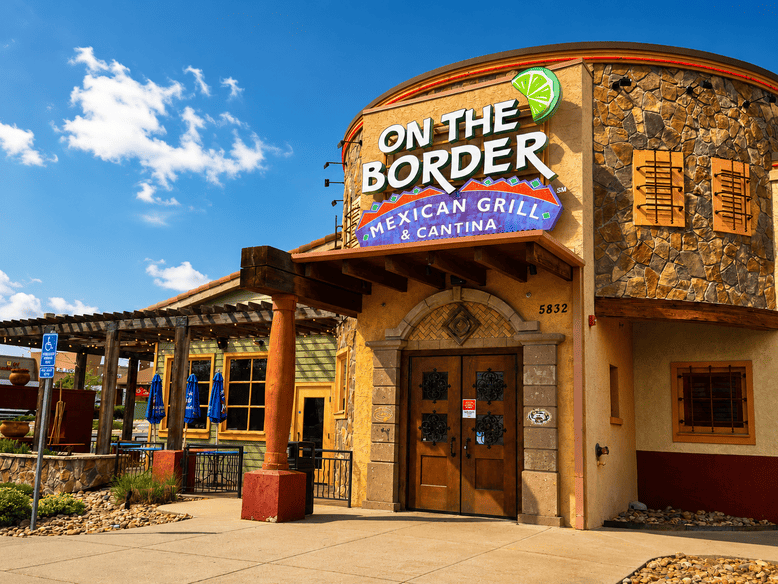
On the Border has closed all of its company-owned restaurants just over a year after being acquired out of bankruptcy by Pappas Restaurants, leaving only five franchised US locations and one in South Korea still operating.
Jun 15, 2026
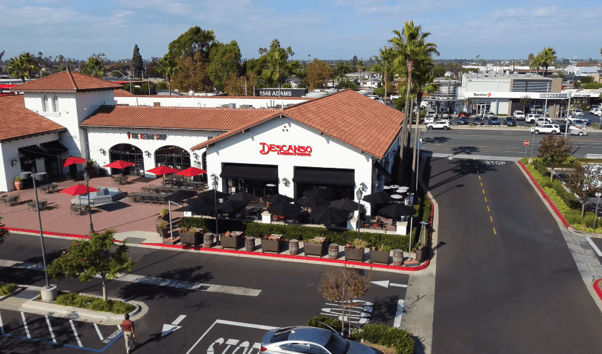
Explore how Descanso in Costa Mesa brings Mexico’s vibrant street food culture into a refined, full-sensory dining experience. Discover operational strategies, business insights, and the nuanced approach to customer interaction, menu design, and staff training that define their concept of elevated Mexican cuisine.
Jun 15, 2026
PE is rolling up franchise supplier platforms like IFPG and Fastlane, blending brokers, marketing, and AI to scale development and reshape pricing.
Jun 14, 2026
World Central Kitchen's Food Is Life brings free chef-crafted bites to World Cup watch parties, turning fan energy into hunger relief across U.S. host cities.
Jun 14, 2026
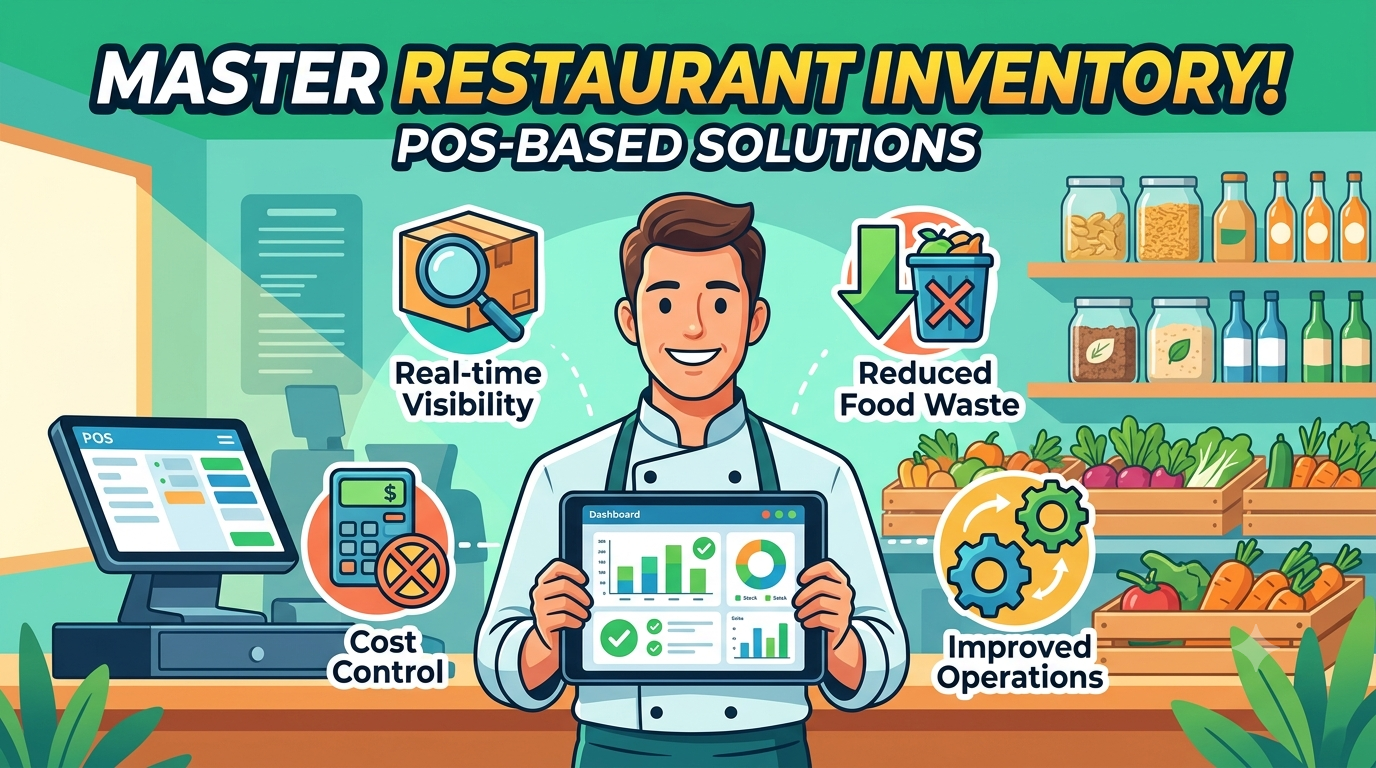
Discover how POS-based inventory management helps restaurants reduce food waste, control costs, and gain real-time visibility into stock levels for smoother daily operations.

Running a successful restaurant involves juggling countless moving parts simultaneously, but few responsibilities carry as much daily pressure and financial consequence as managing inventory effectively and consistently. A single missing ingredient during a busy dinner service can throw off an entire kitchen, delay orders, frustrate paying customers, and ultimately cost a restaurant both revenue and reputation in ways that are difficult to recover from quickly. At the same time, the opposite problem is equally damaging in its own right, because over-ordering perishable ingredients leads directly to spoilage, unnecessary waste, and inflated food costs that quietly eat away at profit margins over time. What makes this challenge particularly frustrating for restaurant operators is the fact that most inventory problems are not actually the result of poor planning, insufficient budgets, or inexperienced staff making careless decisions on the floor or in the kitchen. Rather, the root cause of the vast majority of inventory failures comes down to one fundamental issue - poor visibility into what is actually being used, when it is being used, and how quickly stock is moving on any given day. That is precisely where POS-based inventory management steps in to make a genuine and measurable difference for restaurant operators of all sizes and concepts.
One of the most transformative and immediately impactful benefits that a modern POS system brings to restaurant inventory management is the ability to track stock levels in real time, rather than relying on outdated manual counts or waiting for end-of-day reconciliation reports to understand what is actually happening on the shelves. When a POS system is properly integrated with inventory data, every single sale that is processed through the system automatically triggers a corresponding update to the ingredient levels associated with that menu item, giving managers a continuously accurate picture of their current stock without requiring any additional manual input or counting effort. This level of live visibility empowers managers to monitor which ingredients are moving quickly during a service period, identify items that are being used more slowly than anticipated, and adjust preparation quantities in real time based on actual demand rather than guesswork or habit. The practical benefits of this kind of real-time awareness extend far beyond simple convenience, because having accurate stock information at any moment during the day allows kitchen teams to make smarter decisions about prep levels, reduces the risk of running out of key ingredients mid-service, and ultimately helps prevent the kind of over-prepping that contributes significantly to food waste and unnecessary ingredient costs.
Food waste represents one of the most significant and persistently underestimated profit drains facing the restaurant industry today, and it is a problem that affects establishments of every size, from small independent cafes to large multi-location chains operating across multiple markets. POS-based inventory management addresses this challenge directly and systematically by creating a seamless connection between every sale that is recorded at the point of sale and the specific recipe ingredients that are consumed in the preparation of that dish, ensuring that inventory deductions always reflect actual real-world usage rather than estimated or approximated figures. This tight integration between sales activity and ingredient consumption eliminates the guesswork and uncertainty that so often leads kitchen teams to over-prepare dishes out of an abundance of caution, resulting in cooked food that goes unsold and must ultimately be discarded at the end of service. Beyond tracking consumption in real time, sophisticated POS inventory systems also provide managers with detailed visibility into which ingredients are being used frequently and which are sitting largely untouched, enabling proactive decisions such as adjusting portion sizes, rotating slower-moving stock into daily specials, or simply reducing order quantities for items that consistently fail to move before their expiration date. Many modern POS platforms also incorporate purchase date tracking and expiration monitoring features that further support smarter stock rotation practices and help ensure that ingredients are always being used at their freshest.
Food and ingredient costs represent the single largest variable expense for most restaurants, and without precise, reliable tracking systems in place, food cost percentages can drift dangerously out of alignment with targets in ways that are difficult to detect until significant financial damage has already been done. POS-based inventory tracking addresses this vulnerability directly by automating the process of calculating the true ingredient cost associated with every dish on the menu, using pre-defined recipes and current purchase prices to generate accurate, up-to-date cost figures that reflect real market conditions rather than outdated estimates. This automated cost calculation capability gives restaurant managers and owners an immediate and ongoing awareness of exactly how much each menu item actually costs to produce, making it far easier to identify dishes where the margin between food cost and selling price has narrowed to an unsustainable level due to ingredient price increases or portion creep. The system further supports cost control by surfacing specific areas where financial losses are occurring due to preventable factors such as excessive food waste, inconsistent portion sizing, or ingredient spoilage that could have been avoided with better stock rotation practices. With this level of cost transparency available at their fingertips, restaurant operators are empowered to make more informed and confident decisions about menu pricing strategies, portion standardization, supplier negotiations, and overall financial planning, all of which contribute directly to improved profitability and long-term business sustainability.
One of the most time-saving and operationally valuable capabilities that a well-integrated POS inventory system brings to restaurant management is the ability to automate and streamline the purchase ordering process, eliminating the need for managers to manually assess stock levels and draft orders from scratch at the end of every shift or business day. When a POS system is configured with predefined reorder points for each ingredient, it can automatically generate purchase order suggestions or even send orders directly to suppliers the moment a particular item's stock level drops below a specified threshold, ensuring that critical ingredients are always replenished before they run out entirely during a busy service period.
Beyond its day-to-day operational benefits, POS-based inventory management also serves as a powerful strategic tool that gives restaurant owners and managers access to the kind of detailed performance data needed to make genuinely informed decisions about menu development, item pricing, and overall concept direction. The reporting capabilities built into modern POS inventory platforms allow operators to analyze ingredient usage patterns over days, weeks, and months, revealing which menu items are consistently driving high ingredient consumption.
Ultimately, the greatest and most enduring benefit of implementing a POS-based inventory management system is not any single feature or capability in isolation, but rather the cumulative effect of having all aspects of a restaurant's stock, sales, cost, and purchasing data unified within a single integrated platform that provides a complete and continuously updated picture of the business's operational health. Restaurants that commit to fully integrating their POS systems with their inventory management processes over the long term develop a level of operational resilience that makes them significantly better equipped to handle the inevitable challenges and disruptions that every food service business faces, from sudden ingredient price spikes and supply chain delays to unexpected surges in customer demand during peak seasons or special events.
| Cost Area | Without POS Tracking | With POS Inventory Tracking |
| Cost Per Dish | Estimated Manually | Automatically Calculated |
| Menu Margins | Hard to Measure | Simple to Identify High-Cost, Low-Margin Items |
| Waste Impact | Often Unnoticed | Cost Leakage is Clearly Visible |
| Pricing Decisions | Based on Guesswork | Data-Driven Adjustments |
| Food Cost % | Inconsistent | Real-Time and Accurate |