What is AI Drive-Thru Ordering? A Guide for Restaurant Owners
AI drive-thru ordering helps restaurants improve speed, accuracy, upselling, labor efficiency, and customer flow by using daily measurable operational data.
tech
Jun 15, 2026
AI drive-thru ordering helps restaurants improve speed, accuracy, upselling, labor efficiency, and customer flow by using daily measurable operational data.
Jun 15, 2026
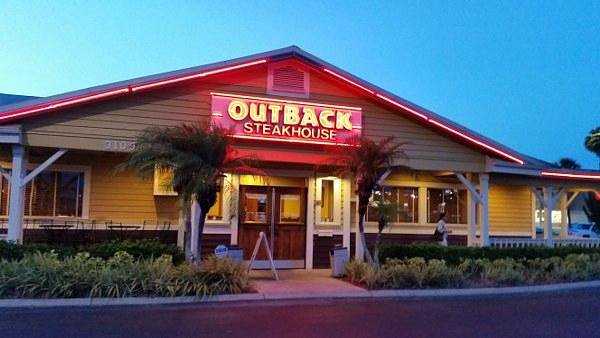
Outback Steakhouse is rolling out a limited-time Father's Day menu from June 17–21, featuring bold new steak and surf-and-turf dishes plus an exclusive gift card promotion running through June 21.
Jun 15, 2026
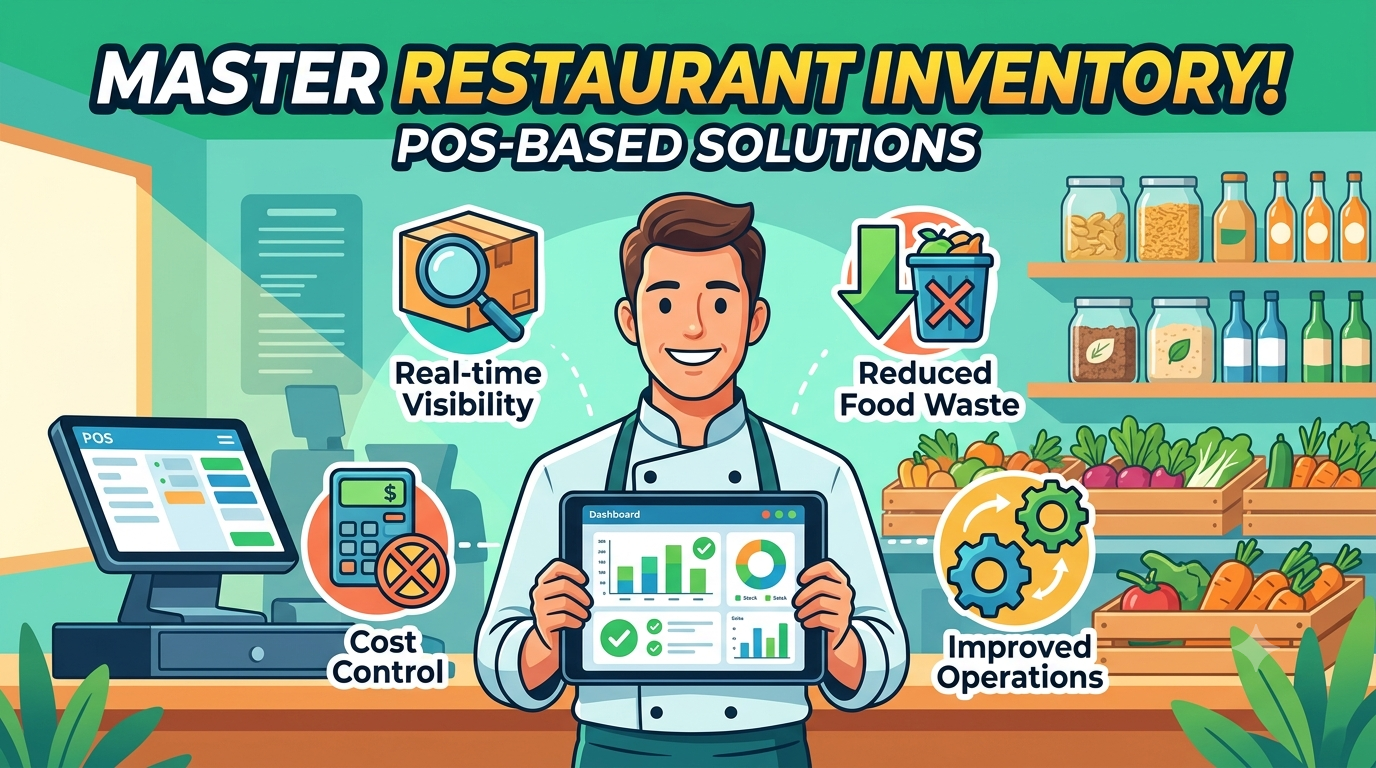
Discover how POS-based inventory management helps restaurants reduce food waste, control costs, and gain real-time visibility into stock levels for smoother daily operations.
Jun 15, 2026
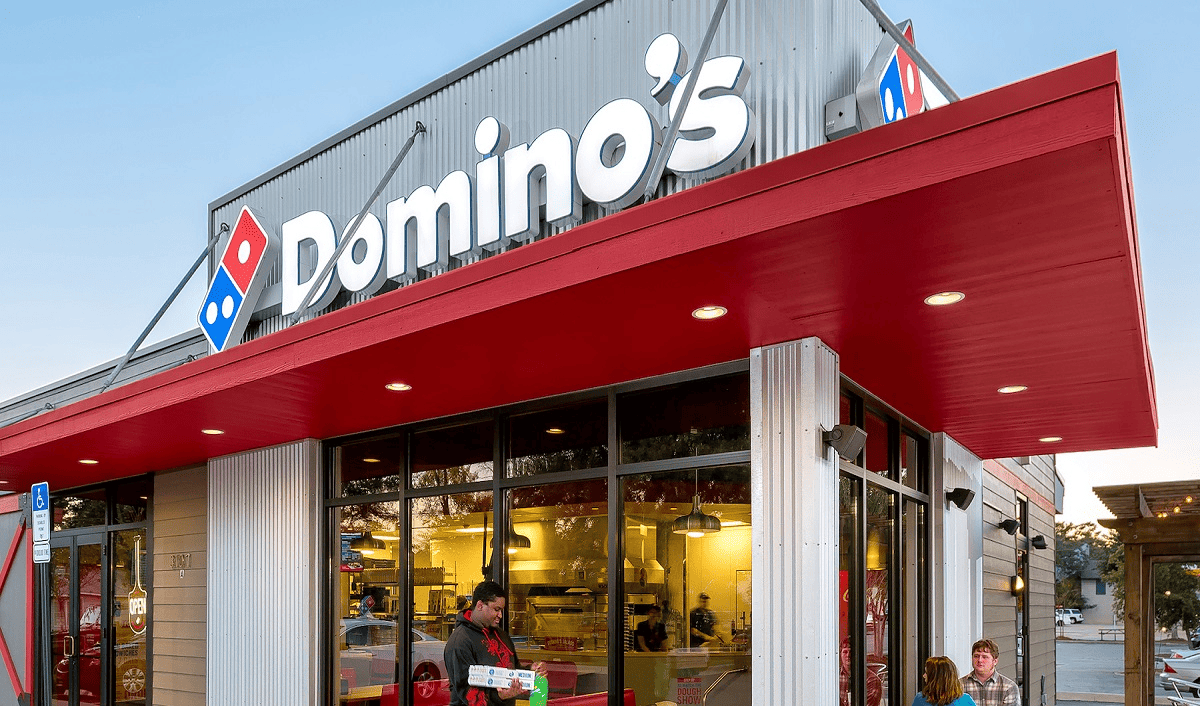
Domino's Pizza has expanded its popular 'Best Deal Ever' promotion to include Parmesan Stuffed Crust at no extra charge, offering any pizza with any crust and toppings for just $9.99, available through July 26.
Jun 15, 2026
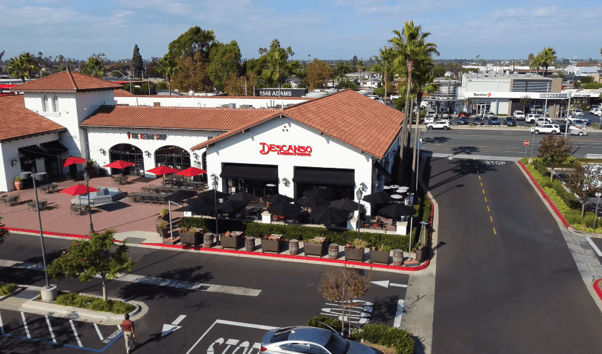
Explore how Descanso in Costa Mesa brings Mexico’s vibrant street food culture into a refined, full-sensory dining experience. Discover operational strategies, business insights, and the nuanced approach to customer interaction, menu design, and staff training that define their concept of elevated Mexican cuisine.
Jun 15, 2026
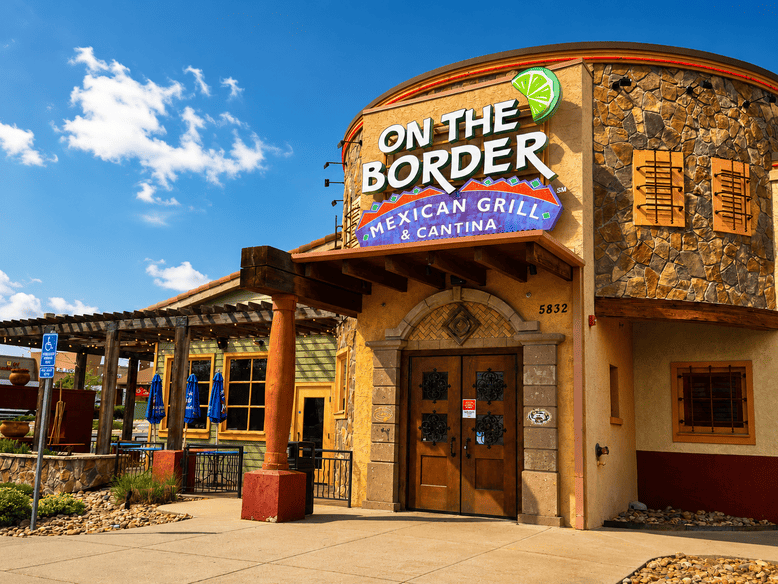
On the Border has closed all of its company-owned restaurants just over a year after being acquired out of bankruptcy by Pappas Restaurants, leaving only five franchised US locations and one in South Korea still operating.
Jun 15, 2026
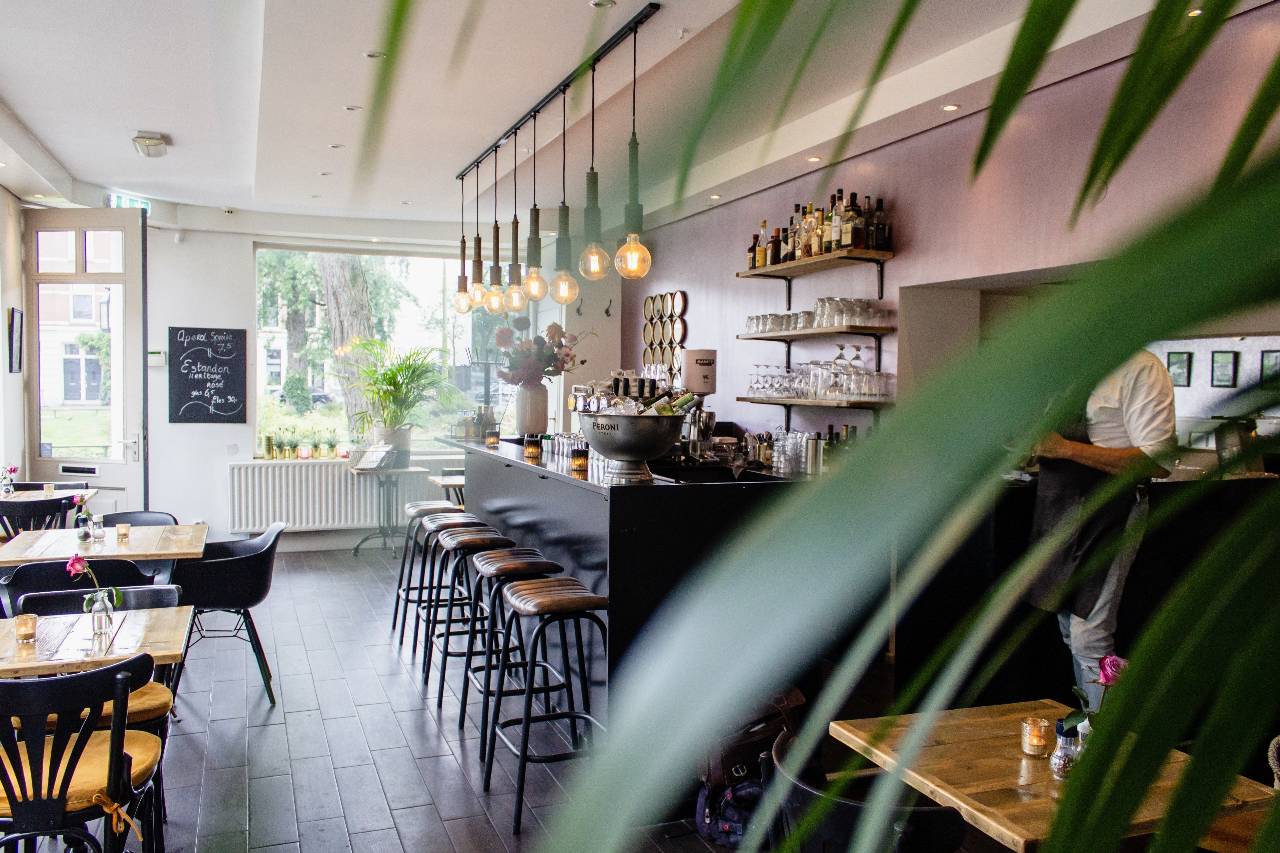
A profitable cafe starts with audience building, data-driven location choices, smart financial planning, AI support, strong systems, and community-focused marketing.
Jun 15, 2026
Krispy Kreme has unveiled its Summer Seasonal Collection, featuring two new doughnuts, returning fan favourites, and two limited-time Lemonade Chillers- available from June 16 for a limited time at participating US locations.
Jun 15, 2026

PE is rolling up franchise supplier platforms like IFPG and Fastlane, blending brokers, marketing, and AI to scale development and reshape pricing.
Jun 14, 2026
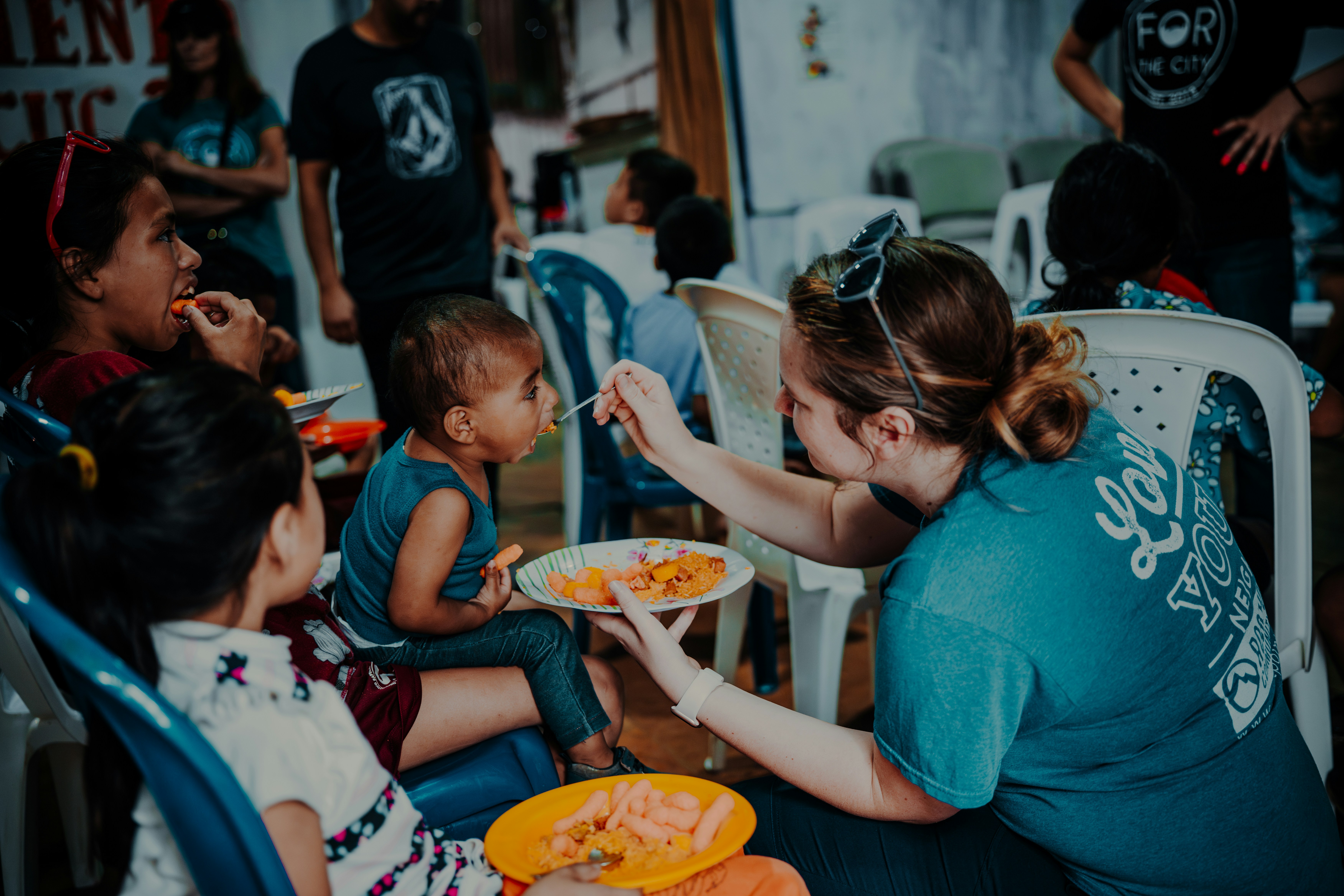
World Central Kitchen's Food Is Life brings free chef-crafted bites to World Cup watch parties, turning fan energy into hunger relief across U.S. host cities.
Jun 14, 2026
Learn how to build a Google Business Profile that turns local searchers into paying diners. Actionable steps, expert tips, and a quick-start checklist inside.
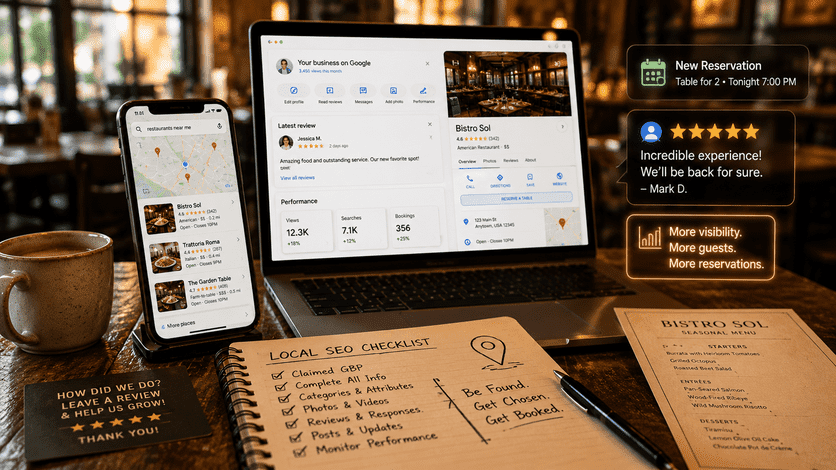
Every day, thousands of people in your city open Google and type "restaurants near me" or "best Italian food in town." Google returns a handful of results before anyone even scrolls to a website. The businesses that appear in that top cluster the map pack are not necessarily the best restaurants in the area. They are the ones with the most optimized Google Business Profile. If your profile is incomplete, outdated, or simply unclaimed, you are invisible to the highest-intent diners in your market people who are actively looking for somewhere to eat right now. A well-built Google Business Profile that converts is not about gaming an algorithm. It is about presenting your restaurant so clearly and compellingly that a searcher has every reason to choose you over the three listings next to yours. This guide will walk you through exactly how to do that.
Before diving into the setup, it is worth understanding what is actually at stake. Google Business Profile is not a secondary listing you maintain out of obligation. For most independent restaurants, it is the single most impactful piece of digital real estate you own and it is completely free. Consider the behavior of a typical diner searching for somewhere to eat. They open Google, type a cuisine or a general query, and within seconds they are looking at a map with three to five restaurant listings. Each one shows a name, a star rating, a price range, hours, a photo, and sometimes a recent review snippet. A decision is made within seconds, often before that person ever visits a website. According to Google, 76 percent of people who search for something nearby on their smartphone visit a related business within 24 hours. For restaurants, that window is even tighter the search and the visit often happen within the same hour. That is not a discovery channel. That is a direct pipeline from search intent to a seat at your table. A Google Business Profile that is fully optimized for local search visibility also signals trust. A profile with accurate information, recent photos, consistent reviews, and regular updates tells Google and the diner that this is an active, well-managed establishment. That signal influences both your ranking in local results and your conversion rate among people who find you.
It sounds obvious, but a significant number of independent restaurants are either operating on an unclaimed profile Google created automatically or have never completed the verification process. An unclaimed profile means you have no control over the information displayed about your restaurant. Go to Google Business Profile and search for your restaurant name. If it appears but has not been claimed, you will see an option to claim it. If it does not appear at all, you can create a new listing from scratch. Verification typically happens through a postcard Google mails to your restaurant address, though some businesses qualify for phone or email verification. The process takes anywhere from a few days to two weeks. Do not put this off every day your profile is unverified is a day you cannot edit critical information or respond to reviews. Once verified, set a reminder to audit your profile quarterly. Google sometimes allows third parties to suggest edits to business information, and those suggestions can go live without your explicit approval.
Incomplete profiles rank lower and convert worse. Google rewards completeness because a thorough profile gives the algorithm more data to match your listing to relevant searches and it gives diners more reasons to choose you. Work through every section with care. Your business name should be exactly the name you use in the real world. Do not add keywords or location modifiers to your business name this violates Google's guidelines and can get your listing suspended. Your primary category matters more than most restaurant owners realize. Choose the most specific option available. "Italian Restaurant" will outperform "Restaurant" for relevant searches every time. You can also add secondary categories. A place that serves wood-fired pizza and craft cocktails might list both "Italian Restaurant" and "Bar and Grill" to capture a broader range of searches. Your address, phone number, and website must be identical to how they appear everywhere else online your website, Yelp, TripAdvisor, and any other directory. This consistency is called NAP consistency (Name, Address, Phone), and it is a foundational local SEO signal. Even minor discrepancies, like "St." versus "Street," can dilute your local search authority over time. Your hours need to be accurate at all times, including holiday hours. Nothing erodes trust faster than a diner who drove to your restaurant based on your Google listing only to find you closed. Google allows you to set special hours for holidays in advance use this feature. The description field gives you 750 characters to tell your story. Write it for a human reader, not for an algorithm. Describe what makes your restaurant distinct the cuisine style, the atmosphere, the story behind the kitchen, what a typical guest experience looks and feels like. Work in your primary keyword naturally, but prioritize readability over keyword density.
Google Business Profile allows restaurants to add a full menu, and the majority of independent restaurants either skip this entirely or add a generic link that goes to a PDF no one can read on a phone screen. Use the built-in menu editor to list your dishes by category with names, descriptions, and prices. This information can surface directly in search results someone searching for "restaurants with truffle pasta near me" is more likely to find your listing if that dish is explicitly listed in your profile. Keep the menu updated. An outdated menu showing items you no longer serve, or prices from two years ago, creates friction and mistrust at exactly the moment a potential guest is deciding whether to make a reservation.
Photos are often the deciding factor between two similarly rated restaurants in the map pack. A profile with 12 low-quality photos from four years ago will lose to a competitor with 60 well-lit, current images every time. Invest in a half-day shoot with a food photographer or, at minimum, shoot your own photos in natural light during service. What to capture - your three or four best-selling dishes styled as they are actually served, the interior during a busy dinner service, the exterior in good lighting, the bar area if relevant, and a few candid shots of your team at work. Authenticity matters here. Diners are not looking for a stock-photo aesthetic they want to know what it actually feels like to walk through your door. Upload photos consistently over time rather than all at once. Google's algorithm favors profiles that show recent activity, and a steady cadence of new images signals that your business is active and well-managed. Also enable the option for customers to add photos. Guest-submitted images are often the most trusted content on a profile because they are unfiltered. When guests tag or upload photos, acknowledge them.
Google Posts are short updates that appear directly on your Business Profile in search results. Most restaurants never use them. That is an opportunity for you. Posts can highlight a seasonal menu, promote a weekend event, announce a new brunch service, or simply showcase a dish you want to sell more of. Each post includes a call-to-action button options include "Reserve," "Order Online," "Learn More," and "Call Now." Posts expire after seven days for standard updates, so build a simple calendar to keep them current. One post per week is enough to maintain a visible level of activity on your profile. Think of it as the Google equivalent of an Instagram story brief, visual, timely, and tied to an action you want the reader to take. Businesses that post regularly on their Google Business Profile have been shown to receive significantly more direction requests and website clicks than those that do not. It is a low-effort, high-return habit.
Reviews are the single most visible trust signal on your Google Business Profile. Your star rating appears in the map pack before a searcher clicks anything. It shapes perception in under a second. The most effective way to build a strong review base is to ask directly, personally, and at the right moment. Train your servers to mention reviews at the end of a positive interaction. Use a QR code on receipts or table cards that links directly to your Google review page. Send a follow-up text or email to guests who opted into your mailing list. What you should not do is offer incentives for reviews. This violates Google's policies and can result in reviews being removed or your listing being penalized. Responding to reviews is equally important and consistently overlooked. Respond to every review positive and negative. For positive reviews, a brief, specific thank-you goes a long way. For negative reviews, respond calmly, acknowledge the experience, and offer a path to resolution. Potential guests read how you handle criticism just as closely as they read the criticism itself. A thoughtful, professional response to a one-star review can actually strengthen your reputation with someone who is evaluating you for the first time. Aim for a consistent flow of new reviews rather than a surge followed by months of silence. Google's algorithm values recency, and a profile that receives one or two new reviews per week will consistently outperform one that received fifty reviews in a single month two years ago.
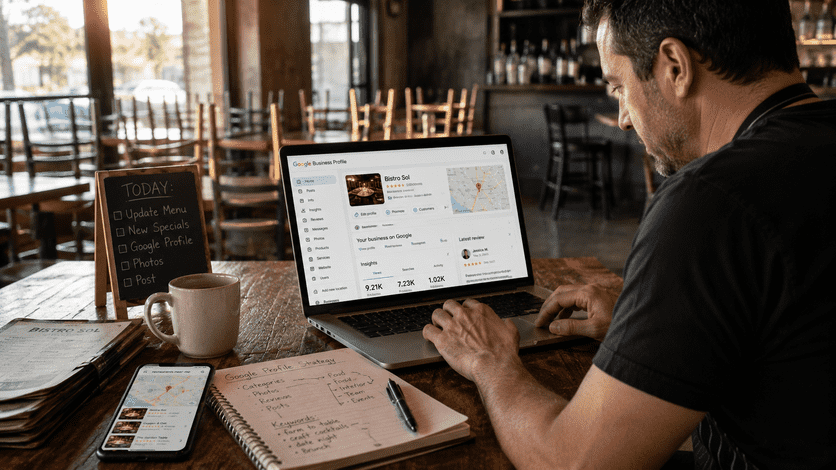
The performance gap between an optimized and an unoptimized Google Business Profile is measurable and significant. Restaurants that complete their profiles fully, post regularly, and maintain a strong review base typically see two to five times more direction requests and website clicks than those with incomplete listings. According to BrightLocal's local consumer review survey, 87 percent of consumers read online reviews for local businesses, and restaurants are the category most commonly researched this way. A profile with a 4.5-star average and 200 reviews will consistently outperform a profile with a 4.8-star average and 12 reviews, because volume signals credibility at scale. For restaurants with a fully built-out profile, the map pack drives meaningful foot traffic with zero ongoing ad spend. It is one of the few marketing channels where the upfront investment of time pays compounding returns over months and years.
Use this to audit your current profile or build a new one from the ground up -
The decision to visit a restaurant is often made in a matter of seconds, on a phone screen, by someone who has never heard of you before. Your Google Business Profile is frequently the only thing standing between that moment of intent and a new guest walking through your door. A fully optimized Google Business Profile that converts is not a one-time project. It is an ongoing practice keeping information current, posting consistently, engaging with reviews, and adding fresh photography. The restaurants that treat it as a living, managed asset rather than a static listing are the ones consistently winning the local search game. The setup takes a few hours. The returns last for years. There is no better place to invest your marketing time this week. Want more practical, no-fluff marketing strategies built specifically for independent restaurants and small chains? Explore the full library of guides, tools, and resources at RestaurantAssociation.com/marketing and subscribe to the newsletter for weekly tactics delivered straight to your inbox.