What is AI Drive-Thru Ordering? A Guide for Restaurant Owners
AI drive-thru ordering helps restaurants improve speed, accuracy, upselling, labor efficiency, and customer flow by using daily measurable operational data.
tech
Jun 15, 2026
AI drive-thru ordering helps restaurants improve speed, accuracy, upselling, labor efficiency, and customer flow by using daily measurable operational data.
Jun 15, 2026
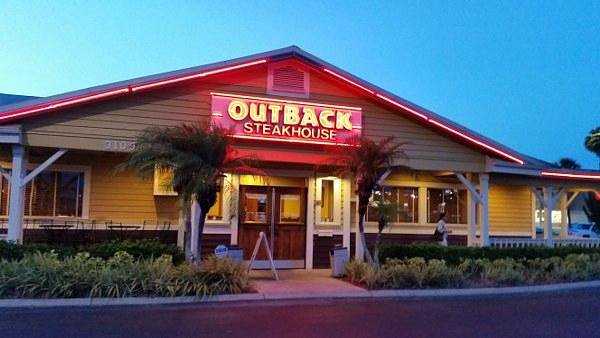
Outback Steakhouse is rolling out a limited-time Father's Day menu from June 17–21, featuring bold new steak and surf-and-turf dishes plus an exclusive gift card promotion running through June 21.
Jun 15, 2026
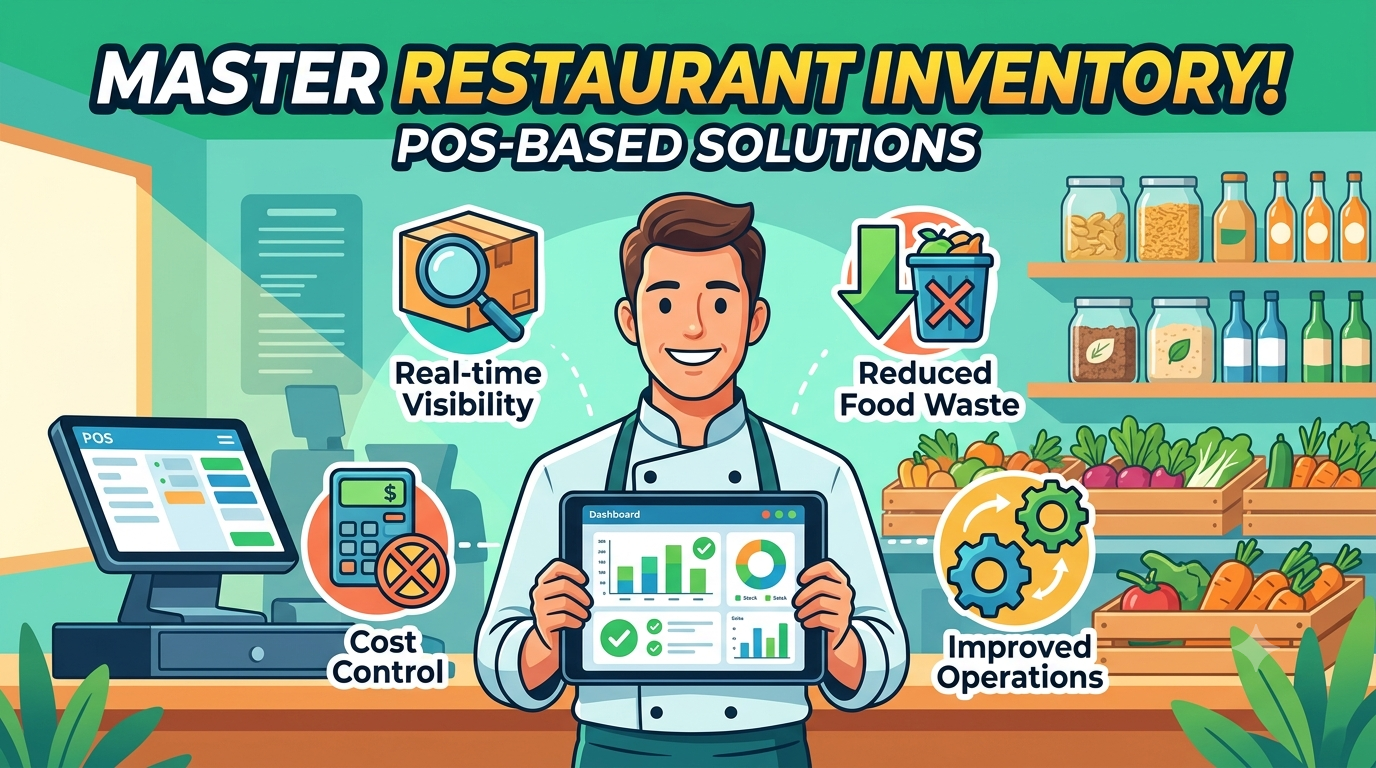
Discover how POS-based inventory management helps restaurants reduce food waste, control costs, and gain real-time visibility into stock levels for smoother daily operations.
Jun 15, 2026
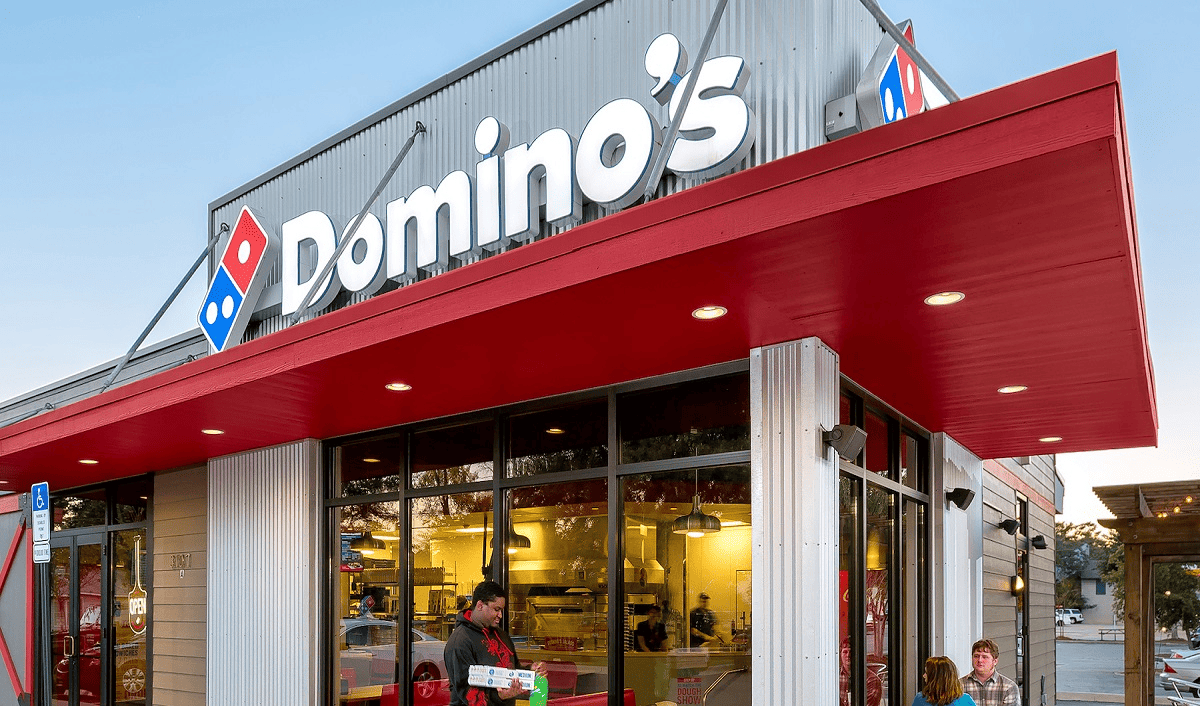
Domino's Pizza has expanded its popular 'Best Deal Ever' promotion to include Parmesan Stuffed Crust at no extra charge, offering any pizza with any crust and toppings for just $9.99, available through July 26.
Jun 15, 2026
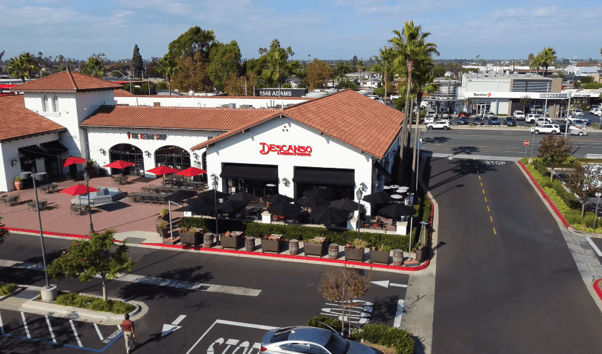
Explore how Descanso in Costa Mesa brings Mexico’s vibrant street food culture into a refined, full-sensory dining experience. Discover operational strategies, business insights, and the nuanced approach to customer interaction, menu design, and staff training that define their concept of elevated Mexican cuisine.
Jun 15, 2026
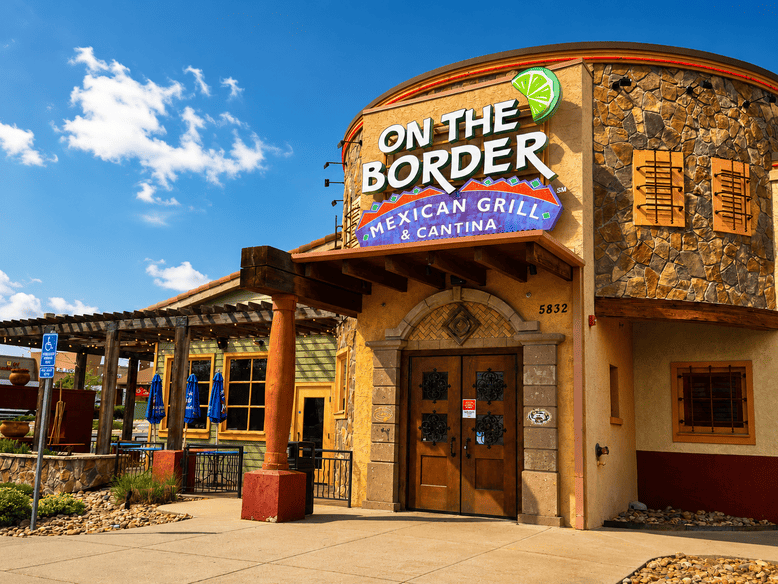
On the Border has closed all of its company-owned restaurants just over a year after being acquired out of bankruptcy by Pappas Restaurants, leaving only five franchised US locations and one in South Korea still operating.
Jun 15, 2026
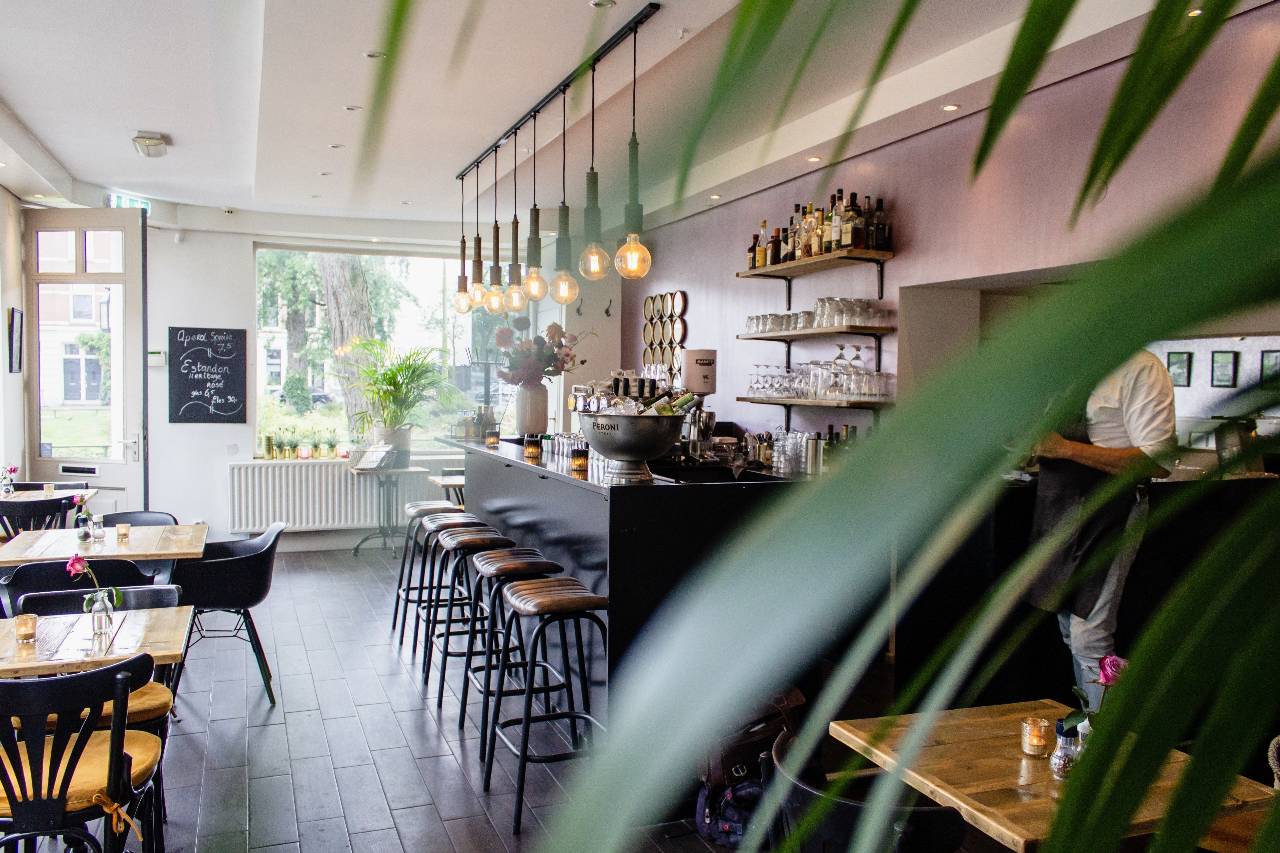
A profitable cafe starts with audience building, data-driven location choices, smart financial planning, AI support, strong systems, and community-focused marketing.
Jun 15, 2026
Krispy Kreme has unveiled its Summer Seasonal Collection, featuring two new doughnuts, returning fan favourites, and two limited-time Lemonade Chillers- available from June 16 for a limited time at participating US locations.
Jun 15, 2026

PE is rolling up franchise supplier platforms like IFPG and Fastlane, blending brokers, marketing, and AI to scale development and reshape pricing.
Jun 14, 2026

World Central Kitchen's Food Is Life brings free chef-crafted bites to World Cup watch parties, turning fan energy into hunger relief across U.S. host cities.
Jun 14, 2026
It is the third week of February. You check your bank account, and the balance is terrifyingly low. Panic sets in. You immediately pull up your Profit & Loss statement for January, expecting the worst. Instead, the P&L says you had a highly profitable month. If your restaurant made so much money last month, where is all the cash?
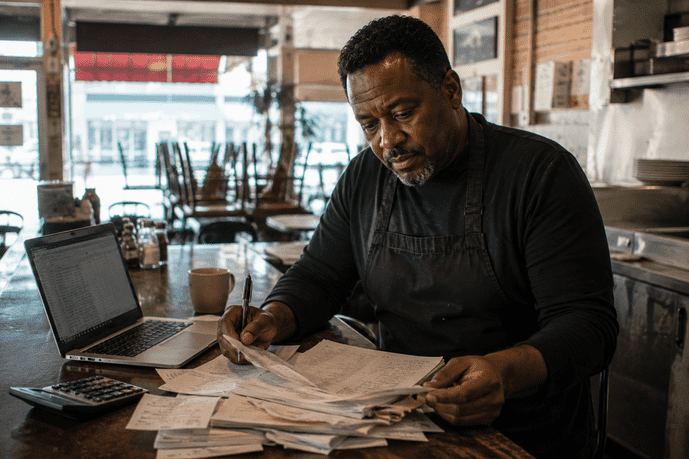
It is the third week of February. You check your bank account, and the balance is terrifyingly low. Panic sets in. You immediately pull up your Profit & Loss statement for January, expecting the worst. Instead, the P&L says you had a highly profitable month. If your restaurant made so much money last month, where is all the cash? This massive disconnect between your bank balance and your P&L is incredibly stressful. It almost always comes from a basic misunderstanding of how your money is being recorded. Choosing between cash basis and accrual accounting is the most important financial decision you will make for your back office. We are going to skip the complicated accounting jargon and break down exactly what these two methods mean for your daily operations, your tax bill, and your ability to keep the lights on and your staff paid.
Accounting is simply the system you use to record when money comes in and when money goes out. The difference between the two methods comes down to timing - Cash Basis Accounting is exactly what it sounds like. You record sales only when the actual cash (or credit card deposit) hits your bank account. You record expenses only when the money actually leaves your account to pay a bill. Example - If your produce supplier drops off 10 cases of tomatoes on Tuesday, but you have 30 days to pay and don't write the check until next month, a cash-basis system pretends that expense doesn't exist until the check clears. Accrual Basis Accounting records sales when you earn them and expenses when you incur them, regardless of when the actual money changes hands. It matches the cost of doing business with the sales it generates. Example - You receive those 10 cases of tomatoes. Even though you haven't paid the bill yet, you log the expense in your accounting software today, because you are using those tomatoes to make salsa and generate sales today. Why does this matter so much? Because restaurants operate on a chaotic cash timeline. You buy food today, you might pay for it in 30 days, you cook it tomorrow, and you might get the credit card deposit the day after that. If you don't match the cost of the ingredients to the exact week or month you sold the dish, your financial reports will lie to you.
Many independent restaurants struggle not because of weak sales, but because of inconsistent cash flow management and delayed operational adjustments. Financial visibility is just as important as guest experience and culinary execution.
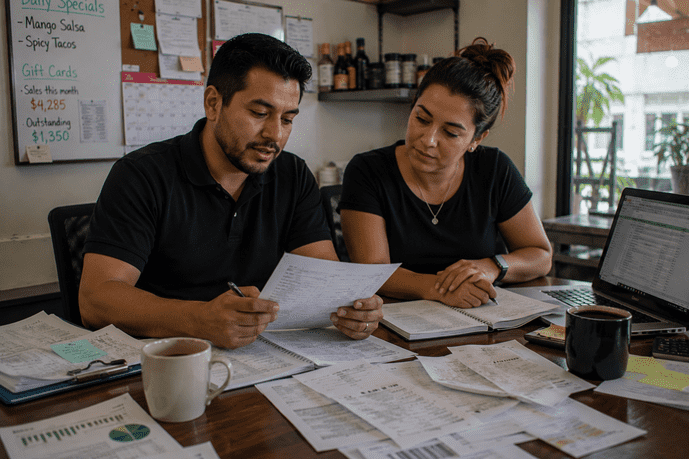
Deciding how to track your money gives you the tools to run a profitable dining room. Here are five key areas you must evaluate.
Hospitality consultants frequently identify inventory mismanagement and uncontrolled labor expenses as two of the most common causes of declining restaurant profitability. Accrual accounting provides the visibility needed to catch these issues early.
Even when operators understand the difference, making the switch can get messy. Avoid these common traps -
Restaurant margins are too tight to operate in the dark. While cash basis is simpler for a tiny operation (like a solo food truck), the moment you have a full staff, 30-day supplier accounts, and a walk-in full of fresh food, accrual is the professional standard. Before you meet with your accountant this quarter, complete this checklist -