What is AI Drive-Thru Ordering? A Guide for Restaurant Owners
AI drive-thru ordering helps restaurants improve speed, accuracy, upselling, labor efficiency, and customer flow by using daily measurable operational data.
tech
Jun 15, 2026
AI drive-thru ordering helps restaurants improve speed, accuracy, upselling, labor efficiency, and customer flow by using daily measurable operational data.
Jun 15, 2026
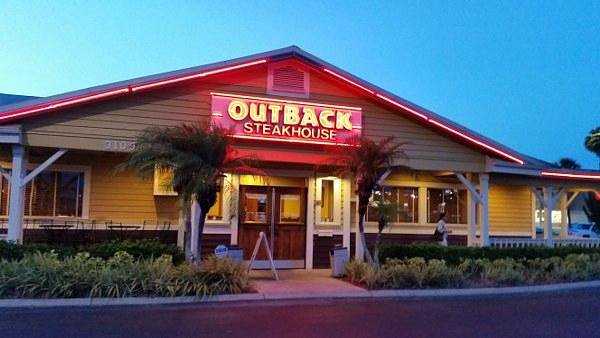
Outback Steakhouse is rolling out a limited-time Father's Day menu from June 17–21, featuring bold new steak and surf-and-turf dishes plus an exclusive gift card promotion running through June 21.
Jun 15, 2026
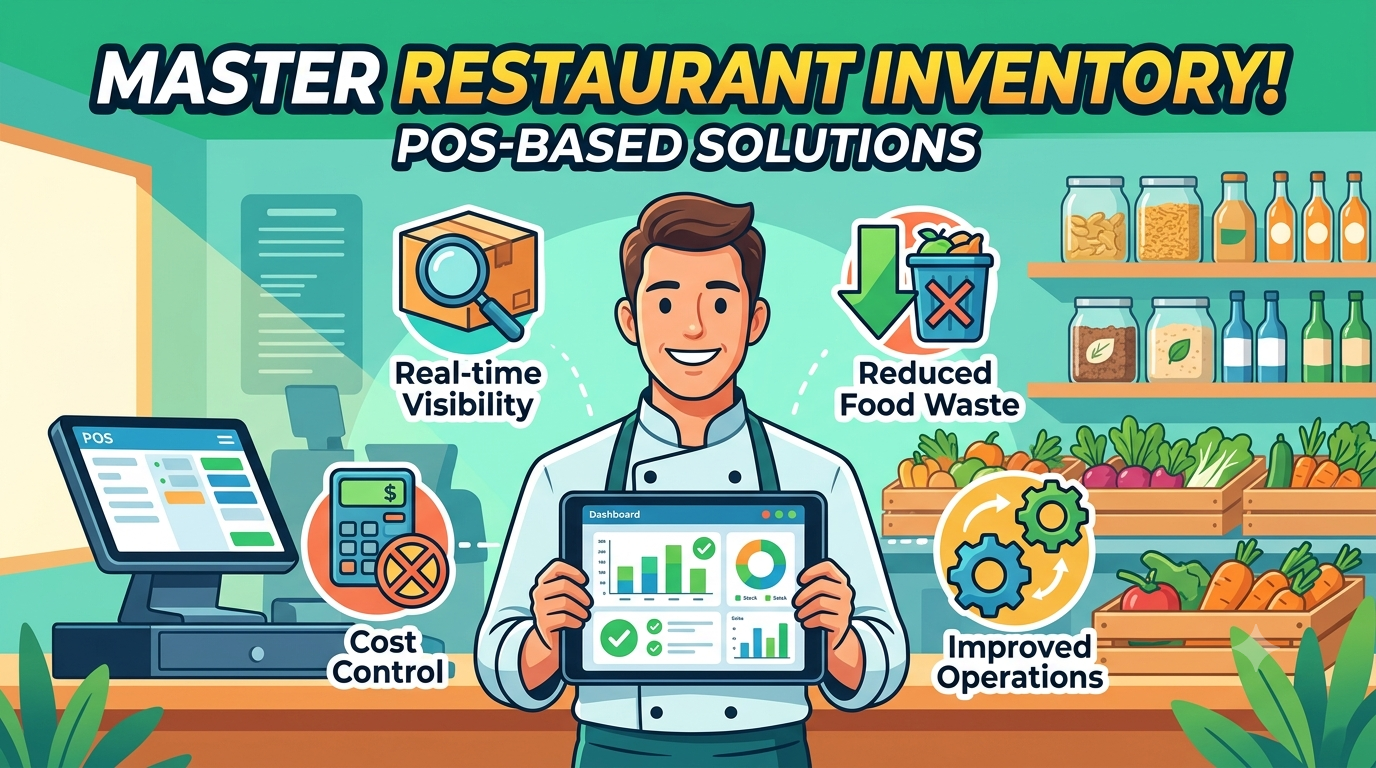
Discover how POS-based inventory management helps restaurants reduce food waste, control costs, and gain real-time visibility into stock levels for smoother daily operations.
Jun 15, 2026
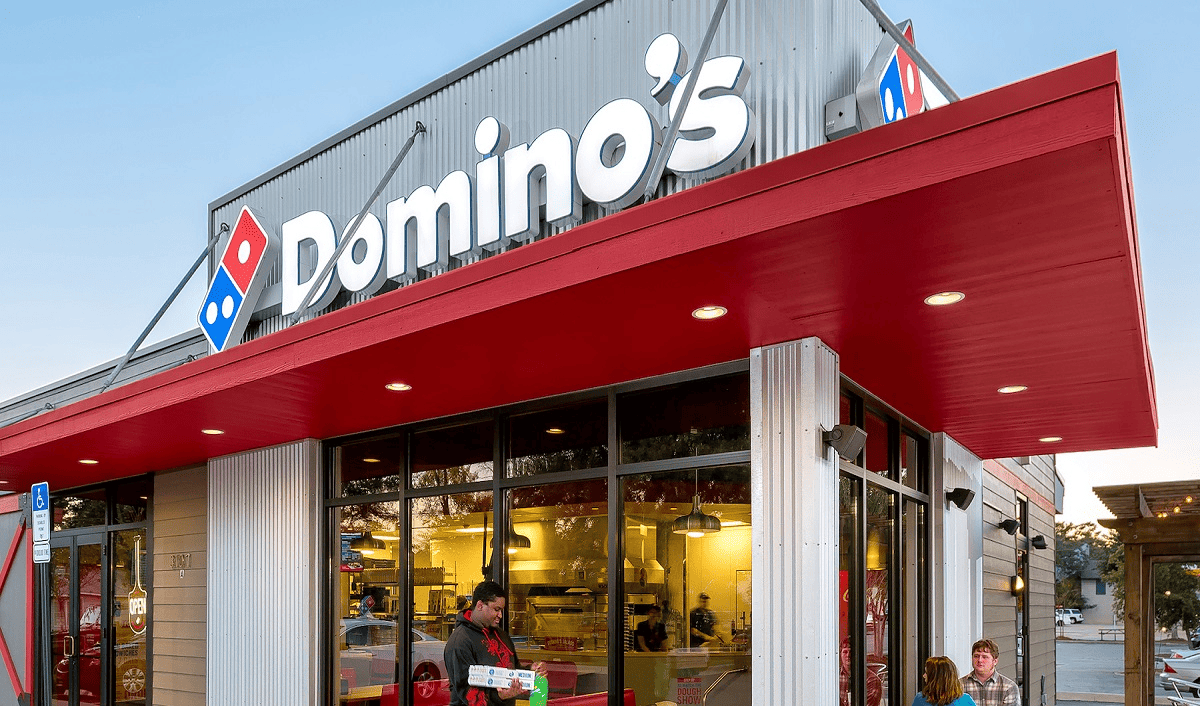
Domino's Pizza has expanded its popular 'Best Deal Ever' promotion to include Parmesan Stuffed Crust at no extra charge, offering any pizza with any crust and toppings for just $9.99, available through July 26.
Jun 15, 2026
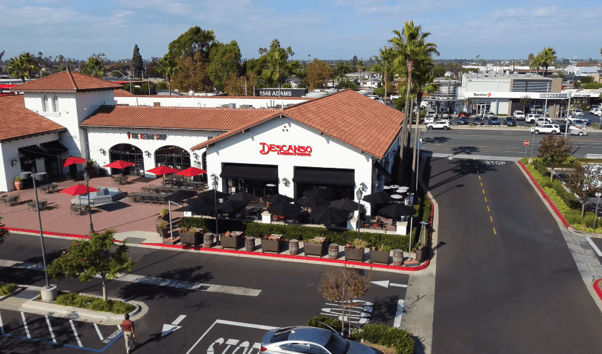
Explore how Descanso in Costa Mesa brings Mexico’s vibrant street food culture into a refined, full-sensory dining experience. Discover operational strategies, business insights, and the nuanced approach to customer interaction, menu design, and staff training that define their concept of elevated Mexican cuisine.
Jun 15, 2026
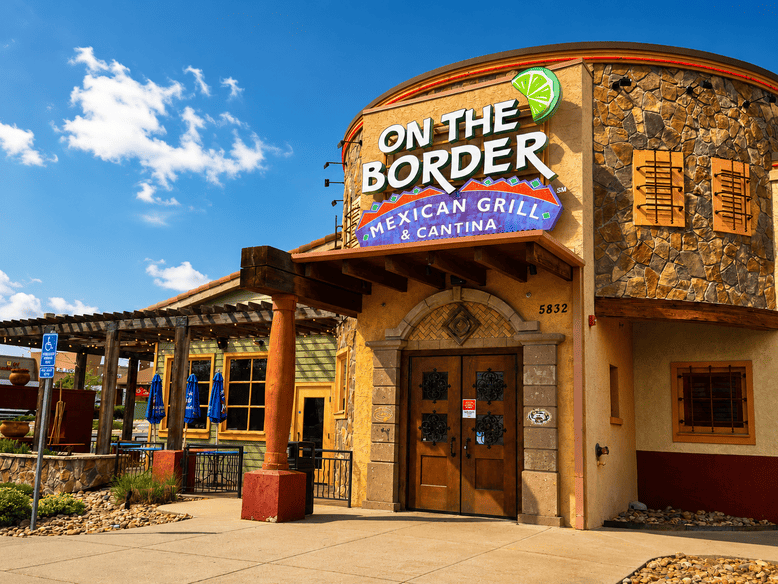
On the Border has closed all of its company-owned restaurants just over a year after being acquired out of bankruptcy by Pappas Restaurants, leaving only five franchised US locations and one in South Korea still operating.
Jun 15, 2026
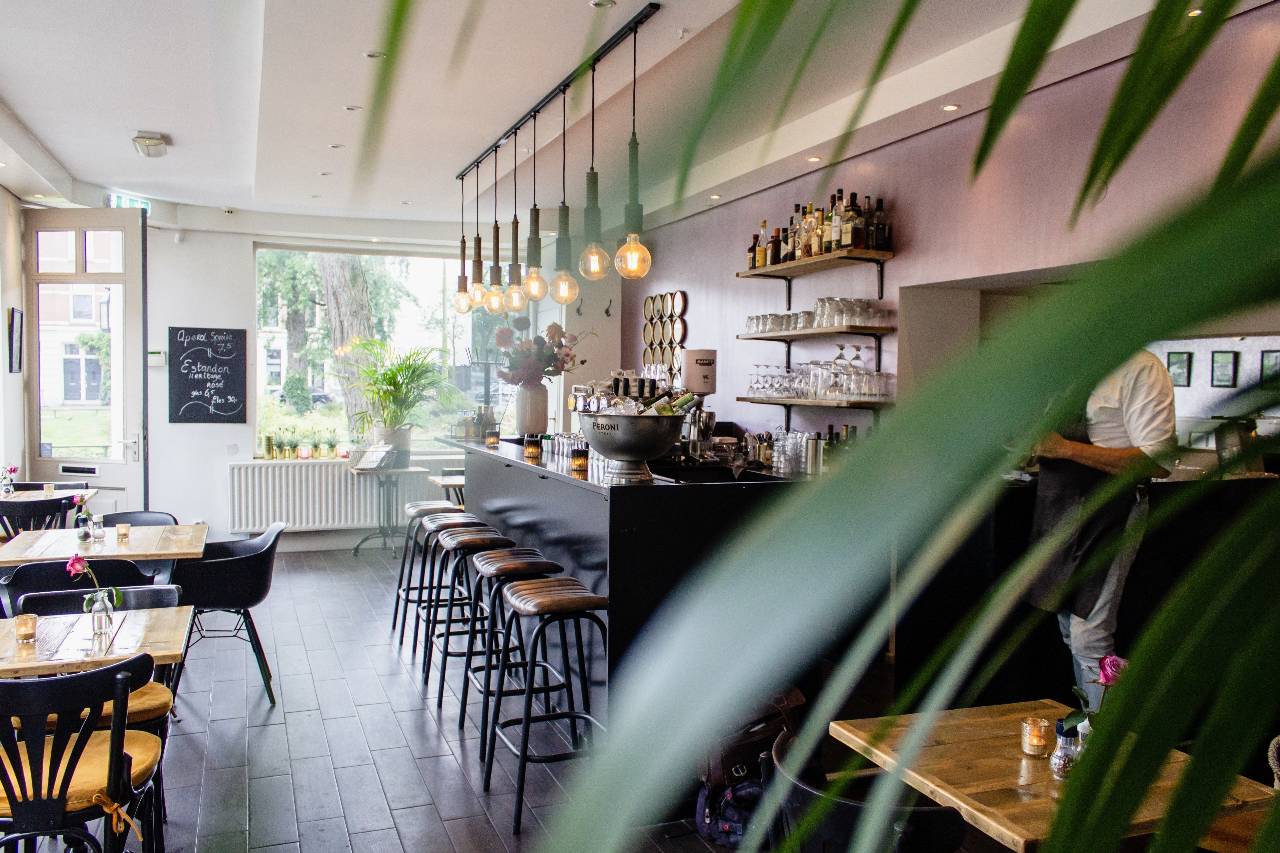
A profitable cafe starts with audience building, data-driven location choices, smart financial planning, AI support, strong systems, and community-focused marketing.
Jun 15, 2026
Krispy Kreme has unveiled its Summer Seasonal Collection, featuring two new doughnuts, returning fan favourites, and two limited-time Lemonade Chillers- available from June 16 for a limited time at participating US locations.
Jun 15, 2026

PE is rolling up franchise supplier platforms like IFPG and Fastlane, blending brokers, marketing, and AI to scale development and reshape pricing.
Jun 14, 2026

World Central Kitchen's Food Is Life brings free chef-crafted bites to World Cup watch parties, turning fan energy into hunger relief across U.S. host cities.
Jun 14, 2026
Learn how to handle negative Yelp and Google reviews in the restaurant industry with proven strategies for reputation management, brand protection, and staff morale. Avoid common pitfalls and turn criticism into a competitive advantage.

It is 10 PM on a Friday. You just walked the floor, locked the front doors, and sat down in your back office. The shift was brutal you were down a line cook, the POS system crashed for twenty minutes, and the expeditor was drowning. You open your phone to decompress, and there it is- a gleaming, brand-new 1-star Google review. The guest claims the food was "inedible trash," the server was "unbelievably rude," and your establishment is a "complete scam." Your blood pressure spikes because you recognize the table they smiled to your face, told the floor manager everything was fine, cleared their plates, and tipped 18%. Your immediate, visceral instinct is to fire back. You want to log into your account, publicly expose their hypocrisy, defend your hard-working staff, and wage a digital war. Stop. Take your hands off the keyboard. In today's digital hospitality landscape, understanding how to handle a bad Yelp or Google review without making it worse is not just a soft customer service skill; it is a vital strategy for revenue protection and brand survival. Let’s strip away the emotion and look at this like the seasoned business operator you are. Here is the unvarnished truth about digital reputation management, protecting your cash flow, and neutralizing online vitriol.
Online reputation management is the active, strategic process of monitoring and influencing how your restaurant is perceived on platforms like Google Business Profile, Yelp, TripAdvisor, and OpenTable. For a multi-unit operator or a growing independent restaurant, these platforms represent your modern-day curb appeal. Why is this so critical for the foodservice industry specifically? Because dining out is a high-risk, emotional purchase. When a guest chooses your restaurant, they are trusting you with their Friday date night, their mother’s 70th birthday, or a critical business lunch. They cannot "test drive" a $45 steak before they buy it. Therefore, they rely entirely on the digital word-of-mouth of strangers to mitigate their risk. According to a landmark Harvard Business School study, a one-star drop in your overall Yelp rating can lead to a 5% to 9% decrease in bottom-line revenue. In an industry where net margins barely hover between 5% and 10%, that single star is the difference between expanding your footprint and closing your doors. Furthermore, the damage of a poorly handled review compounds. A badly written, defensive owner response often goes viral on local social media pages, driving away hundreds of potential guests who never even read the original review. Your review pages are a marketing channel, and a bad review is an opportunity to prove your professionalism.
Responding to angry customers in a public forum is an operational art form. It requires removing your ego from the equation entirely and acting as a fiduciary for your brand. Here is the step-by-step framework to neutralize negative feedback and protect your bottom line.
Theory is great, but application is where operators succeed. Let’s look at two common scenarios and examine the difference between an amateur response and a professional, strategic response. Scenario A - The Legitimate Operational Failure The Review - "1 Star. We waited an hour for our food. When the steaks finally came out, they were ice cold. We complained to the server and she just shrugged. Will never be back." The Amateur Response - "We were short-staffed last night and completely slammed. You try running a restaurant in this economy! If you had asked for a manager, we would have fixed it, but you didn't. Don't throw my server under the bus." Why it fails - It makes excuses, attacks the guest, and looks incredibly unprofessional to anyone else reading it. The Strategic Response - "Hi [Name], I am the owner here. I am genuinely disappointed to read this, as serving cold food and providing indifferent service is entirely unacceptable and falls far short of our standards. I have already pulled the tickets from last night to review this with our kitchen and floor staff. I would value the opportunity to make this right. Please email me directly at owner@restaurant.com." Why it wins - It takes ultimate ownership, avoids making excuses about staffing, mentions that an internal audit is happening (which future readers love to see), and moves the conversation offline. Scenario B - The Unreasonable Extortionist The Review - "1 Star. The portions are tiny and way too expensive. Also, they wouldn't seat us 15 minutes after the kitchen closed! Horrible customer service, they should have given us free drinks for our trouble." The Amateur Response - "You showed up at 10 - 15 PM when we close at 10 - 00 PM! My staff wants to go home to their families. We are not giving you free drinks for your inability to read a clock." Why it fails - While incredibly satisfying to write, the sarcasm makes you look petty and combative to a prospective guest looking at your page a month later. The Strategic Response - "Hi [Name], thank you for your feedback. We source our proteins from local, sustainable farms, which is reflected in our pricing and portioning. Regarding your arrival, our kitchen staff completely shuts down and begins deep cleaning promptly at 10 - 00 PM every night to ensure food safety. Because of this, we cannot accommodate food orders or seat guests after hours. We hope you understand our commitment to our staff's schedule and safety protocols." Why it wins - It calmly explains the "why" behind your pricing (local sourcing) and the "why" behind your policy (safety and staff respect) without an ounce of aggression. The reviewer looks foolish, and you look like a principled leader.
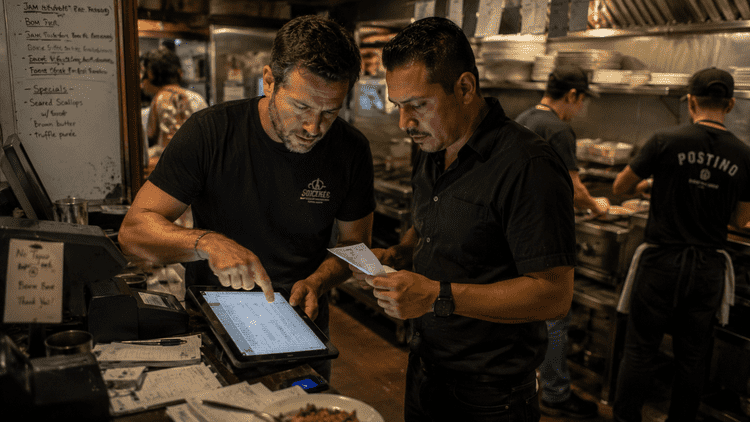
Even seasoned multi-unit operators fall into dangerous traps when trying to salvage their digital reputation. Avoid these frequent missteps that only amplify the damage.
Operating a successful restaurant is difficult enough without feeling like you are constantly under a digital microscope. However, you cannot afford to cede control of your brand narrative to anonymous internet users. Taking command of your online presence requires standardizing your response protocols just like you standardize your recipes. To protect your revenue and stabilize your online reputation, implement this action plan with your management team this week-